

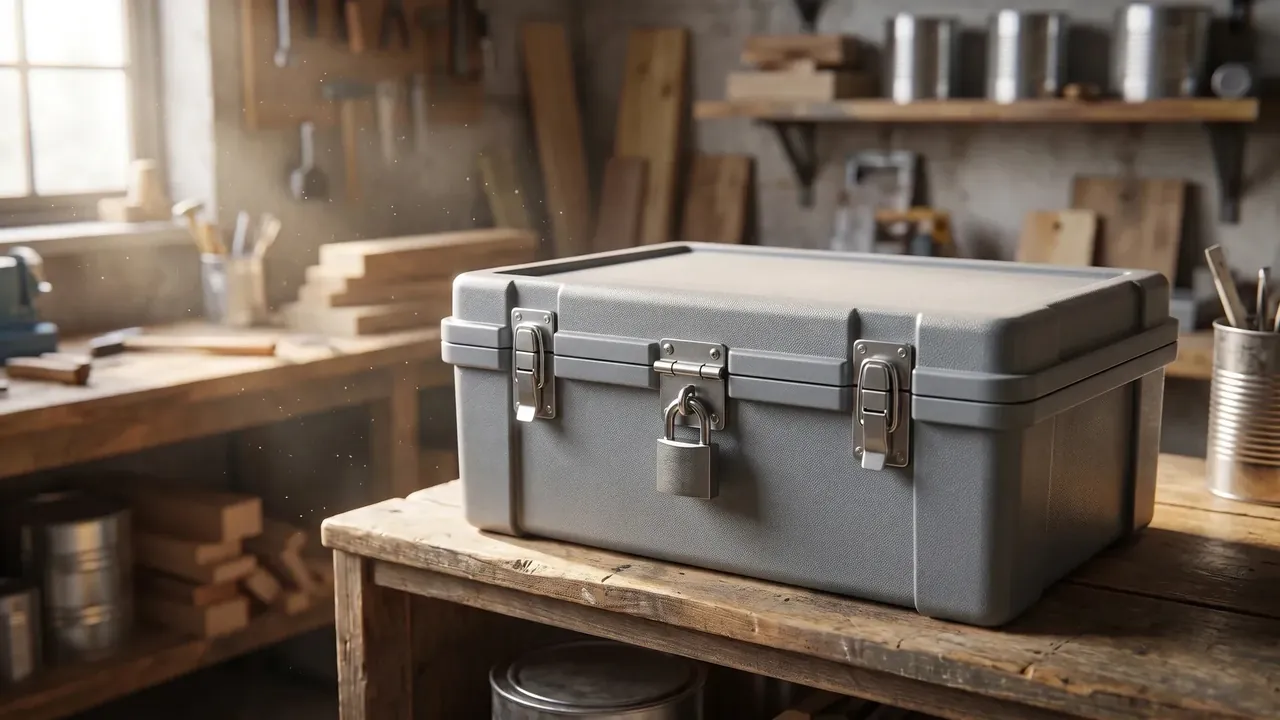
Quick answer: A cartridge safety case is a small container whose core goal is controlled opening and verifiable state — its design logic runs opposite to an ordinary protective case: ordinary cases solve "physical protection" first, safety cases first solve "who can open it, knowing when it was opened, and proving it was not." Structurally it has four safety elements — controlled locking, state indication (seals / indicators), content positioning, and shell protection as the backstop. The key to understanding this category is that safety functions outrank protection functions.
Table of contents
- First principles: priority order decides structure
- The four safety elements, one by one
- State indication: opened or not, visible at a glance
- Layering with protection functions
- Safety design verification checklist
- FAQ
1. First principles: priority order decides structure
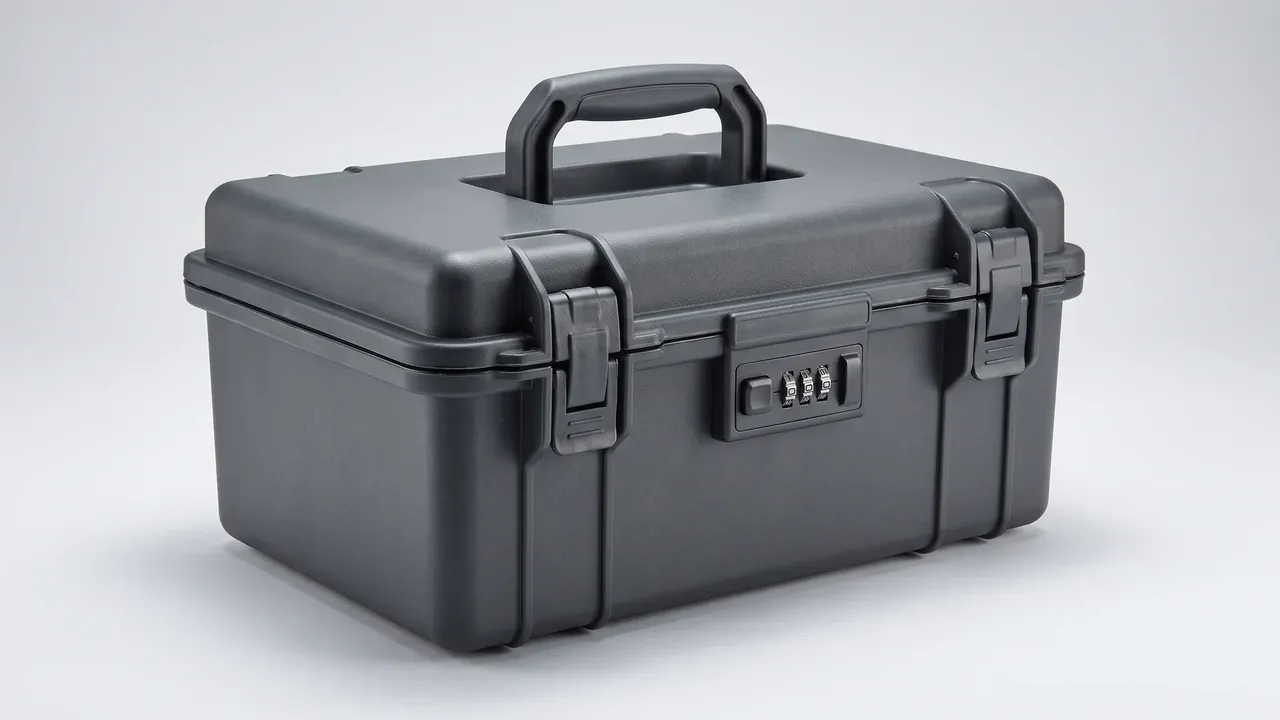
Every container answers two questions: can it protect what is inside (protection) and can it control who touches it (safety). Ordinary protective cases put protection first; safety cases put safety first — and the order directly shapes the structure:
- Ordinary case focus: shell strength, sealing grade, cushioning;
- Safety case focus: locking reliability, traceable opening, verifiable state.
Why does the order matter? Because the two compete for the same structure and budget — every unit of structure spent on locks and traceability does not improve protection. A safety case accepts that trade because its scenario treats unauthorized access, not drops or rain, as the primary risk.
2. The four safety elements, one by one
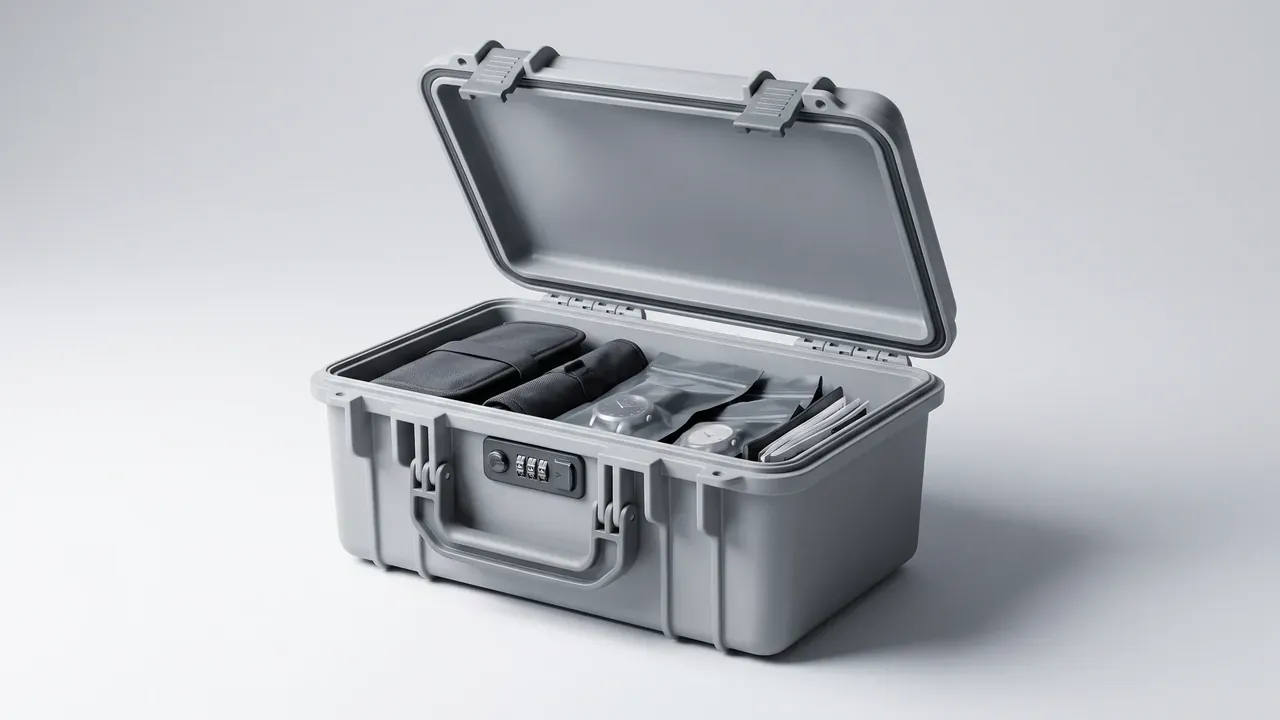
Element 1 — Controlled locking. Characterized by "tiers + redundancy": at least two lock points; keys or codes distributed by management tier; lock bodies with some pry and drill resistance (grade per scenario, not always top-spec). Versus an ordinary case's latches: a safety case's lock is a functional component, not a fastener.
Element 2 — State indication. The case must make "unopened / opened" decidable — security seals, numbered tags or one-time indicator structures. This is the most distinctive feature versus ordinary cases; expanded below.
Element 3 — Content positioning. Inserts cut to the contents make missing items visible the moment the lid opens. Positioning serves counting efficiency — in safety-case scenarios, "is the count right" matters as much as "was it touched."
Element 4 — Shell protection as backstop. A safety case does not abandon physical protection: shell, sealing and cushioning remain, sized to actual transport and storage conditions rather than starving the safety structure for protection's sake.
3. State indication: opened or not, visible at a glance
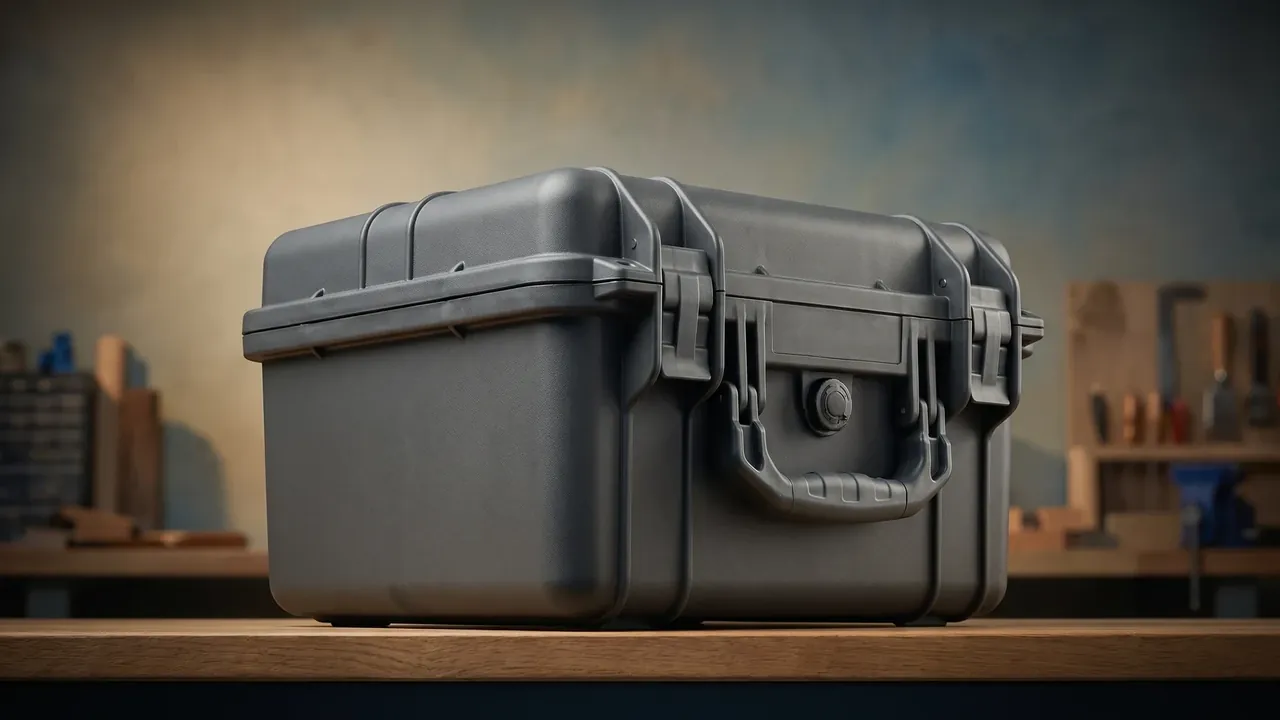
Three implementations, in rising cost and traceability:
| Method | Principle | Traceability | Best for |
|---|---|---|---|
| Tamper-evident label | Destructible sticker | Basic (damage visible) | Low cost, low frequency |
| Numbered security seal | Lead/plastic seal + number log | Strong (numbers map to ledger) | Routine management chains |
| Indicator structure | Non-resettable opening trigger | Strongest (structural evidence) | High-control requirements |
Choose by how deep the chain's traceability must go: "did anyone open it" takes a label; "who opened it, when" takes numbered seals; "structurally undeniable" takes an indicator structure. All three depend on one companion — a registration system. State indication without a log is decoration.
4. Layering with protection functions
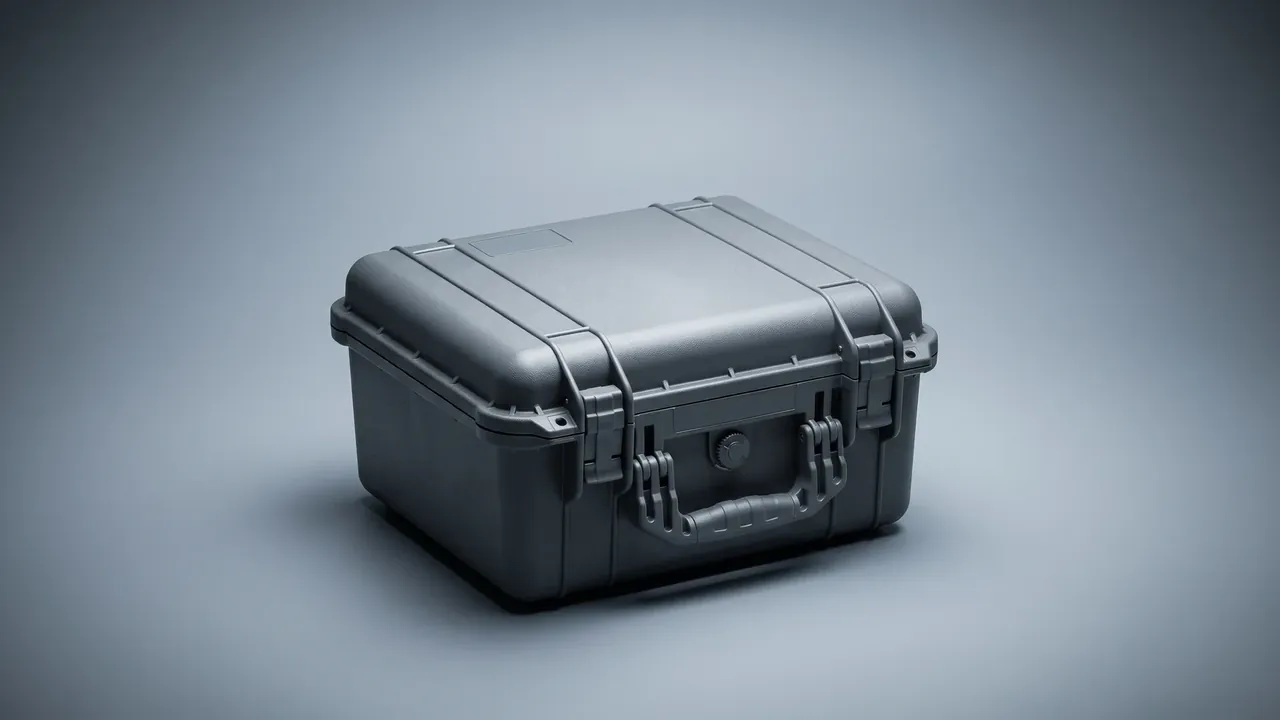
A well-designed safety case is layered:
- The safety layer (locks, indication, positioning) sits outermost and most visible, serving daily management interaction;
- The protection layer (shell, seal, cushioning) sits beneath, serving transport and storage conditions.
The practical meaning: the two layers are accepted separately. Safety layer: lock count, lock grade, seal regime. Protection layer: drop, sealing, stacking. Blending them ("it survives drops, so it is safe") is the most common procurement logic error — surviving drops and resisting unauthorized opening are two different propositions.
5. Safety design verification checklist
- Lock points ≥2, sensibly distributed (diagonal or long-edge ends);
- Lock grade matches the management system; keys/codes tiered and logged;
- State indication method chosen, with a registration system;
- Inserts cut to contents; missing items visible;
- Shell protection sized to actual transport/storage conditions;
- Emergency-open procedure pre-agreed, with a record carrier.
Conclusion
The design logic compresses to one sentence: first answer "who can open it, knowing when, proving it was not," then answer "does it survive drops." Controlled locking, state indication and content positioning form the safety layer; the shell forms the protection backstop — two layers, designed and accepted separately. Buying it as "a better protective case" is the category's most common misreading.
This article covers container design only. It does not cover anything about the handling of items placed inside.
Related Reading
- Cartridge Safety Case vs Ordinary Plastic Box: The Details That Differ
- cartridge-transport-box-specifications
- Can Protective Case Colors Be Customized? Pantone Referenc… (category page)
Related Products
- 8 Series — Gun Cases; Military Equipment Cases; Camera Equipment Cases; Drone Cases; Watch Cases; Knife Cases; First Aid Cases; Electronics Equipment Cases
- WL8-2812 PP Gun Case — model WL8-2812
- All protective cases and toolboxes: 7 series, 158 models