

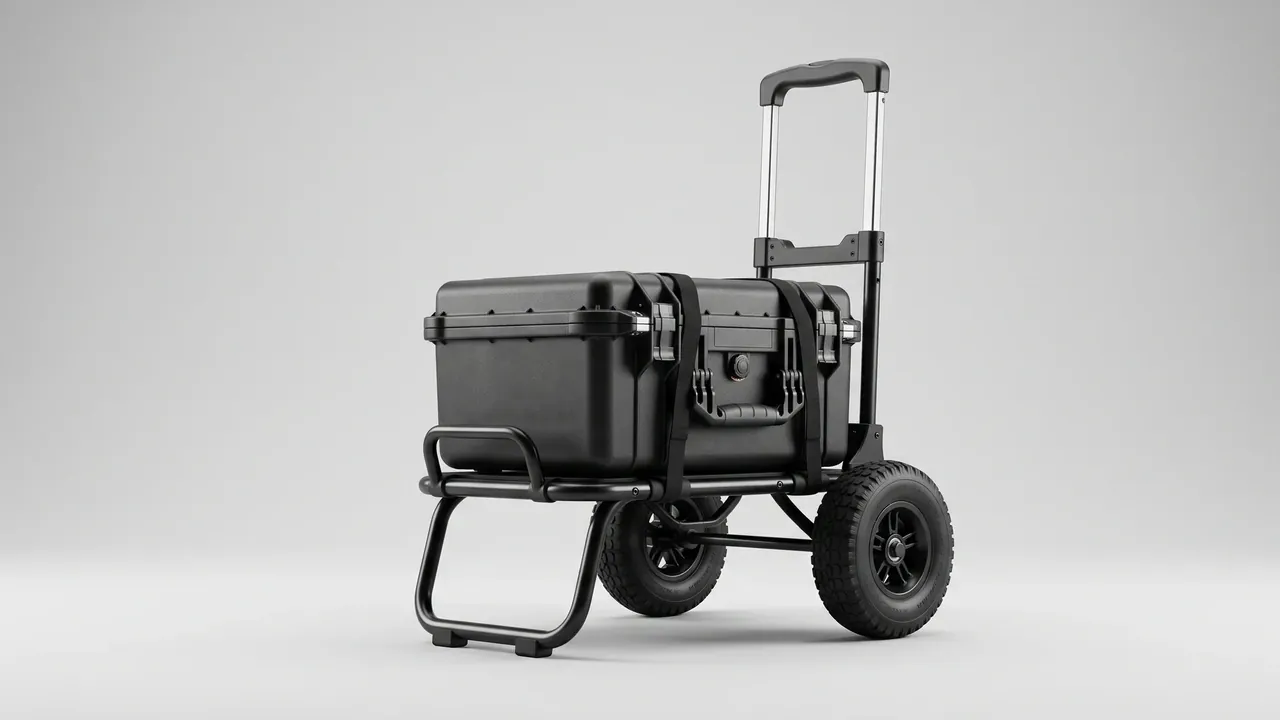
The gap between the two concentrates in six details, each carrying a function: lock structure (fastening vs controlled opening), state indication (none vs seals/indicators), insert (flat pad vs positioning slots), sealing (lid lip vs gasketed groove), marking system (none vs numbering fields), service-life design (per-use vs per-year with replaceable hardware). Each detail looks trivial alone; together they form the boundary between an ordinary box and a safety case — and the entire price gap. This article compares container details only.
Table of contents
- The six details, side by side
- Why these details are worth paying for
- Can an ordinary box be retrofitted?
- When an ordinary box is perfectly fine
- A five-point inspection at purchase
- FAQ
1. The six details, side by side
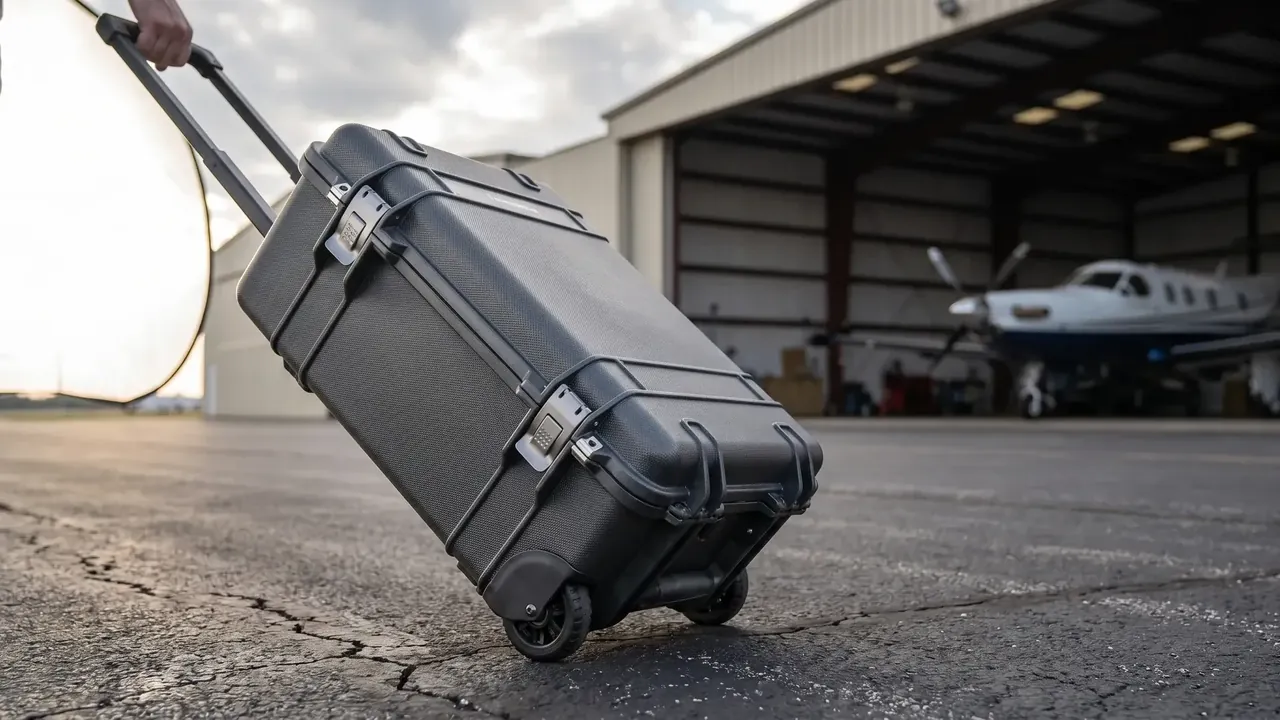
| Detail | Ordinary plastic box | Cartridge safety case | Function served |
|---|---|---|---|
| Lock structure | Snap tabs, dust/drop-out only | Two-point locking + lock loops/combo | Controlled opening |
| State indication | None | Seal point / one-time indicator | Opening evidence |
| Insert | Flat pad or none | Slots cut to contents | Counting + impact protection |
| Sealing | Lid lip contact | Grooved gasket | Moisture/dust control |
| Marking | None or stickers | Numbering field + label slot | Asset management |
| Life design | Counted in uses | Counted in years, replaceable hardware | Holding cost |
The comparison is not "present or absent" but structural grade: both "lock," yet a snap tab holds by plastic deformation while a lock point holds elastically and accepts a padlock; both "close," yet lip contact relies on material spring while a grooved gasket relies on geometry. The grades look identical in daily use and diverge under transport, stacking and time.
2. Why these details are worth paying for
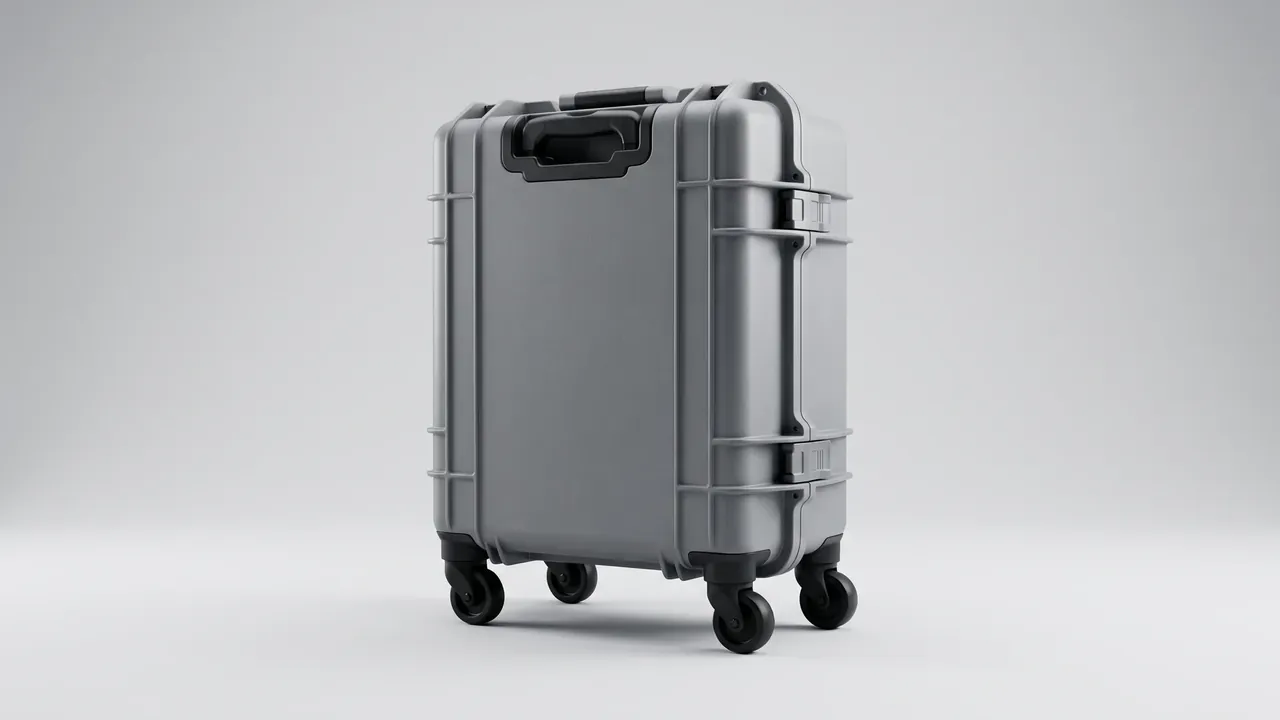
What each detail actually buys:
- Lock structure buys "control over opening rights" — who, when, how many times;
- State indication buys "evidence" — the precondition of management and accountability;
- Insert positioning buys "counting efficiency" — count at opening, spot a missing item instantly;
- Grooved sealing buys "state stability" — controlled humidity makes stored state predictable;
- Numbering system buys "traceability" — a physical carrier for the case-item-person mapping;
- Life design buys "holding cost" — replaceable hardware serves ten years; integrated designs die whole.
Translated into management language, the six details are: control, evidence, efficiency, stability, traceability, cost — that is what the premium consists of.
3. Can an ordinary box be retrofitted?
Partially, with a hard ceiling:
| Retrofit | Feasible? | Note |
|---|---|---|
| Add padlock (existing loops or external) | Yes | Most common retrofit; modest gain, low cost |
| Add tamper seals | Yes | Zero modification; basic evidence |
| Add numbering stickers | Yes | Step one toward a ledger |
| Add a gasket strip | Barely | Without a groove the lip cannot compress it; unstable |
| Rebuild inserts | Yes | Add cut foam; positioning near purpose-built |
| Add lock-point structure | No | Plastic walls cannot reliably carry lock loads |
Conclusion: management-and-evidence retrofits (seals, numbers, ledgers) have excellent value; structural retrofits (lock points, sealing) essentially do not — they require mold-level design, and glued-on parts cannot take real loads. Retrofitting suits low-budget, low-risk scenarios as a transition.
4. When an ordinary box is perfectly fine
Not every scenario needs a safety case. The ordinary box suffices when:
- Contents are low-value with light loss consequences; the standard is "not lost";
- The storage environment has access control and monitoring; the case carries no security duty;
- Usage is infrequent with simple handovers;
- The project is short-term with no long holding needs.
Conversely, if permission management, accountability, or long-term holding is required — any one of the three — use a safety case: the premium then buys management capability, not material.
5. A five-point inspection at purchase
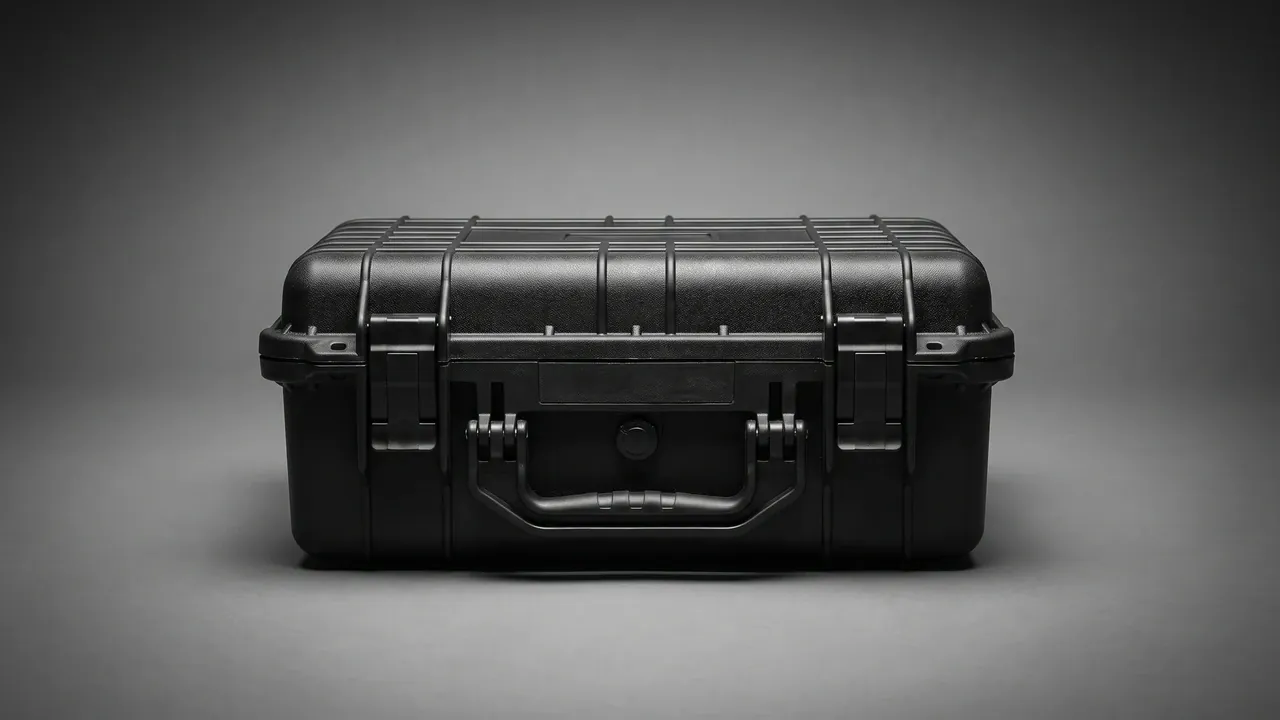
- Open-close: lock points rebound firmly; no sticking;
- Seal: gasket grooved with an even imprint;
- Press the insert: quick rebound; slots match the claimed contents;
- Find the marking field: numbering area/label slot present without spoiling the look;
- Ask about hardware: latches and hinges replaceable separately; spares available.
Passing all five confirms a genuine safety case; any clearly weak point should re-balance the price assessment.
Conclusion
The boundary between a safety case and an ordinary box is drawn by six details: locks, indication, insert, seal, marking, life. They represent not material quality but six management capabilities — control, evidence, efficiency, stability, traceability, cost. When the scenario needs none of them, the ordinary box is the smarter buy; when it needs them, these six details are the acceptance checklist, item by item.
This article compares container details only. It does not cover anything about the handling of items placed inside.
Related Reading
- What Is a Cartridge Safety Case: Structure and Safety Design Logic
- Protective Case Maintenance: Service Life Extension and Se… (category page)
- cartridge-transport-box-standards
Related Products
- 8 Series — Gun Cases; Military Equipment Cases; Camera Equipment Cases; Drone Cases; Watch Cases; Knife Cases; First Aid Cases; Electronics Equipment Cases
- WL8-2812 PP Gun Case — model WL8-2812
- All protective cases and toolboxes: 7 series, 158 models