

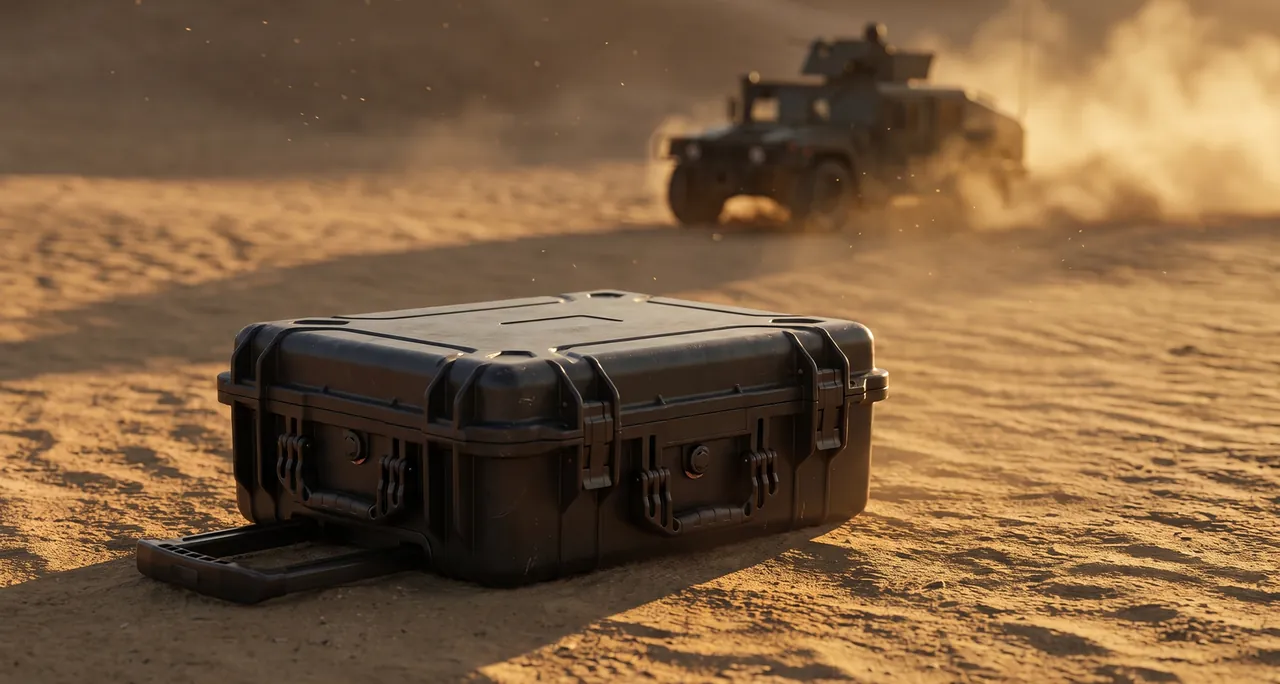
Quick answer: Packaging requirements derive from transport conditions themselves. Work backward through four legs: handling demands drop and impact resistance, in-transit demands vibration and stacking performance, climate demands waterproofing, moisture control and thermal tolerance, and control demands the marks, seals and documents the carrier and regulators expect. What a specific shipment needs depends on the mode (road/sea/air) and the goods classification — size the container to the harshest leg. This article covers the container side only.
Table of contents
- Method: derive requirements from the transport chain
- Handling: drops and impact
- In transit: vibration and stacking
- Climate: water, humidity and temperature swings
- Control: marks, seals and documents
- FAQ
1. Method: derive requirements from the transport chain
Packaging requirements are not a generic checklist — they are a mirror of the chain. List every leg from origin to destination; the question each leg asks the container is that leg's requirement:
| Leg | The leg's question | Requirement direction |
|---|---|---|
| Handling | Will it be dropped or thrown? | Drop grade, impact resistance, corner strength |
| In transit | Will it vibrate or be stacked? | Vibration tolerance, stacking strength |
| Climate | Will it get wet or thermally cycled? | Sealing, drainage, temperature range |
| Control | Is it compliant and checkable? | Marks, seals, accompanying documents |
The value of the method is auditability: every requirement maps to a real leg — you neither pay for conditions that do not exist nor miss ones that do.
2. Handling: drops and impact
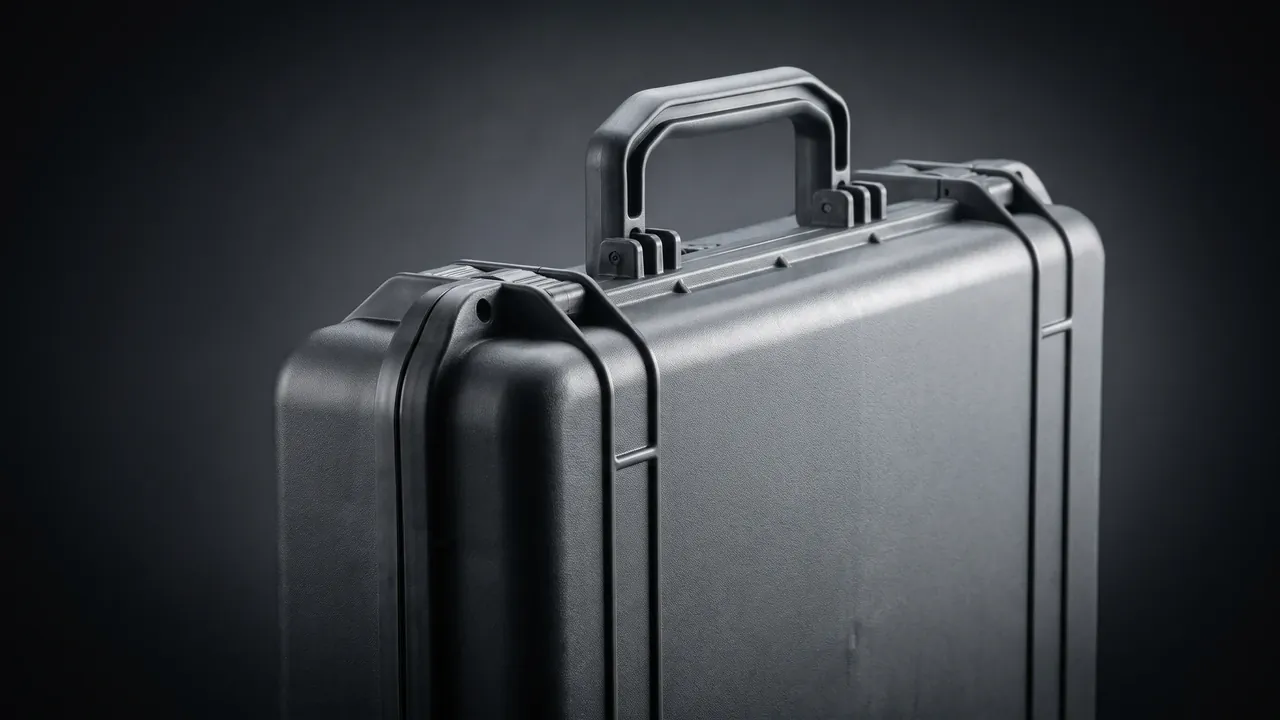
Handling is the highest drop-probability leg, especially with manual labor. The core metric is the drop-test grade. When buying, confirm:
- Whether the test height covers your actual handling style (manual handling heights typically exceed mechanical);
- Whether edge and corner drops are included (real drops are rarely flat-on-face);
- The acceptance criteria: not merely "not broken," but "sealing still effective and locking still functional."
Another impact source is tossing and rolling — absorbed by shell toughness plus insert cushioning together; thicker walls alone do not solve it.
3. In transit: vibration and stacking
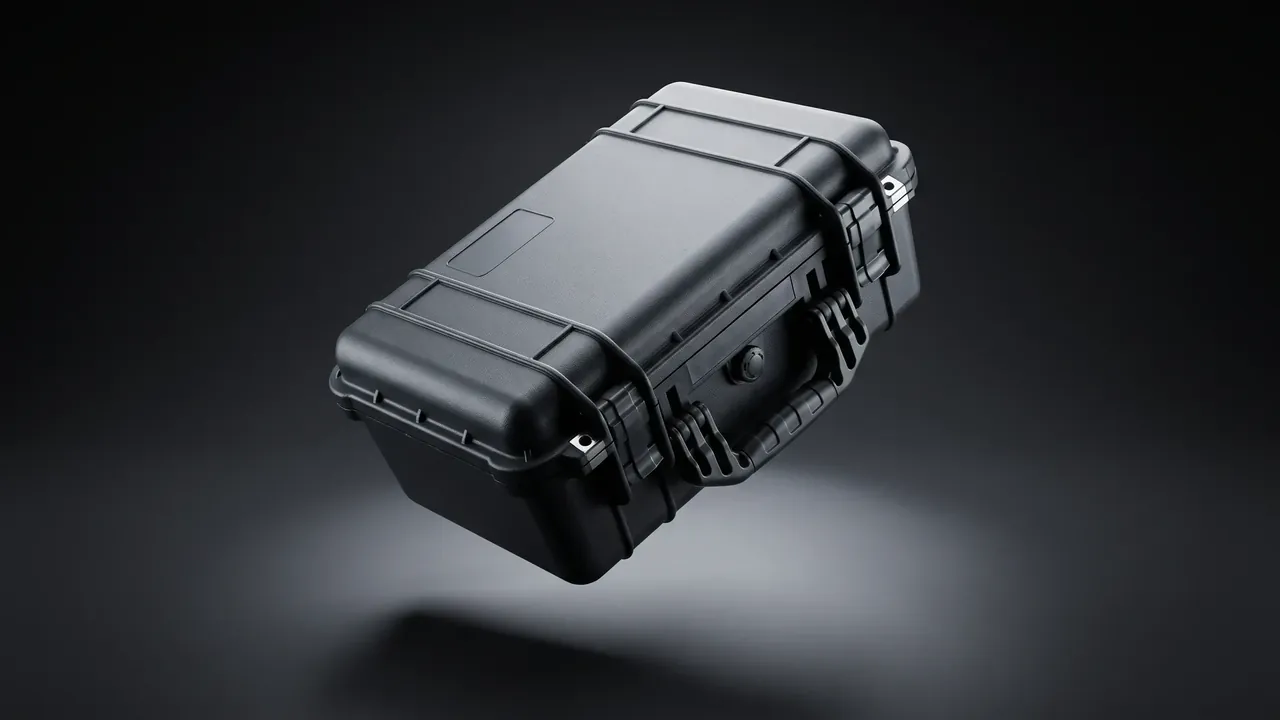
Two chronic stresses on the road:
- Vibration: road transport broadband vibration keeps loose inserts and contents micro-shifting — long-duration fatigue. Container answers: positioning inserts (no free play) and vibration-proof latches (no self-opening);
- Stacking: transit staging often stacks higher than expected; size the static load to the worst stack in the chain and verify stack orientation and load zones.
A practical note on mixed loads: your case may sit under other goods, or on top of them — check external strength and top-load capacity under a mixed-load assumption, not just identical-case stacking.
4. Climate: water, humidity and temperature swings
- Liquid water: open-air staging and rain demand sealing plus drainage; pick the IP grade for the worst leg, not the average;
- Humidity: container-ship day–night condensation ("container rain") is a classic problem; sealed cases with desiccant are the common practice;
- Thermal swings: cold brittleness and heat softening both affect the shell; confirm the material range for cross-climate routes.
The common thread: climate requirements test the persistence of the sealed state — good sealing at departure does not guarantee good sealing at arrival; long routes should plan desiccant margin and gasket life into the load plan.
5. Control: marks, seals and documents
Carriers and regulators set these; the container side prepares three items:
- Packaging marks: applied per the mode and classification, consistent with performance files (mark anatomy covered in a companion article);
- Sealing and identification: numbering, security seals or lead seals, making in-transit openings traceable and inspection-friendly;
- Accompanying documents: performance test files or declarations available on demand for checks and receiving acceptance.
Practical advice: send the mark and document list to the carrier for pre-check before booking — five minutes of communication prevents the expensive rework of rejection at loading.
Conclusion
The right way to read transport packaging requirements is to split the chain into handling, transit, climate and control, ask each leg's question, and land the answer in container parameters: drop grade, vibration tolerance, stacking load, sealing and drainage, marks and seals. Size the container to the harshest leg, and pre-check documents with the carrier — with those two habits, transport packaging risk stays essentially controllable.
This article covers container-side transport packaging only. It does not cover anything about the handling of items placed inside; applicable standards and regulations follow their current versions.
Related Reading
- Cartridge Transport Box: Capacity Calculation and Loading Efficiency
- Artillery Shell Box: Dangerous-Goods Packaging Standards and Marking
- Specialized Shipping and Storage Container: The Custom Route
Related Products
- 8 Series — Gun Cases; Military Equipment Cases; Camera Equipment Cases; Drone Cases; Watch Cases; Knife Cases; First Aid Cases; Electronics Equipment Cases
- WL8-2812 PP Gun Case — model WL8-2812
- All protective cases and toolboxes: 7 series, 158 models