

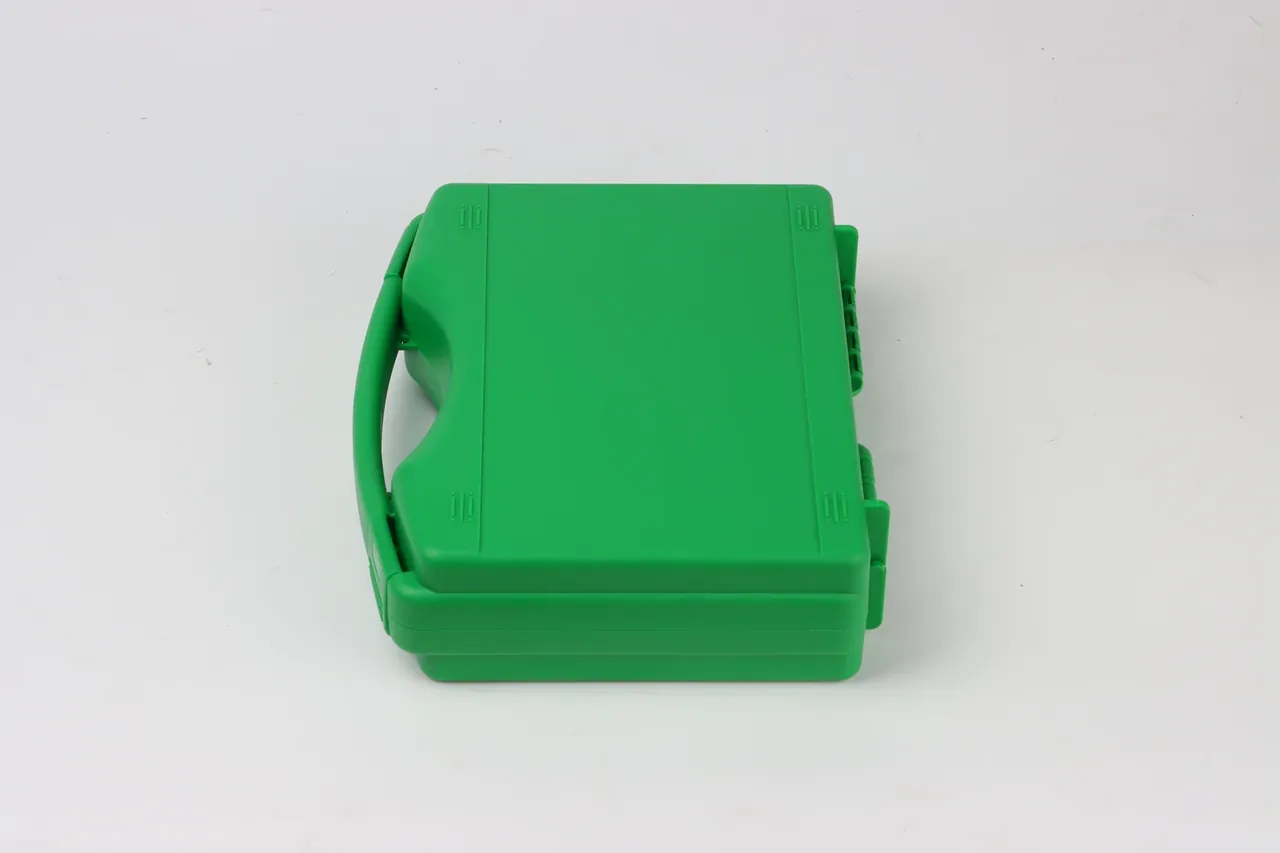
Quick answer: A 46 kg load dropped from 300 mm is the clause most export orders quote, and all four Case Export Packaging routes pass it. The split sits at 30 kg per unit, 1.2 m³ of envelope, 28 days at sea and a batch of 5.
Table of contents
- Four Routes and the Numbers That Split Them
- Cartons: the Default for Light Loads
- Plywood Crates: Heavy Loads, Heavy Tare
- Palletised Loads and Returnable Cases
- FAQ
1. Four Routes and the Numbers That Split Them
A case at 46 kg is dropped 10 times from 300 mm, once on a corner, three times on edges, six times flat, with no crack and latches shut. Cartons, crates, pallets and returnable shells all clear that bar, yet Case Export Packaging runs from USD 2 to USD 54.
What separates the four Case Export Packaging routes is weight and envelope, not paper grade. Below 30 kg per unit and inside 620 × 460 × 320 mm, a carton is enough. Past 30 kg the bottom flaps bow at the overlap. At 1.2 m³ the blank exceeds a 1600 mm paper width, so two sheets are joined, and the joint becomes the weak line.
Voyage and batch decide the rest. Across 28 days at sea at 85% humidity, board loses about 40% of its edge crush. Below 5 units, crate tooling cannot pay back.
| Route | Unit weight | Cost per unit | Tare | Lead time | Avoid when |
|---|---|---|---|---|---|
| Carton | under 30 kg | USD 2 | 1.8 kg | 3 days | over 30 kg, 4-high |
| Plywood crate | 30 to 300 kg | USD 13.5 | 21 kg | 7 days | air freight, small batches |
| Palletised load | 800 kg per pallet | USD 5.3 | 22 kg | 5 days | LCL breakdown |
| Returnable shell | up to 46 kg | USD 1.8 | 6.4 kg | from stock | one-way orders |
2. Cartons: the Default for Light Loads
A 620 × 460 × 320 mm case sits in a 640 × 480 × 340 mm carton with 10 mm clearance per side. Five-ply AB board at 7 mm, 800 gsm liner and 7.2 kN/m edge crush holds three high for 24 hours with 4 mm of deflection.
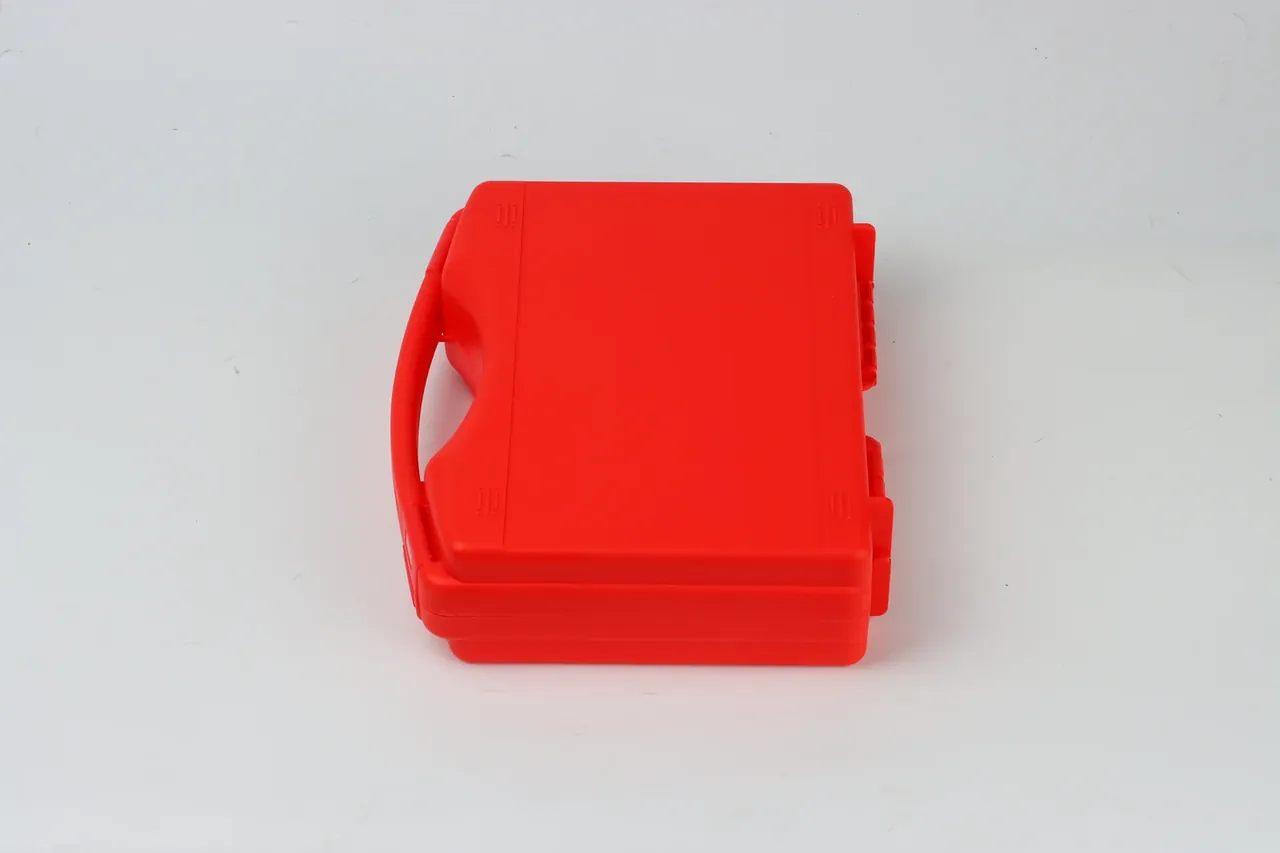
Two numbers argue against board: stacking 4 high over 30 kg leaves 12% edge crush margin, and a voyage past 28 days costs another 25%.
3. Plywood Crates: Heavy Loads, Heavy Tare
A crate of 12 mm plywood with a four-sided frame weighs 21 kg empty, costs USD 13.5, ships in 7 days, starts at 5 units. Its strength is compression: 800 kg on the lid for 24 hours leaves it square.
The Case Export Packaging quarantine rule is misquoted. Plywood is a processed panel, so ISPM 15 heat treatment does not apply. Solid timber needs 56 °C for 30 minutes plus a mark, adding 5 days and 35% to cost.
Air freight is where crates lose: 21 kg of tare at 6000 cm³ per kg.
4. Palletised Loads and Returnable Cases
A full container is built on 1200 × 800 mm pallets, 8 units each, 24 pallets in one tier, 192 units total. Pallets price Case Export Packaging by the pallet: USD 5.3 with corner boards, film and two straps.
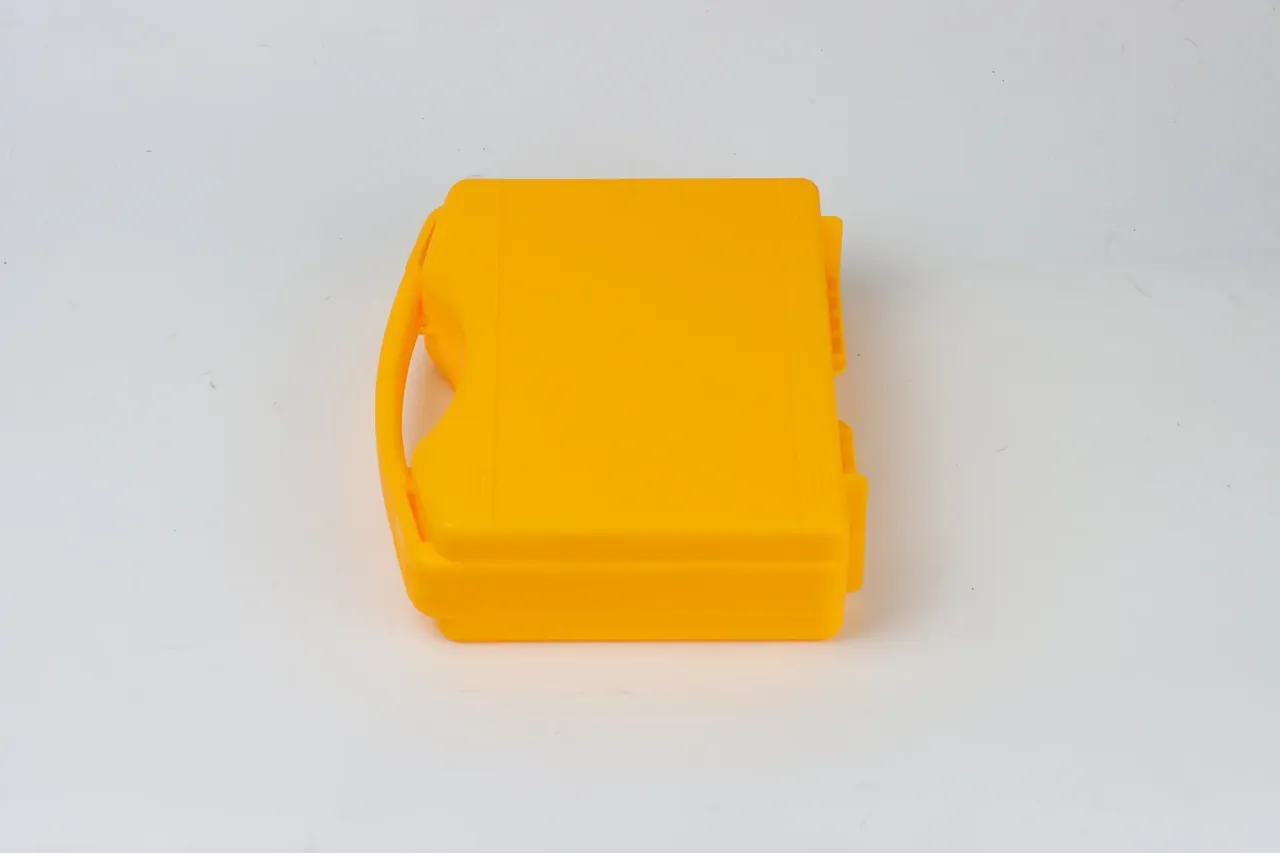
LCL runs another ledger: USD 6.3 to break a pallet, timber at 22 kg, so 8 units land 18% dearer.
A returnable shell costs USD 54, is rated for 30 trips and amortises to USD 1.8. The return leg eats 8% of outbound freight and pays only with backhaul. Under 8 trips, or with no return lane, it loses money.
| Shipment | Route | Cost per unit | Main risk |
|---|---|---|---|
| 192 units, full container | palletised | USD 1.2 | off-centre load, broken deck |
| 8 units, LCL | loose with corners | USD 2.7 | double handling, breakdown fee |
| 2 units, air | carton in timber frame | USD 30 | chargeable weight, frame tare |
| 3-year loop | returnable shell | USD 1.8 | empty backhaul, cleaning |
Conclusion
The four routes divide on four numbers, not on material quality: 30 kg per unit, 1.2 m³ of envelope, 28 days at sea, a batch of 5. A wrong route still ships; it just charges Case Export Packaging twice.
This article discusses only the container (case body) side of specifications and design intent, and does not cover any handling, loading or use of the contents.
Related Reading
- How the three packaging layers stack up
- Inspection differences between export industries
- Shell material trade-offs in strength and weight
- Cavity layout and tie-down for road transport
Related Products
- 8 Series — Gun Cases; Military Equipment Cases; Camera Equipment Cases; Drone Cases; Watch Cases; Knife Cases; First Aid Cases; Electronics Equipment Cases
- WL8-2812 PP Gun Case — model WL8-2812
- All protective cases and toolboxes: 7 series, 158 models