

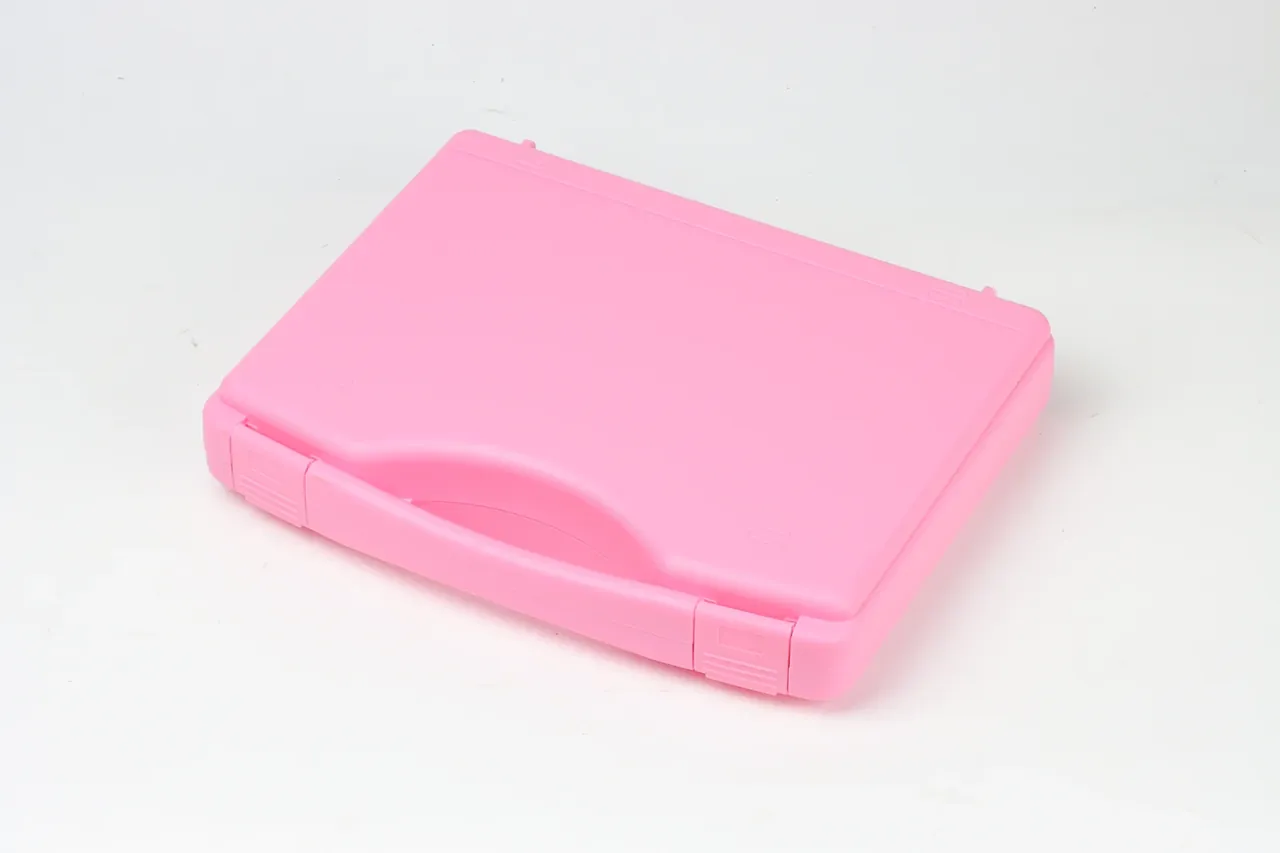
Quick answer: Judge a Case Gasket by what you measure after removal, not by its age: a lip still 25 percent set after 24 hours at 70 °C, or a rebound slower than 3 seconds, is finished, while a strip still seating at 25 to 35 percent compression stays.
Table of contents
- A Case Gasket Is Judged by Compression Set
- Measure Three Numbers Before You Decide
- What the Compression Set Bench Holds
- Four Moves to Fit a New Case Gasket
- Re-Test, and When the Body Goes Too
- FAQ
1. A Case Gasket Is Judged by Compression Set
A 4.0 mm double-lip Case Gasket at 30 percent compression passes five years if the lip still springs back. The same batch in a 45 °C storehouse, latched at 40 percent, flattens into a ribbon in eight months. The drawing asks for 25 to 35 percent at 50 to 60 Shore A, and those numbers set the life, not the purchase date.
Age fails because three things move at once: storage temperature, compression history and UV dose. Set climbs exponentially with heat, so 1 year at 35 °C is worth about two and a half at 23 °C.
Cycles matter less. After 2000 openings the lip has worn 0.1 mm and compression has fallen two points.
The useful question is not how old the Case Gasket is. It is how much rebound is left.
2. Measure Three Numbers Before You Decide
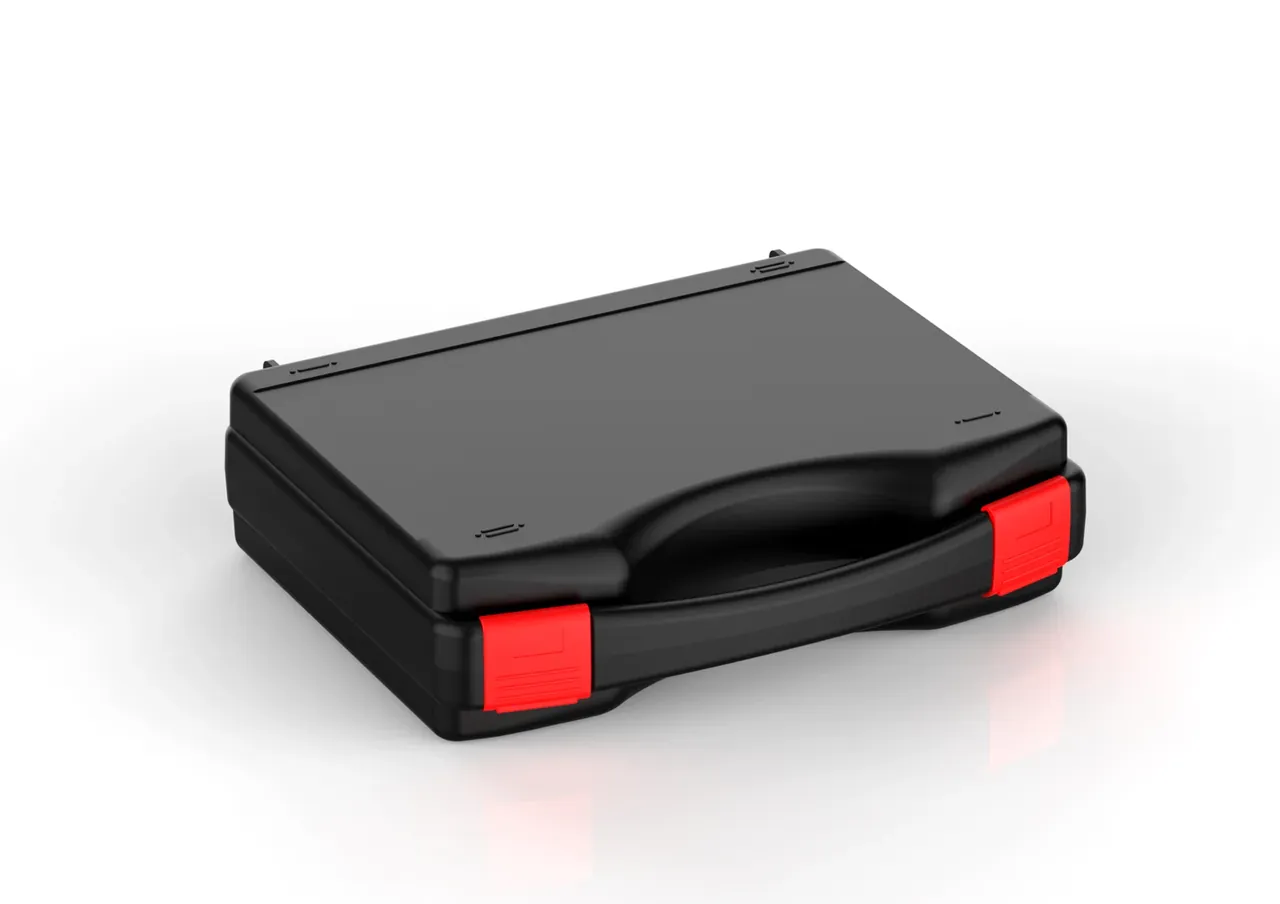
Tape masking paper along the rim before pulling the gasket. Measure the section at three points with a caliper reading 0.02 mm: 50 mm from the joint, mid-side, and 50 mm from the far end. A spread above 0.15 mm means the Case Gasket has stretched or partly collapsed.
| Section | Groove | Compression | Usual failure |
|---|---|---|---|
| Solid O-ring, 3.5 mm | 2.6 mm | 26 percent | Cord flattens, rebound past 5 s |
| Double lip, 4.0 mm | 2.9 mm | 28 percent | One lip rolls out, grit in groove |
| Hollow D, 5.0 mm | 3.6 mm | 28 percent | Uneven wall, one side collapses |
For set, lay the cord on glass and measure the flattened face. Past 0.2 mm it goes on record, and one lost lip means half the sealing width has gone.
For rebound, compress to 50 percent, hold 10 seconds, release, and require 90 percent of the thickness back within 3 seconds.
One number over the line retires the whole length.
3. What the Compression Set Bench Holds
Under ASTM D395 method B or GB/T 7759.1 the sample sits at 70 °C for 24 hours, rests 30 minutes, and passes at 25 percent set or less. Suppliers often quote 22 hours, which reads two points better; the two durations cannot be mixed.
Check four columns in the report: original thickness, spacer, temperature and recovery time. Without the recovery time the set is calculated high and the sheet passes.
Hardness is the second line. New cord at 50 to 60 Shore A may rise 5 points, and past 65 it stops conforming. One case went from 45 N of closing force to 70 N, and that force lands on the latch keepers rather than the gasket. Measure both numbers. Record both at each service. Three points of hardness against 20 N more force points at the hinge.
| Item | Pass line | Failure signal |
|---|---|---|
| Compression set | 25 percent or less, 70 °C for 24 h | Visible flat after 30 min rest |
| Hardness change | 5 Shore A or less | Feels stiff, rebound lags |
| Lip set | 0.2 mm or less | Bright band in raking light |
| Rebound | 3 seconds or less | Still deformed at 5 seconds |
The two cover for each other. Passing set with 8 points more hardness means a brittle cord that cracks first in the cold.
4. Four Moves to Fit a New Case Gasket
Cleaning the groove is the hard part. Old cord leaves a bead and grit, so scrape with a bamboo stick, wipe twice with 70 percent isopropanol, wait 5 minutes, then seat the new length.
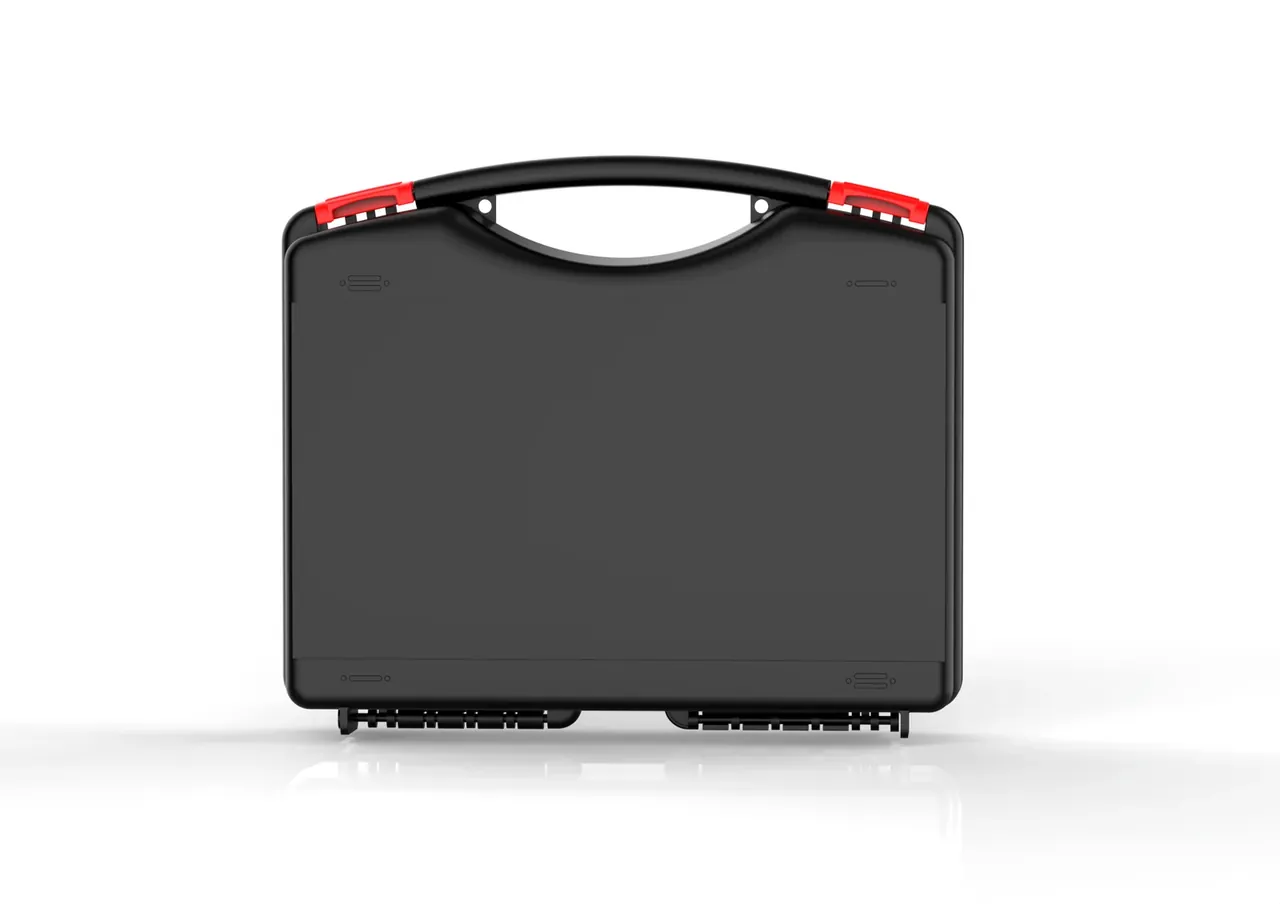
Start at the corner furthest from the joint, press 100 mm at a time, keep stretch under 5 percent, and put the joint opposite the hinge. On a double lip the opening faces into the case.
Close the case and leave it 24 hours so the new Case Gasket relaxes. Latches stay shut, because that is what sets the compression; a soft hiss next day means it has seated.
Do not grease it. Silicone swells the surface and shifts the ratio.
5. Re-Test, and When the Body Goes Too
Charge to 20 kPa, hold 60 seconds, accept 2 kPa or less. Or immerse at 1 m for 30 minutes and read the groove for a water line. A Case Gasket that passes both has been fitted correctly.
| Situation | Action | Test |
|---|---|---|
| Lip set 0.2 mm or less | Keep it | Re-measure every 6 months |
| Set 25 to 30 percent | New gasket | Drop 2 kPa or less |
| Flatness off by 0.5 mm | New case | 0.5 mm feeler enters |
| Crack through the rim | New case | Water line after 30 min |
Groove flatness divides a gasket job from a case. Stand a steel rule on edge and try a 0.5 mm feeler; if it enters anywhere, a new cord presses unevenly and one section never seats.
Past 0.5 mm a gasket only buys time.
Two signals point at the body: a crack over 10 mm where the rim meets the wall, and a latch keeper gone white with the lid gap still above 0.6 mm.
Conclusion
The replacement point for a Case Gasket is a set of measured numbers, not a date: 25 percent set or less after 70 °C for 24 hours, lip set of 0.2 mm or less, rebound within 3 seconds. Hold all three and the strip stays; miss one and the length goes. Re-test at 20 kPa and accept 2 kPa of drop before blaming the body, and once groove flatness drifts past 0.5 mm the fault is no longer in the gasket.
This article discusses only the container (case body) side of specifications and design intent, and does not cover any handling, loading or use of the contents.
Related Reading
- How far gasket ageing can go before replacement
- Seal face ageing and a widening lid gap
- O-ring and double-lip compounds compared
- Spare parts worth keeping for a case
Related Products
- 8 Series — Gun Cases; Military Equipment Cases; Camera Equipment Cases; Drone Cases; Watch Cases; Knife Cases; First Aid Cases; Electronics Equipment Cases
- WL8-2812 PP Gun Case — model WL8-2812
- All protective cases and toolboxes: 7 series, 158 models