

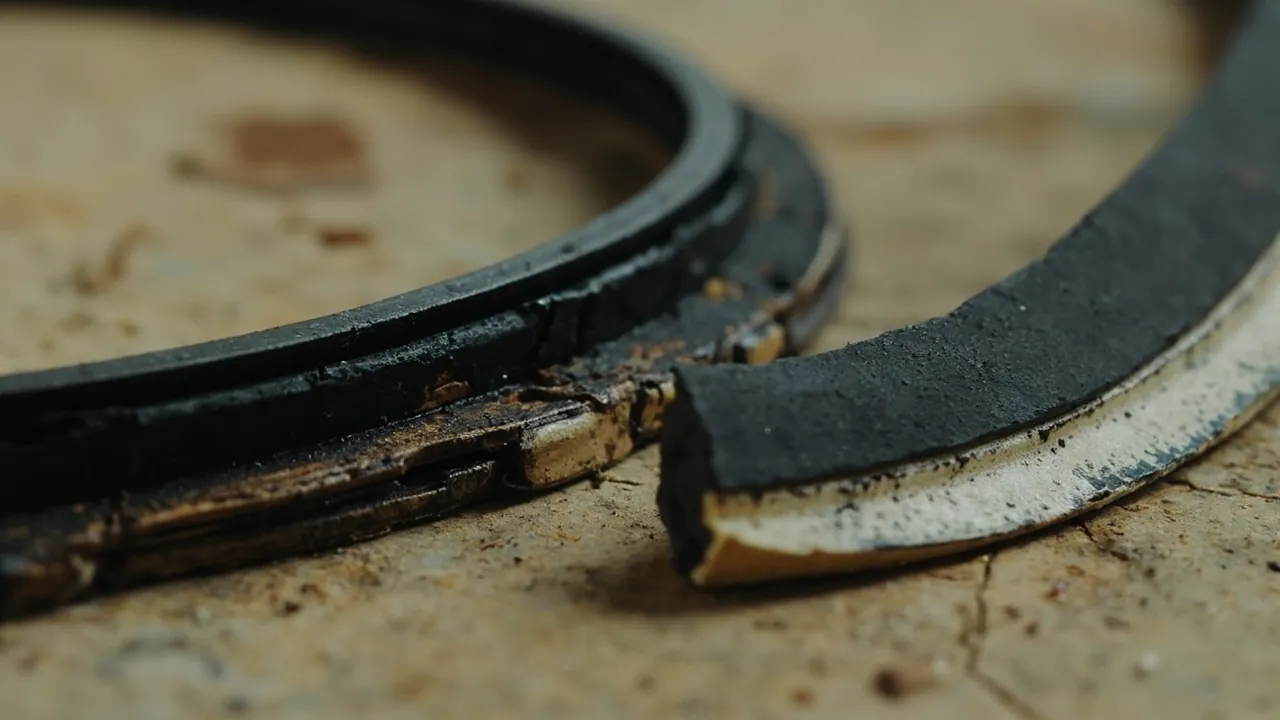
When a protective-case gasket ages, the most obvious signs are hardening, cracking, and loss of elasticity (loss of rebound); after closing it no longer presses evenly, so a case that should be IP67 dust- and water-tight starts letting water and dust in. The response is simple: first self-check the aging degree; slight loss of rebound can be cleaned and maintained to extend life, but cracks or obvious loss of rebound mean replacing the whole gasket with one of the same material and specification. At the same time find the aging cause (ultraviolet, ozone, high temperature, and long-term compression are the four main causes), and prevent it through material selection, storage, and usage habits, so you lengthen the replacement interval. Below, in the order "signs — causes — consequences — self-check — handling — prevention," we explain it clearly to help you manage your protective case's seal life.
Table of Contents
- What Are the Signs of Gasket Aging?
- Why Does It Age: Four Main Causes
- Deeper Mechanism of the Four Aging Causes
- Aging Speed Differs by Material
- What Consequences Does Aging Bring?
- How to Self-Check: A "Time to Replace" List
- A Two-Year Aging Trail of a Survey Case (Case)
- What to Do When It Ages: Clean, Maintain, Replace
- Replacement Interval and Steps
- Field Emergency When No New Gasket
- Still Leaking After Replacement? Gasket vs Latch vs Groove
- Post-Replacement Seal Acceptance Checklist
- How to Prevent Aging by Material and Habit
- Verifying Seal and IP Rating in Practice
- Maintenance Interval Table by Environment
- Common Misoperations That Accelerate Aging
- Pre-Task Seal Check List
- Frequently Asked Questions (FAQ)
- Conclusion and Further Reading
What Are the Signs of Gasket Aging?
Rubber and elastomers are materials that age, and aging usually starts with visible changes. Typical signs come in six types:
- Hardening: a originally soft, elastic ring feels hard and loses the rubber touch — a signal of molecular-chain cross-linking or breakage.
- Cracking/crazing: fine lines or a network of cracks on the surface; in severe cases whole sections crumble or break — the most direct scrap signal.
- Loss of rebound (loss of elasticity): take the ring from the groove and it cannot recover its original cross-section shape; or after closing, it springs open with slight release, meaning rebound is insufficient.
- Stickiness/powdering: surface becomes sticky (plasticizer bleed-out) or wipes off white powder (filler bleed, surface powdering) — both aging signs.
- Deformation/flattened no rebound: the long-pressed section is permanently flat, the cross-section collapses, and the whole-ring compression is no longer even.
- Out of groove/joint open: the gasket slips from the groove, or the joined ring opens at the joint, forming a direct leak point.
These signs often do not appear together but start from one section or one face, so self-check should run a finger along the whole ring section by section, not look at one spot. If any of "crack, obvious loss of rebound, out of groove, joint open" appears, it is basically time to replace; if only slightly hard with no crack, first clean and maintain and watch closely.
Why Does It Age: Four Main Causes
Gasket aging does not happen for no reason; in protective-case scenarios there are four main drivers: among them ultraviolet and high temperature most affect cases long outdoors or baked in a car, long-term compression most affects cases stored closed long-term, and ozone is more common in industrial areas and poorly ventilated enclosed spaces. Clarify "which one mostly tortures your case" to spend prevention where it counts.
| Aging cause | Mechanism | Typical scenario | Acceleration factors |
|---|---|---|---|
| --- | --- | --- | --- |
| Ultraviolet (UV) | Light breaks molecular chains, surface powdering and crazing | Long outdoor sun, field survey | Strong sun, high-altitude strong UV |
| Ozone (O₃) | Attacks double bonds, surface cracks | Industrial areas, near motors/electrics | Poor ventilation, high ozone |
| High temperature | Accelerates heat-oxygen aging, plasticizer volatilizes | Car bake, near heat source | High temp + sun combined |
| Long-term compression | Compression set accumulates, rebound drops | Stored closed long-term, continuously pressed | Large compression, high material compression set |
Key reminder: these four causes often stack. For example a case left in a car trunk in summer (high temp + sun UV) while also stored closed long-term (long compression) ages several times faster. So judge "why it aged" by your use and storage environment, not just "poor quality." On the weather, temperature, and compression-set differences of materials, see the protective-case seal-material selection content. Put another way: since aging is "environment acting on material," managing the environment (less sun, lower temp, periodically release compression) and choosing the right material (weather-resistant EPDM, etc.) are two parallel slowdown paths, neither dispensable.
Deeper Mechanism of the Four Aging Causes
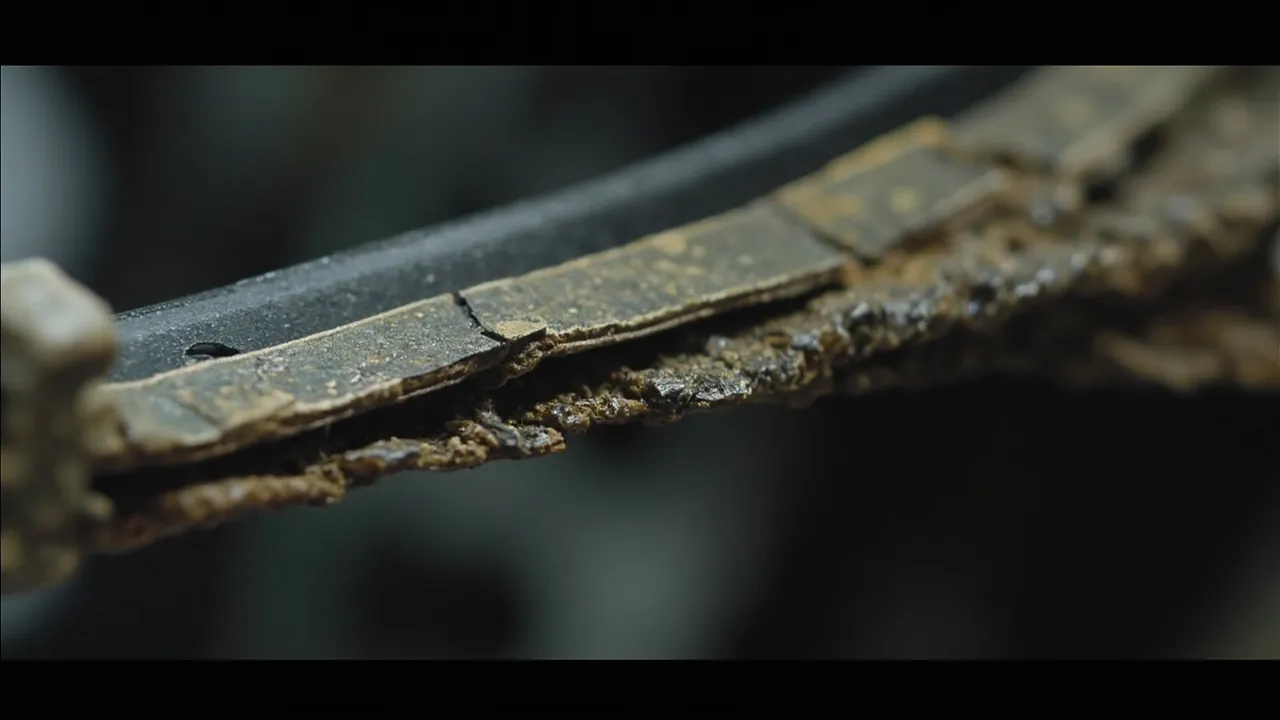
The four main causes listed above, understanding their mechanism lets you prevent specifically:
- UV damage: medium- and short-wave ultraviolet in sunlight has enough energy to break rubber molecular chains and trigger photo-oxidation; the surface first powders then crazes, and damage progresses from the "sun-facing face" inward. The higher the altitude and the lower the latitude, the stronger the UV and the faster the aging. So the sun-facing face and corners (stress concentration) usually fail first.
- Ozone attack: ozone attacks the double bonds in the rubber molecular chain, producing the characteristic "crack network" (ozone cracking), especially where the material is under tensile or compressive stress. Industrial areas, near motors/electrics, and poorly ventilated enclosed spaces have higher ozone, a hidden accelerator.
- High-temp heat-oxygen aging: rising temperature exponentially accelerates oxidation and drives plasticizer volatilization and filler bleed, showing as hardening, brittleness, surface stickiness. A car interior after summer baking can reach very high temperature — an "aging accelerator" for the gasket.
- Long-term compression permanent set: a gasket under long compression gradually relaxes its internal elastic network, showing as accumulated compression set and dropping rebound. The larger the compression rate, the longer the time, the higher the temperature, the worse the collapse. This is why "stored closed long-term" quietly weakens the seal.
Map these four to usage actions: less sun, avoid ozone environments, do not store long at high temp, periodically open to release compression stress — each directly fights one aging mechanism.
Aging Speed Differs by Material
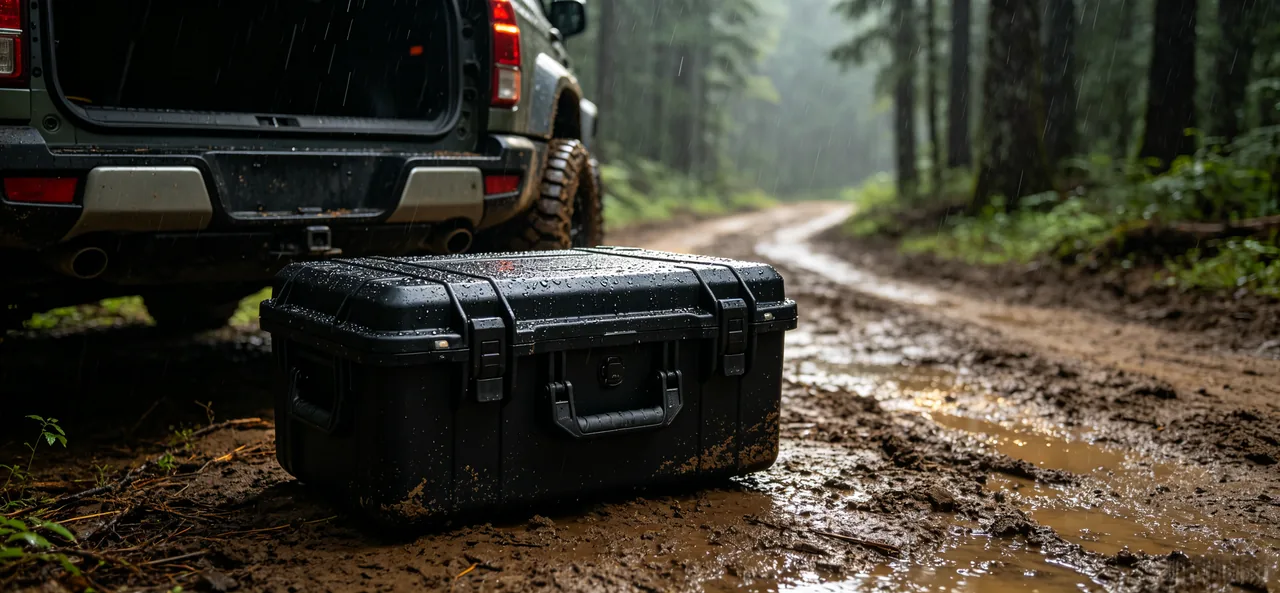
How fast aging goes, material is the decisive variable. Same three years outdoors, different materials may end completely differently:
- EPDM: saturated main chain, no double bonds, extremely resistant to UV and ozone, the outdoor long-life representative; three years of sun often only slightly powders the surface yet still seals.
- CR (neoprene): weather and ozone resistance acceptable but below EPDM; under long strong sun it ages faster.
- TPE: depends on formula; quality TPE can meet several years outdoors, but overall weather margin is usually below EPDM.
- Silicone: good temperature and weather resistance, but average tear strength, mechanical damage may precede chemical aging.
- PVC-type elastomer: weather and rebound are inherently weak, long outdoor easily hardens and cracks, unsuitable as a high-quality long-term main seal.
This explains why "same black ring, life differs several times" — material selection is the first gate of aging. Choosing right at the material stage is easier than replacing diligently after aging.
What Consequences Does Aging Bring?
Once the gasket ages and fails, the protective case's "protection" collapses from the root:
- Water in: loss of rebound or cracking opens gaps in the whole-ring seal; rain, wading, or after falling in, water enters with air convection, shorting and rusting interior instruments.
- Dust in: sand enters through the false seal, wearing precision parts, leaving spots on lenses and sensors, causing jamming.
- Pressure-loss hazard: if the case has a pressure-balancing valve, gasket failure voids the valve's pressure-balance function, and extreme pressure difference may still flip the lid.
- Chain loss: after water and dust, interior metal rusts and electronics fail — the loss is often far greater than one gasket.
So the gasket is the typical "small part decides big protection" — its failure cost far exceeds the periodic replacement cost.
How to Self-Check: A "Time to Replace" List
Spend one minute before each use checking the gasket against this list:
| Check item | Normal | Abnormal (replace) |
|---|---|---|
| --- | --- | --- |
| Feel | Soft, elastic | Hard, brittle |
| Surface | Intact, smooth | Cracks, crazing, crumbling |
| Rebound | Recovers shape when removed | Permanent deformation, collapse |
| Surface state | No powder, no stickiness | Powdering, sticky |
| Whole-ring continuous | No break, no out of groove | Out of groove, joint open |
| Closing | Even compression, no abnormal sound | Local gap, easily springs open |
Rule: any abnormal item suggests replacement; if only slightly hard with no crack, clean and observe short-term but raise check frequency. For cases long deployed outdoors or holding high-value instruments, put the gasket in a periodic maintenance log rather than waiting for leakage.
A Two-Year Aging Trail of a Survey Case (Case)
String the above with a realistic example: a field water-sampling case, IP67, originally with an EPDM gasket, in year one used at low-to-mid-altitude riverbanks and mountains, stored indoors after each use; the year-one self-check showed only slight surface powdering, still sealing well. In year two it was moved to a long-term field station, baked closed in sun year-round, and left unopened for convenience; by year-end the case showed: the mid-lid section (most sun-facing) gasket color lightened, feel slightly hard, one corner showed a fine line, and that section had slight gap after closing. Handling: replaced the whole ring with same-spec EPDM, and changed to "open to ventilate every two weeks + store shaded"; year three showed no re-accelerated aging. This case shows three points: first, even EPDM, storage and usage habit greatly affect life; second, aging often starts from the sun-facing face and corners, so self-check those spots; third, early discovery and timely replacement limit loss to one ring. It also suggests batch management: if many same-batch cases share an environment, check synchronously and replace in batch, not one by one until failure — saving labor and avoiding missed checks.
What to Do When It Ages: Clean, Maintain, Replace
By aging degree, handle in three tiers; the core principle is "judge severity first, then decide maintenance or replacement" — do not throw away the whole set at first hardening (slight can be maintained), nor trust it until leakage just because no crack (medium already hides hazard). The three tiers' boundaries are essentially the "abnormal level" mapping of the self-check list above.
Tier 1 · Slight (only dirt, slight hardening no crack): clean and maintain.
- Wipe the gasket and groove with a clean soft cloth, clearing sand and thread.
- If needed, thinly apply silicone grease (compatible with the material) to slow aging and restore surface sheen; use grease compatible with the material to avoid swelling some rubbers.
- Open to ventilate, avoid long stuffy compression.
Tier 2 · Medium (hardened but not cracked, rebound dropped): near replacement, strengthen monitoring.
- Still usable short-term, but prepare the same-spec gasket and shorten the self-check cycle (e.g., monthly).
- Avoid this case carrying high-value/high-risk transport.
Tier 3 · Severe (crack, obvious loss of rebound, out of groove, joint open): replace the whole ring immediately.
- Must replace with same material, same cross-section size, same Shore hardness, to match the groove.
- Join the joint with a process compatible with the base material for a reliable whole ring, eliminating local leak points.
- If the groove is deformed or the latch seat cracked, evaluate the whole case — replacing the ring alone does not solve the root.
Replacement Interval and Steps

Replacement interval (common industry reference; actual by use intensity and environment):
- Long outdoor, strong sun/high temp: inspect and replace as needed every 1–2 years.
- Ordinary transport/indoor-outdoor alternate: inspect and replace every 2–3 years.
- Stored closed long-term, rarely opened: also periodically open to ventilate and evaluate every 2 years during storage.
- Once crack/loss of rebound found: replace immediately regardless of age.
Replacement steps:
- Fully remove the old ring from the groove, clean residual glue and debris from the groove.
- Measure the old ring's cross-section diameter, material hardness, and circumference (or match the maker's model).
- Take a same-material same-spec new ring, reliably bond the joint into a whole ring (or buy a pre-formed ring).
- Embed evenly along the groove, ensuring no twist, no out-of-groove, whole ring continuous with no break.
- Close-check: after latch compression the whole ring should compress evenly, no local gap.
- Do a simple water-proof verification (low-pressure spray or short shallow immersion, test cautiously by rating), confirm no leak before formal use.
KeXin New Materials (Guangdong) Co., Ltd.'s protective-case product line is marketed under the global brand kexinMaterials and domestic product-line brand JUNZHJIA, with one-stop customization (OEM/ODM) capability covering product design, injection molding, mold manufacturing, LOGO printing, and inner tray/liner making; the factory is in Zhongshan City, Guangdong Province (the Guangdong–Hong Kong–Macao Greater Bay Area), about 18,000 m², with more than 80 machines and over 100 staff; the parent company is Foshan Shunde ., Ltd., and , Ltd. holds more than 20 utility-model and design patents. Batch users can have the maker supply same-spec gaskets and grooves, guaranteeing size and material consistency at the source and lowering self-replacement mismatch risk.
Field Emergency When No New Gasket
In the field or in transit, if the gasket fails and no same-spec new ring is at hand, use these temporary means to lower risk — but clearly this is "emergency" not "repair":
- Clean and reset: clear sand and debris, press the out-of-groove ring back into the groove, restore whole-ring continuity, reduce obvious leak points.
- Temporary wrap: for non-immersion scenarios, temporarily reinforce the lid edge with waterproof tape from outside (do not damage the case, remove after).
- Inner-bag isolation: put equipment in a waterproof/zip bag then into the case, using "secondary interior protection" to avoid water in.
- Control exposure: avoid rain, wading, falling in; shorten exposure; return to maker for replacement soon.
- Mark warning: mark "seal failed, no wading" on the case to prevent misuse by others.
After emergency, whether or not it leaked, replace the same-spec ring and verify water-proof on return — do not use long-term while failed.
Still Leaking After Replacement? Gasket vs Latch vs Groove
Sometimes users report "I clearly replaced with a new ring, still water in" — the problem is often not the ring itself but the cooperating parts also aged or deformed:
- Latch compression dropped: spring-latch spring decay, two-piece latch pivot wear, leaving insufficient compression after closing, so even a new ring is not pressed tight. Check latch rebound and seating feel when replacing.
- Groove deformed/fouled: long compression or case impact may slightly deform the groove, blunt the fillet; the new ring will not seat steady, easily twists out; residual glue and sand in the groove also lift the ring and form leak gaps. Before replacing, thoroughly clean the groove and evaluate the case if needed.
- Case warping: a thin-wall or recycled-material case long deformed under latch pull, the lid edge not coplanar, local false seal. This replacing the ring cannot solve — handle the shell too.
- Joint process mismatch: the new ring's joint bond is weaker than the original molded whole ring, opens after transport vibration. For critical scenarios prefer molded jointless or verified joint strength.
In one sentence: the gasket is the "last ring" of the seal system; if the latch, groove, or case ahead ages or deforms, the new ring is wasted. Troubleshoot leakage in order "ring → groove → latch → case," not just stare at the ring.
Post-Replacement Seal Acceptance Checklist
Replacing the new ring is not the end; accept against this checklist to confirm the seal truly recovered:
- Whole ring continuous: along the lid edge visually, the new ring has no break, no out-of-groove, no twist, joint at a non-loaded or reinforced position.
- Seated in place: ring fully drops into the groove, no local bulge or skew.
- Even closing: after latch compression the whole-ring compression is consistent, no section gap, no abnormal sound.
- Controlled verification: by rating do spray or short shallow immersion (not exceeding nominal conditions), open to check no water trace.
- Record filed: record replacement date, ring material/spec, verification result into the next maintenance log.
- Old ring disposed: photograph the old ring (to compare aging stages), recycle or discard by material.
Make this checklist standard after ring replacement to avoid the secondary accident of "thought it was fixed, leaks on next transport."
How to Prevent Aging by Material and Habit
Handling and replacement are "treating the sick"; prevention is "treating before sickness." Do both:
Prevent by material (selection stage):
- Long outdoor: choose UV-resistant EPDM, not low-cost easily aging material.
- Watch the compression-set index, lower is better, deciding rebound life under long compression.
- Extreme temperature range: choose silicone; oil contact: choose CR/NBR. Compare with seal-material references.
Prevent by usage habit:
- Avoid long sun and car-interior high temp; store in a cool, dry place when not in use.
- Do not keep one case continuously pressed long-term; periodically open to ventilate and release compression stress.
- Clear sand before closing to avoid trapped debris wearing the seal and forming leak gaps.
- Regularly wipe with a soft cloth, thinly apply compatible silicone grease if needed.
- Build a gasket replacement log, force checks by environment and cycle.
Verifying Seal and IP Rating in Practice
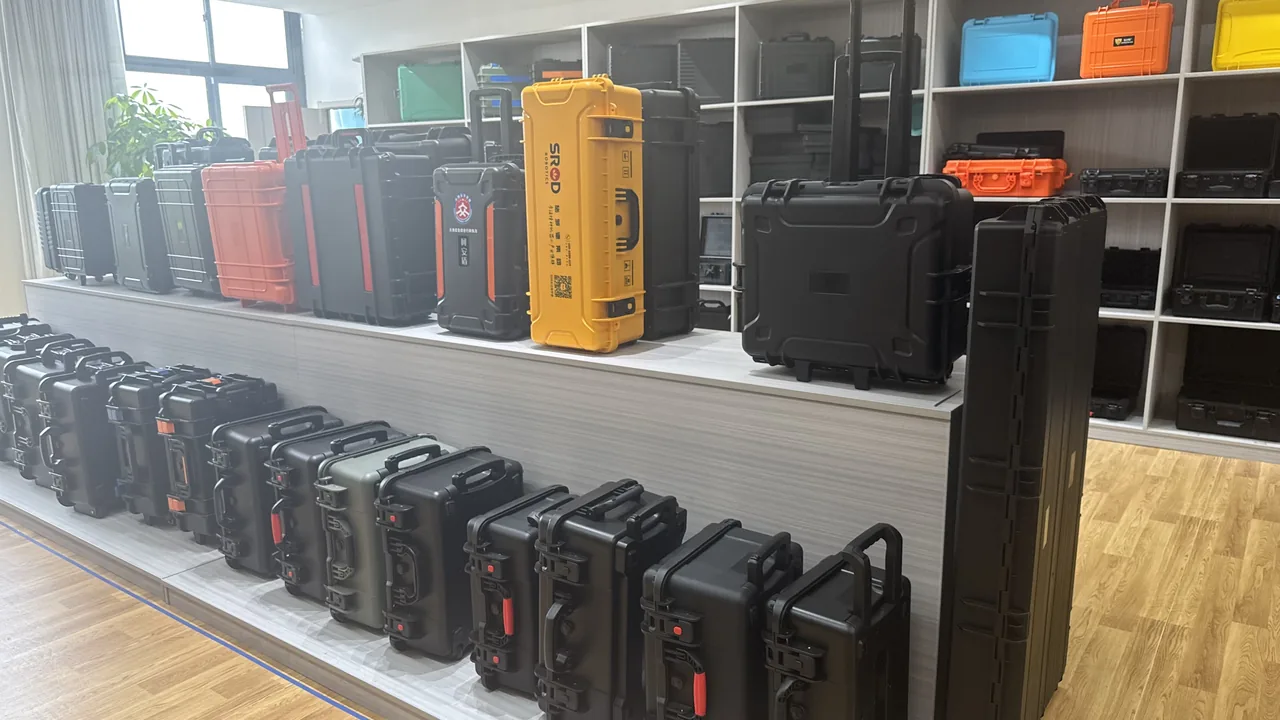
Whether the gasket is still effective cannot rely only on "looks uncracked"; best do controlled verification, pulling the IP rating (per IEC 60529) from paper to reality:
- Visual + feel screen: by the self-check list check feel, surface, rebound, continuity, closing; abnormal means fail.
- Spray/water test: for claimed water-proof cases (e.g., IPX5/IPX6 for water-jet/powerful water-jet), spray the lid edge from all angles with a low-pressure washer or shower for a few minutes, open to check water trace; keep intensity below the nominal rating to avoid artificial damage.
- Short shallow immersion: for IPX7 (about 1 m/30 min), test in controlled shallow water (far shallower than nominal depth, short time), confirm no leak; strictly no over-depth long soak.
- Negative-pressure/smoke hint (professional): use smoke or test paper at the closed seam to see breathing, aiding leak location.
- Record and compare: each verification records environment and method, compare with the initial baseline to catch aging trend earlier.
Emphasis: field verification must be "by rating, controlled"; tests beyond nominal conditions may damage the case and are meaningless. Passing verification only means "current state qualified," not a substitute for periodic replacement.
Maintenance Interval Table by Environment
Quantify "how often to check" into a table for the maintenance plan:
| Use environment | Self-check frequency | Suggested replacement | Key cause |
|---|---|---|---|
| --- | --- | --- | --- |
| Long outdoor/strong sun | Monthly | 1–2 years | UV, high temp |
| Ordinary transport/indoor-outdoor alternate | Quarterly | 2–3 years | Long compression, wear |
| Stored closed long-term | Open-check every 2 months | Evaluate every 2 years | Long compression, stuffy |
| Vehicle/airborne vibration | Monthly | 2 years or by fatigue | Vibration, temp change |
| High humidity/salt-spray coast | Monthly | 1–2 years | Hydrolysis, corrosion chain |
| High-value instrument dedicated | Before each use | 2 years or replace on abnormal | Combined |
The core of this table is not "must replace in N years" but "set frequency by environment, replace on abnormal" — manage the gasket as a consumed part with a life, not installed once and used to the end.
Common Misoperations That Accelerate Aging
Many gaskets die early from human habit; avoid these:
- Stored closed in sun: for convenience not stored, the case bakes closed outdoors on a roof or in sun, UV and high temp double-accelerate.
- Wrong cleaner: strong solvent, gasoline, strong alkali to wipe the gasket will swell or accelerate crazing; use water or neutral cleaner with a soft cloth.
- Force stuff debris for density: to "be more water-proof" stuff paper, cloth in the groove, instead wearing the gasket and breeding corrosion.
- Ignore out-of-groove: notice the ring slightly slipping out and ignore it; in transit it slips more, finally whole section out and leaks.
- Over-rating use: take a nominal IP65 case for deep water soak; the gasket fails under over-limit water pressure, blame "poor quality."
- Mix different-material rings: in emergency grab any ring of different hardness/cross-section, uneven compression instead accelerates original-groove damage.
The common point of these misoperations is treating the gasket as "permanent," while it is essentially a life-limited, maintainable elastic consumable.
Pre-Task Seal Check List
Condense all the above into a "1 minute before departure" check list to avoid most aging-caused mission accidents:
- Look at ring: whole lid edge for cracks, crumbs, out-of-groove, obvious discolor-powder.
- Feel ring: still soft and elastic, no hard brittle.
- Check groove: groove for sand, residual glue; ring fully seated, no twist.
- Test lid: latches engaged one by one, each seated, no local gap or abnormal sound.
- Know age: remember last replacement; replace early if near cycle or harsh environment.
- Spare: long/high-value mission carries a same-spec spare ring and a little silicone grease.
- Secondary protection: when loading high-value electronics/optics, add a waterproof bag inside as backup.
This list is low cost, high gain: a 1-minute check may avoid a whole mission's data loss or equipment flooding.
Frequently Asked Questions (FAQ)
Q: The gasket is hard but not cracked — can I still use it? A: Hardening is an early aging signal; elasticity has dropped and the seal margin is worse, but with no crack it can be used short-term. Raise self-check frequency and prepare a same-spec replacement; once cracked, loss of rebound, or out-of-groove, replace immediately — do not wait for leakage.
Q: How do I know the gasket needs replacing? A: By the self-check list: feel hard, surface cracks/crazing/crumbs, no rebound when removed, powdering sticky, out-of-groove or joint open, local gap on closing — any abnormal item suggests replacement. High-value instrument cases should put the gasket in a periodic maintenance log.
Q: Can I replace the gasket myself? A: Yes, but you must replace with same material, same cross-section size, same hardness, ensure reliable joint bonding and no break in the whole ring; if the groove is deformed, evaluate the whole case. For batch or critical scenarios, have a maker with mold and assembly capability (such as KeXin New Materials JUNZHJIA, one-stop OEM/ODM) supply the replacement.
Q: How often should the gasket be replaced generally? A: Common industry reference: long outdoor strong sun/high temp 1–2 years inspect-replace; ordinary transport/indoor-outdoor alternate 2–3 years; stored closed long-term evaluate every 2 years; on crack or loss of rebound replace immediately regardless of age. Actual by use intensity and environment.
Q: Is aging mainly a quality problem? A: Not necessarily. Ultraviolet, ozone, high temperature, and long-term compression are the four main causes, often stacked (e.g., car bake plus stored closed). Choosing weather-resistant material and improving storage and usage habits markedly slows aging, not just blaming the material.
Q: Does silicone grease stop aging? A: Silicone grease mainly lubricates, isolates, and slows surface aging as an aid; it slows but cannot reverse already-hardened cracking. It suits maintaining still-good gaskets; an already-failed ring must be replaced, grease cannot restore sealing.
Q: What is the emergency when no new gasket? A: Clean and reset the out-of-groove ring, temporarily wrap outside (non-immersion), put equipment in a waterproof bag for secondary protection, avoid wading and return for replacement soon; these are emergency means, must replace the same-spec ring and verify on return, not long-term use while failed.
Conclusion
The typical signals of protective-case gasket aging are hardening, cracking, loss of rebound, out-of-groove, and joint open — essentially the performance decay of rubber/elastomer under the four factors of ultraviolet, ozone, high temperature, and long-term compression (often stacked); once it fails, dust and water resistance collapse from the root, and the loss of water and dust in is often far beyond one gasket. Handling has three tiers: slight clean-maintain to extend life, medium strengthen monitoring with spare, severe (crack/loss of rebound/out-of-groove) immediately replace the whole ring with same material same spec; on the road with no new ring use clean-reset, waterproof-bag secondary protection, and other emergencies, but on return must replace and verify. For prevention do both — at selection prefer weather-resistant material (such as EPDM) and low compression-set index, and in use avoid sun and high temp, periodically open to ventilate, clear sand, apply compatible silicone grease, and build a replacement log. Aging speed differs hugely by material (EPDM far slower than PVC-type), and material selection is the first gate of aging. The self-check list (feel/surface/rebound/continuity/closing) is a daily tool anyone can use, catching early and replacing early. Finally: the gasket is the typical "small part decides big protection"; manage it in periodic maintenance not only when leaking, and pair with a maker having same-source mold and assembly capability (such as KeXin New Materials kexinMaterials/JUNZHJIA, one-stop OEM/ODM) supplying same-spec parts, to truly manage the protective case's seal life. Make "1-minute pre-departure check + replace by environment cycle + prefer weather-resistant material" habits, and the protective case's seal reliability moves from "luck" to "manageable."