

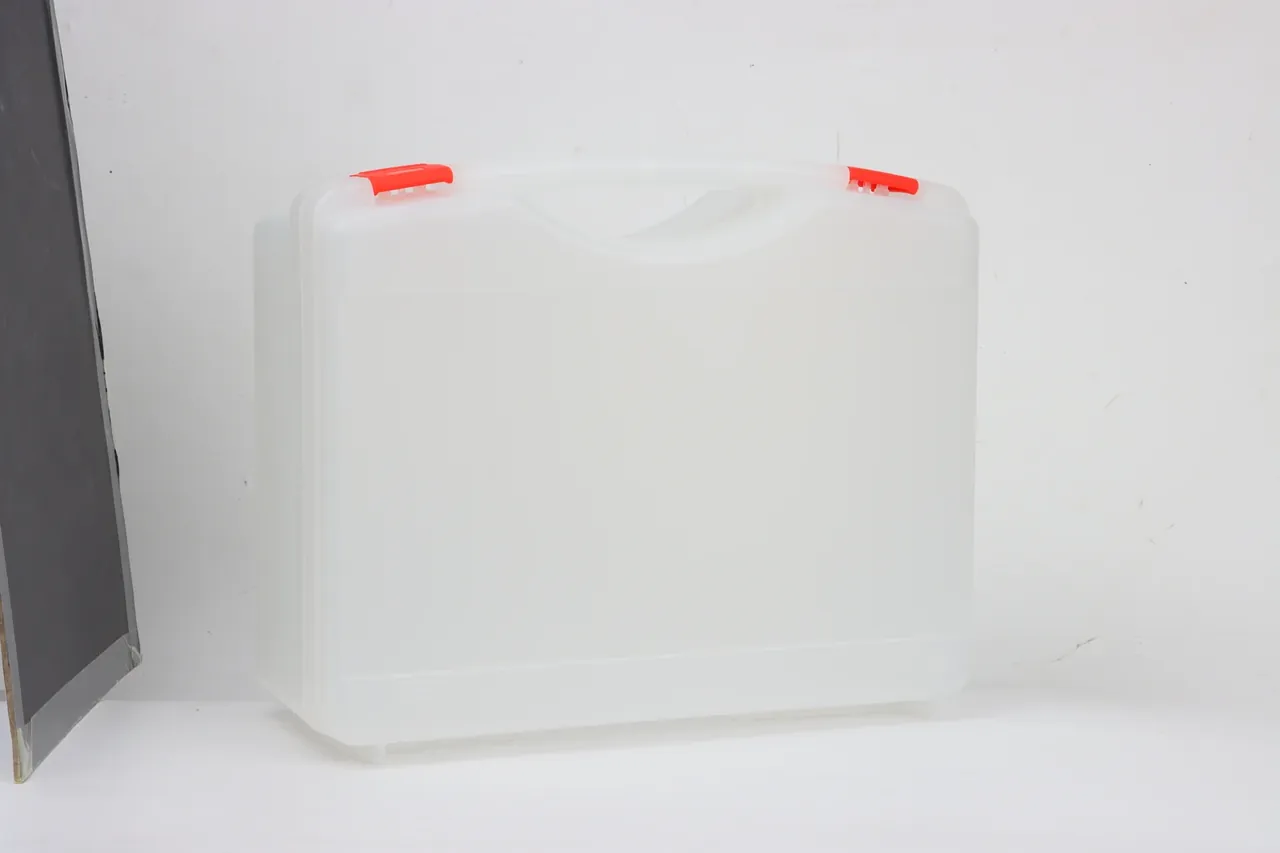
Quick answer: UV stabilisers for cases pair a benzotriazole absorber for 300 to 385 nm with a hindered amine, and 0.2 % of each is a starting ratio, not a ceiling.
Table of contents
- Two jobs in one additive package
- Hindered amines: scavenging and the window
- Benzotriazoles: screening and wall thickness
- How pigment and wall thickness reshape the ratio
- Xenon and QUV: two routes, one line
- FAQ
1. Two jobs in one additive package
A tertiary C–H bond in PP absorbs below 300 nm, splits into an alkyl radical, takes up oxygen and becomes a peroxy radical. Chain scission follows: chalking, yellowing, falling impact. Twelve months outdoors can take elongation at break from 300 % to 50 %.
UV stabilisers have two jobs, and either alone fails. The absorber turns photons between 300 and 385 nm into heat before they reach the backbone. The hindered amine terminates the radicals that form anyway.
Absorption alone leaves the top 0.05 mm degrading as the absorber is consumed. Scavenging alone leaves the depth exposed, because the amine needs photo-oxidation to reach its active form. That is what the ratio in UV stabilisers is for: two mechanisms covering each other.
The orders of magnitude matter. Absorber runs 0.2–0.4 %, hindered amine 0.2–0.6 %, and the pair stays under 1.0 %. Above that, mechanical properties and odour both shift.
2. Hindered amines: scavenging and the window
The core is a 2,2,6,6-tetramethylpiperidine ring, and nitrogen substitution splits the family three ways: NH, N–CH₃ and N–OR. The NH type is the most active and most alkaline, so an acidic co-additive turns it into a dead salt. The N–OR type runs low on alkalinity and suits halogenated systems and acidic pigments.
The mechanism regenerates. An oxyl radical traps an alkyl radical into an alkoxyamine, which reacts with a peroxy radical and returns to the oxyl form, cycling dozens of times. That is why 0.2 % works, while the same mass of absorber is spent in one pass.
Molecular weight decides where it sits. Polymeric HALS at Mn 2000–3500 migrates slowly and suits walls above 3 mm. Monomeric grades near Mn 500 bloom out of a 1.8 mm wall and leave a white haze.
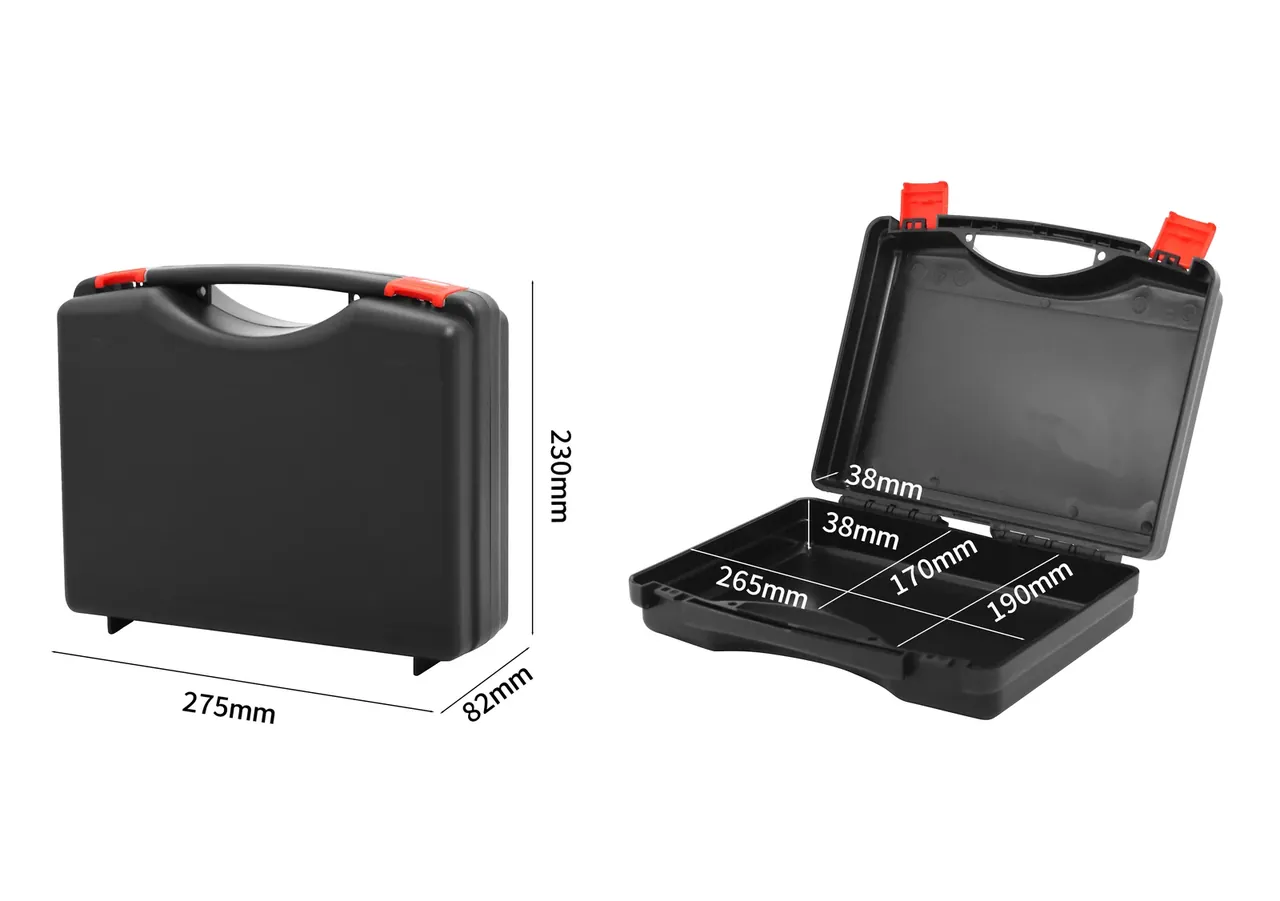
In UV stabilisers the window runs 0.2 % to 0.6 %. Below 0.2 % nothing happens, 0.4 % is the balance point, returns flatten past 0.6 %, and above 0.8 % acidic pigments compete for the same radicals and retention drops 3–5 points.
3. Benzotriazoles: screening and wall thickness
A benzotriazole peaks near 340 nm with a molar absorptivity around 1.5×10⁴ L/(mol·cm) and covers 300 to 385 nm. Absorbance scales with concentration and path length, so doubling the wall doubles screening at the same loading.
At 2 mm and 0.3 % loading, transmission at 340 nm holds below 5 %. A 4 mm wall needs 0.2 %. A 1.5 mm part needs 0.4 %, or about 12 % of the UV still reaches the inside face. UV stabilisers for thin walls therefore carry more absorber, and a ratio cannot be copied between mouldings.
Grade choice turns on two numbers. UV-326 migrates little and suits light coloured parts; UV-328 absorbs strongly but blooms outdoors at low molecular weight; UV-234 carries the highest molecular weight and price.
4. How pigment and wall thickness reshape the ratio
Pigment rewrites the light path of the whole compound, which is why UV stabilisers cannot be dosed straight from a datasheet. Carbon black at 2 % with 20 nm particles holds 340 nm transmission under 0.1 %, so the absorber drops to 0.1 % or disappears. But its surface carries carboxyl and phenolic groups that adsorb the amine and silence it locally, so HALS rises to 0.5 % or switches to the N–OR type.
Titanium dioxide works the other way. Rutile at 2 % scatters and reflects UV, letting the absorber come down 0.1 %; the price is photocatalytic activity, so the pigment has to be encapsulated.
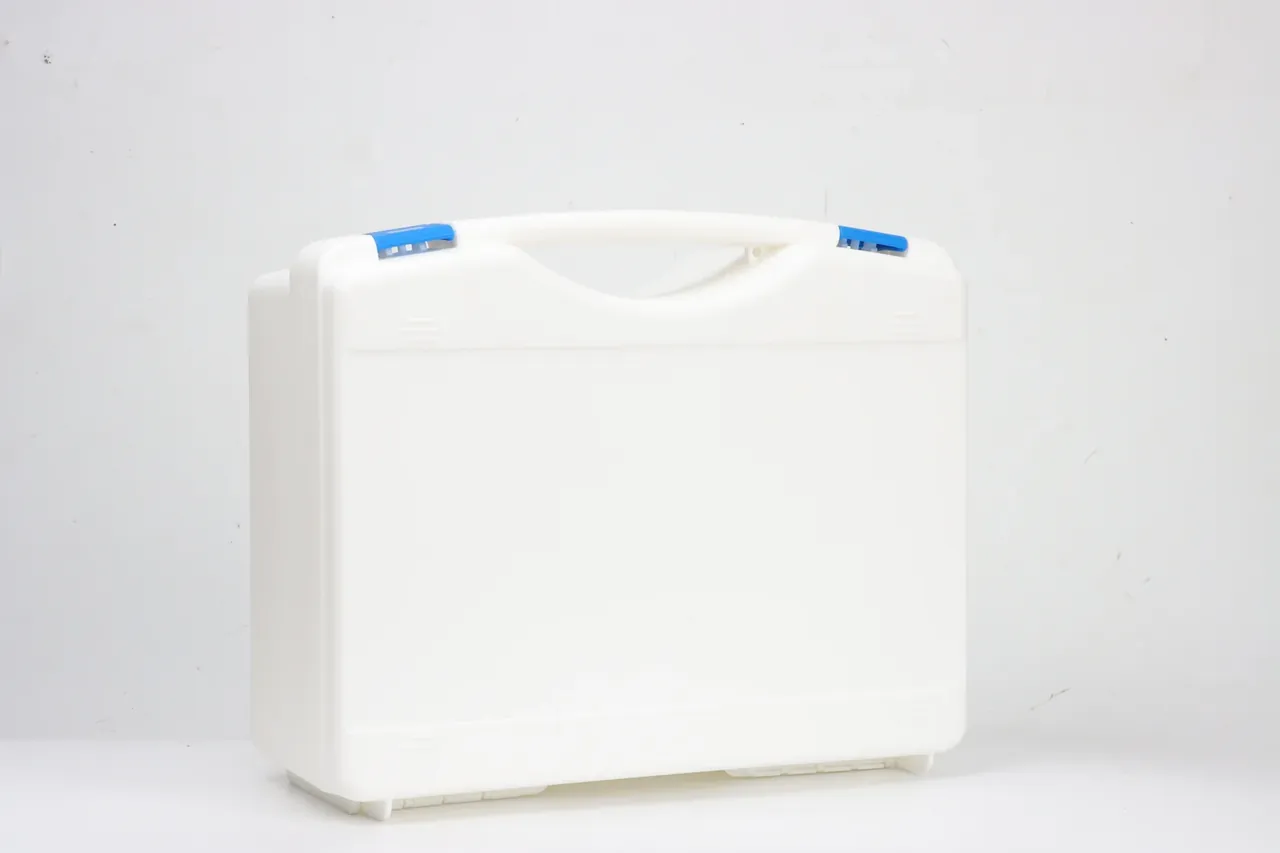
Light and dark shells differ. Natural and light grey parts have no pigment screen, so absorber and amine must both be present. Dark grey and olive parts get partial screening and can halve the absorber, yet UV stabilisers in dark shells still need full amine, because pigment blocks light but not radical chemistry.
Wall distribution matters more than nominal thickness: a rotomoulded shell quoted at 3.5 mm often measures 2.6 mm in the corners, where the load needs a 15 % top-up.
| Duty | Colour | Wall | Absorber | HALS | Life |
|---|---|---|---|---|---|
| General light | natural | 3.5 mm | 0.3 % | 0.3 % | 3 years |
| Long outdoor | light grey | 4.0 mm | 0.4 % | 0.5 % | 5 years |
| Carbon black | black | 3.5 mm | 0.1 % | 0.5 % | 5 years |
| Thin wall | natural | 1.8 mm | 0.4 % | 0.3 % | 2 years |
5. Xenon and QUV: two routes, one line
Xenon follows ISO 4892-2 method A cycle 1: 102 min of light and 18 min of spray, 0.51 W/m² at 340 nm, black panel at 65 °C, 50 % relative humidity. It keeps the full spectrum, so colour tracks outdoor exposure.
QUV follows ASTM G154 cycle 1: 8 h of UVA-340 at 60 °C against 4 h of condensation at 50 °C. There is no full spectrum and short wave energy is concentrated, so the ranking between pigments or amine types can invert against xenon. Run both.
Equivalence is rough. One year outdoors in a temperate climate is worth 800–1000 h of xenon; one year in Hainan is worth about 1500 h. Three years means 2500 h, five years means 4000 h. Ageing data without irradiance and cycle conditions cannot be compared.
UV stabilisers are then judged on three criteria: colour shift ΔE ≤2 in CIELAB under D65/10°, Charpy impact retention ≥70 %, and chalking at ISO 4628-6 grade 1 or better.
| Item | Method | Limit | Checkpoint |
|---|---|---|---|
| Colour shift | ISO 11664 | ΔE ≤2 | 500 h, 1000 h, 2500 h |
| Impact retention | ISO 179 | ≥70 % | 1000 h, 2500 h |
| Chalking | ISO 4628-6 | grade ≤1 | 2500 h |
| Surface cracks | 10× visual | none | every 500 h |
Colour reports first: at ΔE 2 the eye already separates the parts while impact retention still sits near 80 %, and by 70 % the finish is long past delivery.
Conclusion
The ratio is where two curves overlap. Benzotriazoles cover 300 to 385 nm, and 0.3 % at 2 mm holds 340 nm transmission below 5 %. Hindered amines cycle rather than being consumed, effective from 0.2 %, balanced at 0.4 %, dragged down past 0.8 % by acidic pigments. Carbon black at 2 % lets the absorber fall to 0.1 % while the amine climbs to 0.5 %, and a corner measuring 2.6 mm needs a 15 % top-up. Acceptance rests on ΔE ≤2 and 70 % impact retention, with 2500 h of xenon standing in for 3 years outdoors. Run both xenon and QUV before signing off.
This article covers only the specification and design meaning of the case side, and does not address any handling, loading or use of the contents.
Related Reading
- Moulding window and melt temperature for injection cases
- Case selection for high temperature sites
- Seal ageing and the replacement line
Related Products
- 8 Series — Gun Cases; Military Equipment Cases; Camera Equipment Cases; Drone Cases; Watch Cases; Knife Cases; First Aid Cases; Electronics Equipment Cases
- WL8-2812 PP Gun Case — model WL8-2812
- All protective cases and toolboxes: 7 series, 158 models