

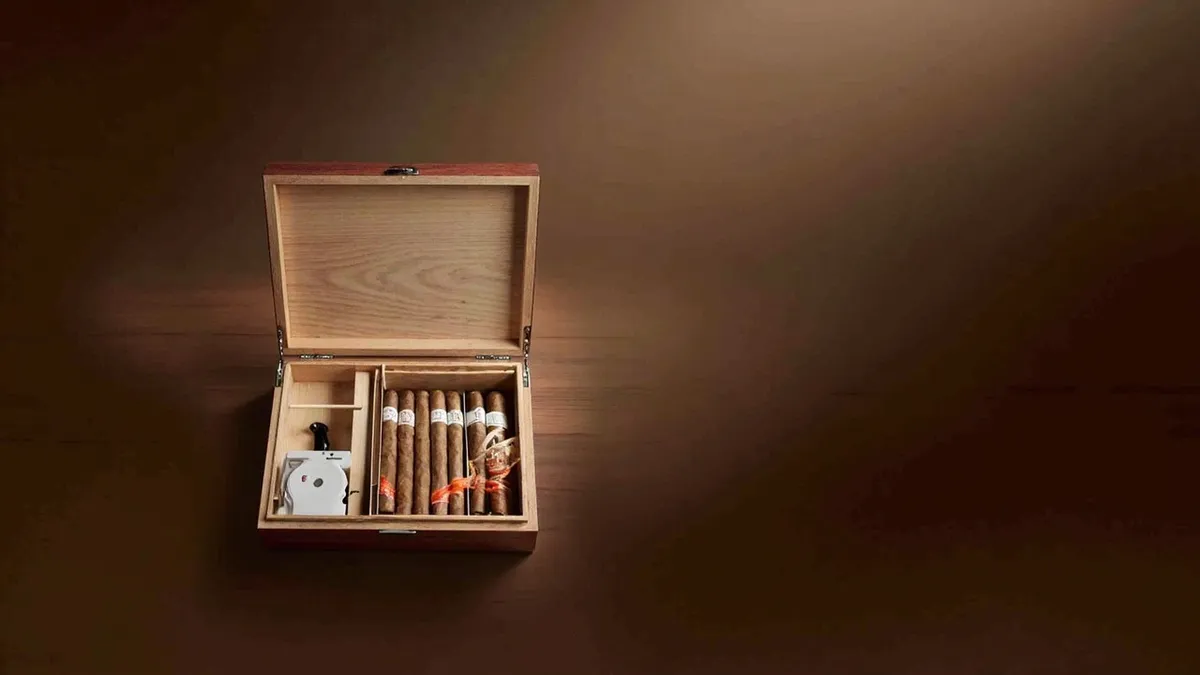
Cigars keep best at 65–70% relative humidity and 18–21 °C, and the temperature should stay below 21 °C so tobacco beetle eggs do not hatch. A crushproof hard case on its own is not a humidor: it provides the airtight seal and the impact protection, while a two-way humidity pack provides the climate. For real travel you need both halves.
The Target Climate
Cigars are hygroscopic — they take up and give off moisture. Get the band wrong in either direction and you change draw, burn and flavour. The numbers below are the range most specialist retailers converge on.
| Parameter | Target | Why it matters |
|---|---|---|
| Relative humidity | 65–70% RH (65–67% often preferred) | Above about 72% risks mold; below range dries the wrapper and it cracks |
| Temperature | 18–21 °C (64–70 °F) | Staying under 21 °C deters tobacco beetle hatch |
| Stability | Small daily swings | Stability matters more than hitting an exact number |
| Fill level | Up to about 80% capacity | Leaves air paths so humidity circulates |
What a Hard Case Does and Does Not Do
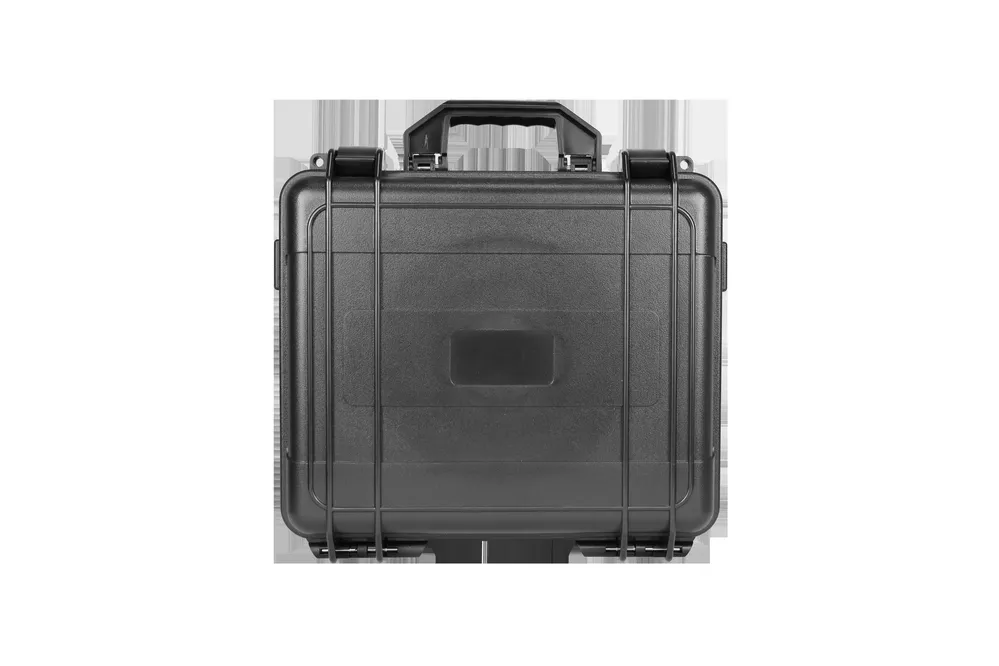
A sealed hard case is an excellent cigar travel platform because it solves the two problems that actually ruin cigars on the road: crushing and rapid humidity exchange. What it does not do on its own is maintain humidity. Add a two-way humidity pack sized to the internal volume, and use a digital hygrometer to verify rather than assume.
- Airtight lid gasket and positive latches — slow down moisture exchange with outside air
- Crushproof shell — protects wrappers from being crushed in luggage or a backpack
- Automatic pressure relief valve — lets you open the lid after cabin pressure changes
- Two-way humidity pack — adds or absorbs moisture to hold the set point
- Digital hygrometer — verify the actual reading; calibrate it before you rely on it
Spanish Cedar or High-Density Foam?
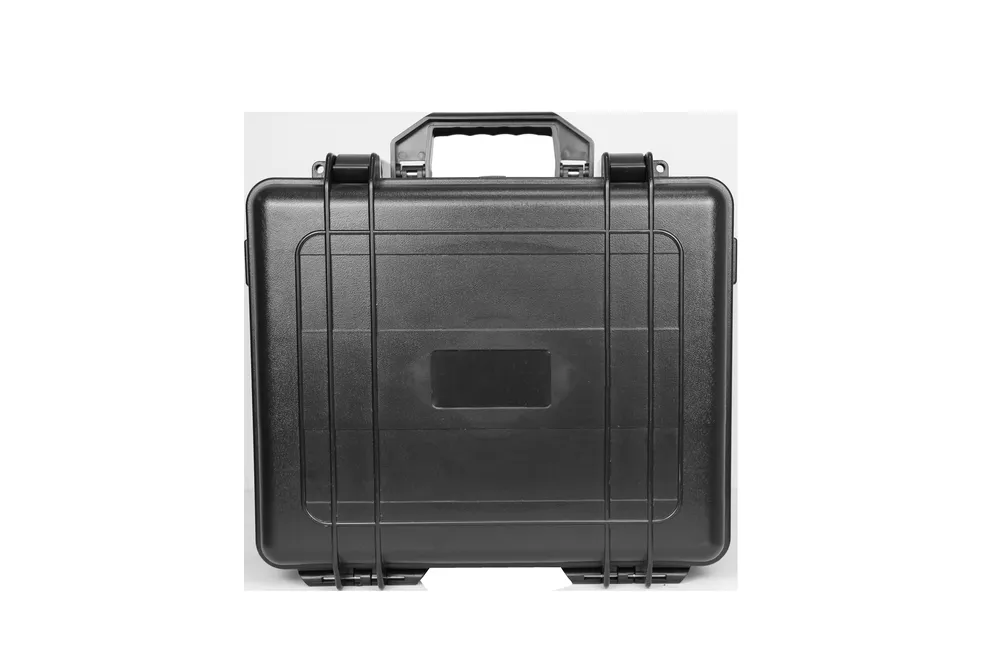
Cedar and foam are often presented as rivals, but they answer different questions. Cedar lining buffers moisture, contributes aroma and helps deter pests, and suits short, presentation-led trips. High-density foam is a shock-absorption material: it wins on camping, boating and checked-baggage journeys where impact is the real risk. If you travel rough, take the foam and carry a humidity pack; if the trip is a golf day or a lounge evening, cedar is the more traditional choice.
Getting the Case Ready
- Calibrate the digital hygrometer — the salt test is the common home method: sealed bag with damp salt should read about 75% RH after 24 hours
- Wipe the interior clean and dry; never wet the lining
- Insert a two-way humidity pack rated for your target RH and sized to the case volume
- Load cigars to no more than about 80% capacity so air can circulate
- Close the lid and check the gasket is seated evenly, then verify the reading after 24 hours
Mold and plume look similar but are not the same. Plume (bloom) is a fine white powder that brushes off. Mold is fuzzy, often green, white or blue, and spreads on surfaces — if you see it, isolate the affected cigars and deal with the humidity immediately.
Building a travel humidor? Start with a compact JUNZHIJIA protective case, and confirm the seal rating on the IP67 test reports. If your priority is shock protection for checked luggage, the hard case comparison explains why a rigid shell beats a soft sleeve.
Related Products
- 6 Series — Cigar Humidors; Precision Instrument Cases; Knife Cases
- WL6-2109 ABS Cigar Humidor — model WL6-2109
- All protective cases and toolboxes: 7 series, 158 models