

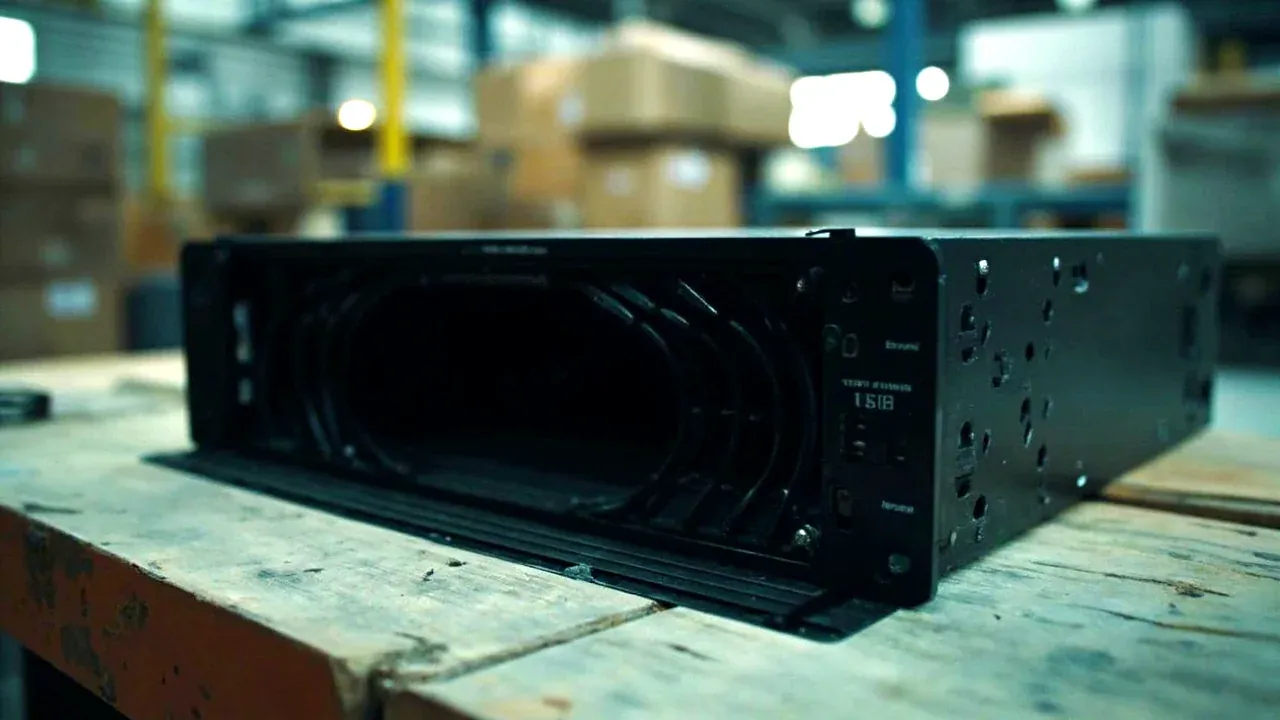
Quick answer: Four problems dominate: overheating, water at the cable ports, loose rails and lost shielding — all because a case designed for storage is used in operation. Fix cooling first, then sealing and earthing.
Table of contents
- Four problem types
- Overheating: conduction before ventilation
- Leaks and rails: two small fixes
- Shielding: repairing what drilling broke
- Order and acceptance
- FAQ
1. Four problem types
Overheating first: continuous operation in a sealed case, twenty to thirty degrees above ambient under sun, and equipment throttles or drops out. Second, water at the ports when the gland is larger than the bundle, found a day after rain.
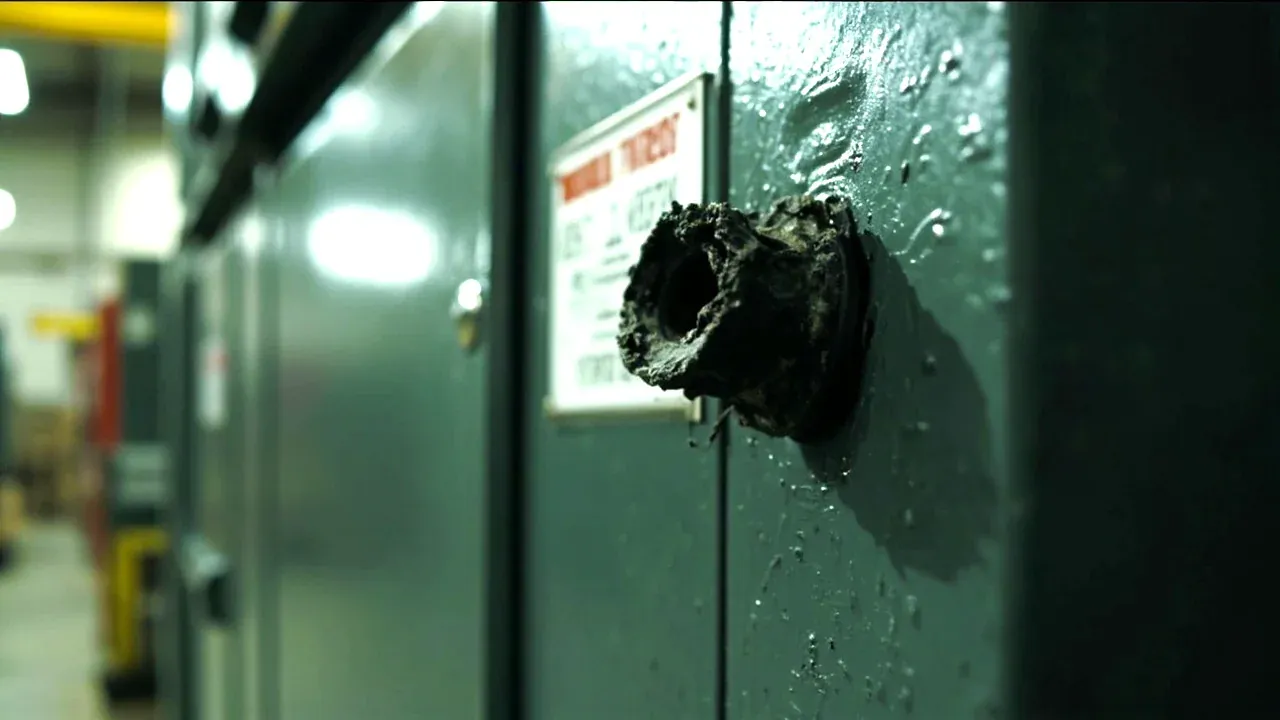
Third, loose rails: vibration slowly releases fasteners, the panels and connectors take the load, and contacts degrade. Fourth, lost shielding: a drilled metal case without bonding, or a plastic case without a coating, lets interference straight in.
| Problem | Early sign | Cause | Fix |
|---|---|---|---|
| Overheating | throttling, disconnects | power density beyond passive cooling | thermal pad or forced air |
| Port leak | water marks after rain | gland larger than bundle | smaller gland plus sealant |
| Loose rails | intermittent contacts | fasteners releasing under vibration | lock washers and threadlocker |
| Lost shielding | interference, errors | unbonded openings | conductive gasket and earthing |
2. Overheating: conduction before ventilation
The reflex is to cut a hole and add a fan, which destroys sealing and shielding. Add conduction first: a thermal pad between equipment base and case wall, then let the wall convect.
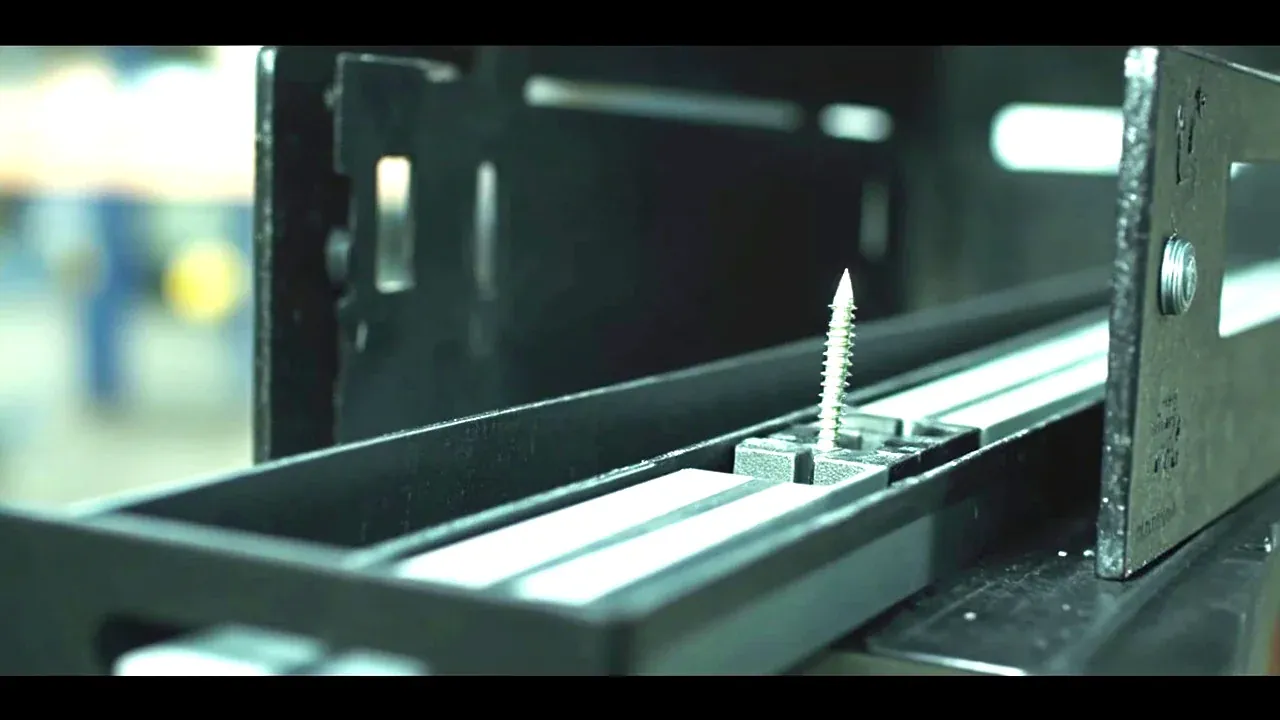
The pad must be compressed, not thick: beyond three millimetres resistance rises, so one to two millimetres at thirty percent compression gives even contact. Ten degrees of drop is typical.
3. Leaks and rails: two small fixes
Port leaks are fixed by a gland one size smaller, matched to the bundle, plus a bead of sealant between gland and wall. Do not over-compress the cable, or the insulation deforms.
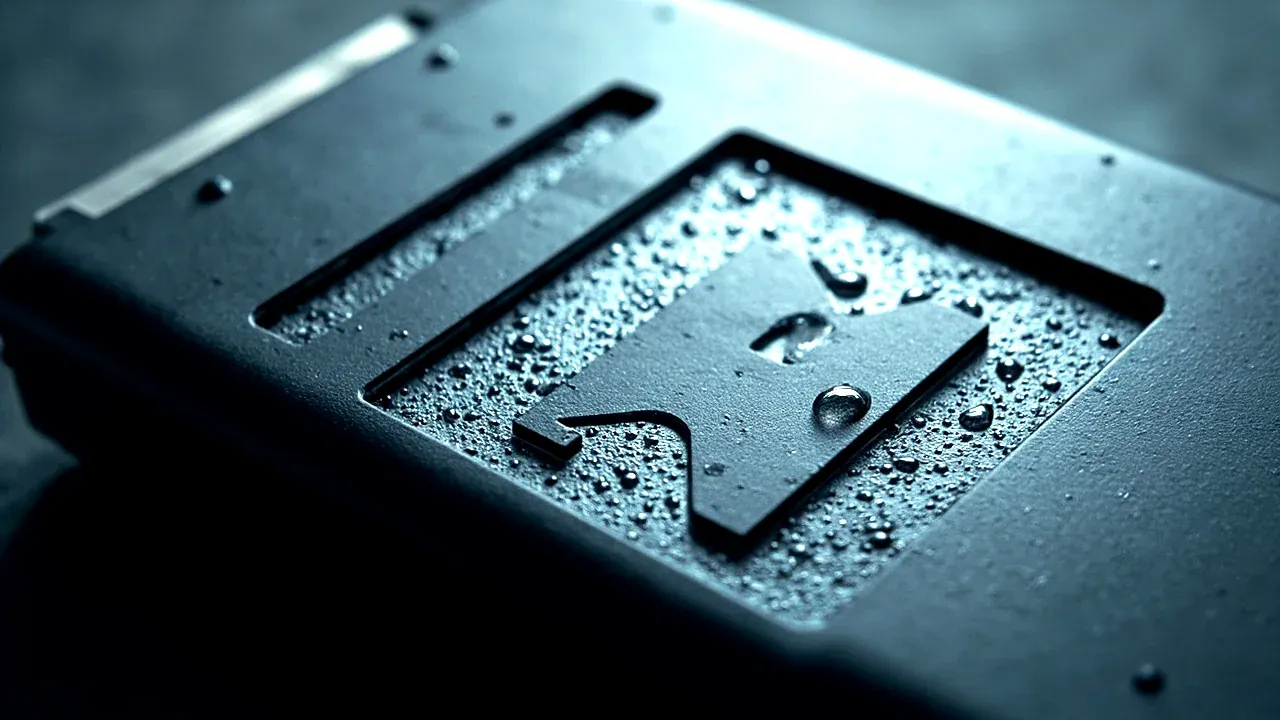
Rails take lock washers and threadlocker, or better, nylon-insert nuts that hold preload through repeated assembly. Run a transport test afterwards and check the torque marks.
4. Shielding: repairing what drilling broke
In a metal case, fit a conductive gasket at each opening and earth it by the shortest path; beyond a hundred millimetres high-frequency impedance rises and shielding fades. Plastic cases need a conductive coating under one ohm per square.
Re-test after the fix: scan near the equipment with a portable receiver and compare the noise floor, or run a radiated emission test where available.
5. Order and acceptance
Cooling, sealing, fastening, shielding — in that order. Seal a hot case and you have an oven; shield a wet one and the gasket corrodes. Each step can be accepted on its own, which also makes it possible to hand the work to different people without losing track of what has been done. Done all at once, a later fault cannot be traced to the step that caused it, and the repair usually costs more than doing the steps in order.
Four actions: two-hour temperature run, water test on ports, shake for rails, resistance on coating or gasket. An hour covers the four common faults. Keep the readings: comparing the same case across two acceptances says more than any single measurement, because drift is what predicts failure. Faults in these cases almost always have a precursor; collected on one sheet, the precursor becomes a readable trend rather than someone's memory.
Conclusion
Four steps: cooling, sealing, fastening, shielding — in that order, because each prepares the next. Reverse it and later work is wasted on earlier faults.
This article covers container-side specifications and design implications only, not the handling, loading or use of the contents.
Related Reading
- Choosing a communication case
- What an electronic equipment case is
- Case repair and spare parts
- Case seal materials
Related Products
- 8 Series — Gun Cases; Military Equipment Cases; Camera Equipment Cases; Drone Cases; Watch Cases; Knife Cases; First Aid Cases; Electronics Equipment Cases
- WL8-2812 PP Gun Case — model WL8-2812
- All protective cases and toolboxes: 7 series, 158 models