

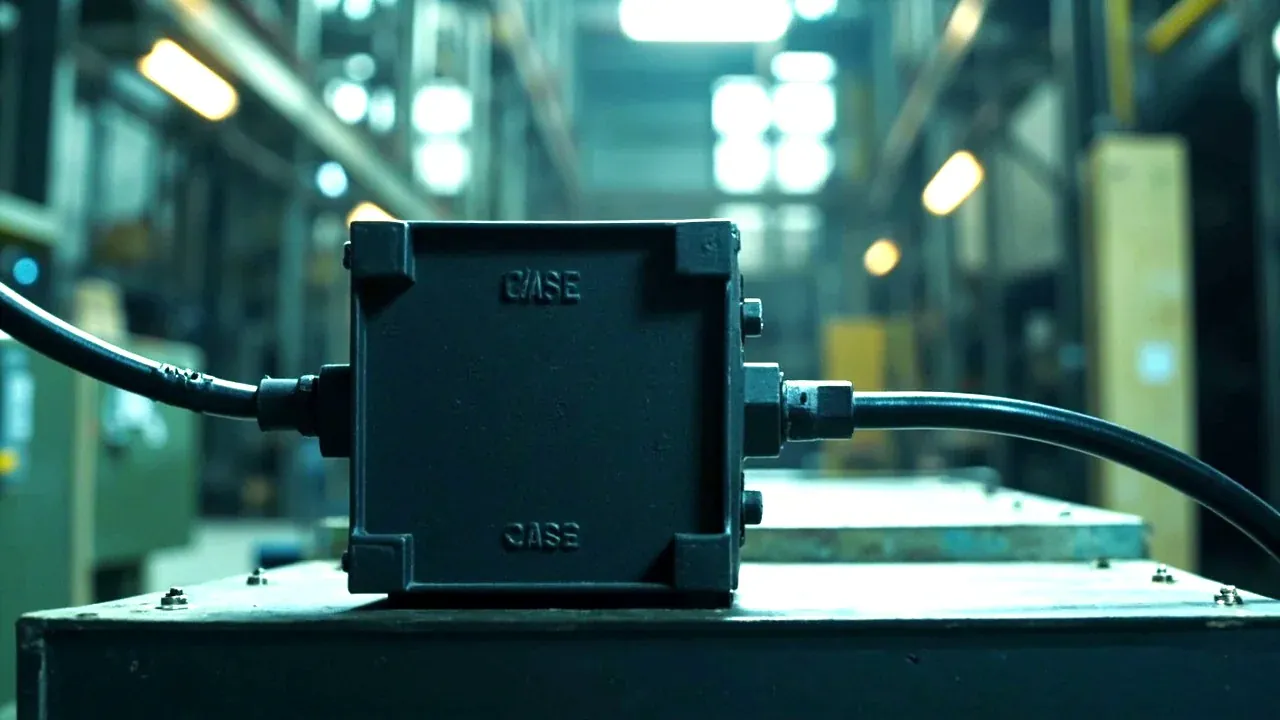
Quick answer: An electronic equipment case differs from a protective case in three electrical paths: continuous shielding, low-resistance earthing and a heat path. Break any one and the equipment inside shows errors, drift or throttling — none visible when the case is opened.
Table of contents
- Three electrical paths
- Shielding: continuity beats material
- Earthing: short, thick, single point
- Cooling: pad and wall area
- Selection and acceptance
- FAQ
1. Three electrical paths
Shielding needs a continuous conductive surface. A metal case conducts through its body but openings break continuity; a plastic case needs an internal coating. Judge by whether openings are bonded, not by whether the body is metal.
Earthing needs low resistance between equipment shell, case and the external earth point. Its job is to divert interference current, and a lead longer than a hundred millimetres raises high-frequency impedance enough to matter.
Cooling needs an exit. A sealed case sheds heat through the wall only; without a thermal pad between equipment and wall the heat stays inside and the case runs twenty degrees above ambient.
| Path | Structure | Test | If broken |
|---|---|---|---|
| Shielding | continuous surface or coating | surface resistance | errors, interference |
| Earthing | stud with short lead | earth resistance | static build-up, discharge |
| Cooling | thermal pad and wall area | internal temperature loaded | throttling, crashes |
2. Shielding: continuity beats material
Shielding fails at seams and openings: lid rim, hinge, cable port. Without a conductive gasket there, thickness only shields half the problem. Measure resistance across each opening; it should read near zero.
Gasket type matters: braided mesh shields well but oxidises, conductive rubber seals well but takes a set, finger stock suits frequently opened doors. Life differs, so choose by opening frequency.
3. Earthing: short, thick, single point
Three rules: short, thick, single point. Keep the lead under a hundred millimetres, use at least four square millimetres, and earth the case to the external ground at one point only to avoid a ground loop.
The common error is earthing equipment and case separately, creating two points. The loop introduces low-frequency interference that shows as slow drift, usually misdiagnosed as ageing equipment.
4. Cooling: pad and wall area
Cooling capacity follows wall area rather than thickness. Thicker walls conduct a little better but the area does not change, so mount the equipment against the largest face with a pad between.
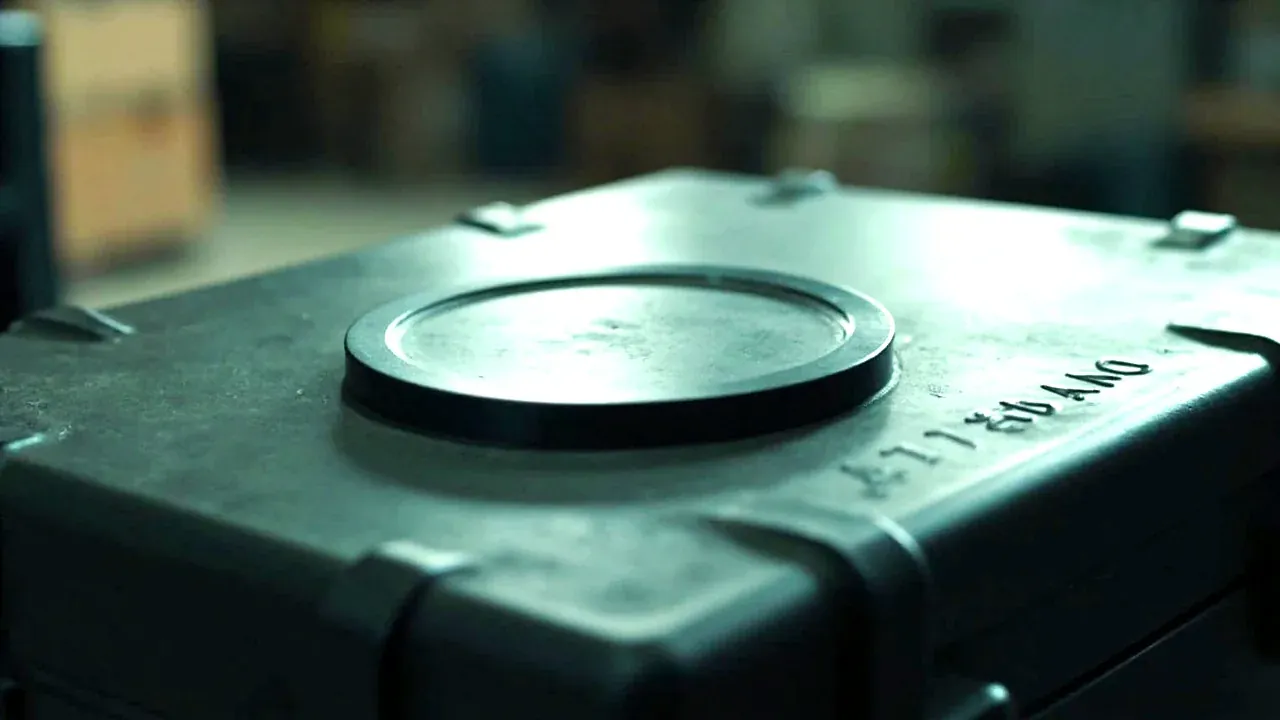
Pad thickness must match the surface: half to one millimetre on a flat base, one to two with thirty percent compression over raised components. Too thick raises resistance, too thin leaves air gaps.
5. Selection and acceptance
Check three things on a sample: conductive coating or metal body, an earth stud with a short path, and whether the largest wall face has enough area to cool the load. No instruments needed.
Accept with three actions: resistance across openings, earth resistance, and a two-hour loaded temperature run. Forty minutes covers shielding, earthing and cooling, and none of the three appears in a quotation: three items a datasheet almost never states and the three most often found wanting on site, which is why a sample test beats a specification sheet.
One usage note: do not run an electronic equipment case with the lid open. Shielding and cooling both fail, dust and interference enter, and the failure rate rises without any early symptom.
These three paths can be verified with a multimeter and one loaded run, no laboratory required, which is the sharpest difference between an electronic equipment case and a protective case.
Conclusion
Three paths: continuous shielding, short thick single-point earthing, and cooling through wall area with a pad. All three are electrical and thermal, so wall thickness and outer size never reveal whether the case is adequate.
This article covers container-side specifications and design implications only, not the handling, loading or use of the contents.
Related Reading
- Electronic cases in test and field use
- Choosing a communication case
- Communication case problems and fixes
- Case seal materials
Related Products
- 8 Series — Gun Cases; Military Equipment Cases; Camera Equipment Cases; Drone Cases; Watch Cases; Knife Cases; First Aid Cases; Electronics Equipment Cases
- WL8-2812 PP Gun Case — model WL8-2812
- All protective cases and toolboxes: 7 series, 158 models