

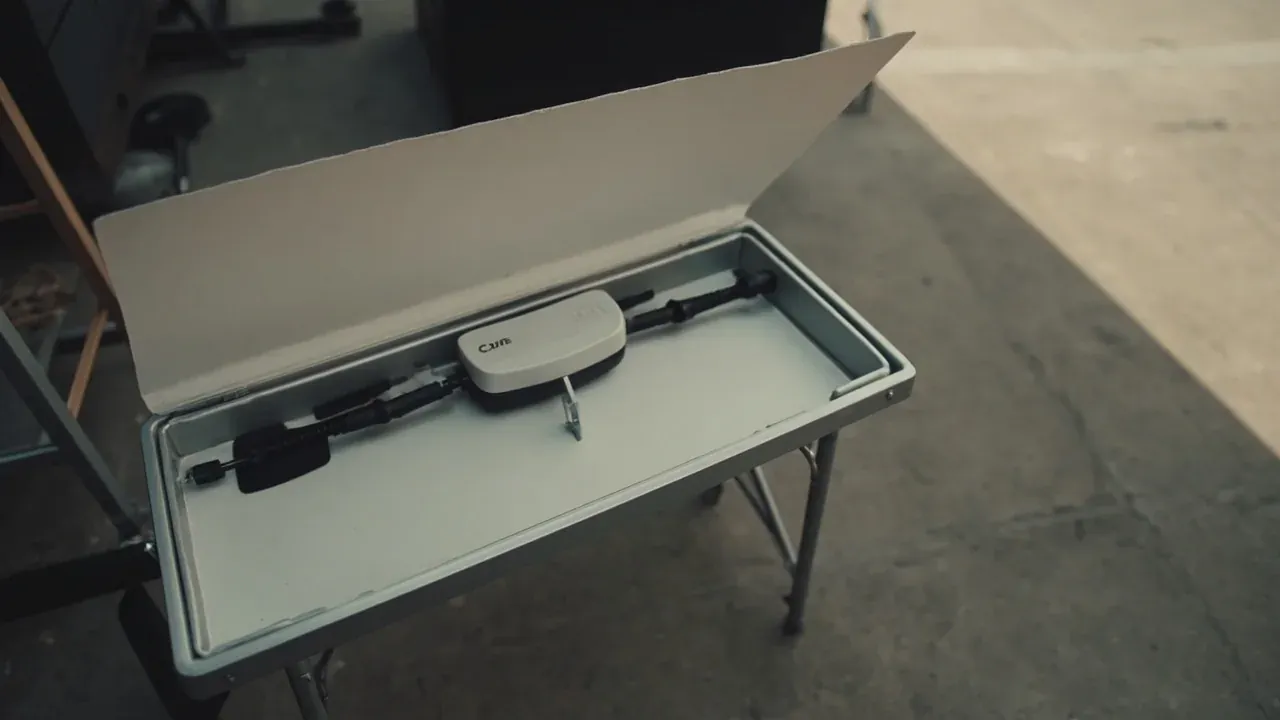
Quick answer: The same electronic equipment case needs shielding in the lab, protection in the field and fixing in transport. Where one case serves all three, configure for the strictest, or one of them fails.
Table of contents
- Priorities across three settings
- Lab: shielding with earthing
- Field: sealing and ports
- Transport: fixing and isolation
- Splitting the cases and acceptance
- FAQ
1. Priorities across three settings
A lab is dense with interference — drives, switching supplies, radios — so shielding and earthing come first. The field brings dust, rain and temperature swings, so ingress protection and port sealing lead. Transport brings sustained vibration and occasional shock, so internal fixing and isolation lead.
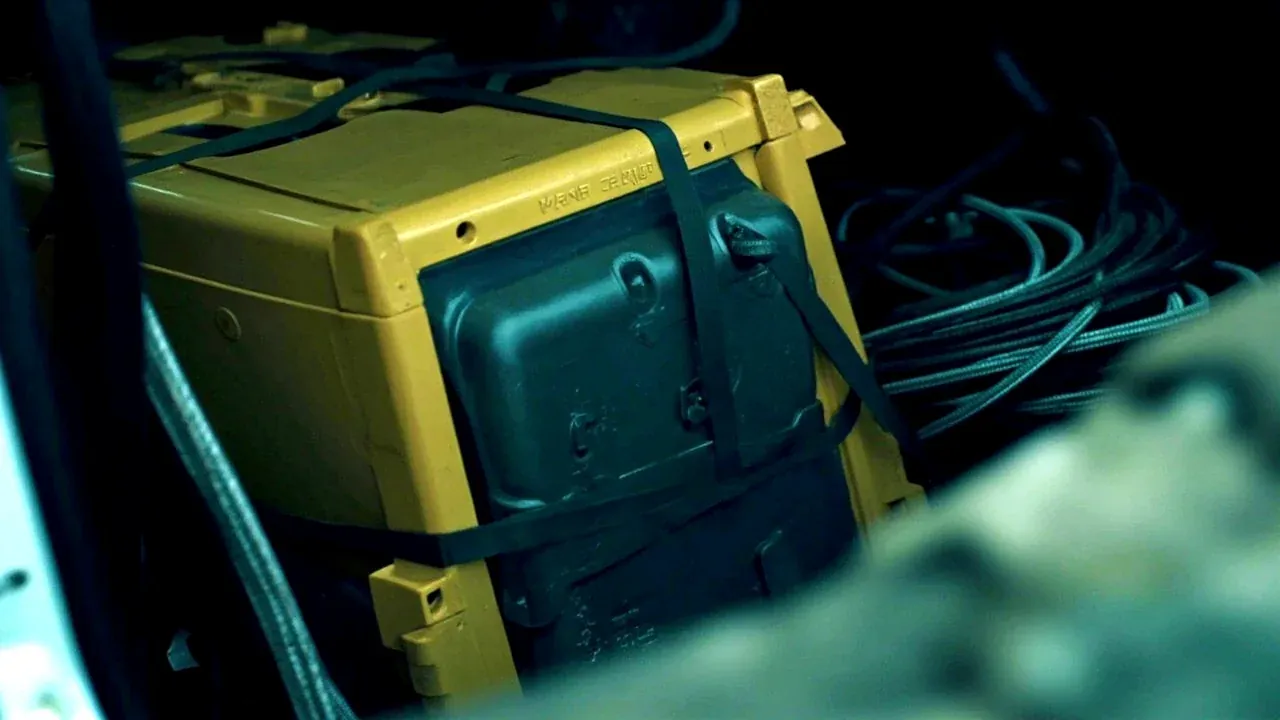
Serving all three means configuring to the strictest: IP for the field, a conductive coating for the lab, foam and straps for transport. The stack adds weight, so sites that work outdoors often keep two cases.
| Setting | Priority | Configuration | Risk |
|---|---|---|---|
| Lab | shielding and earthing | coating and earth stud | reading drift |
| Field | ingress and sealing | full gasket and glands | dust and water |
| Transport | fixing and isolation | foam and straps | loose connectors |
2. Lab: shielding with earthing
A lab case needs one earth point: the case is earthed, the equipment shell bonds to it, and only one external connection exists, so interference current has a defined path and no loop forms inside.
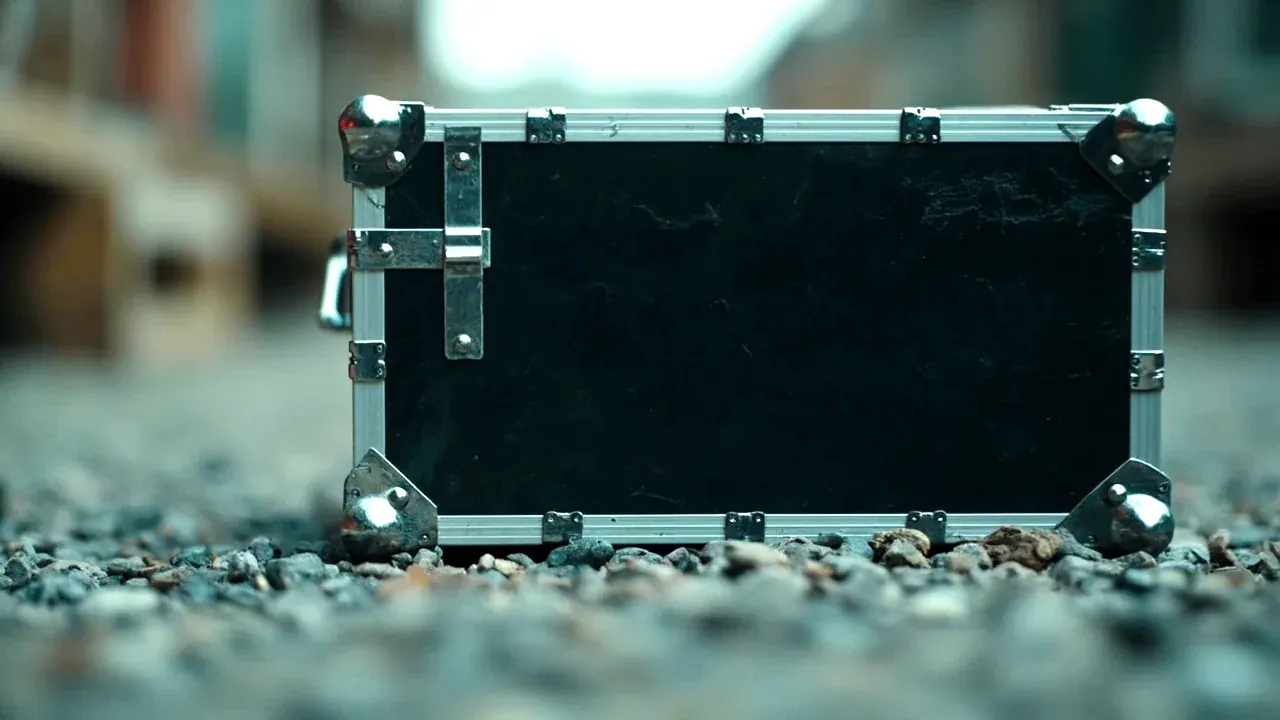
If readings drift, check earthing before shielding — poor earthing makes a shielding problem look like shielding. Measure shell-to-case resistance; under one ohm is the pass mark.
3. Field: sealing and ports
Field cases must survive rain and dust: a continuous gasket, glands matched to cable bundles, and attention to the three leak points — lid corners, cable ports and handle mount holes.
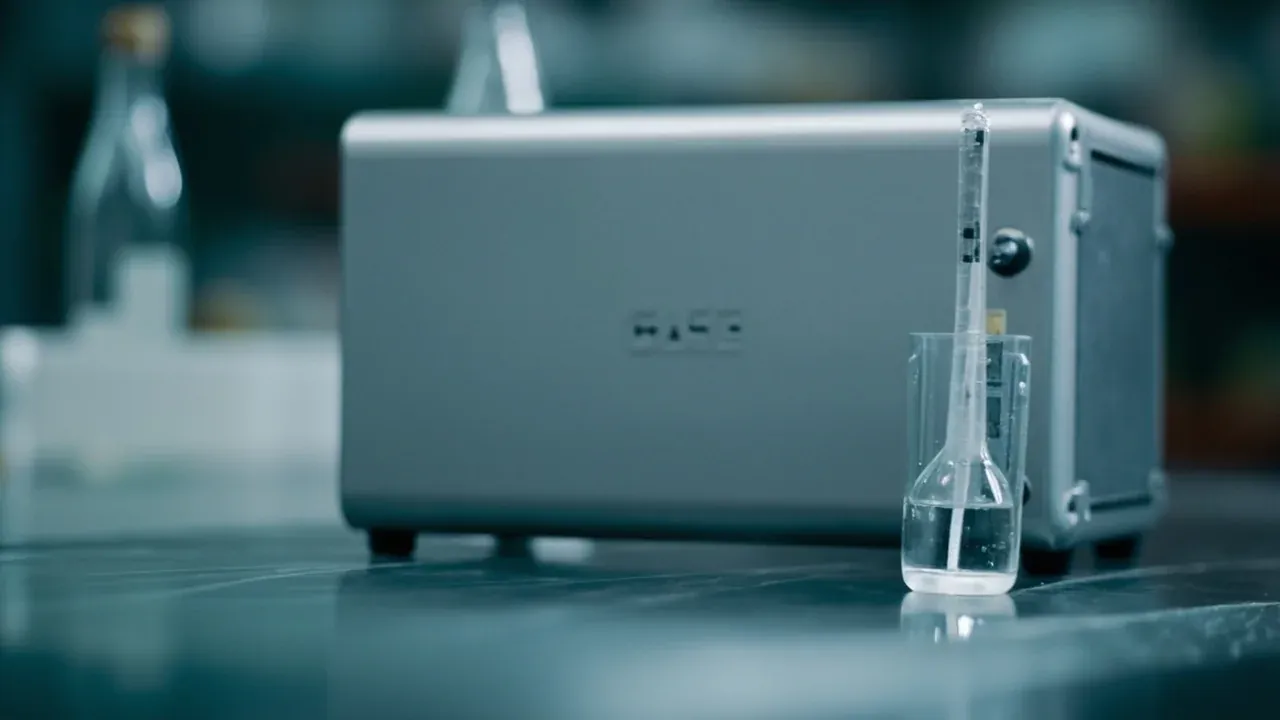
Operation matters too: opening a case in rain pours the lid water inside. Wipe the lid first, or choose a case with a raised lip. Not a specification item, but it decides whether the case works in weather.
4. Transport: fixing and isolation
Two things to fix: the case must not move in the vehicle, and the equipment must not move in the case. Straps and cradles handle the first, foam and compression the second; miss one and vibration concentrates at the mounting points.
Choose cushioning by weight: soft foam for light equipment, higher density with hard blocks for heavy. All-soft foam under a heavy unit compresses, takes a set, and cushions nothing on the second trip.
5. Splitting the cases and acceptance
Sites that work outdoors often keep two: a light field case emphasising sealing and foam under ten kilograms, and a heavier transport case emphasising shielding and isolation up to twenty. Split, each structure can be done properly.
Accept by setting: shielding and earth resistance for the lab case, rain and dust for the field case, vibration and drop for the transport case. A multimeter, a shower head and a rough road cover all three, which is why a sample test settles more than a brochure. Record the readings in the case file, because comparing them at the next acceptance catches degradation early. Two cases usually cost twenty percent more than one all-round case and last more than twice as long, so the split pays for itself before the first replacement.
Configuration is not better simply for being stricter: over-specifying makes the case heavy and slow to use, which lowers the rate at which it is actually used.
Conclusion
Three sentences: the lab reads shielding and earthing, the field reads sealing and ports, transport reads fixing and isolation. One case serving all is configured to the strictest and pays in weight; frequent field work justifies two.
This article covers container-side specifications and design implications only, not the handling, loading or use of the contents.
Related Reading
- What an electronic equipment case is
- Choosing a communication case
- Case repair and spare parts
- Case seal materials
Related Products
- 8 Series — Gun Cases; Military Equipment Cases; Camera Equipment Cases; Drone Cases; Watch Cases; Knife Cases; First Aid Cases; Electronics Equipment Cases
- WL8-2812 PP Gun Case — model WL8-2812
- All protective cases and toolboxes: 7 series, 158 models