

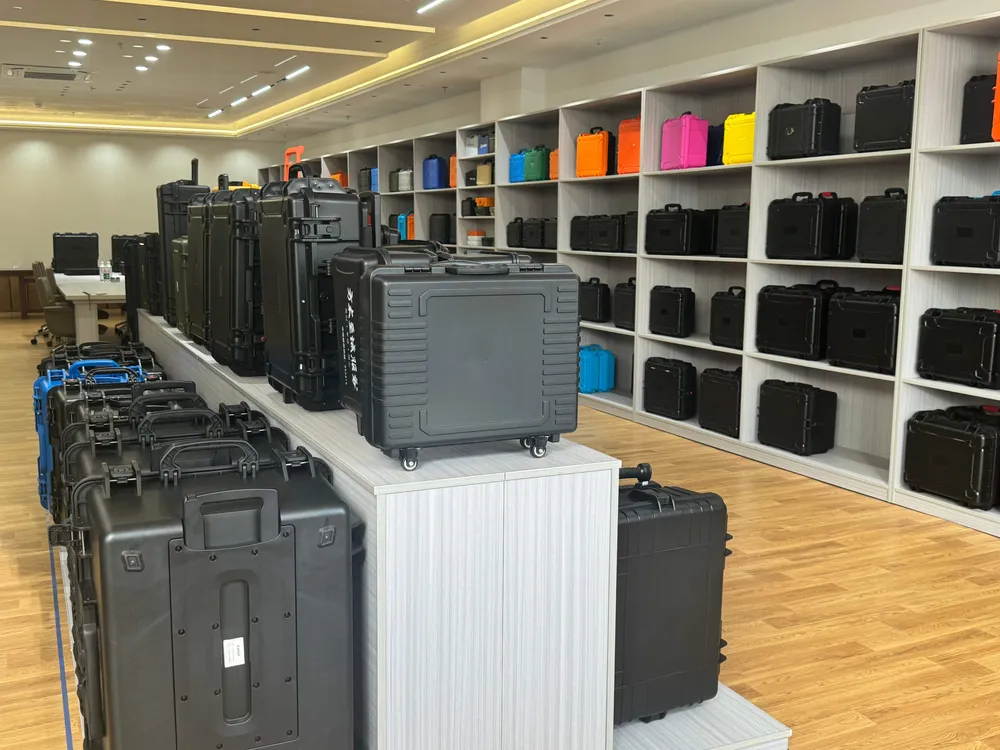
Emergency supply cases have an unusual duty cycle: months or years of stillness, then a single day when everything must work. Most failures are discovered on that day, which is precisely the wrong time. Specification therefore focuses on what survives storage and what makes deployment foolproof.
The Storage Phase
| Storage risk | Consequence | Control |
|---|---|---|
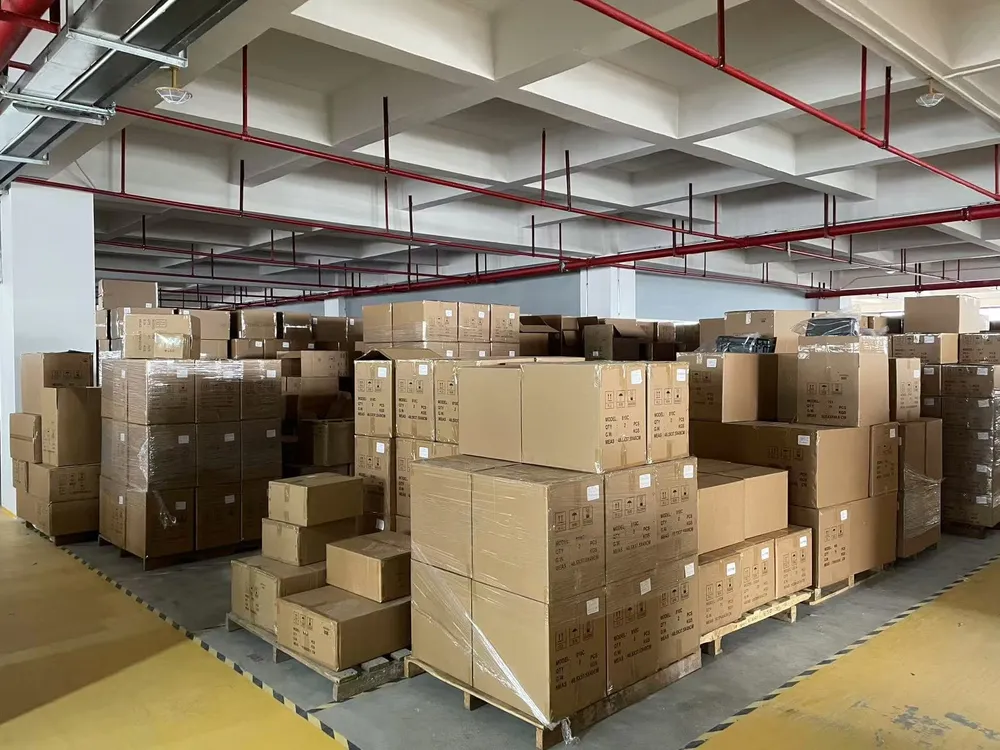
| Stacked load over time | Deformation of shells and lids | Stacking features and load-rated shells |
| Sealed moisture | Corrosion, mould, ruined consumables | Dry contents before sealing, desiccant, periodic checks |
| Insects and rodents | Contaminated supplies | Sealed cases and clean storage areas |
| Faded or lost labelling | Contents unknown at deployment | Durable marking on multiple faces |
| Expired consumables | Equipment present but unusable | Rotation schedule with visible dates |
Designing for a Stranger
The person opening an emergency case may not be the person who packed it, and will be doing so under pressure. That dictates a layout rule: everything must be identifiable without prior knowledge.
- Label on more than one face, so orientation does not hide the contents.
- Contents list inside the lid, so it survives external label damage.
- Group by function, not by size, so related items are found together.
- High-contrast interiors so a missing item is obvious immediately.
- No hidden compartments — if it needs tools to open, it will not be opened.
Keeping Inventory Honest
Sealed cases invite a quiet failure: the manifest says the contents are complete, and nobody verifies until the day it matters. Two habits prevent this. First, schedule periodic checks with the case actually opened and the contents counted against the list. Second, put expiry dates where they can be seen without unpacking — a case that is opened only to discover expired stock has already cost the response time.
Deployment Practice
Choose case sizes that one or two people can carry when loaded, standardise across the fleet so any case fits any vehicle space, and colour-code by function so distribution does not require reading. Where cases are tracked as assets, the method in our article on case labelling and asset tracking applies directly; for storage density, see case stackability and pallet planning.