

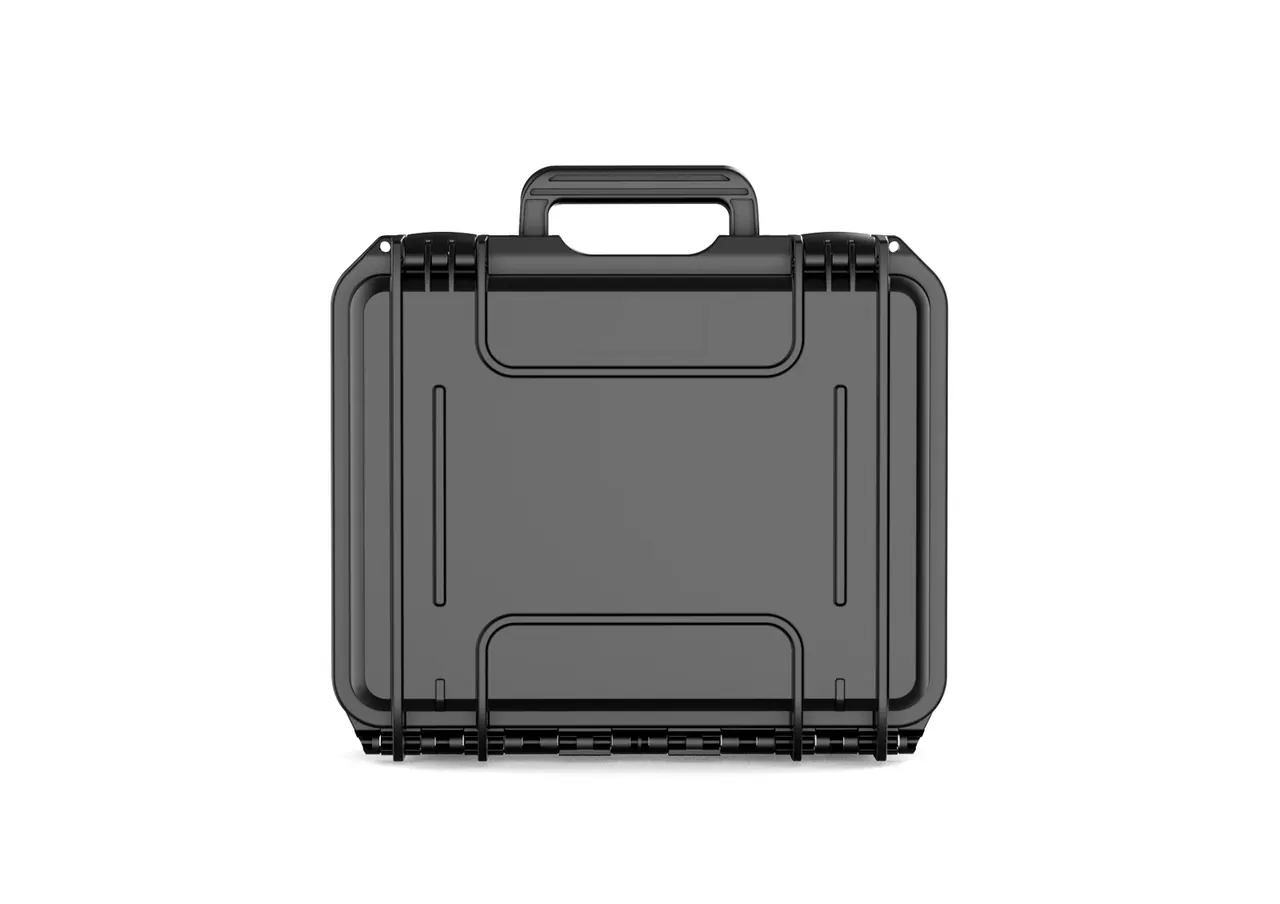
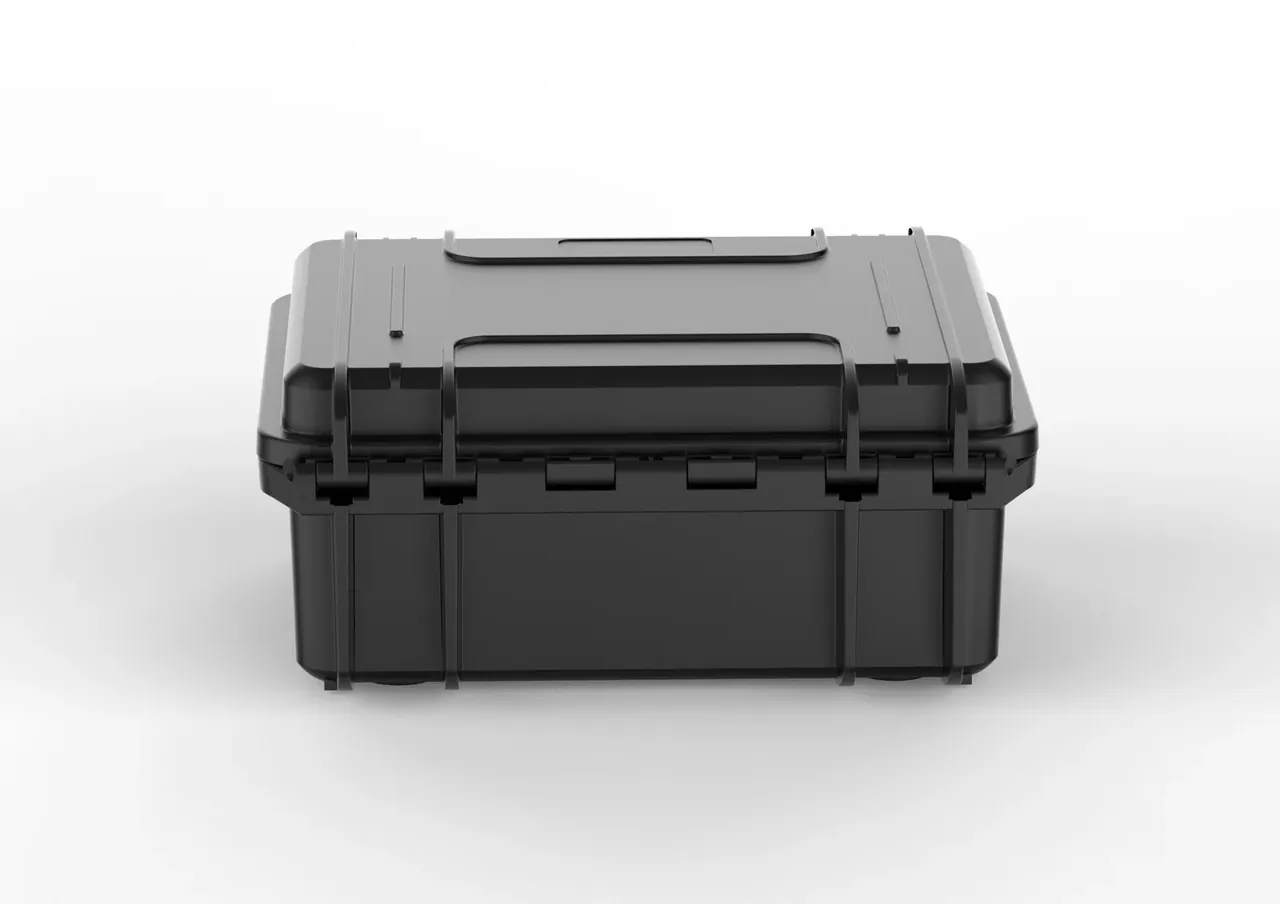
Quick answer: Choosing an Emergency Supply Case starts with three decisions, not with shell strength: how the interior is zoned, what one loaded case weighs, and whether the labels read in thirty seconds. Zoning sets access order, weight sets carriers and stack height, labels decide whether rotation needs an open lid. Size and material follow.
Table of contents
- Three Decisions Behind an Emergency Supply Case
- Zoning: Dividers, Liners and Fixed Positions
- Unit Weight: One-Hand and Two-Person Limits
- Labels and Rotation: Keep the Record Outside
- A Selection Checklist
- FAQ
1. Three Decisions Behind an Emergency Supply Case
The first requirement is not crush resistance but finding the right case without a list. Light is poor, time is short, and the person reaching for it may never have packed it.
Weight comes first because it constrains size. One person carries fifteen to eighteen kilograms comfortably, two manage thirty to thirty-five; beyond that the case needs wheels or should be split. Once loaded weight is fixed, volume has little room to move.
Zoning comes second and labelling last, since label content follows the zones. Reverse the order and the case is divided too finely for its own labels.
2. Zoning: Dividers, Liners and Fixed Positions
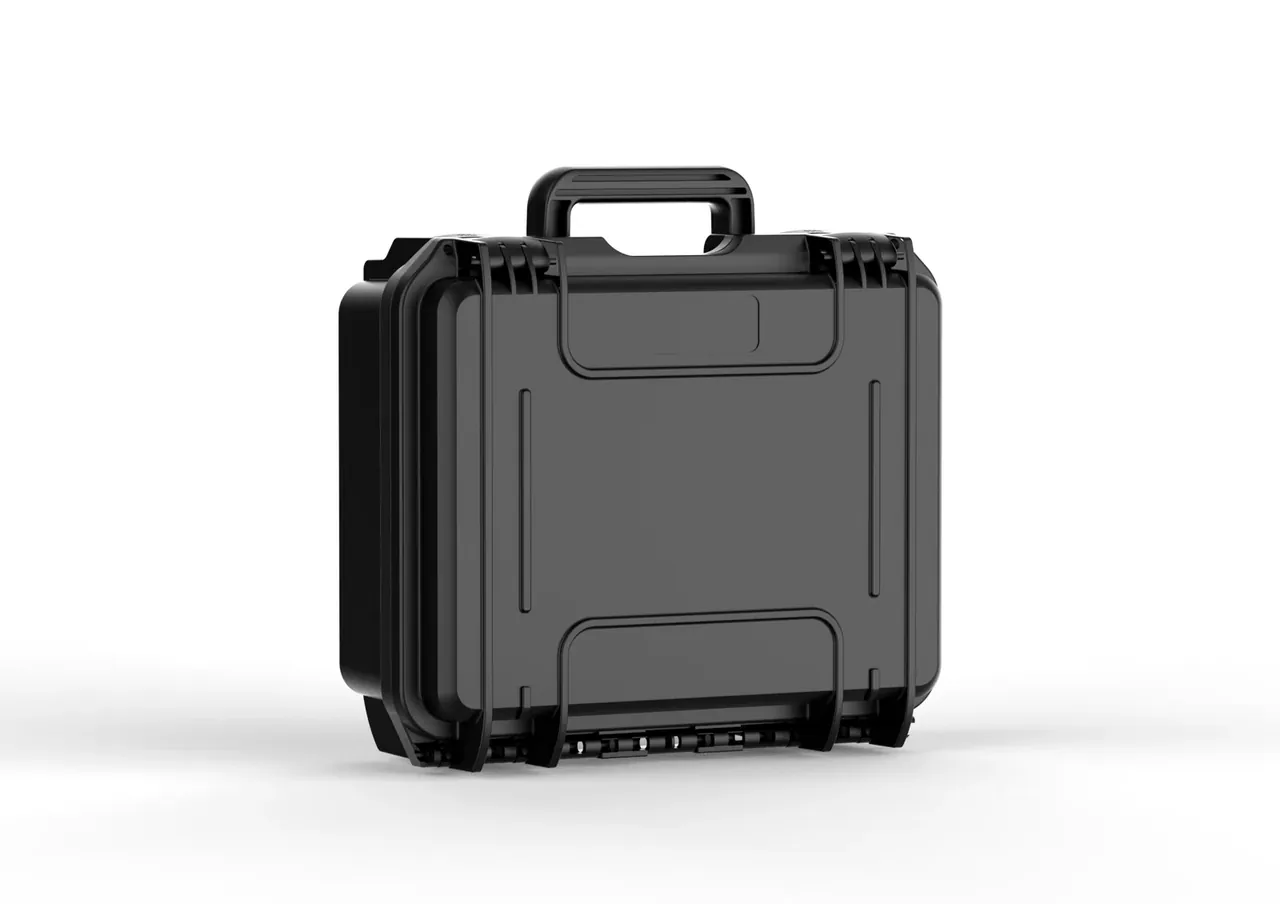
Zoning is access order, not tidiness. Adjustable hard dividers suit bottles and boxes because positions follow the batch. Foam cut-outs locate shaped equipment best but need a new block when the layout changes. Net pockets are cheap but let one item drag its neighbour out.
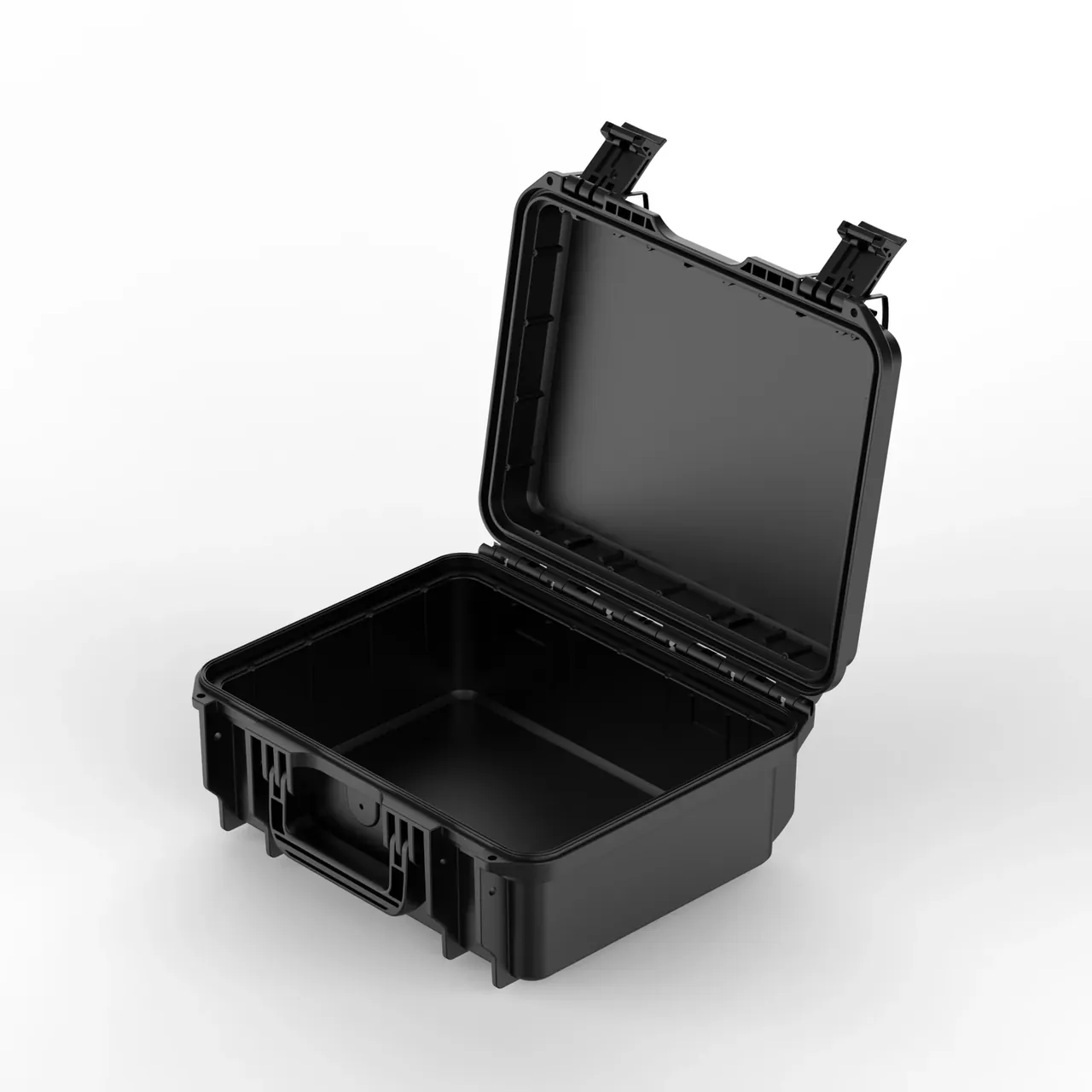
Zones follow the smallest unit of a single response. Three days of water, lighting and first aid means three zones, each split by headcount. Twelve zones mean twelve lid openings in the field; four to eight is the working range.
Leave margin. Packaging changes supplier, and ten millimetres stops a box fitting. Keep a tenth of each zone free, or mount dividers on slots rather than screws, with a notch cut for the base rib.
3. Unit Weight: One-Hand and Two-Person Limits
Weight is the most underestimated line. Loaded weight is empty weight plus supplies, and the empty case takes twenty to thirty percent. A six-kilogram body holding fifteen kilograms is already past the solo limit.
Draw the limit by carrying method. Under fifteen kilograms, one hand, handle aligned to the centre of gravity. Fifteen to thirty, two people with symmetric grips. Above thirty, wheels or a pallet and a base that takes a forklift load.
Stacking follows. In a four-tier stack the bottom case carries three above, so lid flatness decides whether load spreads or concentrates; a proud label boss gathers stress and whitens within months.
4. Labels and Rotation: Keep the Record Outside
A label has one job: let someone read what is inside, how many it serves and when it was checked, without opening the lid. If those three do not fit, every rotation begins with an inspection.
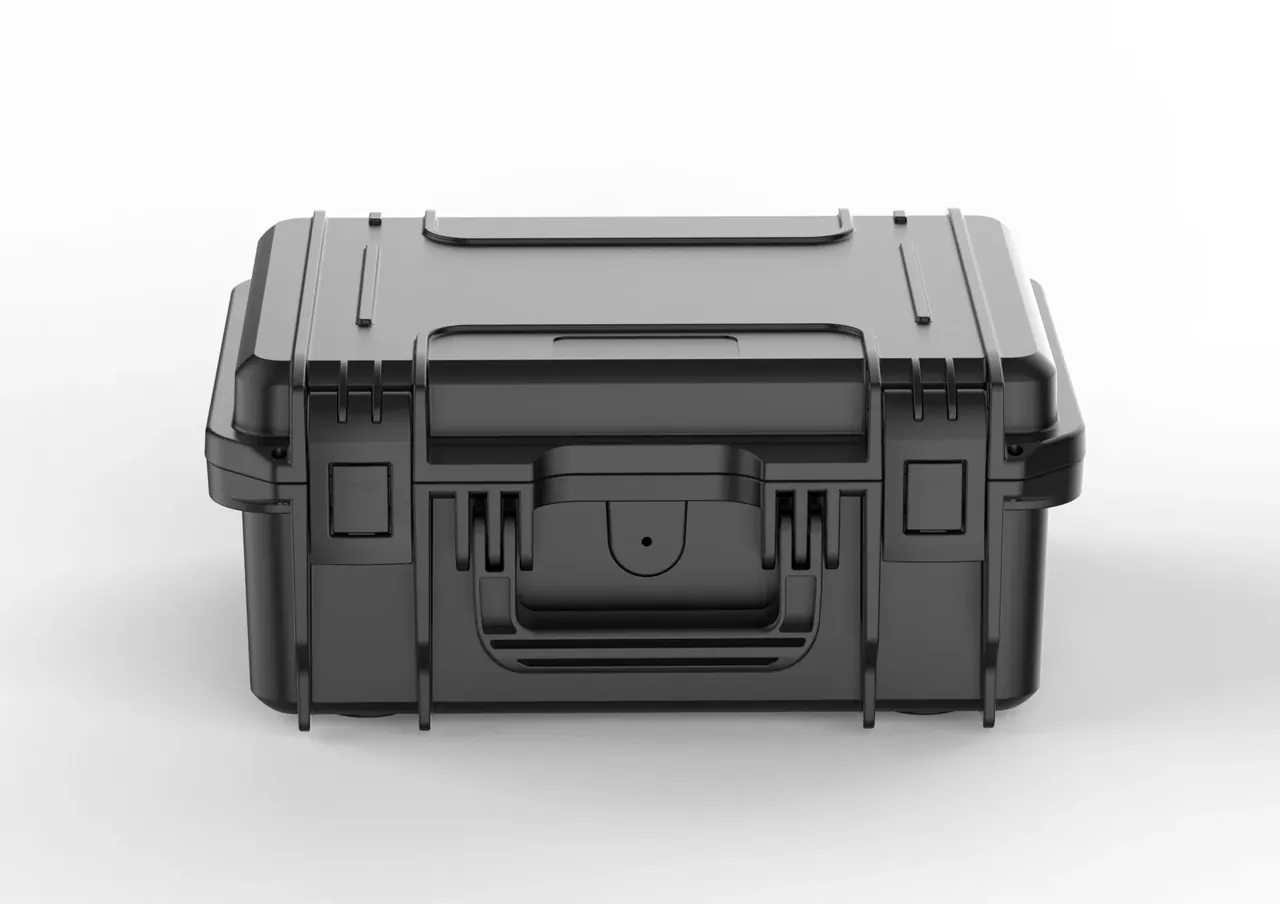
Position matters more than wording. Put a field on each long side and one on the lid, recessed so stickers survive handling and do not rub against the case stacked above. Size the main text for three metres, twenty millimetres of character height or more.
Rotation runs on dates. Print inspection and next-rotation dates on one removable sticker and peel it off when the batch changes; marker smears after two cycles. Colour coding stops at four. Keep an asset number field too, so checks read labels instead of opening lids.
5. A Selection Checklist
Confirm five items before ordering:
- Zone count and adjustment against a real load
- Loaded weight and the carriers it implies
- Label fields on three faces, read from three metres
- Rotation sticker position and replacement
- Stack tiers and lid flatness under a week of load
Zoning and weight decide whether the case works, labels decide whether it can be managed, and stacking decides warehouse cost.
Conclusion
Fix the order: loaded weight by carrying method, zones by the smallest response unit, labels by the zones. Check material and rating after those three line up, or the Emergency Supply Case fails at the first stock check.
This article covers container-side specifications and design intent only. It does not address any handling, loading or use of the contents.
Related Reading
- Emergency supply cases in reserve systems
- How an emergency kit case differs from a supply case
- Zoning and transfer in disaster relief cases
- Choosing a removable divider system
Related Products
- 8 Series — Gun Cases; Military Equipment Cases; Camera Equipment Cases; Drone Cases; Watch Cases; Knife Cases; First Aid Cases; Electronics Equipment Cases
- WL8-2812 PP Gun Case — model WL8-2812
- All protective cases and toolboxes: 7 series, 158 models