

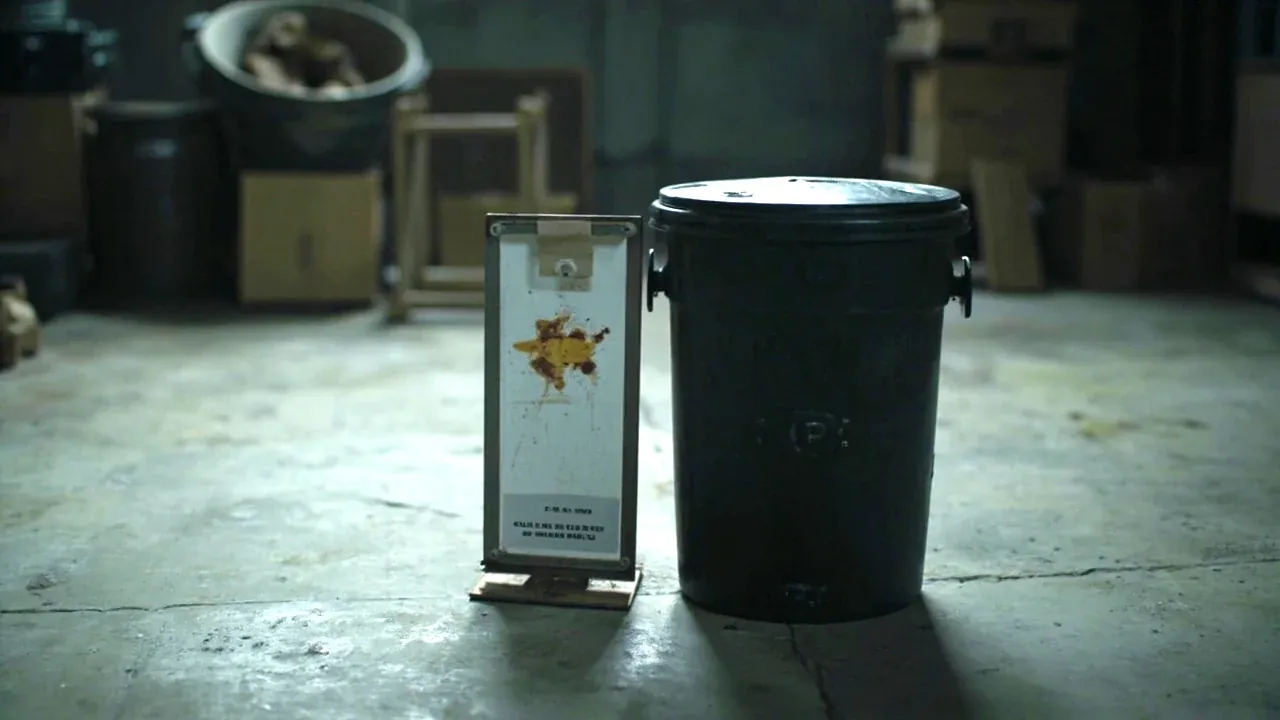
Quick answer: An explosive container is not about thicker walls but three things: isolating the contents, venting safely when pressure differs, and telling anyone at three metres what is inside. With all three it is a container; without them it is just a strong box.
Table of contents
- Three functions of an explosive container
- Isolation: three channels
- Venting: a balanced valve, not a hole
- Marking: three layers, three faces
- Selection and acceptance checklist
- FAQ
1. Three functions of an explosive container
Isolation comes first, across three channels: moisture, static and mechanical shock, answered by the gasket, the earth stud and internal cushioning. Miss one and protection is incomplete — and they appear in three different chapters of a datasheet.
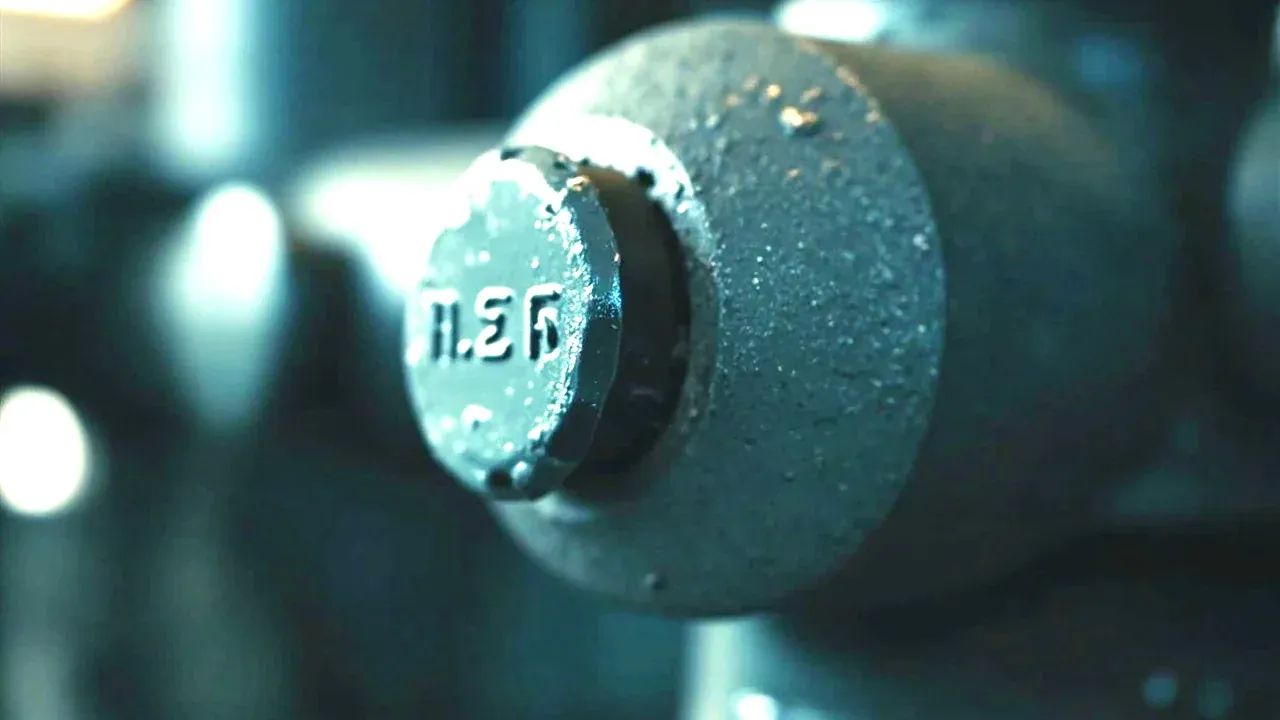
Venting is second. A sealed box builds a pressure difference, released the moment it opens; if the contents are static or friction sensitive, that moment is the risk. A balanced valve spreads the release across the core instead of the rim.
Marking is third and carries the most management value: a marking readable at three metres decides whether the first response is to move away or step closer.
| Function | Structure | Test | If missing |
|---|---|---|---|
| Moisture isolation | full gasket | paper strip | condensation |
| Static isolation | earth stud | earth resistance | discharge on opening |
| Shock isolation | internal cushioning | 1.2 m drop | contents shift |
| Venting | bidirectional valve | press the core | pressure release on opening |
| Marking | four faces | read at 3 m | wrong response on site |
2. Isolation: three channels
Moisture is closed by a full gasket and tested with a paper strip; static by an earth stud tested with a resistance meter; shock by internal cushioning tested with a 1.2-metre drop. Three tests, not one word.

Static is the most neglected: a rotomoulded shell insulates, charge from internal friction has nowhere to go, and it discharges through the hand on opening. An earth stud plus a conductive liner is cheap and is the only fix.
3. Venting: a balanced valve, not a hole
Venting needs a bidirectional valve, not a hole: a hole lets moisture straight in and cancels the sealing. A valve with a hydrophobic membrane passes gas and blocks vapour.
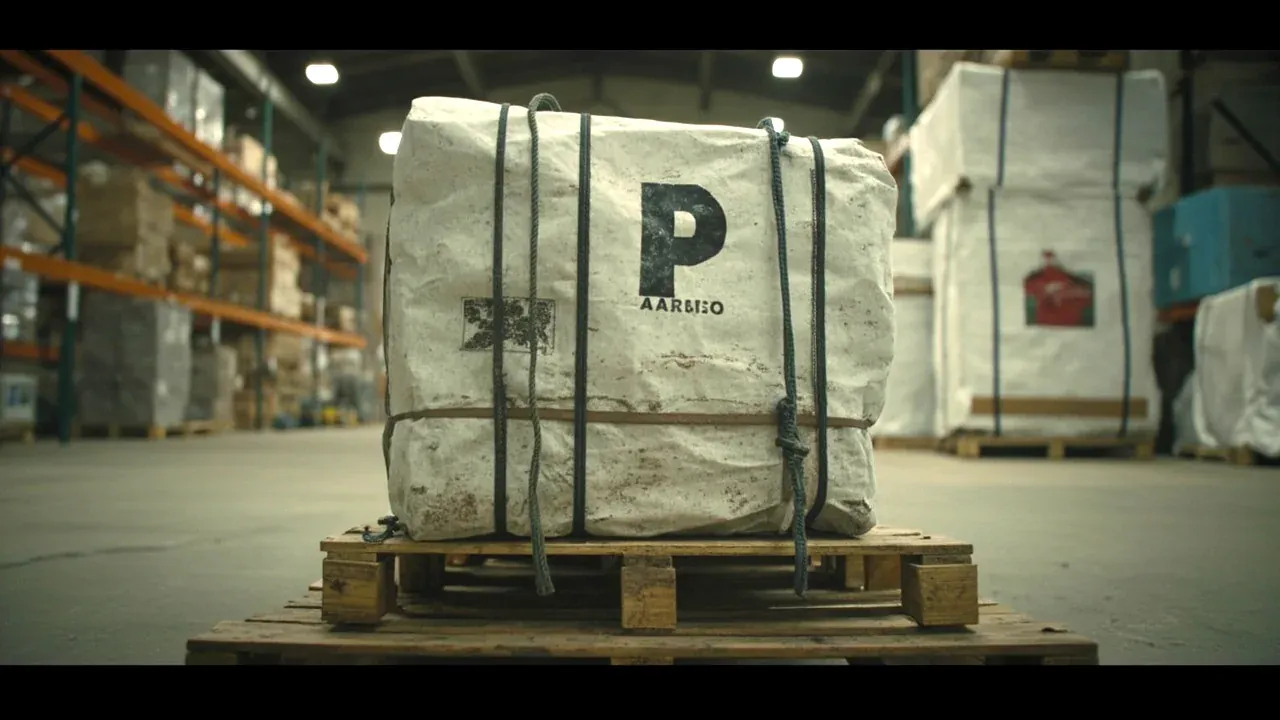
Place it on the lid, away from the latches. On the side, a tipped box can block the core with powder; near a latch, the opening motion presses the valve and invites misoperation.
4. Marking: three layers, three faces
Three layers: warning, management — number, batch, owner — and handling notes. Their lives differ: the warning should be moulded, management on a durable label, handling notes inside the lid where they are seen on opening.

Three faces minimum: two long sides and one end. Stacking always hides one face, so two-faced marking leaves half the stack unreadable. Size for three metres, about twenty millimetres.
5. Selection and acceptance checklist
Five selection points: a replaceable full gasket, an earth stud, a bidirectional valve, removable cushioning, and moulded marking on four faces. All visible on a sample without a laboratory.
Acceptance adds three: paper strip, earth resistance, and an empty 1.2-metre drop with a visual check. Twenty minutes covers the common failure modes, and splitting selection from acceptance keeps purchasing and use accountable.
Conclusion
Three sentences: isolate three channels, vent through a valve rather than a hole, and mark four faces readable at three metres. None mentions thickness, because thickness answers whether it survives a hit, while these answer whether a fault is seen in time.
This article covers container-side specifications and design implications only, not the handling, loading or use of the contents.
Related Reading
- Explosive container standards and acceptance
- What an ammunition box is
- Case seal materials
- Case repair and spare parts
Related Products
- 8 Series — Gun Cases; Military Equipment Cases; Camera Equipment Cases; Drone Cases; Watch Cases; Knife Cases; First Aid Cases; Electronics Equipment Cases
- WL8-2812 PP Gun Case — model WL8-2812
- All protective cases and toolboxes: 7 series, 158 models