


Quick answer: Standards split into three groups: structural (wall, stacking, drop), functional (sealing, venting, earthing) and administrative (marking, numbering, records). The administrative group is the one most often skipped, and the first one asked about in an inspection.
Table of contents
- Three groups of requirements
- Structure: thickness is only the start
- Function: three measurable figures
- Administration: the group most often skipped
- How to lay out the acceptance sheet
- FAQ
1. Three groups of requirements
Structure answers whether it holds: wall and ribs, tier count and base load, integrity after a six-face drop. Function answers whether it keeps: gasket compression, valve cracking pressure, earth resistance. Administration answers whether it can be identified: marking content, numbering, records.

All three must pass; none substitutes for another. Good structure with a slack gasket still admits moisture, and full function without a number cannot be traced. Three separate sheets find problems faster than one long list, and each sheet can be signed by a different person, which keeps selection and use apart.
| Group | Typical requirement | Acceptance |
|---|---|---|
| Structure | wall over 4 mm, no dent at two tiers | caliper and stack test |
| Function | 20 percent compression, valve under 30 kPa | paper strip and pressure test |
| Administration | four faces, unique number, records | sample the log |
2. Structure: thickness is only the start
Thickness is the visible part and the least decisive: ribs at the base junction make four millimetres enough, while six millimetres without ribs still dish under two tiers.

Drop tests cover ten attitudes, with the bottom corner and long edge critical. Once those deform, the sealing face follows and functional results fail with them — structure is the precondition for function, not a separate item.
3. Function: three measurable figures
Sealing is measured as compression, usually twenty percent or more: take the gasket out, measure, refit and clamp, measure again, and divide the difference by the original.

Venting is the cracking pressure, typically under thirty kilopascals, read from a gauge applied outside. Earthing is resistance, usually under ten ohms. All three leave numbers on the sheet, provided the conditions are recorded: compression reads low in the cold, and cracking pressure reads high if pressure is applied quickly. Differences between batches measured under different conditions are not quality drift, and the sheet should state the temperature and the method used.
4. Administration: the group most often skipped
Administrative requirements barely appear at purchase and are the first thing asked in an inspection: four-face marking, a unique number, and a record that maps to it.
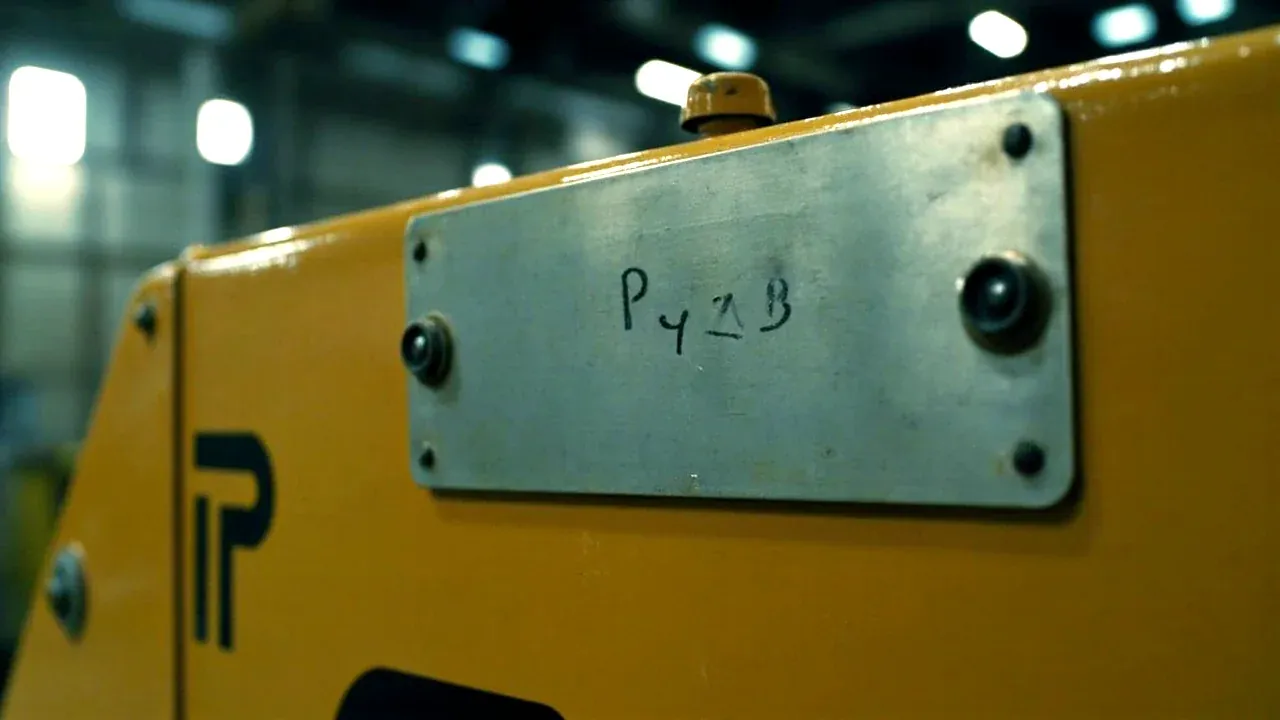
Fix the numbering rule once: length, meaning, who allocates. Changing it later voids the history. Two category digits plus four serial digits is enough and short enough to write by hand.
5. How to lay out the acceptance sheet
Three columns with measured value and verdict: structure for dimensions and tiers, function for compression, cracking pressure and resistance, administration for faces and uniqueness. Filled in, the sheet is the container's file.
Sample five percent per batch across production dates. Administration can be checked in full because it costs nothing, while structure and function are sampled and a single failure rejects the batch. Keep full checks to ten minutes and sampled checks to numbers that can be reproduced, or the sheet becomes a form nobody fills in.
Conclusion
Three groups: structure by ribs, function by three measurable numbers, administration by marking and numbering. All three together make a pass, and administration is the group buyers skip and inspectors ask about. Split the sheet three ways and it becomes the container's file.
This article covers container-side specifications and design implications only, not the handling, loading or use of the contents.
Related Reading
- What an explosive container is
- What an ammunition box is
- Ammunition container specifications
- Case seal materials
Related Products
- 8 Series — Gun Cases; Military Equipment Cases; Camera Equipment Cases; Drone Cases; Watch Cases; Knife Cases; First Aid Cases; Electronics Equipment Cases
- WL8-2812 PP Gun Case — model WL8-2812
- All protective cases and toolboxes: 7 series, 158 models