

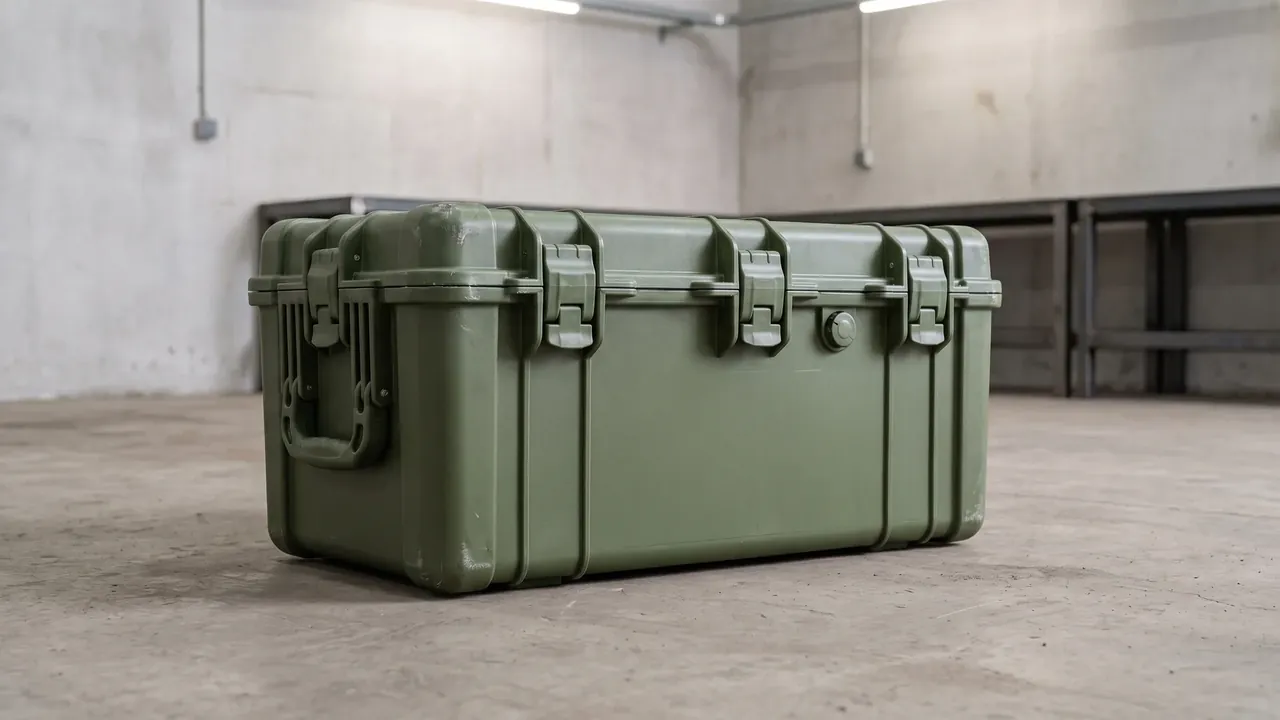
Quick answer: An explosive storage box is an industrial packaging container within a dangerous-goods storage and transport chain. Its design requirements concern the container itself: structural strength (drop and crush performance), locking and controlled opening, anti-static and spark-suppressing material selection, and packaging marks matched to the intended use. One boundary must be stated clearly: the storage of explosive materials is itself a licensed, regulated activity — the container is one link in the compliance chain. This article discusses container design and procurement only; it does not cover any storage practices.
Table of contents
- Boundary statement: the container is one link
- Five core design requirements
- Materials: anti-static and spark suppression
- Locking and controlled opening
- Marking and document acceptance
- FAQ
1. Boundary statement: the container is one link
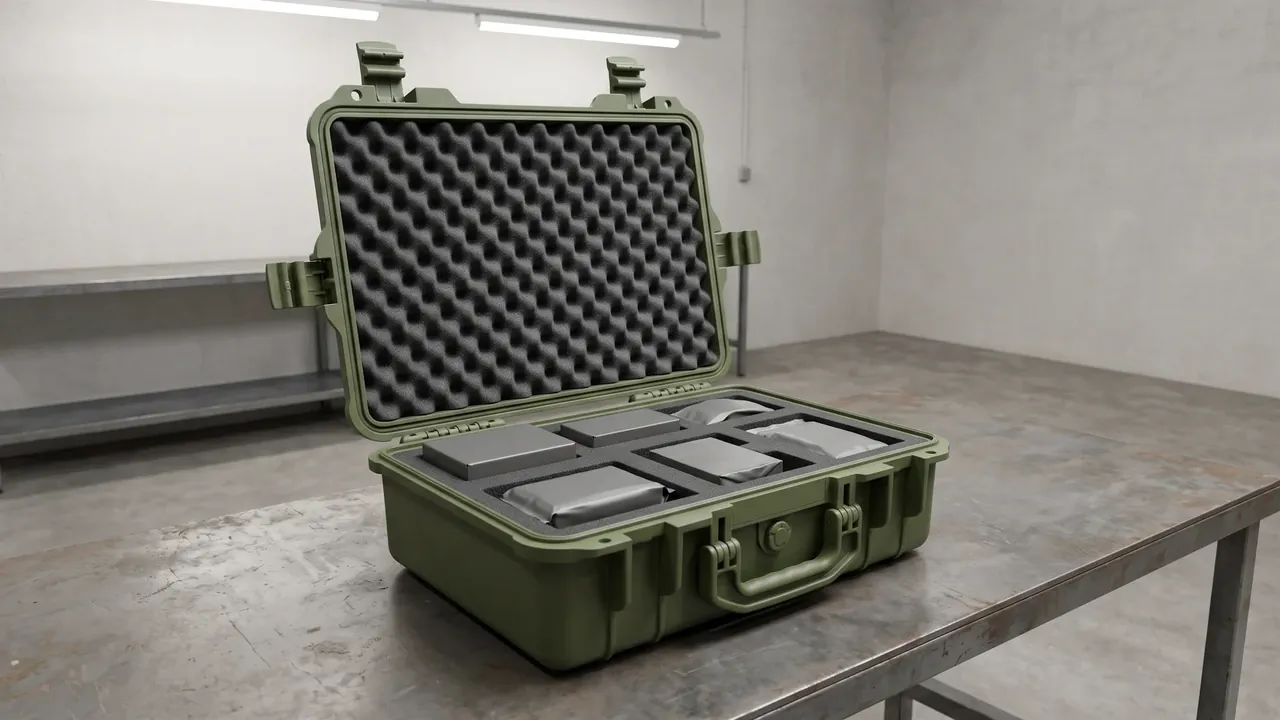
Before the design requirements, the boundary: the storage, transport and use of explosive materials are licensed and regulated in every jurisdiction (in China, under the Regulation on the Safety Administration of Civil Explosive Items and related laws). The container maker and the buyer carry different scopes of responsibility.
The maker's responsibility ends at: manufacturing to the agreed performance, truthful marking, and structural consistency with stated performance. The buyer's responsibilities include obtaining the required permits and using the container per regulations. No container substitutes for permits and oversight — this should be part of the procurement consensus to avoid mutual misunderstanding of duties.
Everything below is limited to container engineering.
2. Five core design requirements
From a container-engineering view, packaging for high-hazard contents has five core requirements:
| # | Requirement | Engineering meaning |
|---|---|---|
| 1 | Structural strength | Meets drop and stacking test grades; reinforced corners and base |
| 2 | Locking structure | Two or more lock points; supports sealing and controlled opening |
| 3 | Material safety | Liner and shell do not generate sparks or accumulate static |
| 4 | Marking compliance | Carries the packaging marks required by the transport mode |
| 5 | Traceability | Batch numbers, test files and marks correspond one to one |
Together these form the minimum set of "container-side compliance". Any one missing means the case should not enter the corresponding chain — regardless of appearance or price.
3. Materials: anti-static and spark suppression
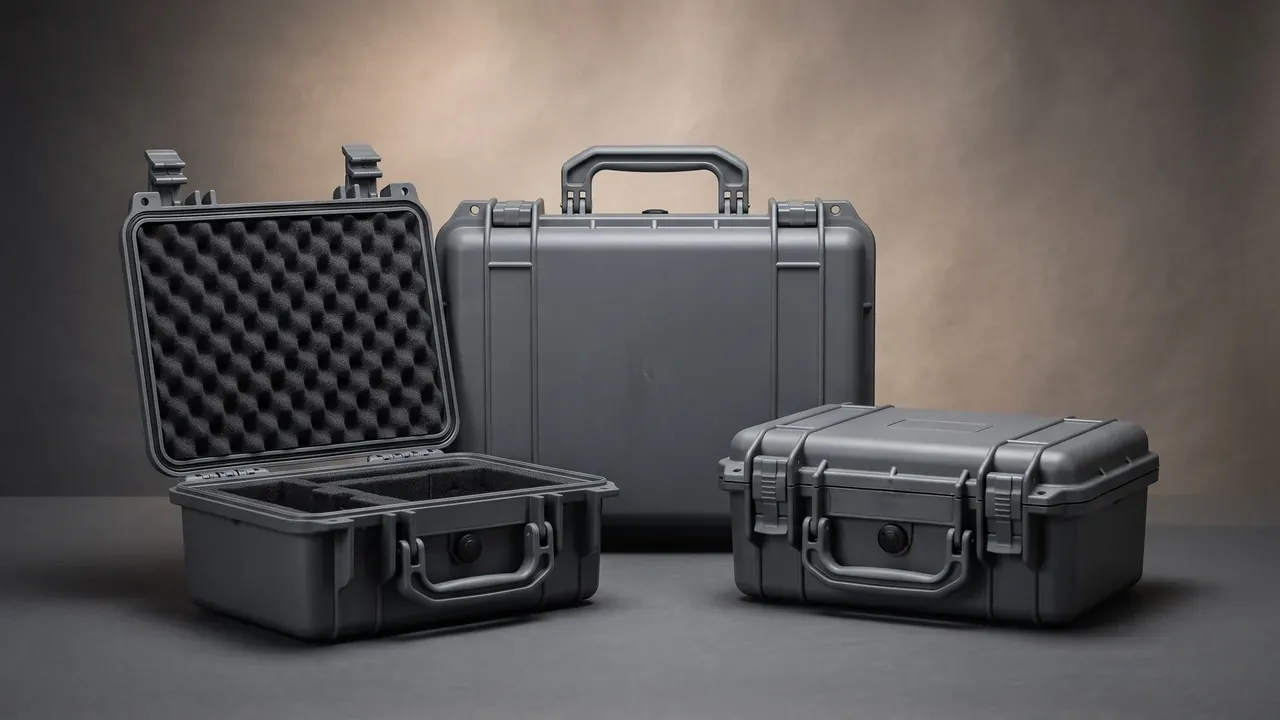
Two mainlines at the material level:
- Anti-static: ordinary plastics accumulate charge through friction. Engineering measures include ESD-modified materials, surface-resistance control and grounding provisions. Whether an ESD grade is needed, and to what level, depends on the contents and use — write it into the technical agreement;
- Spark suppression: hardware (hinges, latches, handles) is selected and mounted to avoid friction-spark risk; liner materials follow the same no-friction-spark principle.
These two points are the signature design features that separate this class of container from ordinary protective cases. Acceptance should require written material specifications and surface-resistance data — not a visual judgment.
4. Locking and controlled opening
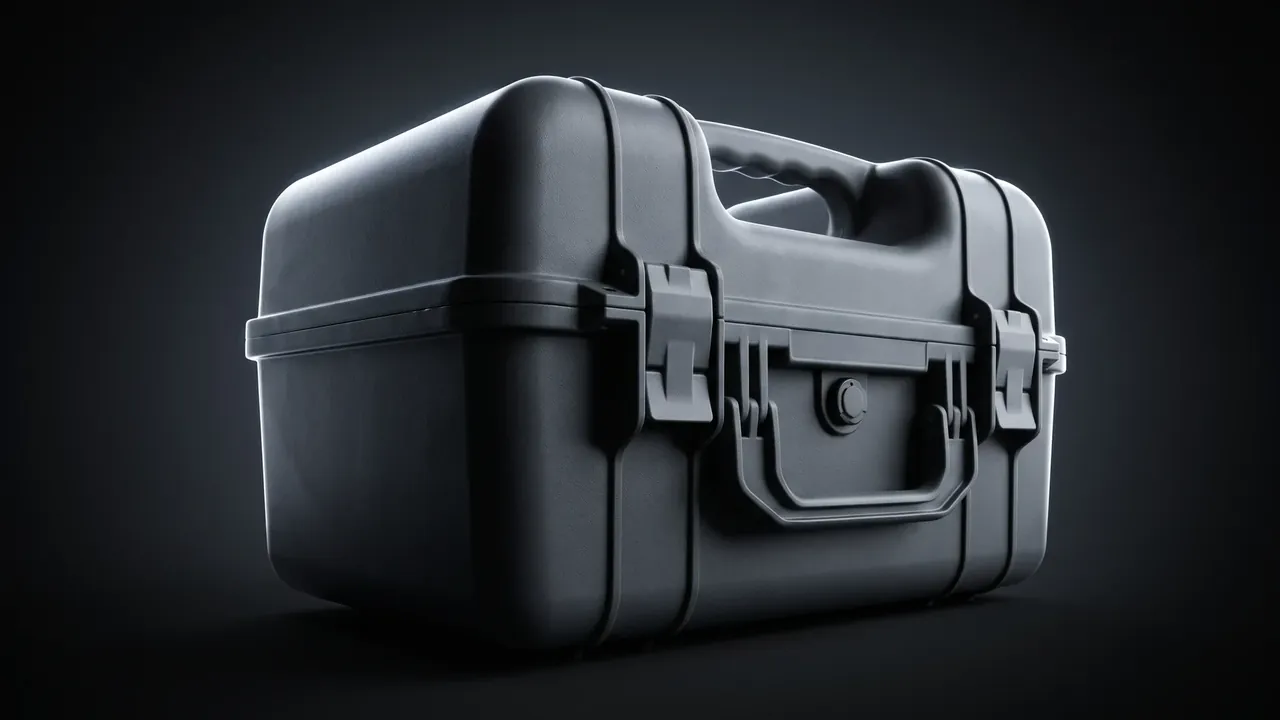
Controlled opening has two engineering goals: it cannot be opened without authorization, and authorized opening leaves a trace.
- Lock count and placement: two or more points, diagonal or at both ends of the long edge, so a single point cannot fail alone;
- Sealing capability: supports lead seals, numbered seals or security ties, so each opening is recordable;
- Key/code management: the lock hierarchy should interface with the user's management process — this is the design seam between the container and the management system.
State "sealing method" and "opening-trace method" as explicit contract terms rather than relying on defaults — management processes differ widely between users, and defaults rarely match.
5. Marking and document acceptance
Following the general acceptance framework for dangerous-goods packaging, verify:
- Marking consistency: every mark element matches the performance-test file;
- Test documentation: reports or declarations for drop, stacking and (where applicable) sealing tests;
- Structural consistency: production cases match the tested sample in structure and material;
- Material parameters: ESD grade, surface resistance and similar data stated in writing;
- Batch traceability: batch numbers trace to production and test records.
Acceptance of the container is acceptance of document-to-product consistency — that phrase is the core of the whole exercise.
Conclusion
"Selecting" an explosive storage box means, in practice, choosing a container whose documents and physical product agree, inside the regulatory framework: structural strength, controlled locking, anti-static and spark suppression, marking and traceability — five items, none optional. Hold two boundaries at the same time — the container does not replace permits, and the maker does not carry the user's regulatory duties. Writing both boundaries and the five requirements into the procurement agreement is the most effective risk control in this category.
This article discusses container design and procurement only. It does not cover any storage practices; applicable legal requirements follow current laws and regulations.
Related Reading
- Explosive Storage Box vs Mobile Storage Cabinet: Fixed vs Mobile Trade-offs
- explosive-storage-case-maintenance
- Compliant Design of Explosive Storage Boxes and Explosive…
Related Products
- 8 Series — Gun Cases; Military Equipment Cases; Camera Equipment Cases; Drone Cases; Watch Cases; Knife Cases; First Aid Cases; Electronics Equipment Cases
- WL8-2812 PP Gun Case — model WL8-2812
- All protective cases and toolboxes: 7 series, 158 models