

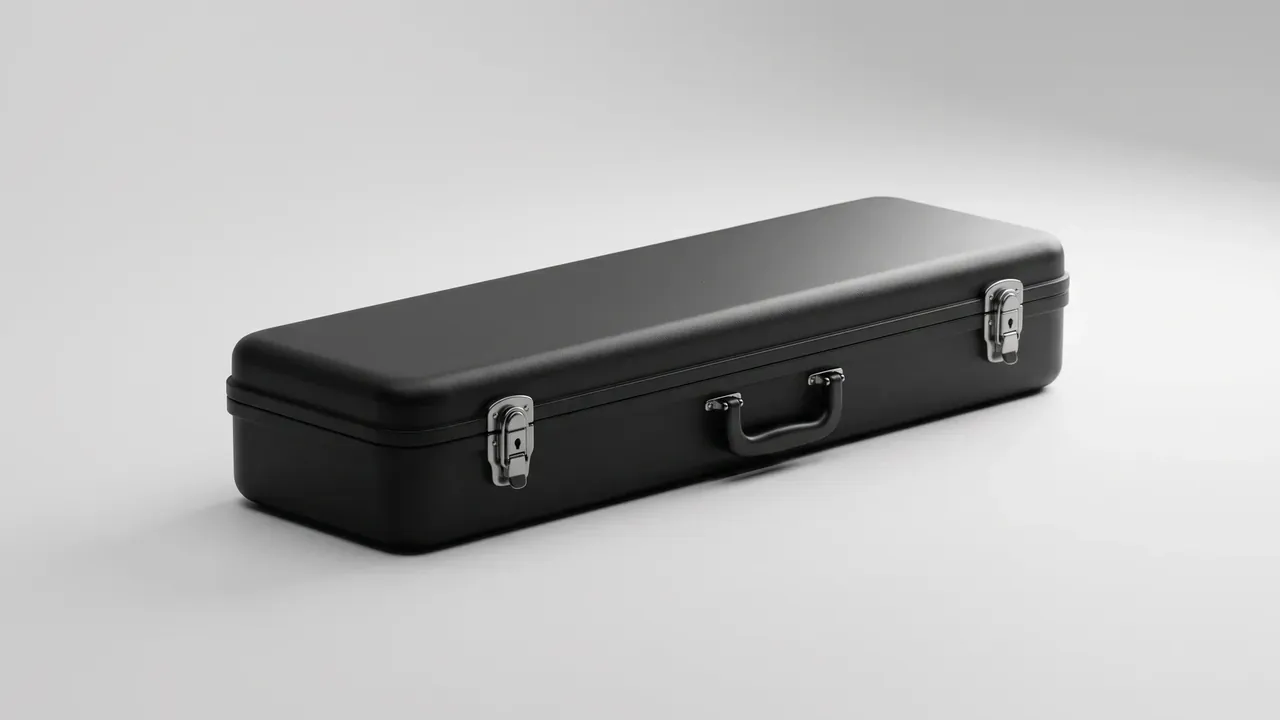
Quick answer: Configuring a high-hazard-content storage case for field work — surveying, line construction, field camps — comes down to three questions: can it be moved (weight and handling), can it survive (drops, rain, temperature swings), and can it be controlled (seals, counts, handovers). The logic: set capacity by work pattern, shell by environmental stress, locks by management system. This article covers container configuration only; it does not cover any storage practices.
Table of contents
- Three stress classes a field container must face
- Set capacity and handling by work pattern
- Shell and sealing trade-offs in the field
- Locking, sealing and handover control
- Quick configuration table
- FAQ
1. Three stress classes a field container must face
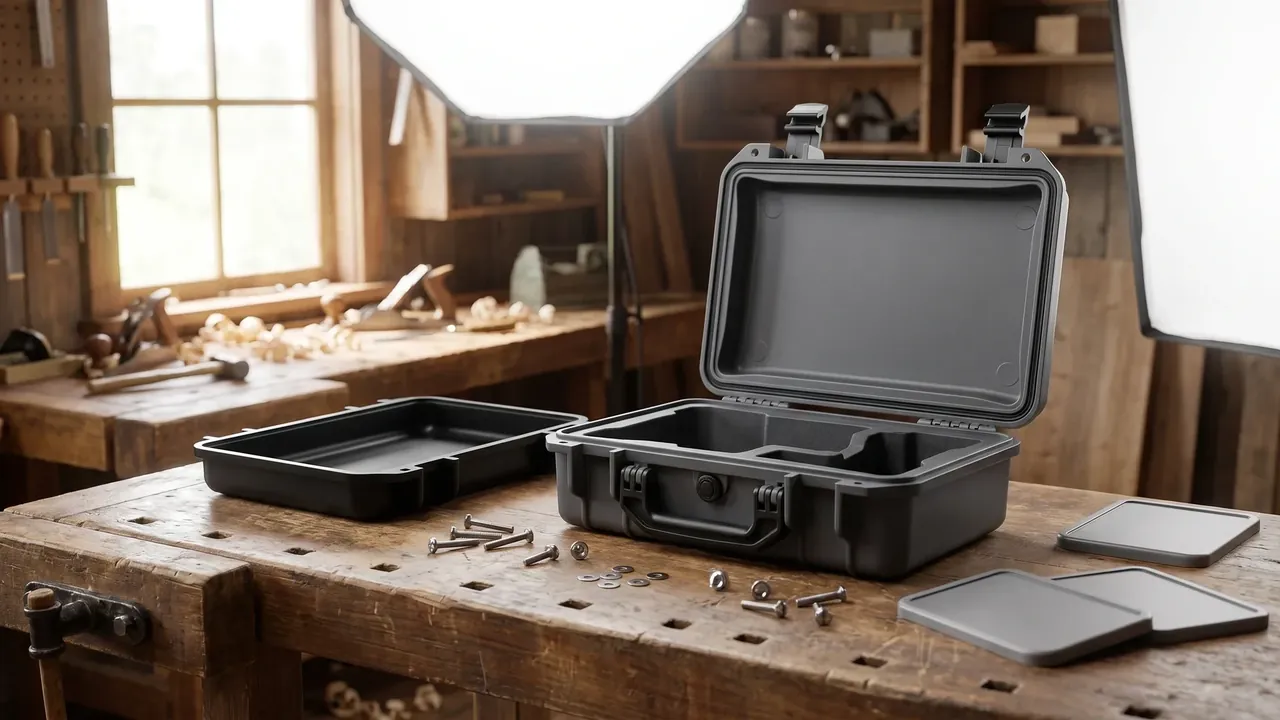
The field differs from an indoor store in one way: stresses are uncontrolled. The container faces three classes simultaneously:
| Stress | Typical source | Container requirement |
|---|---|---|
| Mechanical | Handling, drops, vehicle vibration, stacking | Thickened shell, reinforced corners, reliable latches |
| Climate | Rain, sun, day–night swings, humidity | Gasket, drain/relief valve, UV-stable material |
| Managerial | Many hands, remote handovers, temporary storage | Seal points, numbering, countable design |
Indoors, the environment can compensate for a weak container; in the field it cannot — the case must carry all three stress classes alone. That is the fundamental difference in field configuration.
2. Set capacity and handling by work pattern
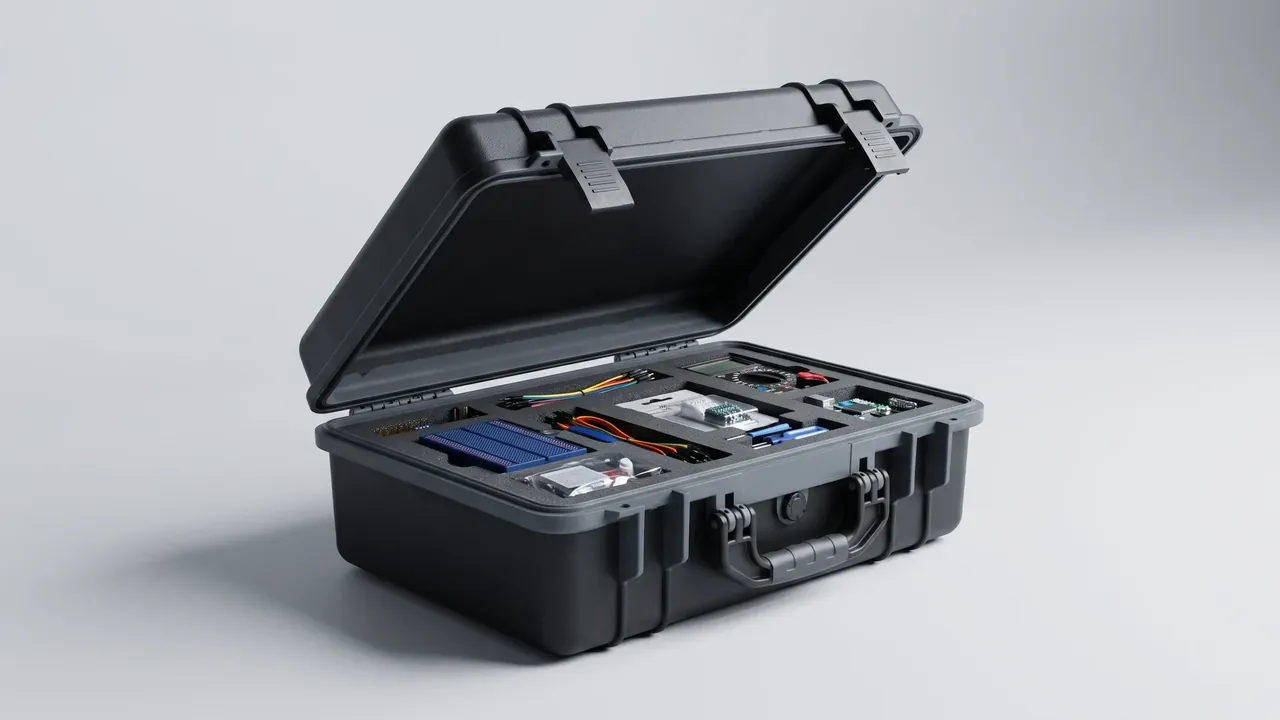
Capacity follows the work pattern, not the opposite:
- Carried by hand: loaded weight within safe single-person limits (industry practice references 20–25 kg); prefer several small cases over one large one;
- Vehicle transit: larger capacity is fine, but the external form must match tie-down points and stacking space, with lashing points fitted;
- Camp storage: stacking efficiency first — stackable structures with confirmed load-bearing zones.
The common mistake is "fewer trips with bigger cases" — an overloaded case exceeds safe manual handling, gets broken down in practice anyway, and the design intent is lost. Capacity obeys handling; that is the first rule of field configuration.
3. Shell and sealing trade-offs in the field
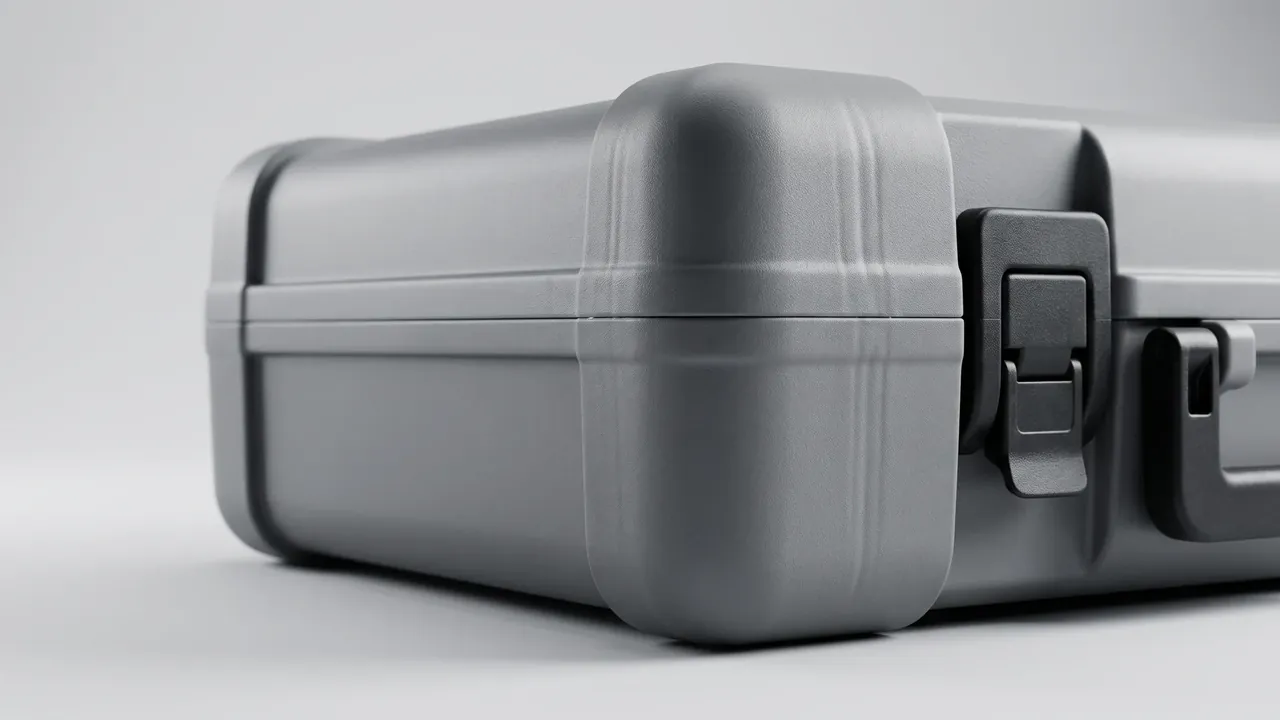
Material priorities reorder in the field:
- Drop resistance over stiffness — roto-molded PE and thick-wall PP handle drops better; aluminum buys rigidity at the cost of dents and scratches, a poor trade outdoors;
- Sealing means "breathing" — in high day–night swing regions (plateau, desert, seasonal transitions) a pressure-relief valve is nearly mandatory; otherwise the gasket is cycled by pressure differential and ages fast;
- UV stability — cases stored open-air for long periods need UV-stabilized shells, or they chalk and embrittle within a few years;
- Visibility — loss risk is higher outdoors; high-visibility colours or reflective markings reduce abandonment incidents.
4. Locking, sealing and handover control
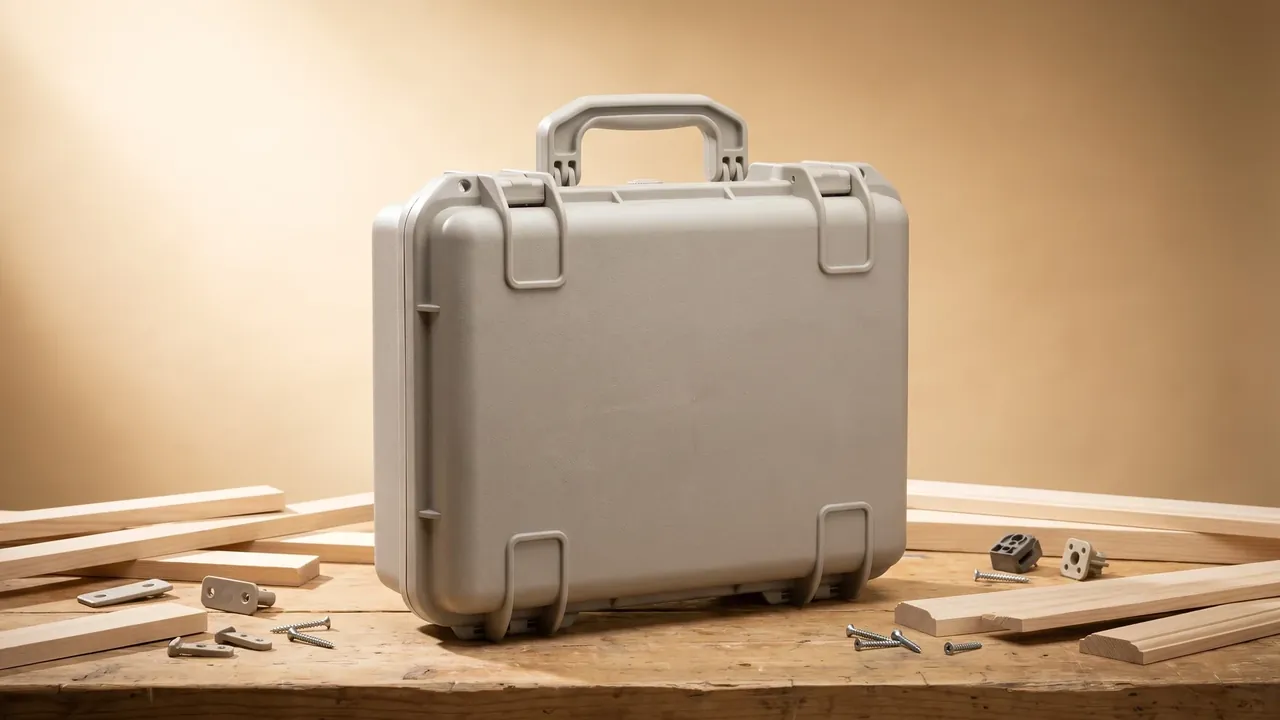
With many hands and multiple handovers, the container becomes the record carrier:
- Two-point locking + seal point: prevents accidental opening in transit; security ties make every opening traceable;
- Numbering system: case numbers map to a ledger; handovers log by number, and a missing case is visible immediately;
- Key/code tiers: field lead and store keeper hold different tiers, avoiding "everyone can open";
- Emergency-open procedure: what to do when a key is lost or a seal breaks — pre-agreed in the management system.
These are not optional accessories; they are the highest-priority part of field configuration — a lost case can be replaced, a broken record cannot.
5. Quick configuration table
| Item | Carried work | Vehicle work | Camp storage |
|---|---|---|---|
| Capacity | Several small cases | Large cases + tie-downs | Stackable large cases |
| Shell | Roto-molded / thick PP, light | Vibration-reinforced | Defined load zones |
| Sealing | IP65 + relief valve | IP65 | IP67 + drainage |
| Locking | Two-point + seal + numbering | Same | Same + ledger linkage |
| Extras | High-visibility markings | Lashing points | Stack interlocks |
Conclusion
Field configuration is the act of translating handling, environment and management constraints into container parameters: capacity from work pattern, shell and sealing from environmental stress, locks and seals from the management system. Constraints before products — get that order right and the configuration cannot drift far; pick products first and force-fit scenarios, and you get the classic mismatch of a fine case that the site cannot use.
This article covers container configuration only. It does not cover any storage practices; applicable regulatory requirements follow current laws.
Related Reading
- Explosive Storage Box: The Container Compliance Boundary
- Explosive Storage Case: Daily Inspection and Service-Life Management
- Explosive Storage Box vs Mobile Storage Cabinet
Related Products
- 8 Series — Gun Cases; Military Equipment Cases; Camera Equipment Cases; Drone Cases; Watch Cases; Knife Cases; First Aid Cases; Electronics Equipment Cases
- WL8-2812 PP Gun Case — model WL8-2812
- All protective cases and toolboxes: 7 series, 158 models