

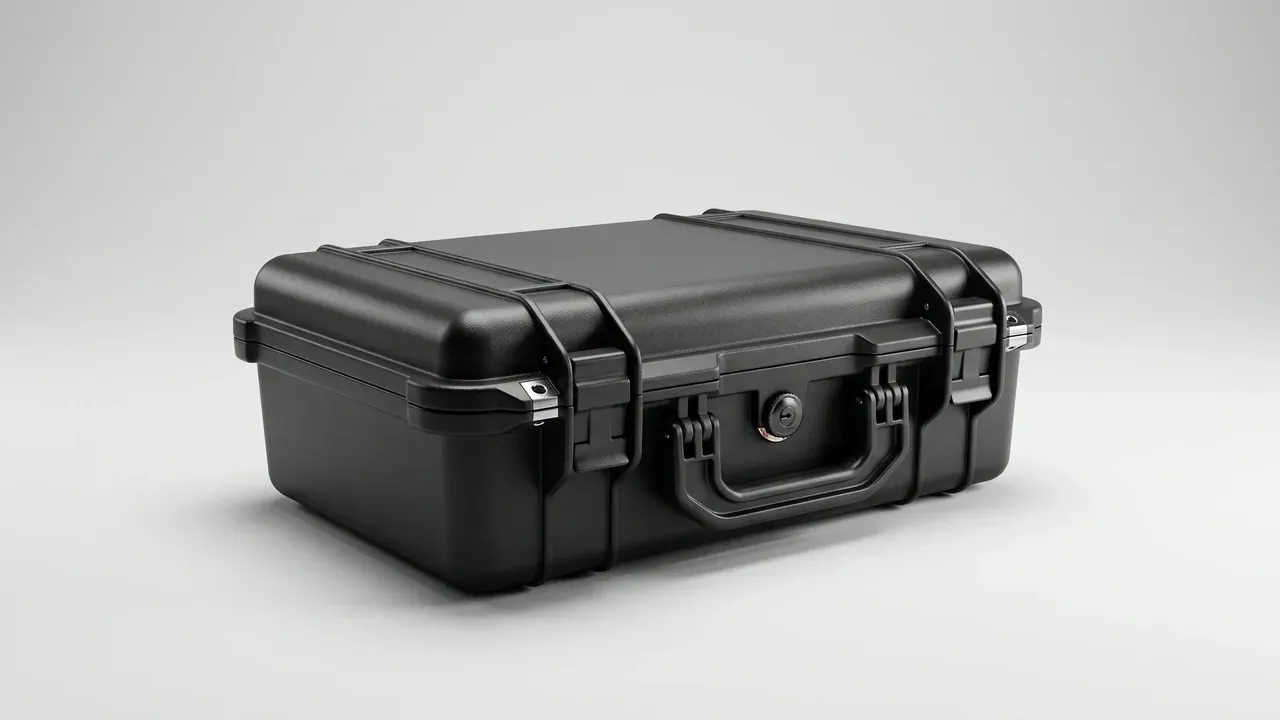
Quick answer: Shooting ranges and law-enforcement units are the two largest institutional users of firearm storage cases, and their configuration logic differs sharply: ranges are high-turnover, high-count, daily-close, so the focus is itemized inserts and loan-out flow; law-enforcement units are person-accountable, long-issued, controlled-access, so the focus is numbering systems, lock hierarchy and integration with store control. Both share one requirement — countability: the case's value is not looks but making count and state verifiable at any moment. This article covers container configuration only.
Table of contents
- How the two institution types differ
- Range configuration
- Law-enforcement unit configuration
- Shelving and cases: dividing the work
- Quick comparison table
- FAQ
1. How the two institution types differ
See the management model first; only then does configuration land:
| Dimension | Shooting range | Law-enforcement unit |
|---|---|---|
| Frequency | High (multiple times daily) | Medium (shift change / duty) |
| Accountable party | The venue (venue property) | The individual (logged to person) |
| Flow scope | Between counter and firing points | Between unit store and duty posts |
| Management goal | Counts reconcile, loss controlled | Accountability traceable, controlled opening |
| Configuration focus | Itemized lists + fast issue/return | Numbering + lock hierarchy |
The conclusion is direct: ranges need efficiency-grade countability, units need accountability-grade traceability. Same goal, entirely different implementation.
2. Range configuration
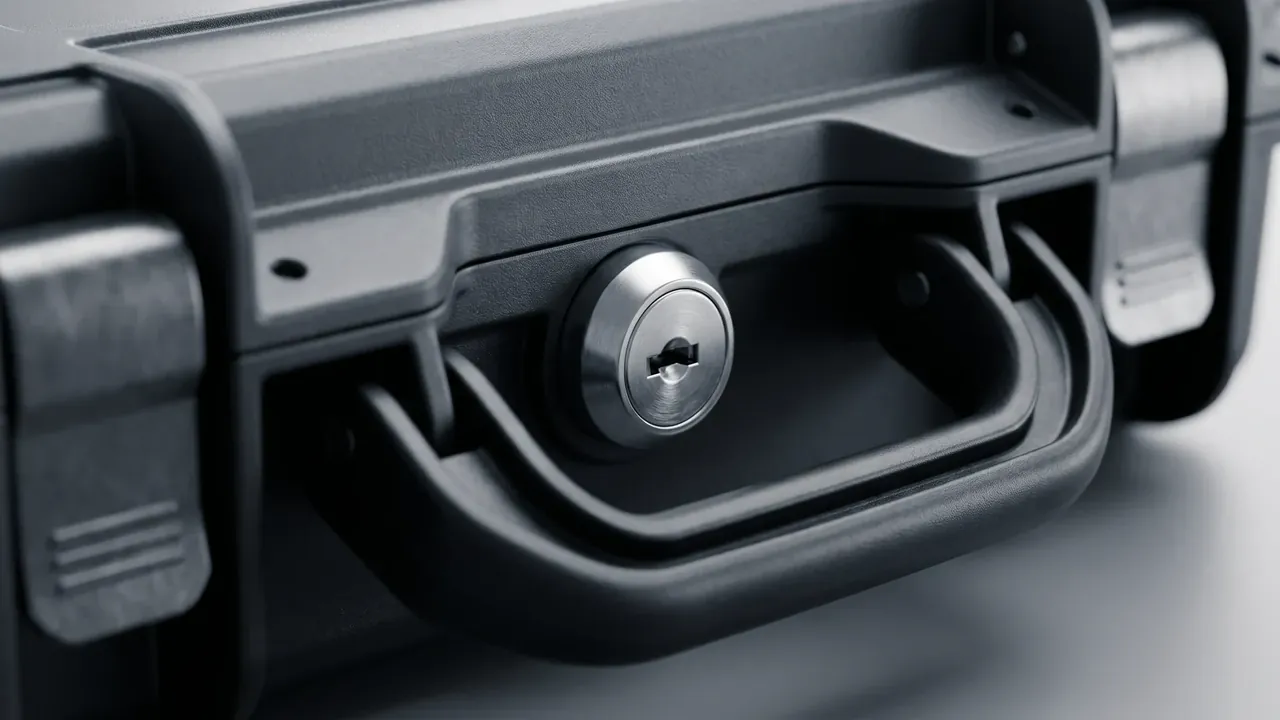
Three configuration points for ranges:
Point 1 — Itemized inserts, not compartments. Ranges hold many models in high counts; fixing every item in its own slot is impractical. The common approach is CAD/CNC-cut long channels plus a numbered list: channels map to models, the list maps to quantities, and a missing channel reveals a missing item at a glance.
Point 2 — Route loan-outs by case, not by item. Counter issues happen at case level; returns are checked against the list. Case-level flow is far faster than per-item logging, and a sealed case cannot be opened mid-flow.
Point 3 — Wear resistance and cleanability outrank protection grade. The indoor environment is controlled, so top IP grades are unnecessary; high-frequency opening and frequent handling instead demand hardware life and surface durability, with easy-clean finishes.
3. Law-enforcement unit configuration
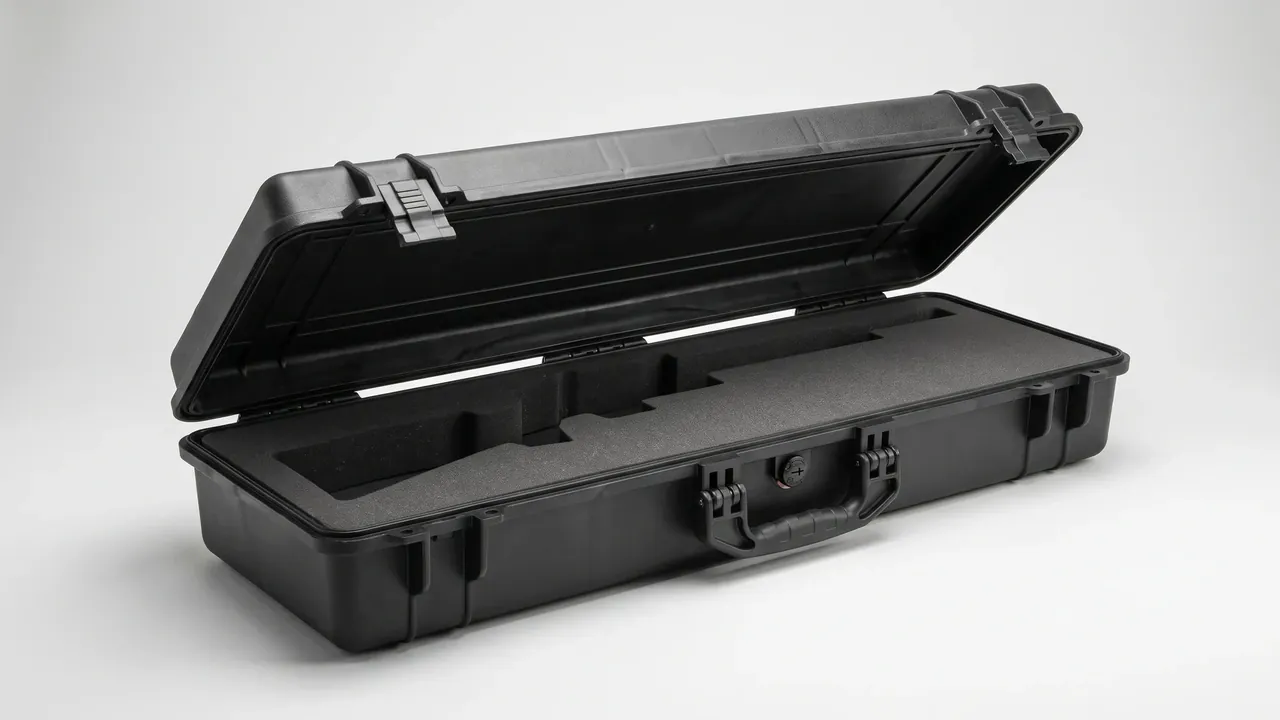
Three configuration points for law-enforcement units:
Point 1 — The numbering system is the core. Silkscreen or laser-mark each case with unit number, case serial and responsible-person field. Numbering is not only identification; it lets the case-item-person relationship be confirmed in one glance.
Point 2 — Lock hierarchy matching the management system. Two-point locking plus padlock loops or combination locks; keys and codes managed by tier (responsible person, duty officer, storekeeper), avoiding "everyone can open." Traceable opening (combination lock logs or security seals) is extremely valuable for accountability.
Point 3 — Integration with store control. Case design must work with store shelving, in/out registers and camera positions — external dimensions, stacking method and opening-face orientation all affect store operations. Confirm the store layout with the user before purchase.
4. Shelving and cases: dividing the work
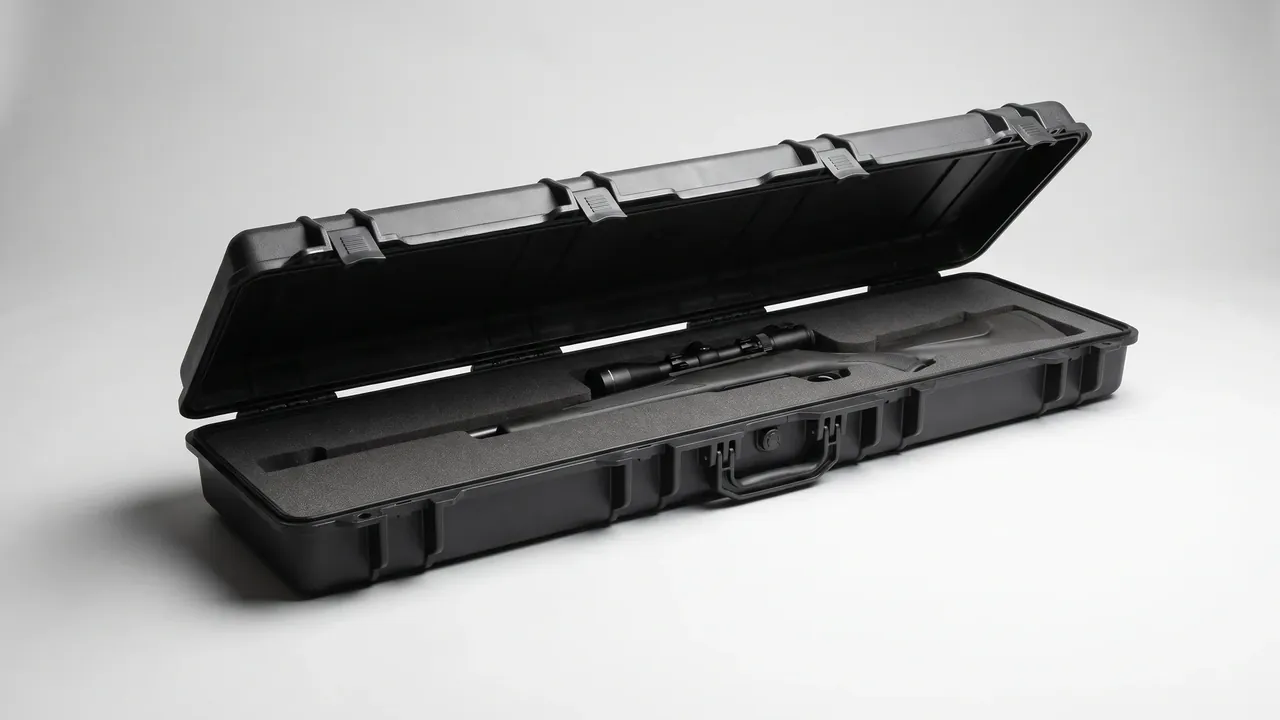
Both institution types face the "shelving or cases" question; the rule is:
- High-frequency access + item management → shelving wins (open access, no opening required);
- Batch storage + need for sealing → cases win (whole-unit handover, protection in transit);
- Mixed scenarios → shelving for frequently used items, cases for spares and outbound items.
The essential point: the case's irreplaceability is that it can leave the building. Shelving cannot participate in transit; a case can. So divide by "does it need to leave the store," not by quantity.
5. Quick comparison table
| Item | Shooting range | Law-enforcement unit |
|---|---|---|
| Insert | Long channels + list | Compartments + number positions |
| Flow unit | The case | Case + item-level log |
| Locks | Mostly seals (controlled in store) | Two-point locking + seals + tiered keys |
| Marking | Model-list numbering | Unit no. + case serial + responsible person |
| Shell priority | Wear, cleanability, hardware life | Rigidity, sealing, stack stability |
| Store integration | Counter-side storage | Shelving + case mix |
Conclusion
Configuring firearm storage cases for institutions means translating the management model into container parameters: ranges need efficiency, so they get itemized inserts and sealed case-level flow; units need accountability, so they get numbering, lock hierarchy and store integration. Both rest on the same technical base — countability. Every design trade-off in the case should serve the goal of "count and state confirmable at any time."
This article covers container configuration only. It does not cover anything about the handling of items placed inside.
Related Reading
- What Is a Firearm Storage Case: Types, Materials and Protection Levels
- military-firearm-case-selection-guide
- Weapon Storage Cabinet and Field Armoury: Storage Tiering…
Related Products
- 8 Series — Gun Cases; Military Equipment Cases; Camera Equipment Cases; Drone Cases; Watch Cases; Knife Cases; First Aid Cases; Electronics Equipment Cases
- WL8-2812 PP Gun Case — model WL8-2812
- All protective cases and toolboxes: 7 series, 158 models