


Quick answer: Datasheets list size and item count, neither of which decides usability. Three figures do: layer count and opening method, sealing level, and marking position and size. The opening is the one most often missed.
Table of contents
- Three specifications that matter
- Layers: where one ends and two begins
- Sealing and material
- Marking and mounting
- Acceptance and how to write the sheet
- FAQ
1. Three specifications that matter
Layers and opening set access speed: a single wide layer is fastest, two layers with a tray next, and three layers is no longer a kit. Below ninety degrees the lid falls back and one hand must hold it.

Sealing sets shelf life: dressings and tape are humidity sensitive, so a full gasket and a compression rim are the minimum. Latches without a groove let dressings soften within three to six months.
Marking position and size decide whether it is found under stress: front and both sides, at least twenty millimetres high. A single-side label disappears when units stand side by side.
| Specification | Typical | Test | If short |
|---|---|---|---|
| Layers | one or two | open and look | searching to reach |
| Opening angle | 90 degrees or more | measure and release | one hand holds the lid |
| Sealing | full gasket | paper strip | dressings soften |
| Marking | three faces, 20 mm | read at 3 m | missed on a shelf |
2. Layers: where one ends and two begins
One layer suits kits under fifteen items, all visible at once; two layers suit fifteen to twenty-five, with frequent items above and resupply below. Beyond two the search begins and the purpose is lost.

A tray must lift out whole; a fixed one just splits the stock in two. Test whether it goes back with one hand — if not, the fit is too tight.
3. Sealing and material
Sealing needs a full gasket with a compression rim, and the gasket should be replaceable since it is a consumable that loses rebound in two to three years. Rotomoulded polyethylene resists knocks and wipes clean; soft kits seal poorly but carry light.
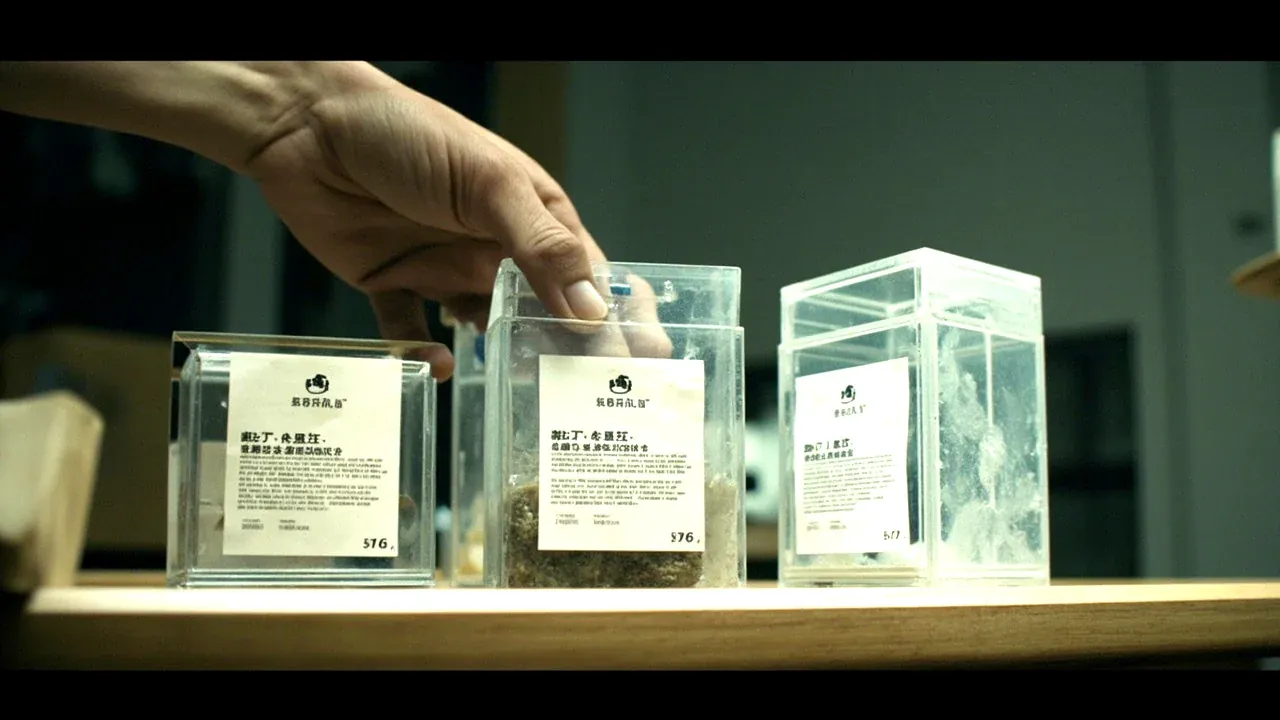
Cleanability matters too: the interior must be wipeable with no deep grooves, and foam liners should lift out whole, or liquids soak in with no way to clean them.
4. Marking and mounting
Mark three faces at twenty millimetres with the name and the last check date. The date is often dropped and is the fastest way to judge whether the case is usable.
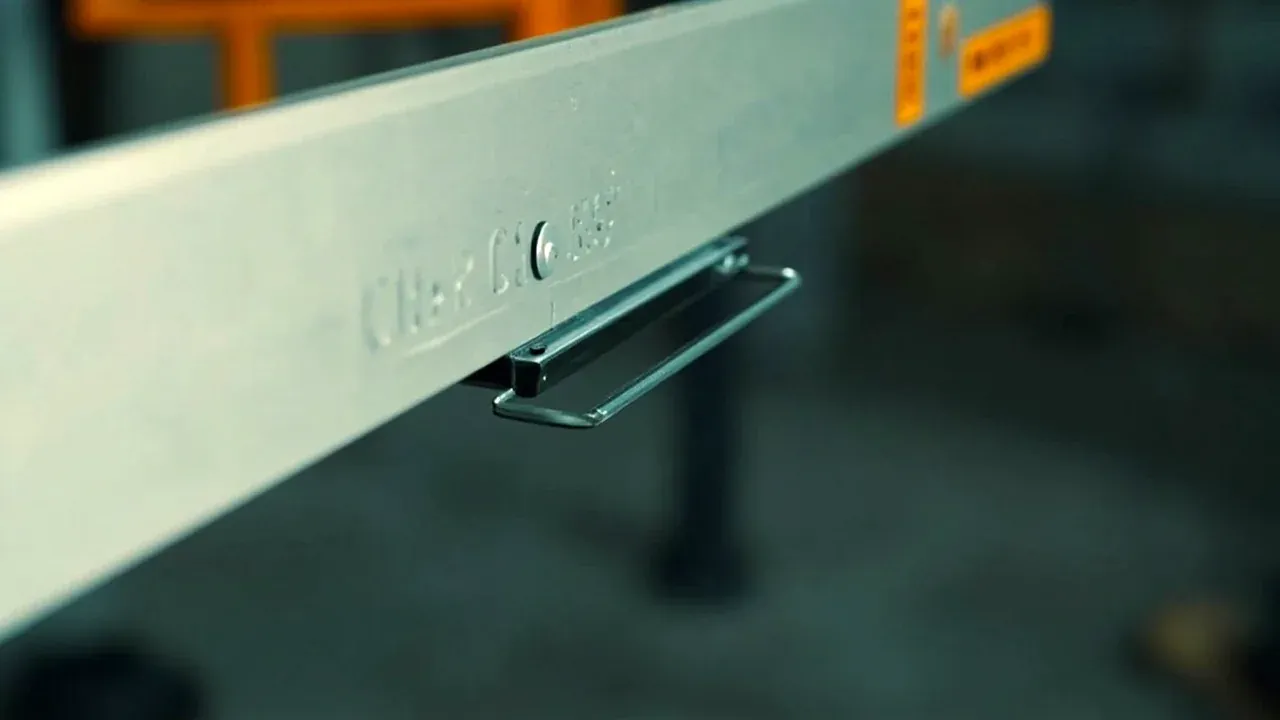
Mounting follows the site: a wall bracket in a first aid room or workshop, a cradle and straps in a vehicle, a handle and strap for carrying. All three share one rule — no effort to reach; fixed above head height is not fixed.
5. Acceptance and how to write the sheet
Four actions: release the lid and watch for fall-back, paper-strip the rim, read the marking at three metres, count against the list. Ten minutes for access, sealing, marking and contents.
Write layer count, opening angle, replaceable gasket, and marking faces with height. All numbers and positions, acceptable and comparable; portable and well sealed are not. A kit is cheap, but a vague specification means every delivery differs, and rotation between batches stops working. Single kits are cheap and plentiful, so the tighter the specification, the less each delivery varies — and batches stay interchangeable, which simplifies resupply and rotation.
Conclusion
Four items: layers and opening, gasket and its replaceability, marking faces and height, and mounting by site. Numbers make quotations comparable; adjectives leave only price.
This article covers container-side specifications and design implications only, not the handling, loading or use of the contents.
Related Reading
- Kit versus medical case
- Medical Instrument Cases: Device Transport & Protection
- Medical and First Aid Cases: What EMS and Healthcare Teams…
- Case seal materials
Related Products
- 8 Series — Gun Cases; Military Equipment Cases; Camera Equipment Cases; Drone Cases; Watch Cases; Knife Cases; First Aid Cases; Electronics Equipment Cases
- WL8-2812 PP Gun Case — model WL8-2812
- All protective cases and toolboxes: 7 series, 158 models