

Quick answer: The difference is not size but purpose: a first aid kit case serves first response with items usable within minutes, while a medical case serves sustained treatment with triage, treatment and resupply layers. Mixing them makes the kit too heavy and puts non-urgent items on the top layer.
Table of contents
- Two different logics
- First aid kit: the first item within ten seconds
- Medical case: three layers aligned with treatment
- Two consequences of mixing
- How to choose: three criteria
- FAQ
1. Two different logics
A kit follows least-but-usable: bleeding control, dressing and splinting only, under twenty items and three kilograms, so anyone under stress finds the first item in ten seconds. One more item makes it harder, not safer.
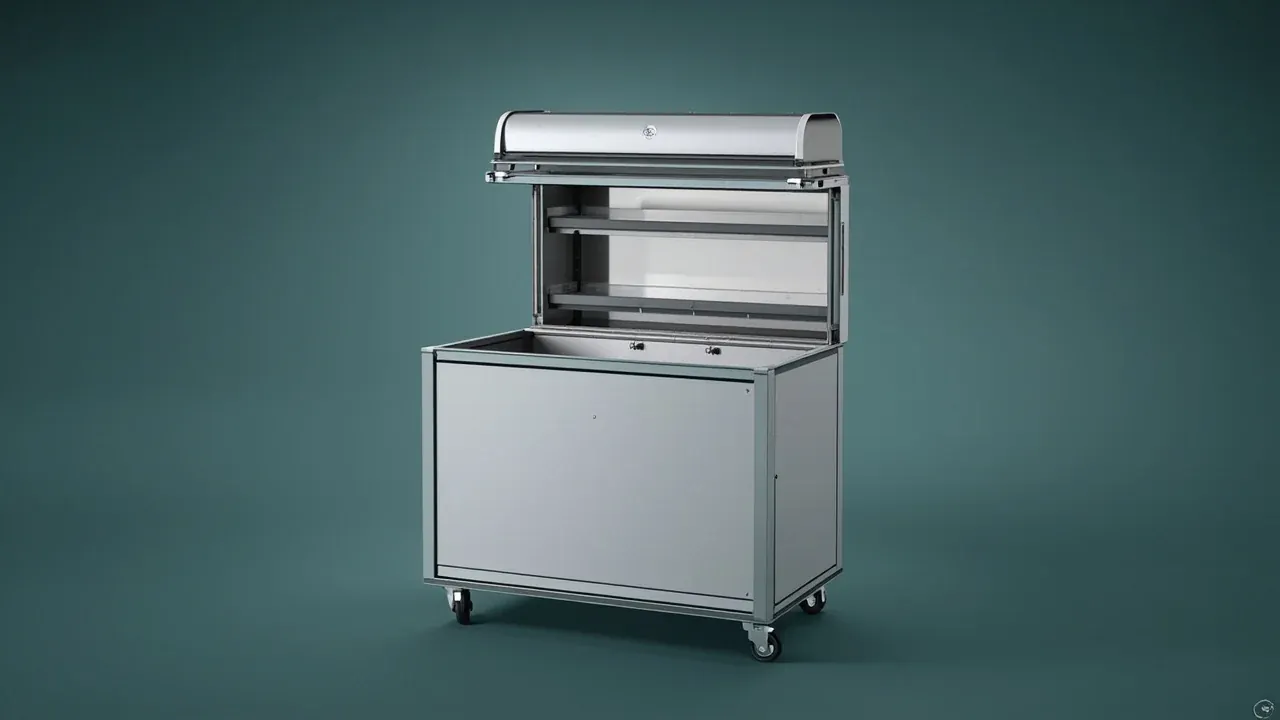
A medical case follows layered treatment: triage and bleeding control, then dressings and splinting, then instruments and resupply. Fifty items and ten kilograms are normal. The two logics dictate completely different interiors.
Using a medical case as a kit puts non-urgent instruments on top and bleeding control underneath; using a kit as a medical case runs short halfway through. Neither mismatch shows in an inspection.
| Dimension | First aid kit case | Medical case |
|---|---|---|
| Purpose | first response | sustained treatment |
| Items | under 20 | over 50 |
| Weight | under 3 kg | under 10 kg |
| Interior | one or two layers, visible on opening | three trays, unfolded in stages |
2. First aid kit: the first item within ten seconds
Ten seconds is measurable: from opening the lid to holding the bleeding-control item, with no searching, no unbuckling, no taking one out and putting it back. That allows one or two layers only, with bleeding control at the front of the top layer.
So the case is small and shallow, with a wide opening and a lid that stays up. Deep compartments with dividers look tidy and fail the ten-second test because the hand must reach the bottom.
3. Medical case: three layers aligned with treatment
The three layers map to the treatment sequence: triage and bleeding control on top, dressings and splinting in the middle, instruments and resupply below. Clear boundaries matter; mixing them breaks the order.
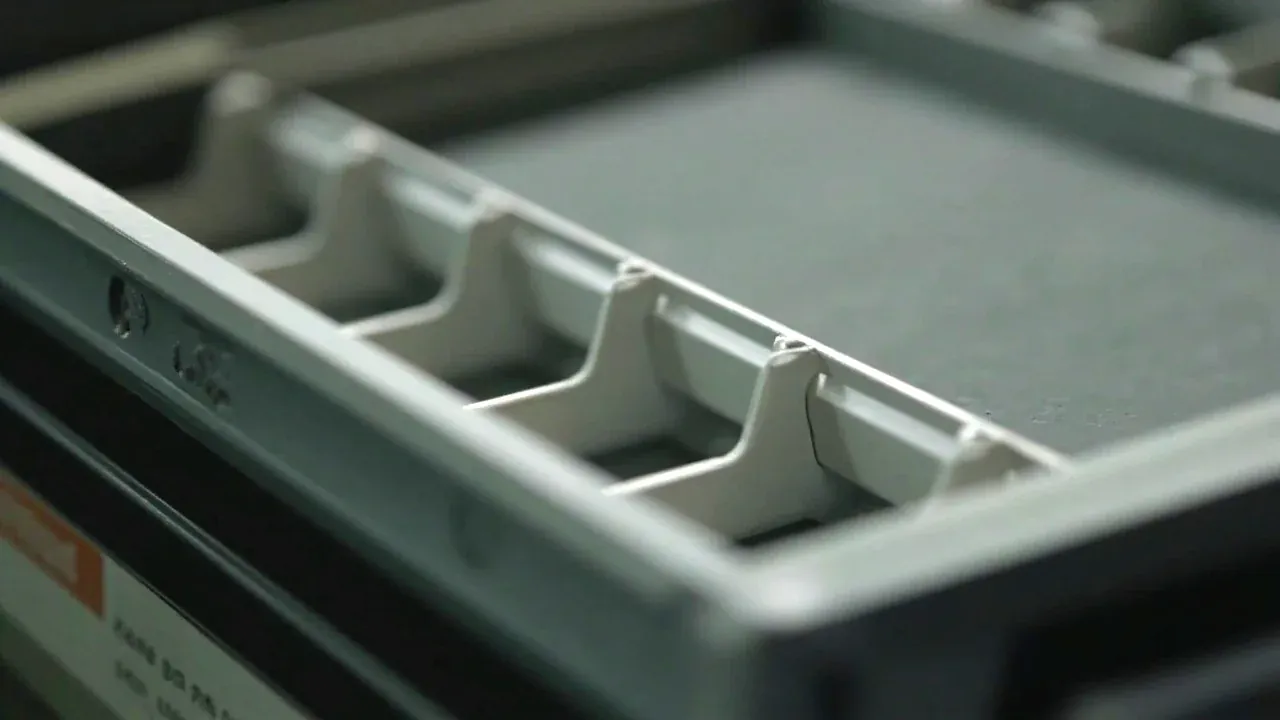
Removable trays are the key design: carrying a tray to the casualty beats searching in the case, and the empty case becomes a working surface.
4. Two consequences of mixing
Weight first: filling a kit with medical case stock takes it from three to eight kilograms, the carrier leaves it in the vehicle, and the case loses the portability that defined it.
Order second: simplifying a medical case to two layers leaves instruments and resupply with nowhere to go, so they crowd the middle layer, crush the dressings and force tidying before use. Both surface months later in real use.
5. How to choose: three criteria
Distance first: seconds of access means a kit, minutes of treatment means a medical case. Carrying second: on the body means a kit, vehicle or fixed point means a medical case. Resupply third: by item means a kit, by tray means a medical case.
The first is the most important and the most skipped. Buying by capacity looks complete but delivers a medical case where a kit was needed. Put access distance on the first line of the requirement.
Conclusion
One line: seconds means a kit, minutes means a medical case. Judge by distance, then carrying, then resupply; start with capacity and you buy a fuller but slower case.
This article covers container-side specifications and design implications only, not the handling, loading or use of the contents.
Related Reading
- First aid kit case specifications
- Medical Instrument Cases: Device Transport & Protection
- Medical and First Aid Cases: What EMS and Healthcare Teams…
- Case seal materials
Related Products
- 8 Series — Gun Cases; Military Equipment Cases; Camera Equipment Cases; Drone Cases; Watch Cases; Knife Cases; First Aid Cases; Electronics Equipment Cases
- WL8-2812 PP Gun Case — model WL8-2812
- All protective cases and toolboxes: 7 series, 158 models