

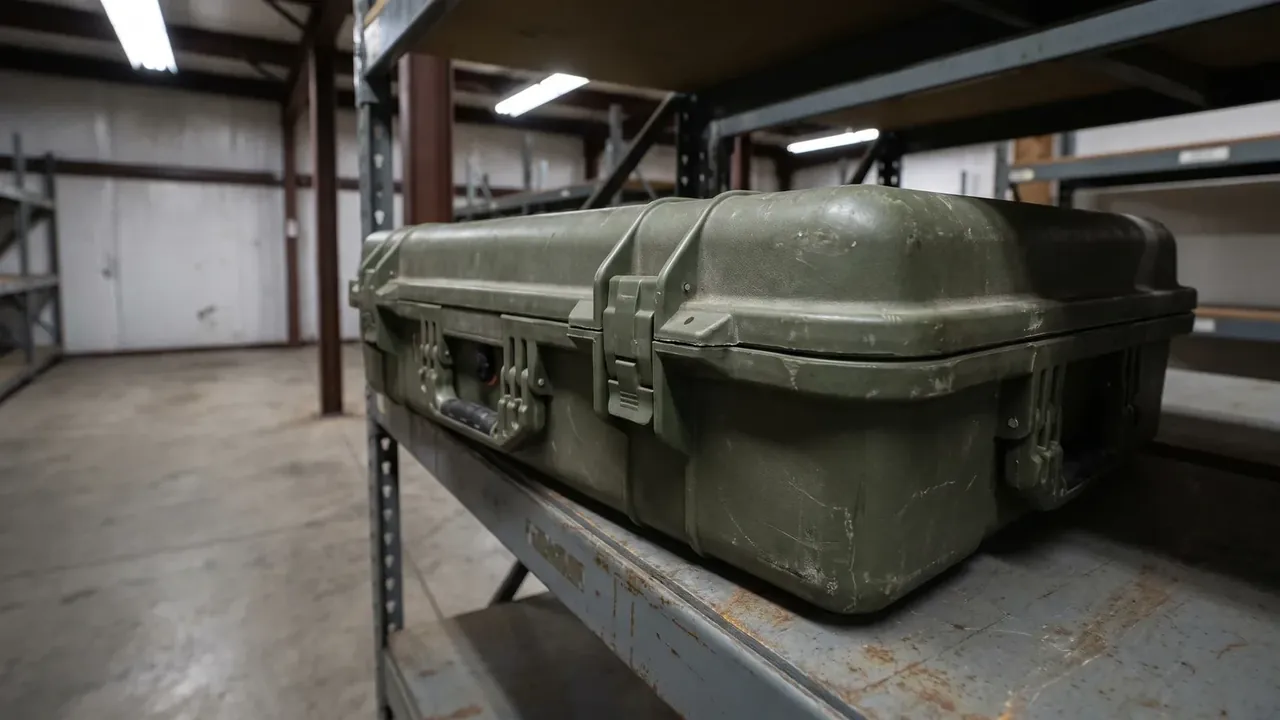
Quick answer: Case repeat order lead time drops from 45 days to 18 days on the same drawing, because the 27 days saved were confirmation, not machine time.
Table of contents
- Why the second run takes 18 days
- Where the tooling fee goes
- What separates 96% from 99%
- The three repeat-order mistakes
- FAQ
1. Why the second run takes 18 days
A first order of 300 cases runs 45 days, and the mould only runs for 9 of them. The other 36 wait on drawings, samples and signatures. On the second run that waiting collapses to 3 days, so the same tool on the same cycle delivers in 18 days.
| Stage | First order (days) | Repeat order (days) | Difference |
|---|---|---|---|
| Drawing and specification review | 5 | 1 | −4 |
| Sampling (2 rounds first time, none after) | 12 | 0 | −12 |
| Sample receipt and written approval | 6 | 2 | −4 |
| Mould and fixture reset | 8 | 2 | −6 |
| Material and scheduling | 10 | 9 | −1 |
| First-article check and dispatch | 4 | 4 | 0 |
| Total | 45 | 18 | −27 |
Of the 27 days, 20 sit in sampling and sample movement, and the last 7 come out of mould reset and material. Reset falls from 8 days to 2 only because the tool was never stripped, the cavity never altered and the water fittings never moved.
Two sampling rounds are not bureaucracy. Round one proves the shape can be moulded at all; round two proves colour, texture and hardware fit. A case repeat order skips both, along with the 6 days of waiting between them.
Material barely moves. PP granules take 7 days from order to goods-in, so passing the grade and quantity early buys 1 day, and pushing further means holding safety stock.
The repeat still needs 2 days for sample receipt. Colour chips, foam inserts and nameplate copy all have to be checked against the previous shipment, and cutting the check usually returns the days as rework.
The machine cycle never changed. Only the number of confirmations did.
2. Where the tooling fee goes
The tool costs 30,000 yuan and the minimum order is 300 cases. Spread over those 300, the fee is 100 yuan a case; spread over 9,000 cases in three years it is 3.3 yuan. Both are honest arithmetic, and they explain why the first quotation looks expensive.
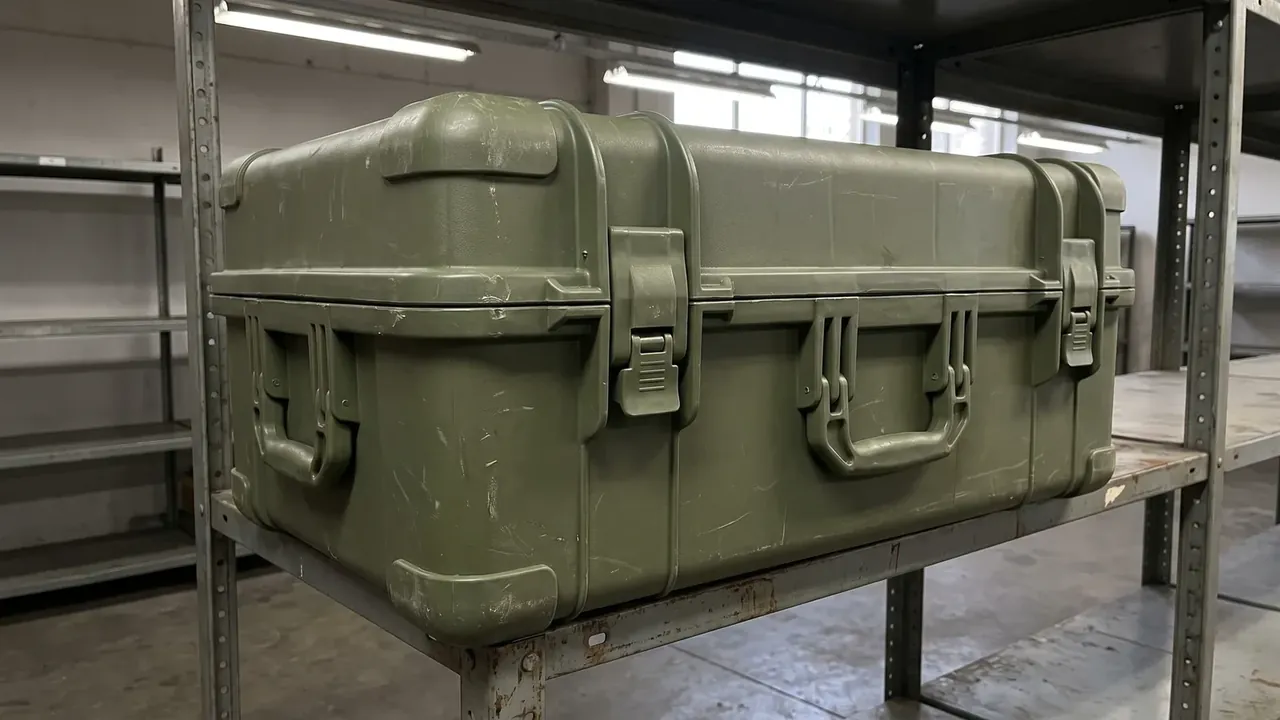
A repeat quotation carries no tooling line. What remains is material, labour, packaging and freight at roughly 58%, 22%, 12% and 8%, and each line can be checked on its own rather than argued as a single number.
Those four break down further. Material follows shot weight at 2.1 kg and 12% regrind, labour follows two parts per mould, packaging runs 9 yuan a set, and freight puts 240 cases in a 40 ft container. Move any line and half of the 6% disappears.
The 6% itself itemises: waived sampling saves 4.2 yuan, lifting yield from 96% to 99% saves 1.1 yuan and cutting reset from 8 days to 2 saves 0.7 yuan, which is 6.0 yuan on a 100 yuan price. None of it is a concession.
So when a repeat quotation only drops 2%, do not argue quantity first. Ask which of the three was missed: another sampling round, yield still at 96%, or a reset that still takes 8 days.
3. What separates 96% from 99%
The first order scrapped 12 cases out of 300, the repeat 3. Three points on a thousand units is 30 cases, or 3,000 yuan at 100 yuan each, which is more than most price conversations recover.
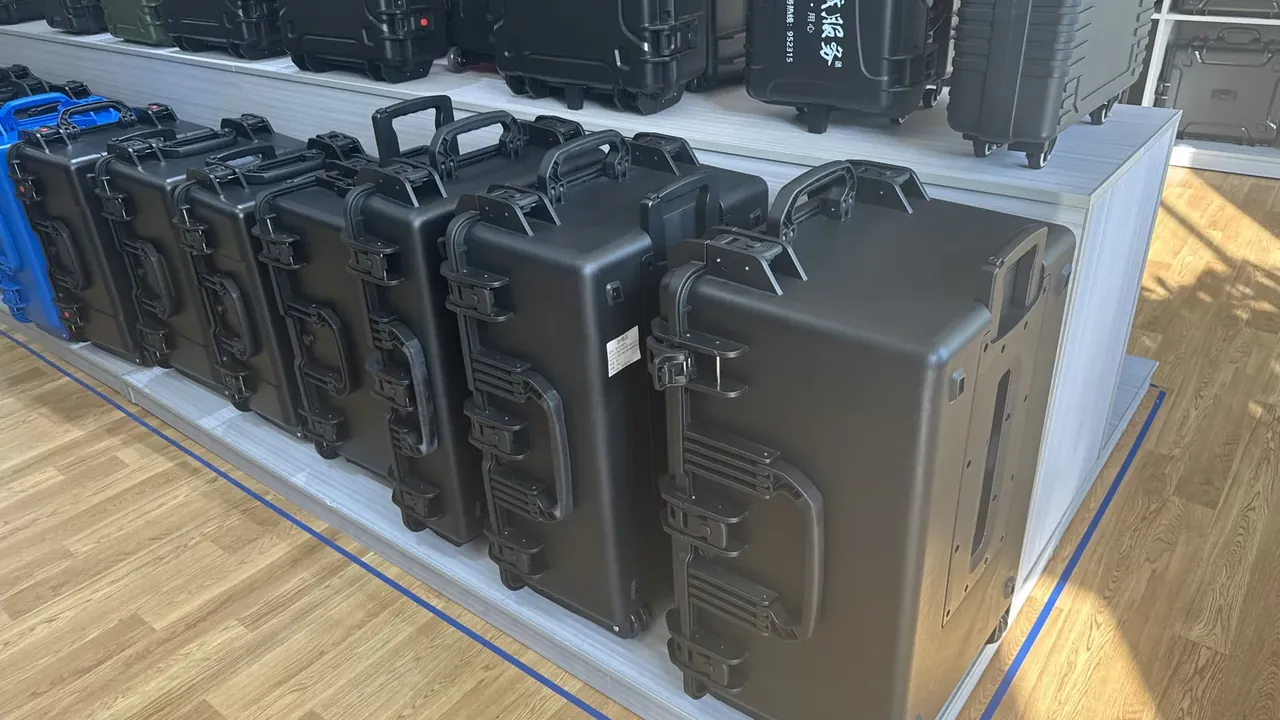
Nine of the twelve came from the first 100 shots. Mould temperature needed 8 shots to reach 60 ℃, packing pressure was still being trimmed, and the robot angle was 3° off, scratching the corner. The repeat copies the previous process card, so scrap over those 100 shots drops to almost nothing.
The remaining 1% is not zero. It comes from masterbatch variation and from scale in the vent groove, showing up as colour shift and a scorch mark on the corner. Pulling 1 case in 20 for appearance and dimensions holds it down.
Wall thickness tightens the same way. The first order ran 3.0±0.2 mm, the repeat holds 3.0±0.1 mm, with the spread between consecutive shots falling from 0.15 mm to 0.05 mm.
Three points of yield is where the repeat price comes from.
4. The three repeat-order mistakes
Drawing revision ranks first. The previous sheet often sits with the buyer while the current one has moved the handle holes by 8 mm and added a rib along the base. Ordering from the old sheet needs no tooling change, yet the assembly holes no longer line up and the first article fails, taking the 18-day schedule with it.
Colour code ranks second. Masterbatch batches change, the chip reference moves from K7 to K9, and a measured ΔE of 1.6 shows as a yellow cast under a standard light booth. Writing the chip reference into the order is free; arguing at goods-in costs weeks.
Packaging ranks third. The carton insert was cut for the old outline, so a 3 mm change means the case no longer fits, and a stack dropping from 5 layers to 4 costs 96 cases per 40 ft container. Neither appears on the drawing, and both are missed because drawing and carton ordering are different desks.
All three live in documents rather than in the tool. A tool change costs 30,000 yuan; a document change costs one email, and the email is what gets skipped. Keep one source for the drawing, with the order recording its number and date, and past the fourth repeat check the records instead: who signed the sample, which chip, which insert batch.
Conclusion
A case repeat order reaches 18 days only if the first order finished its 23 days of confirmation. Two sampling rounds took 12 days, sign-off 6 and drawing review 5; on the repeat those compress to 3, a reset from 8 days to 2 adds another 6 and material gives up 1, which is the whole 27. Itemise that and the 6% has a source: 4.2 yuan from waived sampling, 1.1 from yield, 0.7 from a shorter reset. There is one decision line. Before releasing a repeat, tick the nine items below; miss one and the order goes back through the first-order route with full confirmation, because an 18-day promise built on a missing document is a 45-day job in disguise.
| Item | First order | Repeat order |
|---|---|---|
| Lead time | 45 days | 18 days |
| Sampling | 2 rounds | Waived |
| Minimum order | 300 cases | 300 cases |
| Tooling fee | 30,000 yuan once | None |
| Yield | 96% | 99% |
| Unit price | Baseline | 6% lower |
Repeat-order checklist:
- Drawing revision and handle holes match the current sheet
- Colour chip and masterbatch batch are on the order
- Carton insert and pallet stack rechecked
- Tool and cavity numbers match the previous run
- Process card carries mould temperature and packing
- 3 first articles measured and inspected
- Nameplate copy and language updated
- 18-day schedule with 2 days held for samples
- Previous complaints and concessions closed
This article discusses container-side specifications and design implications only, and does not cover any handling, loading or use of the contents.
Related Reading
- Setting MOQ and lead time for protective cases
- Choosing among bulk protective case orders
- Tracing a late case delivery
- Colour MOQ for custom cases
Related Products
- 8 Series — Gun Cases; Military Equipment Cases; Camera Equipment Cases; Drone Cases; Watch Cases; Knife Cases; First Aid Cases; Electronics Equipment Cases
- WL8-2812 PP Gun Case — model WL8-2812
- All protective cases and toolboxes: 7 series, 158 models