

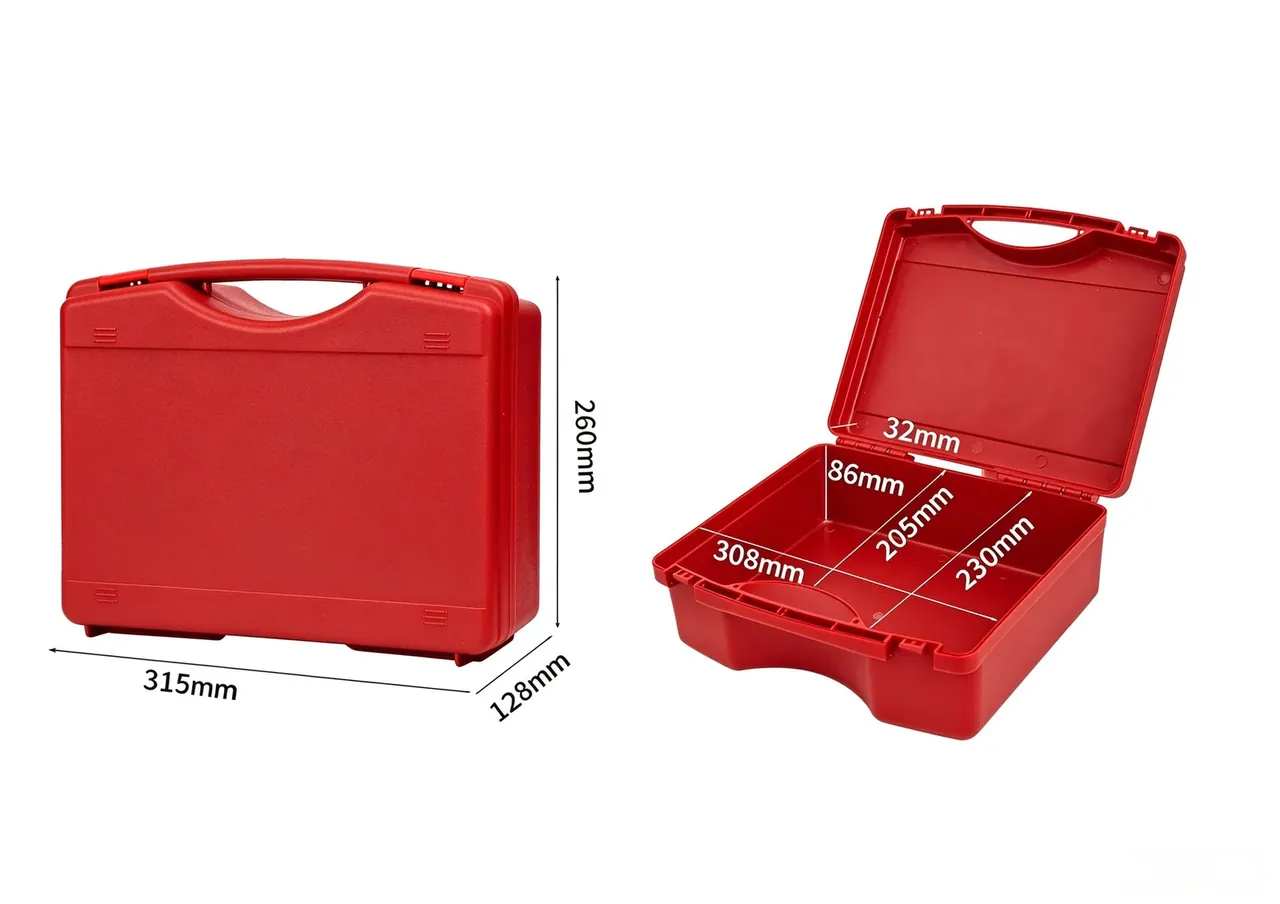
Quick answer: Under case incoterms the same batch quotes USD 62 FOB and USD 98 DDP, and 60% of the 36 dollar gap is import duty and VAT, not freight.
Table of contents
- Reading the 11 nodes in case incoterms
- FOB: responsibility ends at the ship's rail
- DDP: responsibility ends at the buyer's warehouse
- Breaking down the 36 dollar gap
- Documents and four hidden costs
- FAQ
1. Reading the 11 nodes in case incoterms
The batch runs 1,200 cases, USD 41 factory, USD 62 FOB or USD 98 DDP. Case incoterms cut it into 11 nodes, each answering who pays and who carries risk.
| Node | FOB | DDP |
|---|---|---|
| 1 Export declaration | Seller | Seller |
| 2 Inland haul | Seller | Seller |
| 3 Origin terminal handling | Seller | Seller |
| 4 Loading on board | Seller | Seller |
| 5 Risk transfer | Over the rail | Unloaded at destination |
| 6 Main freight | Buyer | Seller |
| 7 Marine cover | Buyer arranges | Seller arranges |
| 8 Destination handling | Buyer | Seller |
| 9 Import clearance | Buyer | Seller |
| 10 Duty and VAT | Buyer | Seller, paid forward |
| 11 Inland delivery | Buyer | Seller |
Nodes 1 to 4 are seller work under both terms. The split begins at node 5: FOB hands the other 7 rows to the buyer, DDP keeps all 11.
Fill the rows into a quotation and half the arguments vanish, because most disputes are about an unclaimed node such as destination detention, not about unit price.
2. FOB: responsibility ends at the ship's rail
FOB puts export declaration, inland haul, terminal handling and loading on the seller, with risk passing as the cargo crosses the rail. Those four stages cost USD 21, a third of the USD 62 quote.
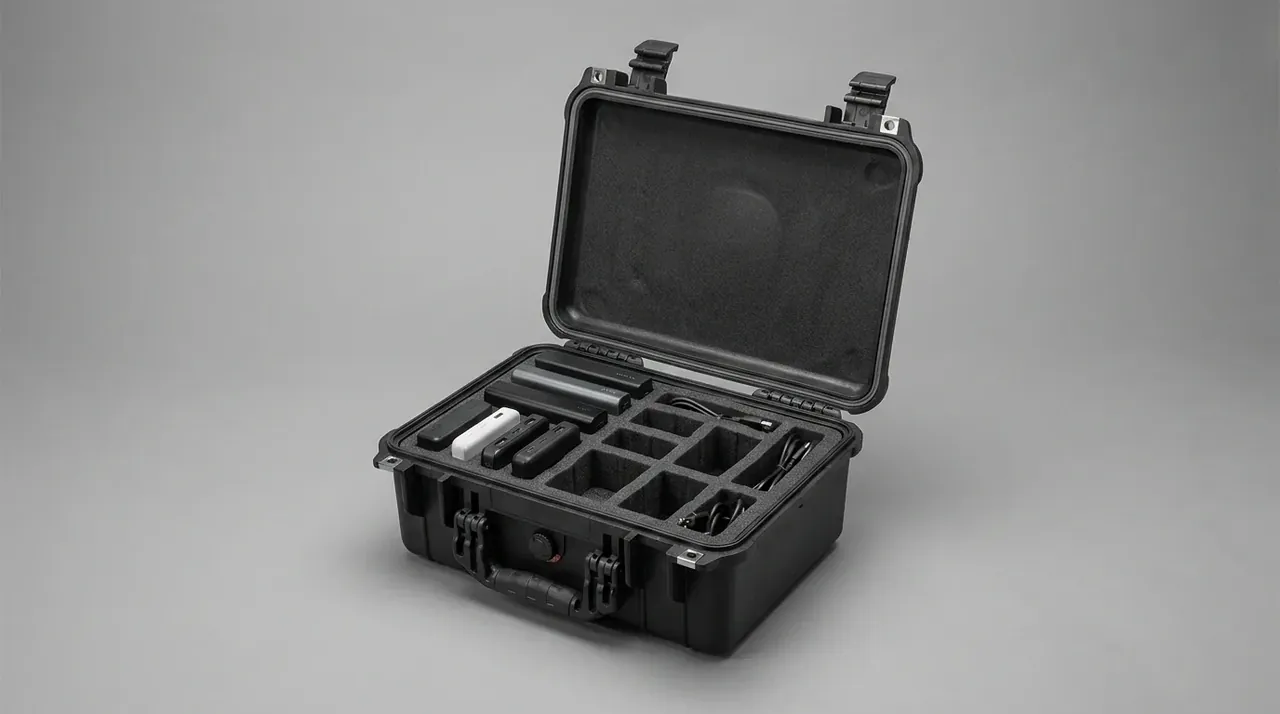
The 21 splits into 1.5 for declaration, 5.5 for inland haul, 6 for terminal handling and 8 for loading. Loading is dearest and hardest to cut, since the lift is charged per case against 6.8 kg.
FOB does not oblige seller cover, so no premium enters the quote, and the buyer decides whether to insure. What the seller must control is exposure before the rail, which belongs in its own clause.
All 7 later nodes fall to the buyer: freight, destination handling, clearance, duty and VAT, inland delivery. FOB only looks cheapest because its bill is unfinished.
3. DDP: responsibility ends at the buyer's warehouse
DDP puts the cost and risk of all 11 nodes on the seller until unloading finishes at the buyer's warehouse. The USD 98 includes duty and VAT, both paid in cash at clearance.
VAT is recoverable after 60–90 days, once the import filing cycle closes; duty is not recoverable and enters cost directly. That is the most underestimated block in a DDP quote.
Without a local tax number the seller needs an import agent at USD 2 per case, and the agent becomes consignee of record, so title is incomplete until clearance ends.
DDP also stretches the delivery promise by 12–18 days over FOB, all clearance queue, none of it sea time. Quote that window rather than explain a breach later.
Write the end point carefully: DDP delivers when unloading finishes, so who operates the unload, and who owns a knock during it, must be spelled out.
4. Breaking down the 36 dollar gap
Of the 36 dollars between 98 and 62, only two items exceed 8: freight and cover at 8, import VAT at 14.65. The tax lines total 23.05, or 64% of the gap.
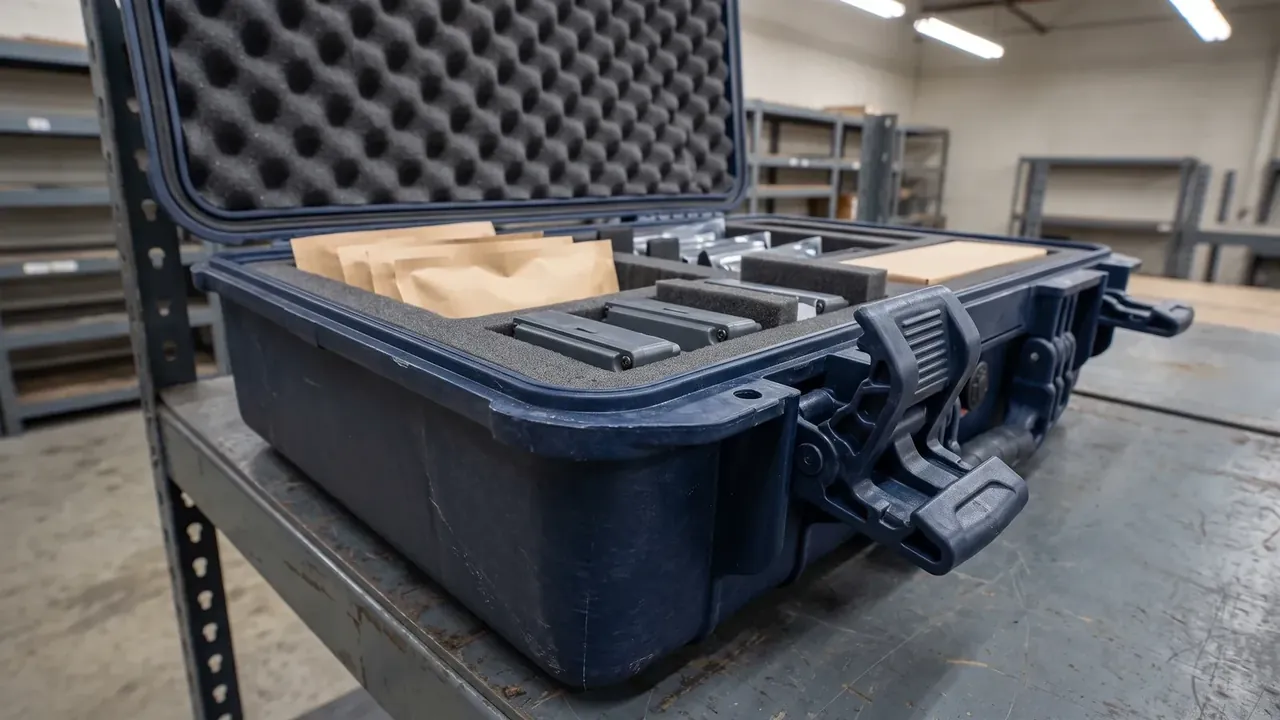
| Item | USD per case | Share of the 36 |
|---|---|---|
| FOB unit price | 62.00 | Base |
| Freight and cover | 8.00 | 22% |
| Destination handling | 3.00 | 8% |
| Clearance agent | 2.00 | 6% |
| Import duty at 12% | 8.40 | 23% |
| Import VAT at 18% | 14.65 | 41% |
| DDP unit price | 98.05 | — |
Only freight touches the case itself: at 6.8 kg and 0.062 m³, charged on volume, one case runs USD 6–8 by sea, and the other 28 dollars are cross-border cost.
Which term to quote rests on three numbers: batch size, destination tax rate, and whether the buyer holds an import licence. Under 200 cases the DDP fixed cost cannot spread, so FOB fits better.
The gap is not a premium. It is someone else's cash and someone else's risk.
5. Documents and four hidden costs
FOB runs on four documents: bill of lading, commercial invoice, packing list and certificate of origin. DDP adds the import declaration and the duty receipt, the one paper a buyer can audit tax against.
Documents decide whether a node is real. Whether the consignee box names agent or buyer determines who collects at destination, and a certificate coded differently from the invoice pushes duty into the higher band.
Timing matters as much. A certificate issued after sailing can move the rate from 12% to 18%, and a duty receipt collected later than 15 days after clearance leaves nothing to audit.
| Hidden cost | USD per case | Trigger |
|---|---|---|
| Financing the VAT advance | 0.35 | 60 day terms at 6.5% |
| Delayed export rebate | 0.28 | Filing slips, refund 45 days late |
| Inspection and detention | 0.42 | 4% inspection rate, USD 480 each |
| FX and quote validity | 0.55 | 45 day validity, 2.1% movement |
Left out of the quote, these eat USD 1.60 per case within three months, 2.6% of a USD 62 price. The dearest is FX: 2.1% across a 45 day validity costs 0.55, more than an inspection, and appears on no invoice.
Conclusion
Choosing between FOB and DDP ends on an 11 row table, not on two unit prices. Each row carries three entries: who pays, who carries risk, which document proves it. Rows 1 to 4 match; from row 5 they split, with FOB handing risk to the buyer and 7 rows with it, while DDP keeps all 11 and pays USD 23.05 forward. Then test three conditions: batch under 200 cases, destination duty above 15%, buyer without an import licence. If one holds, quote DDP; if none does, quote FOB. A row you cannot fill is a row the contract has not settled.
This article discusses container-side specifications and design implications only, and does not cover any handling, loading or use of the contents.
Related Reading
- HS codes and export documents for cases
- Sample cases and paperwork for customs clearance
- Case cost structure and quotation breakdown
- How freight responsibility shifts with trade terms
Related Products
- 8 Series — Gun Cases; Military Equipment Cases; Camera Equipment Cases; Drone Cases; Watch Cases; Knife Cases; First Aid Cases; Electronics Equipment Cases
- WL8-2812 PP Gun Case — model WL8-2812
- All protective cases and toolboxes: 7 series, 158 models