

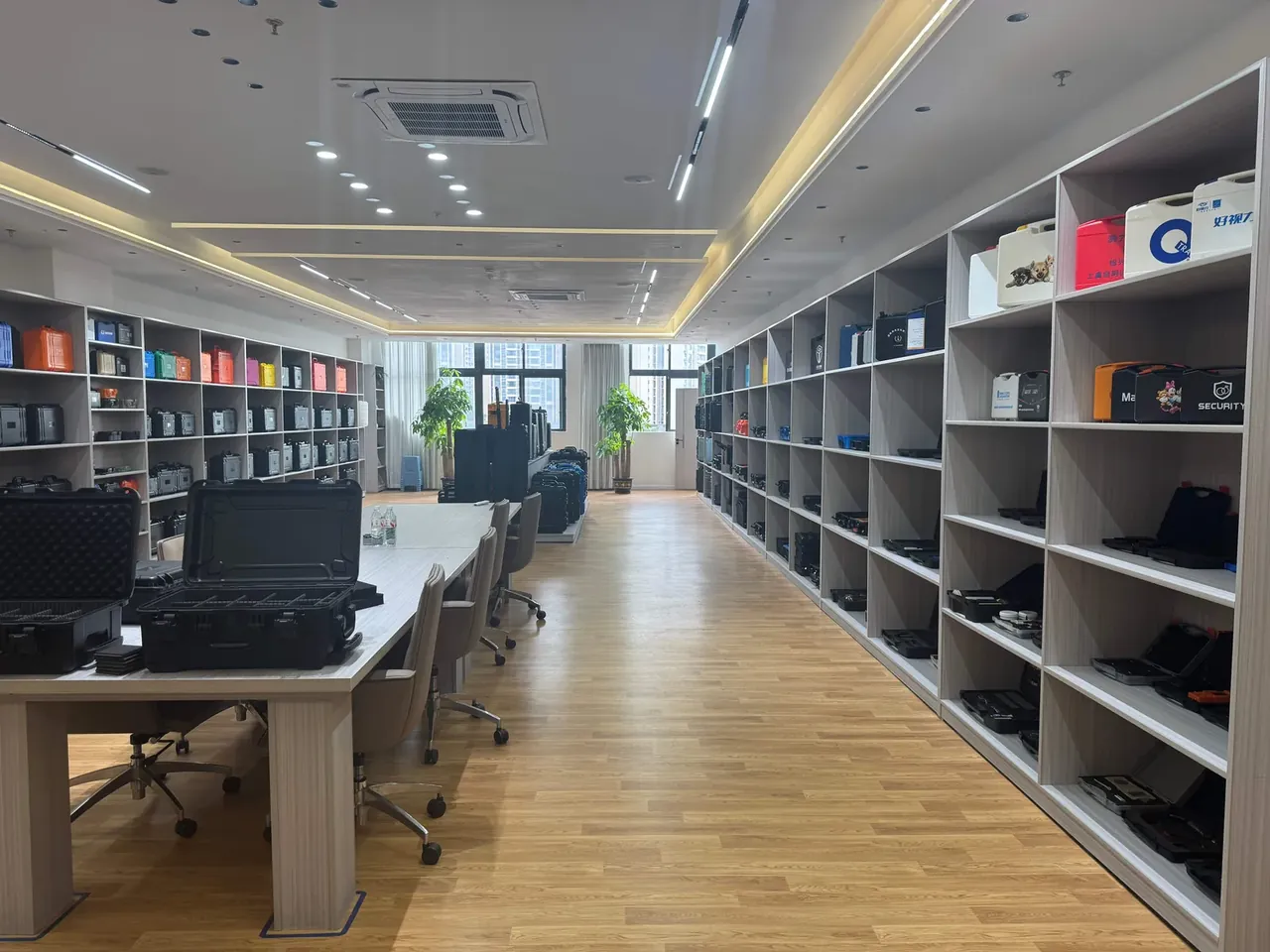
Quick answer: A generic case costs RMB 380 and a custom one RMB 620, a 63% premium, while the 40 s it saves per unit is worth RMB 0.50, about 0.2% of the gap.
Table of contents
- Where the RMB 240 gap comes from
- What the premium actually buys
- Three decision lines: hours, rework, stops
- When a generic case plus foam wins
- FAQ
1. Where the RMB 240 gap comes from
A generic case lists at RMB 380, a custom one at RMB 620: a 240 gap and a 63% premium. Of that 240, only 54.3 can be pointed at on the bench, 45 for the moulded insert and 9.3 for tooling amortisation. The other 185.7 buys short runs, drawing revisions and the risk the supplier carries.
Tooling is RMB 28,000. Spread over 3000 units it lands at 9.3 each; spread over the 300 unit minimum it lands at 93.3, and the 9.3 line in the quote becomes 93.3 without anyone mentioning it.
| Gap component | RMB per unit | Share of 240 | Note |
|---|---|---|---|
| Moulded insert | 45.0 | 18.8% | Formed for one interior |
| Tooling amortisation | 9.3 | 3.9% | 28,000 ÷ 3000 units |
| Short-run colour and set-up | 58.0 | 24.2% | 300 per batch instead of 3000 |
| Drawings and project work | 27.0 | 11.3% | Every revision re-issued |
| Supplier margin and risk | 100.7 | 42.0% | A dedicated tool cannot be reused |
| Total | 240.0 | 100% | The 63% premium |
Four tenths of the gap sits in supplier margin, the line buyers try hardest to cut and never do. A dedicated tool makes one shape only, so tooling, drawings and trial shots have to be recovered inside that single order; a generic tool serves a dozen customers and its risk was amortised years ago.
Only 54.3 of the 240 can be touched. The rest pays for fit, and fit has to be turned into money separately.
Quotes show RMB 620 and nothing about how the 240 is built. Put the two quotes side by side and ask what the insert, the tool and the changeover each contribute; without that split the negotiation circles the total, and what gets conceded is usually the thickness of the 45 insert.
2. What the premium actually buys
Insert fit, station sequence and marking are the three things bought, and only the first is irreplaceable. Fit means 2 mm clearance between cavity wall and part outline, so nothing shifts in transit; a generic interior is a round 520 mm × 380 mm × 190 mm and needs foam for anything smaller.
Sequence is second: pockets follow the order of assembly, so the operator stops hunting, and assembly falls from 96 s to 56 s. That fall is where the 40 s comes from. Marking is third, moulded lettering that removes a label and a print step.
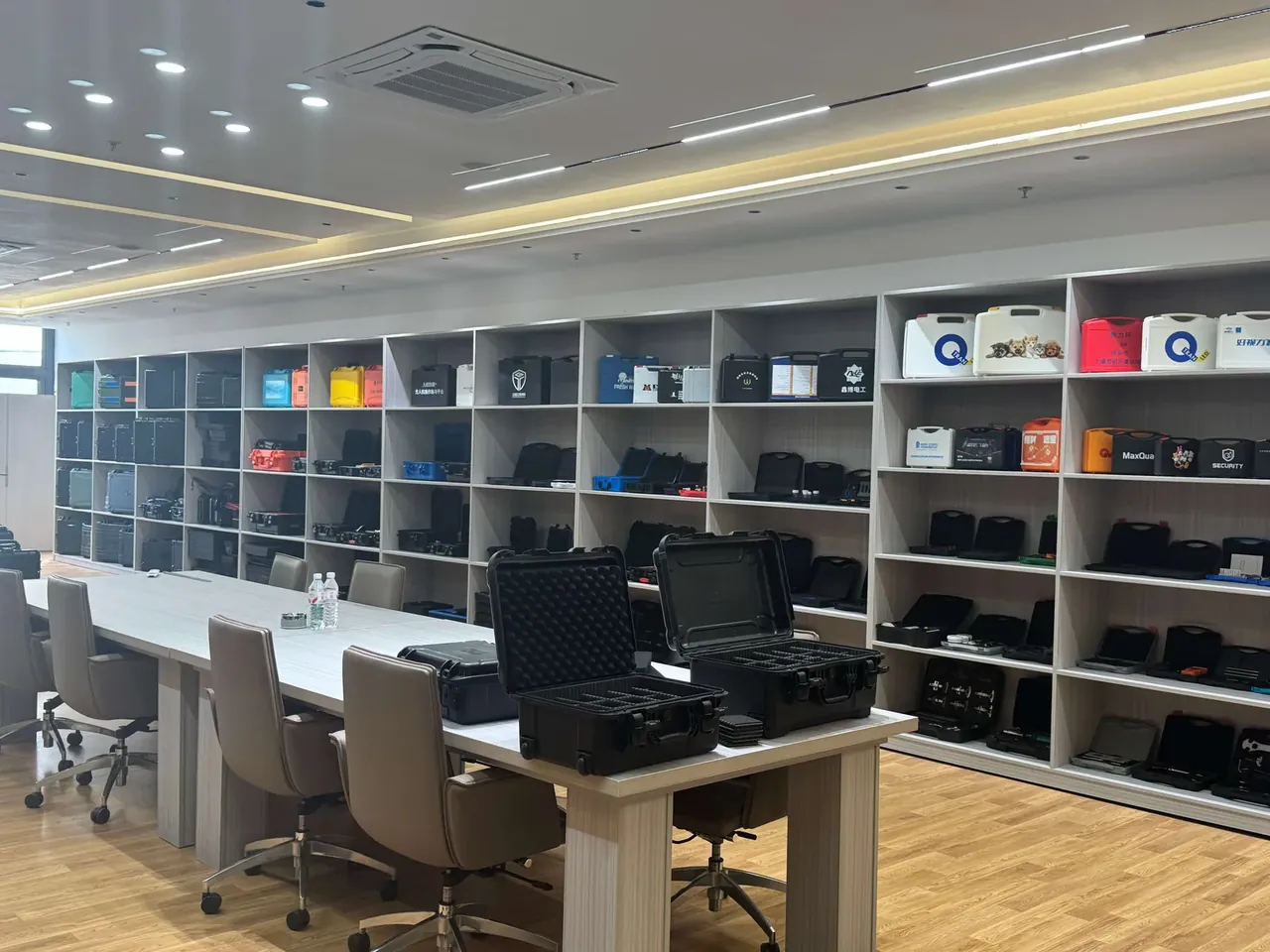
The three are not worth the same. Marking is cheapest: silk print at RMB 8, moulded lettering at 3 when spread over 3000 units, a 5 difference that cannot justify a tool. Sequence depends on takt; when assembly is not the constraint, the 40 s disappears into waiting upstream. Fit is the expensive one and the hardest to replace, because it sets both assembly speed and how far the part travels in a drop.
In one sentence: confirm the cavity really has to fit the part, then confirm assembly is the constraint. If neither holds, the 63% buys a line of lettering worth RMB 3.
3. Three decision lines: hours, rework, stops
Turn the three items into money and three lines appear. Hours: 40 s at RMB 45 an hour is 0.5 per unit, and 2000 units a year is 22 h, 990 in total, or 0.2% of the 240.
Rework: a generic case with foam leaves 3% of units needing a second pass at 85 each, or 2.55 per unit; a custom insert holds that at 0.5% and saves 2.1. The difference comes from clearance, since 2 mm and 40 mm feel like two different jobs on the bench.
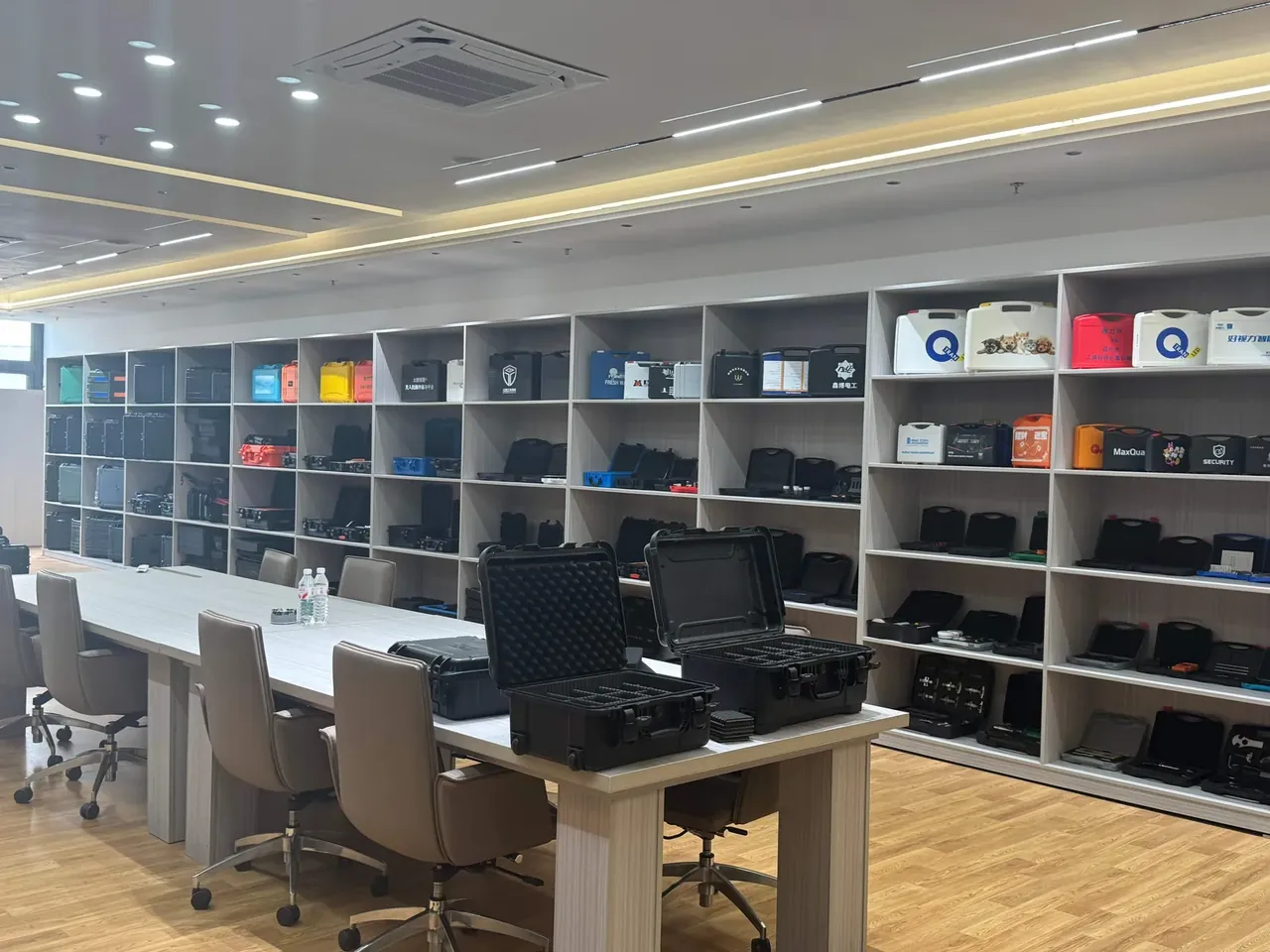
Line stops carry the weight. One hour of stoppage at the assembly station costs 1,800; a misfitting insert that stops the line once a month costs 21,600 a year, or 10.8 per unit across 2000 units.
| Decision line | Per unit | Per year, 2000 units | Share of 240 |
|---|---|---|---|
| Hours | 0.5 | 990 | 0.2% |
| Rework | 2.1 | 4,200 | 0.9% |
| Line stops | 10.8 | 21,600 | 4.5% |
| All three | 13.4 | 26,790 | 5.6% |
Cross all three and the total is 13.4 per unit, 5.6% of the 240. The table says one thing: the premium is not settled by seconds saved but by what a single failure costs. Hours and rework are linear, stops are a step. The smaller the annual volume the thicker the 10.8 spreads; at 10,000 units the same stop costs 2.2.
That fixes the threshold: unit failure cost × failures a year > 240 × units a year. Assume 1% failures and unit failure cost has to exceed 24,000 before the premium closes. Only lines where an hour of stoppage is measured in tens of thousands qualify.
4. When a generic case plus foam wins
A generic at 380 with a 45 foam insert is 425. Against 620 the gap is 195, a 46% premium rather than 63%. That is the number to use, because foam closes seven tenths of the fit gap, the one item of the three that is genuinely exclusive.
First case: under 300 units a year. Tooling at 93.3 makes the custom unit 713 against 425, a 288 gap, and 300 units a year pay RMB 86,400 extra for one fitted cavity.
Second: only one or two shape differences. Foam formed to the part outline holds ±1 mm, enough to stop movement, and the shell stays unchanged. Changing a cavity means changing a tool and re-signing the sample.
Third: marking can come later. Silk print 8, label 3, moulded lettering 3, a spread under 5 that cannot carry 195.
Fourth: assembly is not the bottleneck. At a 90 s takt the 40 s is absorbed by waiting and the real gain is close to zero.
Two of the four and the generic plus foam wins on cost. One only, and it depends which: hit the first and buy generic; hit the inverse of the fourth, where assembly really is the constraint, and the custom case is worth quoting.
Conclusion
The choice between a generic and a custom case ends in one multiplication: units a year × 40 s saved ÷ 3600 × RMB 45 gives the annual labour gain. At 2000 units that is 990 against a 240 premium times 2000, or RMB 480,000, a ratio of 0.2%; add 4,200 of rework and 21,600 of stops and the ratio reaches 5.6%. Work it in three steps: multiply units by 240 for the annual premium, multiply failures a year by unit failure cost for the annual loss, then compare the two. If the second is under 6% of the first, go back to 380 plus 45 of foam at 425; if it is higher, negotiate how the 28,000 of tooling is spread and how the 300 unit minimum can be brought down.
This article discusses container-side specifications and design implications only, and does not cover any handling, loading or use of the contents.
Related Reading
- Custom case minimum order quantities
- Tooling cost and per-unit amortisation
- What a custom case specification covers
- OEM custom case delivery model
Related Products
- 8 Series — Gun Cases; Military Equipment Cases; Camera Equipment Cases; Drone Cases; Watch Cases; Knife Cases; First Aid Cases; Electronics Equipment Cases
- WL8-2812 PP Gun Case — model WL8-2812
- All protective cases and toolboxes: 7 series, 158 models