

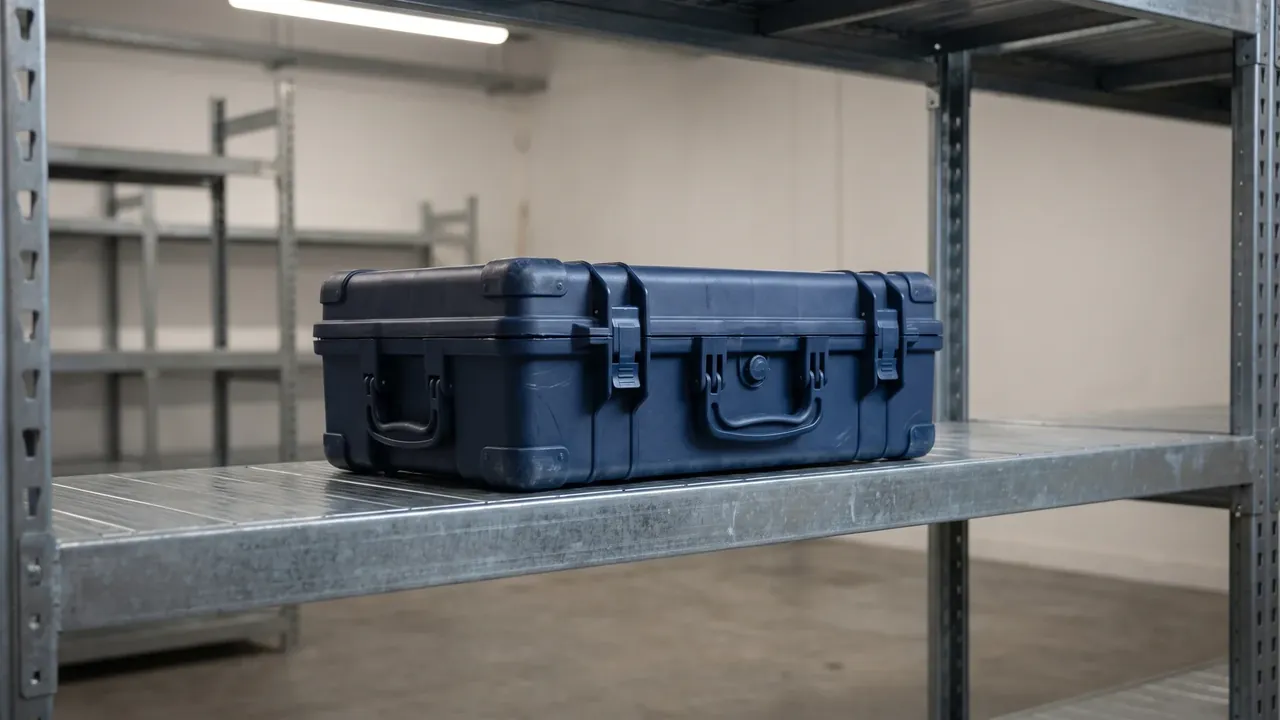
Quick answer: Day-to-day upkeep of grenade storage containers rests on three regimes. Labeling answers which container this is and what state it is in; inventory answers whether the count reconciles with the ledger; inspection answers whether the shell, seal and latch are still dependable. All three act on the case itself: fixed numbers, periodic rounds and status records move upkeep from fix-when-broken to prevent-on-schedule. Records should be traceable, and any abnormal container should be identified and isolated quickly.
Table of contents
- Building the labeling system for containers
- Periodic inspection of the shell and structure
- Maintaining the seal and the latch
- Running inventory and the record book
- Maintenance inspection acceptance checklist
- FAQ
1. Building the labeling system for containers

A labeling system aims at identifying a container without opening it. It is built from three layers: a unique number, a status mark, and responsibility with dates. Drop any layer and the chain breaks — a number without status leaves staff unable to tell whether a case may be used, while status without owner and date makes an abnormal case impossible to trace.
- Unique number: one number per container, engraved or on a fixed plate rather than a sticker that peels off;
- Status mark: colour or a standard symbol separating in-store, turnover, inspection and repair at a glance;
- Owner and date: the last inspection date and inspector, forming a traceable upkeep chain.
The position must be fixed and must not obscure the latch, seal or drainage features, and should avoid corners and skid sides that take knocks. Once a mark is blurred or lost, re-label it promptly.
2. Periodic inspection of the shell and structure

Structural checks judge whether the load-bearing structure is still intact. Capacity depends on wall thickness, reinforcing ribs, the skid and hinge bosses, so the routine runs from base to lid.
| Part | Watch for | Acceptance |
|---|---|---|
| Corners | Impact, cracking, distortion | No cracks, no through damage |
| Ribs | Dents, cracks | Ribs continuous, unbroken |
| Hinge bosses | Looseness, cracking | Firmly fixed, no play |
| Skid | Wear, distortion | Flat and level, no collapse |
The rule for a damaged case is isolate first, assess second. Light cosmetic wear may continue in service and be recorded; any damage touching the load-bearing structure or the sealing face must be withdrawn — never kept in a stack on appearances alone.
3. Maintaining the seal and the latch
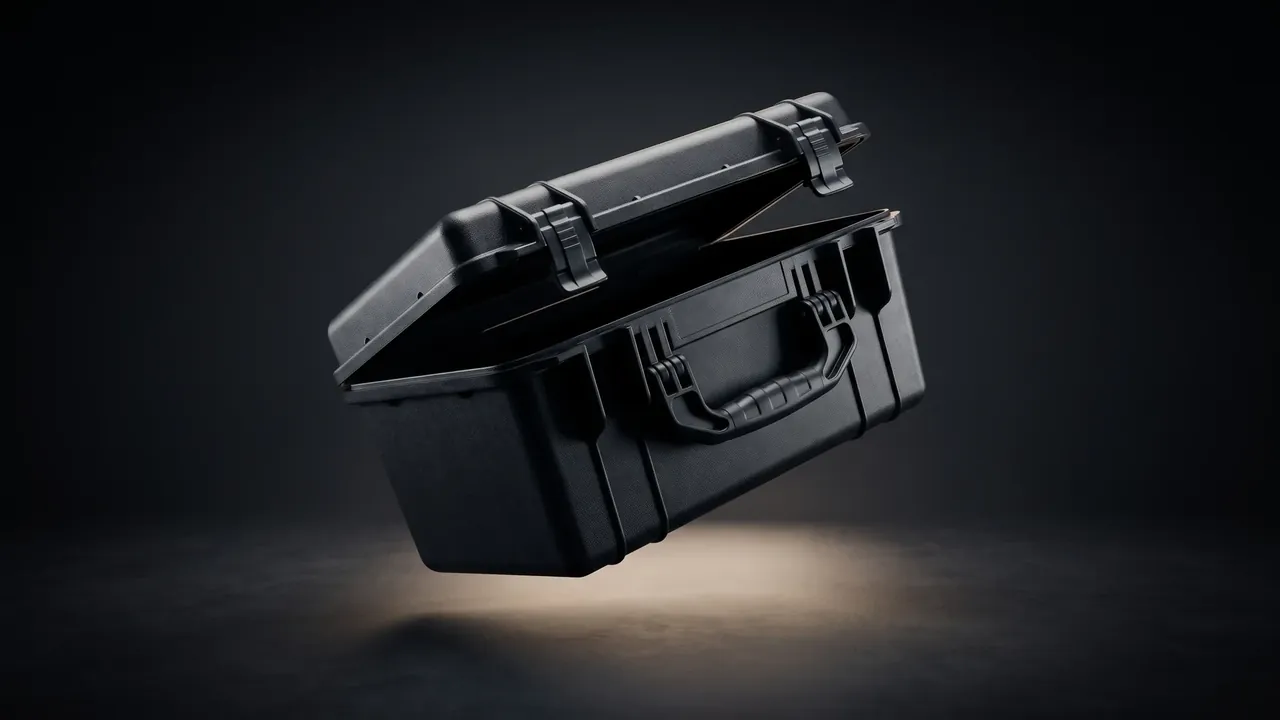
The gasket and latch preserve a container's protective performance and are also the parts most often overlooked. They are inconspicuous in daily use, yet when either fails the case loses its ability to isolate.
- Gasket condition: look for hardening, cracking, distortion or trapped debris; on pressing it should rebound quickly, and a hard, brittle feel means late life;
- Compression uniformity: after closing, the imprint along the lid lip should be continuous — a shallow local imprint is the most common leak origin;
- Latch tension: too loose under-compresses the sealing face, too tight accelerates fatigue in latch and gasket; keep the designed compression;
- Joints and fixing points: gasket joints and hinge fixings are the most common origin of aging and loosening.
When replacing a gasket or latch, order the same specification from the maker. Cross-section shape and compression are designed as a set; a different part undoes the seal design.
4. Running inventory and the record book
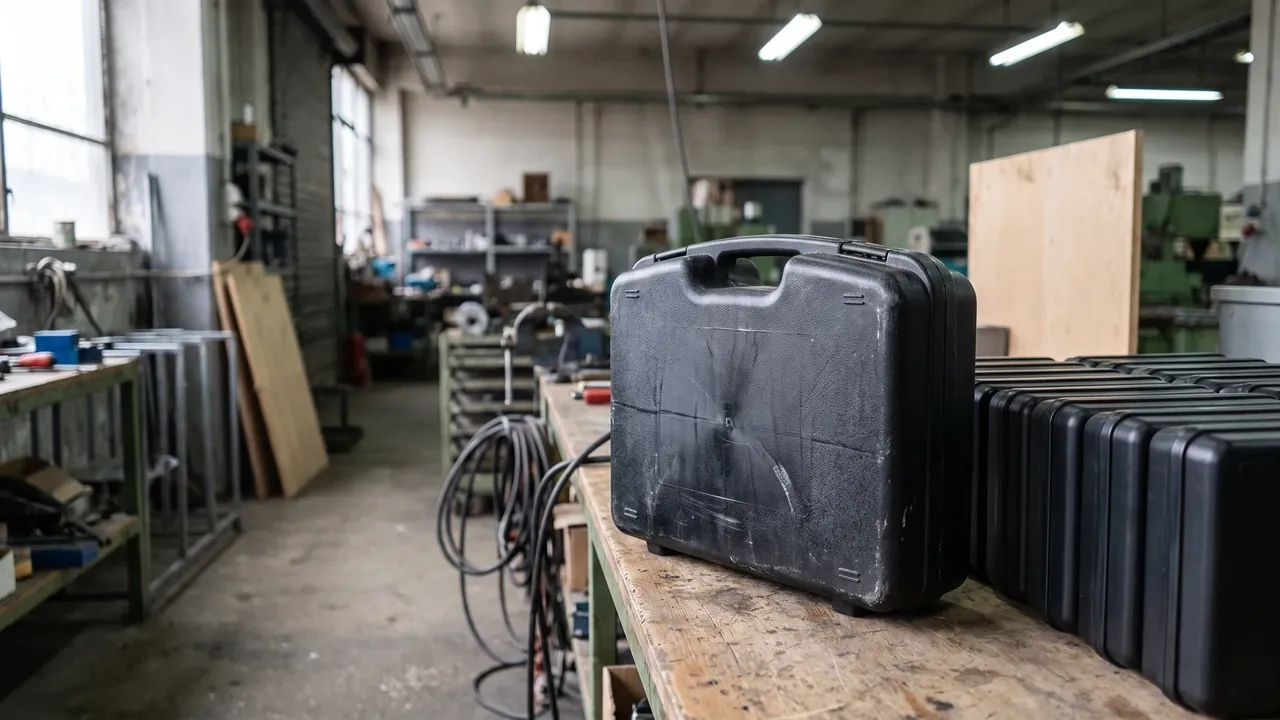
Inventory answers whether the count and status of containers match the ledger. An external check built around container numbers is faster than opening every case and still covers every unit.
- Numbers as the thread: walk each external number against the ledger, so every case is on the book and every entry has a case;
- Update status in step: refresh in-store, turnover, inspection and repair states during the count, so status does not lag;
- Isolate on exception: a missing number, damaged case or mismatched status is isolated and logged on the spot;
- Keep a trail: results, exceptions and actions all leave a record, forming a traceable file.
Record frequency should match the inspection regime, so any single container's history can be reconstructed when needed.
5. Maintenance inspection acceptance checklist
- Every container's number is clear, legible and matches the ledger;
- Status marks match physical state, with no stale labels;
- Corners, ribs, hinge bosses and skid show no structural damage;
- Gasket has no hardening, cracking or trapped debris, and the imprint is even;
- Latch compression is normal and the seal position is intact;
- Last inspection date and inspector are recorded, with exceptions closed out.
Conclusion
Upkeep of grenade storage containers is woven from three strands: labeling, inventory and inspection. Labeling makes a container identifiable, inventory makes its count and status checkable, and inspection verifies that shell, seal and latch remain dependable. Together they shift upkeep from reactive repair to active prevention. Numbers by fixed plate, inspection by fixed cycle rather than feel, and abnormal cases isolated before assessment — record all three and every container's history stays traceable.
This article covers the container side only and does not address handling or use of contents.
Related Reading
- Ammunition Storage Container and Munitions Shipping and St…
- Case Labeling and Asset Tracking Practice
- Explaining the Sealing Structure of Grenade Transport Containers
Related Products
- 8 Series — Gun Cases; Military Equipment Cases; Camera Equipment Cases; Drone Cases; Watch Cases; Knife Cases; First Aid Cases; Electronics Equipment Cases
- WL8-2812 PP Gun Case — model WL8-2812
- All protective cases and toolboxes: 7 series, 158 models