

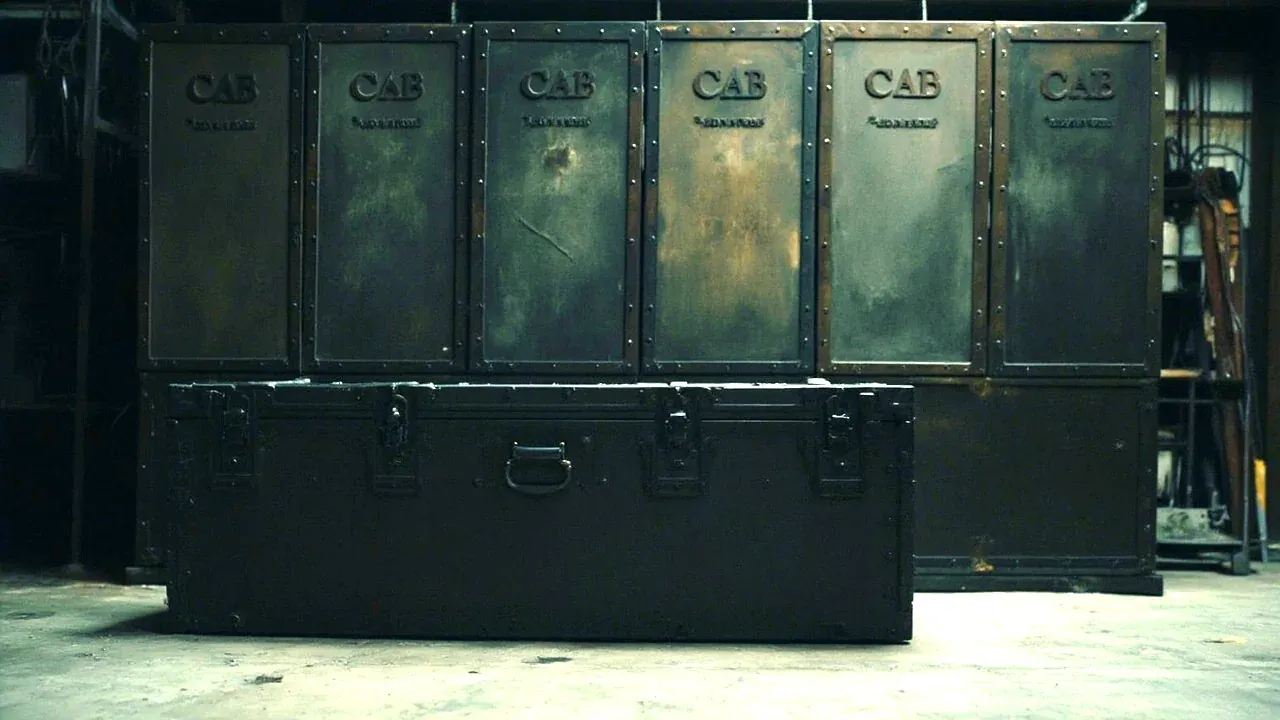
Quick answer: The line is whether the weapon leaves the room. Staying, the cabinet's layering, capacity and control all apply; leaving, the box's closure, weight and single-unit signature cannot be replaced.
Table of contents
- One line, two management actions
- Fixed custody: three advantages of a cabinet
- Carrying: three things only a box does
- Cost over five years
- Using both: ledger and hand
- FAQ
1. One line, two management actions
A cabinet is managed by item count: open, check each weapon, record, close. A box is managed by group signature: sign out once, sign back once. Different granularity suits different settings.
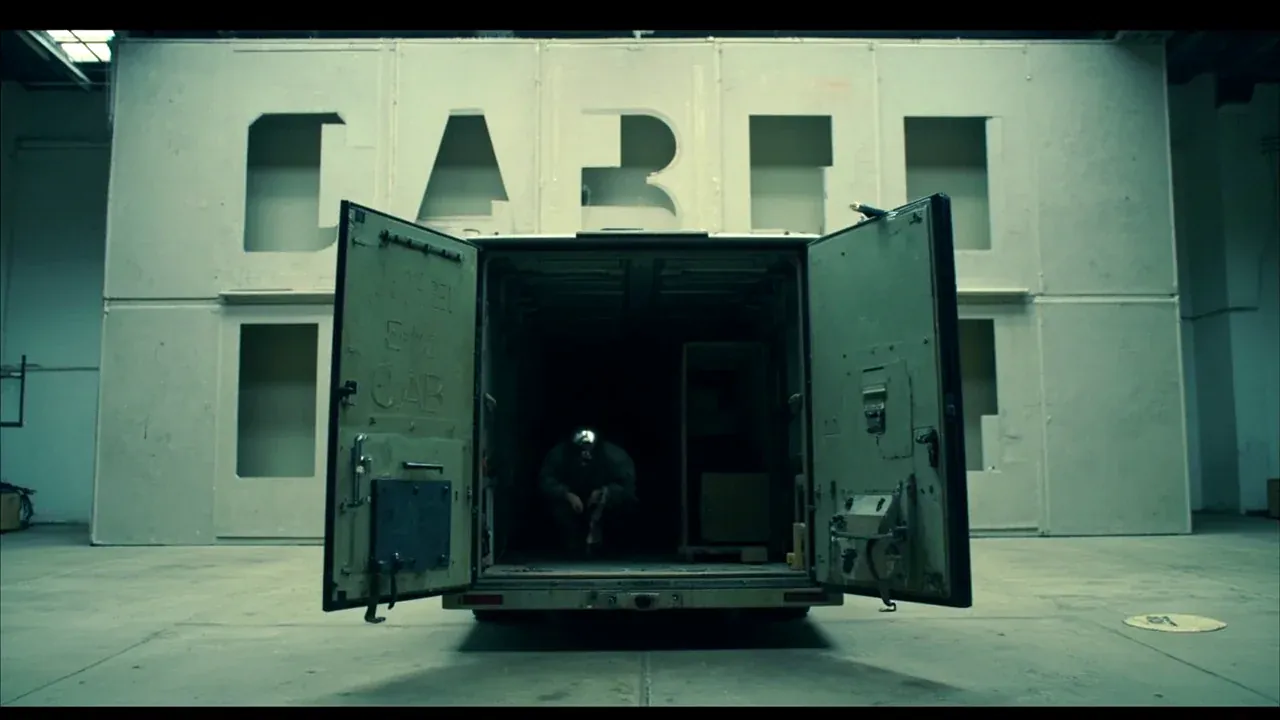
Item counting suits a stable armoury with a fixed crew; group signatures suit duty and temporary tasks. A cabinet full of boxes makes counting slow, and a cabinet cannot go out at all.
So they divide rather than replace: cabinets hold the register and boxes do the carrying, reconciled at handover.
| Dimension | Gun case | Gun box |
|---|---|---|
| Position | fixed, anchored | travels with the person |
| Management | item count | group signature |
| Capacity | 10 to 30 weapons | 1 to 3 weapons |
| Failure | frame distortion, bolt misalignment | corner cracks, gasket ageing |
2. Fixed custody: three advantages of a cabinet
Capacity first: floor to ceiling gives three to five times the volume on the same footprint. Second, counting without moving anything. Third, one key per cabinet and a single line in the log.
All three assume it stays put: moving a cabinet means emptying, unanchoring and re-levelling, usually a day. Above one move a year it stops paying.
One hidden advantage: visibility. Open the door and the state of every weapon is visible; boxes must be opened one by one.
3. Carrying: three things only a box does
It travels: loaded, carried, opened on site. It is a single sealed unit with its own signature. And it isolates — sealing and cushioning a shelf cannot provide.
Its weakness is capacity and granularity: one to three weapons per box, so many boxes turn a count into counting boxes. Group by task, one box per task.
One practical advantage: speed on site. A cabinet needs a walk, a lock and a door; a box opens to the weapon, and in time-sensitive work those seconds count.
4. Cost over five years
Over five years a cabinet costs more up front and less to keep; boxes cost less initially but need replacing in five to eight years, with straps and liners as consumables.

Labour is the real difference: item count against group signature. Once boxes outnumber compartments, labour reverses the saving.
Space matters too: a cabinet holds floor area permanently, while boxes tuck into a corner — worth something where space is short.
5. Using both: ledger and hand
Cabinet for the ledger, box for the hand: stock stays in the cabinet, boxes go out and return against the task, reconciled daily or weekly by frequency.
The usual failure is drift: returns counted by box number only. Put a list in each box and spot-check one weapon at a fixed ratio, so the pressure is predictable.
Finally, numbering: both carry one, and the rule should reveal the relationship, or handovers end with the weapon in the cabinet and the record on the box.
Conclusion
One line: does the weapon leave the room? Staying, the cabinet's capacity, visibility and control all apply; leaving, the box's closure and single-unit signature cannot be replaced. Cabinet for the ledger, box for the hand, one numbering system throughout.
This article covers container-side specifications and design implications only, not the handling, loading or use of the contents.
Related Reading
Related Products
- 8 Series — Gun Cases; Military Equipment Cases; Camera Equipment Cases; Drone Cases; Watch Cases; Knife Cases; First Aid Cases; Electronics Equipment Cases
- WL8-2812 PP Gun Case — model WL8-2812
- All protective cases and toolboxes: 7 series, 158 models