

Quick answer: Three variables settle a rifle case: cavity length, how the foam is cut, and the latch type. Length comes from the longest configuration plus margin, foam follows whether optics stay mounted, and latches follow how the case travels.
Table of contents
- The three variables
- Length: measure the build, not the bare rifle
- Foam: where flat ends and cut begins
- Latches and carrying: set by transport
- Acceptance: four actions
- FAQ
1. The three variables
Length comes first, measured on the longest configuration — muzzle device, butt pad, under-barrel fittings — plus thirty millimetres. Sizing on a bare rifle guarantees rework, since a moulded case cannot be lengthened.
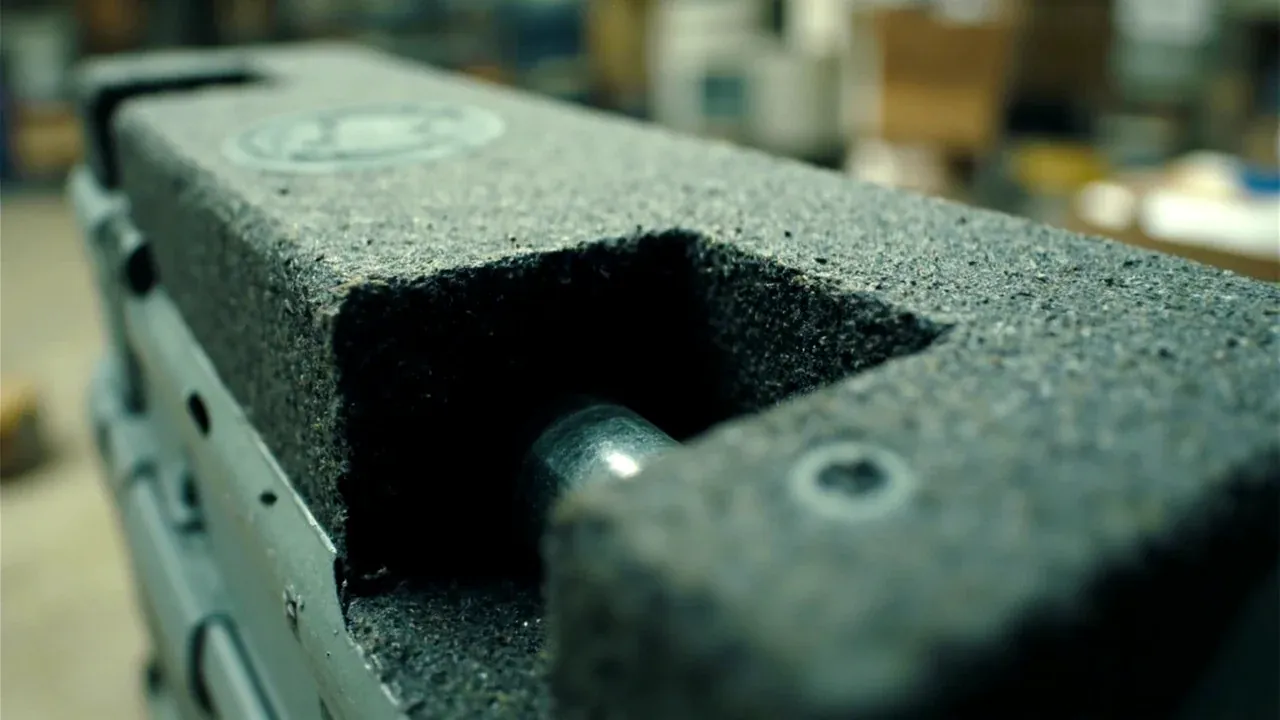
Foam is flat or cut. Flat suits a bare rifle clamped between two layers; cut suits mounted optics, with separate cavities for scope and mount. Latches follow transport: a padlock hasp for vehicle and store, a through-pin for air freight.
The three constrain each other: finer cut-outs shorten usable length because the ends need cushioning, and extra length adds weight and handling effort.
| Variable | How to size | Typical | If wrong |
|---|---|---|---|
| Cavity length | longest build plus 30 mm | 1000 to 1300 mm | will not fit after additions |
| Foam | cut if optics stay on | flat or two cavities | scope shifts under load |
| Latches | by transport mode | draw latches with hasp | opens in transit |
2. Length: measure the build, not the bare rifle
Measure the rifle as it is used: muzzle device, butt pad, common under-barrel fittings. The figure usually runs fifty to eighty millimetres past the bare length, and that is what decides whether the case works.
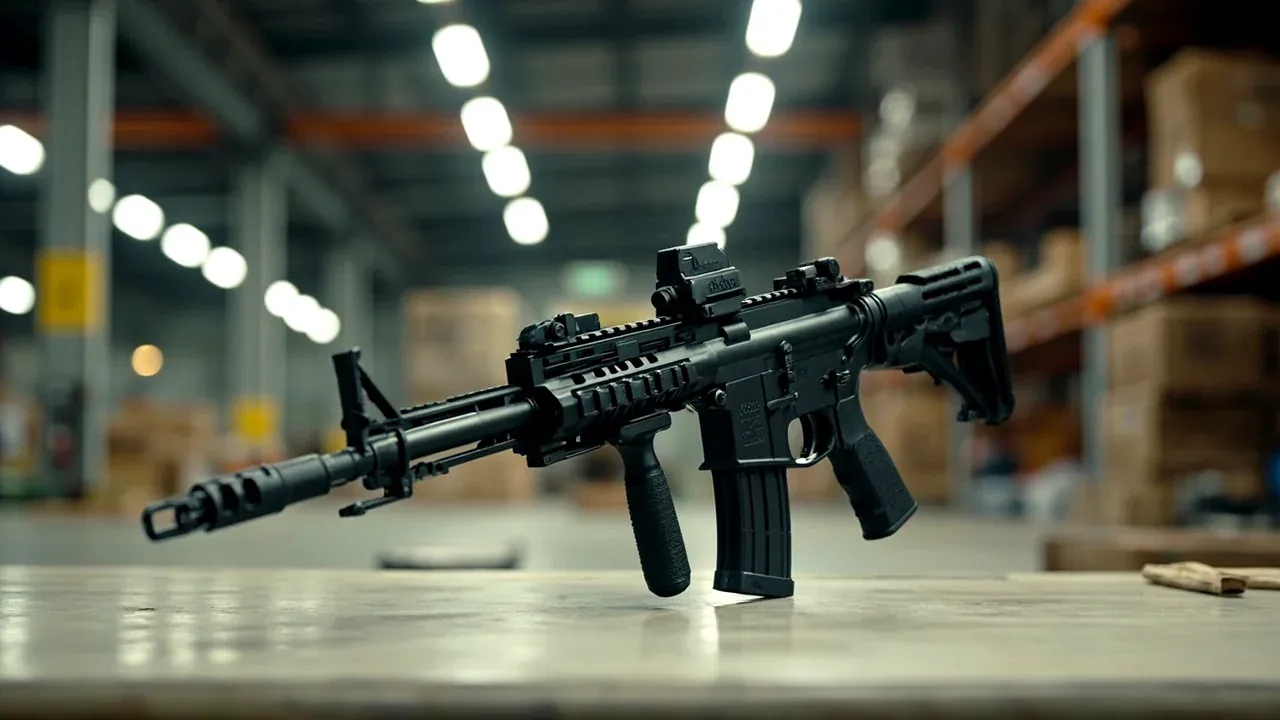
Allow thirty millimetres for end cushioning and finger room. Below twenty the rifle has to be forced in and the foam wears; above fifty it slides and knocks against the shell.
3. Foam: where flat ends and cut begins
A flat case clamps the rifle between two foam layers: universal, no new case when the rifle changes, but weak positioning and slight rotation under load, which shifts mounted optics.

Choose by whether optics travel on the rifle. If they do, cut cavities — scope and mount separate, with a rib between. If not, flat foam is enough and saves about thirty percent of volume.
Depth matters: past seventy percent of the body diameter the rifle must be pried out; below fifty the grip is weak. Seventy is the balance point most tooling uses.
4. Latches and carrying: set by transport
For vehicle and store, two to four draw latches plus a padlock hasp: the latches compress the seal, the hasp stops accidental opening. For air freight, add a through-pin so the lid stays shut even if every latch releases.
Carrying comes with it: a side handle for short moves, shoulder straps for long walks. A case over a metre is hard to carry one-handed past two hundred metres, a point routinely underestimated.
5. Acceptance: four actions
Place the rifle in its longest build and check end clearance between twenty and fifty millimetres. Close and shake for movement. Paper-strip the rim for sealing. Cycle the latches ten times for return.
Four actions in ten minutes cover size, grip, sealing and latches, with no special tools. Attach a photograph of the packed case to the record — it settles arguments faster than text and shows the rifle sat where it was placed.
Conclusion
Three sentences: length from the longest build, foam from whether optics travel mounted, latches from the transport mode. There is no fourth variable, and missing any one surfaces at the next addition or shipment.
This article covers container-side specifications and design implications only, not the handling, loading or use of the contents.
Related Reading
- Rifle case versus long storage box
- Sniper rifle case specifications
- Choosing a gun cabinet
- Tool box foam lining selection
Related Products
- 8 Series — Gun Cases; Military Equipment Cases; Camera Equipment Cases; Drone Cases; Watch Cases; Knife Cases; First Aid Cases; Electronics Equipment Cases
- WL8-2812 PP Gun Case — model WL8-2812
- All protective cases and toolboxes: 7 series, 158 models