


Quick answer: A sniper rifle case differs in three ways: a longer cavity, more support points, and higher vibration control. Length comes from barrel and suppressor, supports from weight, vibration from the sensitivity of the optic's zero.
Table of contents
- Three specification differences
- Cavity length and mid-span stiffness
- Supports: three hard blocks
- Vibration: stiffness, not thickness
- How to write the specification
- FAQ
1. Three specification differences
Cavity length runs 1200 to 1500 millimetres depending on barrel and suppressor. Scaling up is not enough: a longer case carries a larger bending moment, so walls and base need more stiffness or the middle sags when carried.
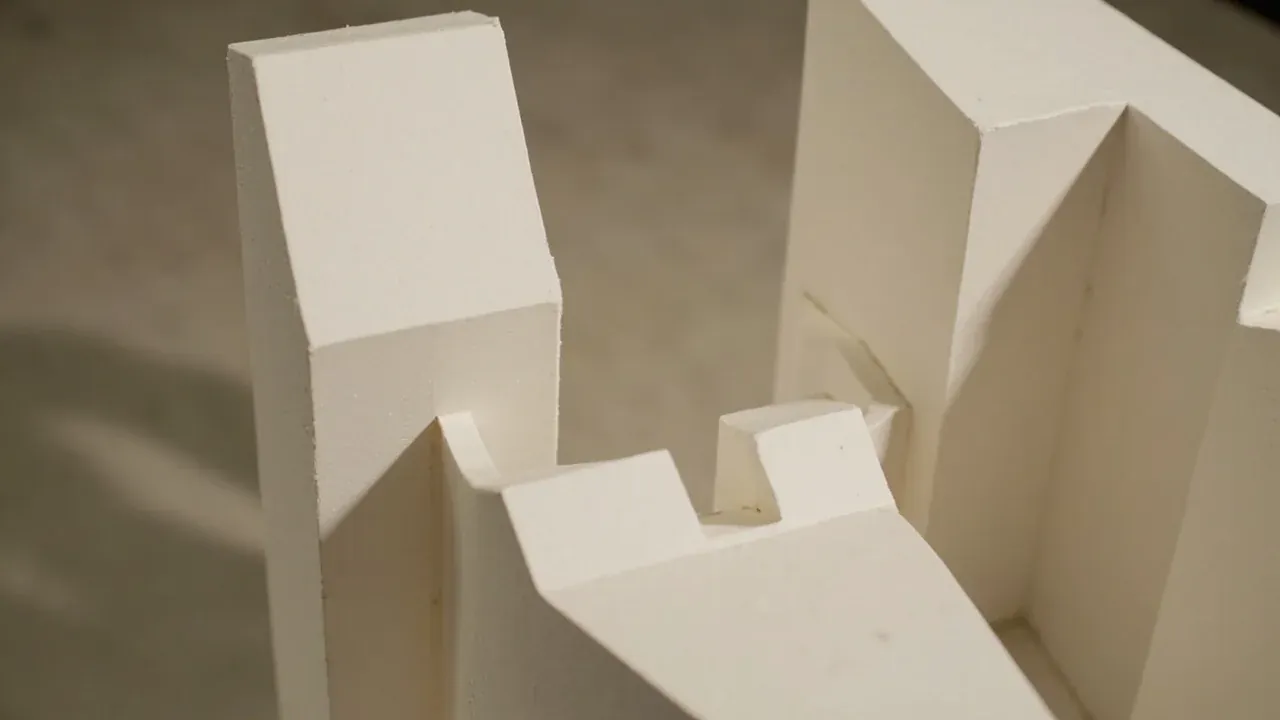
Support points come second. A sniper case supports butt, receiver and barrel, spreading load into the base; with only two end supports the middle deflects under its own weight, loading the barrel-to-receiver joint during storage.
Vibration is third and hardest to quantify. Road and vehicle vibration sits in the low band, and low-frequency control comes from support stiffness rather than foam thickness — hence hard blocks rather than soft foam.
| Figure | Typical | Test | If short |
|---|---|---|---|
| Cavity length | 1200 to 1500 mm | measure the longest build | will not close with suppressor |
| Supports | three hard blocks | press the middle, watch deflection | barrel load, zero drift |
| Vibration | stiff supports plus cushioning | loaded road test | mount loosens |
| Lid clearance | 15 mm above the optic | feeler gauge | lid presses scope |
2. Cavity length and mid-span stiffness
Adding length turns the case from a beam supported at both ends into one with a suspended middle. At fifteen kilograms over 1.3 metres the sag reaches five millimetres without reinforcement, opening a gap at the sealing face.

Two fixes: longitudinal ribs in the base, or a centre foot. The first keeps the outer size, the second changes how it sits. Ask for the measured mid-span sag — a better indicator of stiffness than wall thickness.
3. Supports: three hard blocks
The three supports follow the rifle: butt for recoil face, receiver for main weight, barrel for the front overhang. Make them hard, with arc-shaped contact faces, so no point load marks the finish.
Leave cushioning under each block: the hard block carries, the soft foam absorbs. Bonding a block straight to the base sends the whole drop load into the rifle — worse than all-soft foam.
Blocks should be replaceable. Configurations change, and a new barrel or rail no longer matches the old profile; replaceable blocks let the case follow the rifle instead of buying a new one.
4. Vibration: stiffness, not thickness
Low-frequency vibration has large displacement and little energy absorbed by foam; what matters is support stiffness and overall rigidity. That is why sniper case blocks are hard, with cushioning reserved for drops.

Verify by a loaded road test: twenty kilometres on the actual route, then check whether the alignment marks on mount and rings have moved. Closer to reality than a shaker table and easier to run.
5. How to write the specification
Five lines: cavity dimensions at the longest and widest build, support count and position, block material and replaceability, lid clearance, and a measured limit on mid-span sag. All five can be accepted and written into a contract.
Avoid adjectives like thicker or reinforced: they cannot be accepted or compared. Replace them with numbers and positions, which matters most for a sniper case, where the price difference lives in those invisible structures.
Conclusion
Five numbers: cavity size, support count and position, block material, lid clearance, sag limit. All measurable and contractable — far more useful than longer and thicker. The invisible structure is what the price difference buys.
This article covers container-side specifications and design implications only, not the handling, loading or use of the contents.
Related Reading
- Sniper cases in duty and transport
- Choosing a rifle case
- Choosing a gun cabinet
- Tool box foam lining selection
Related Products
- 8 Series — Gun Cases; Military Equipment Cases; Camera Equipment Cases; Drone Cases; Watch Cases; Knife Cases; First Aid Cases; Electronics Equipment Cases
- WL8-2812 PP Gun Case — model WL8-2812
- All protective cases and toolboxes: 7 series, 158 models