

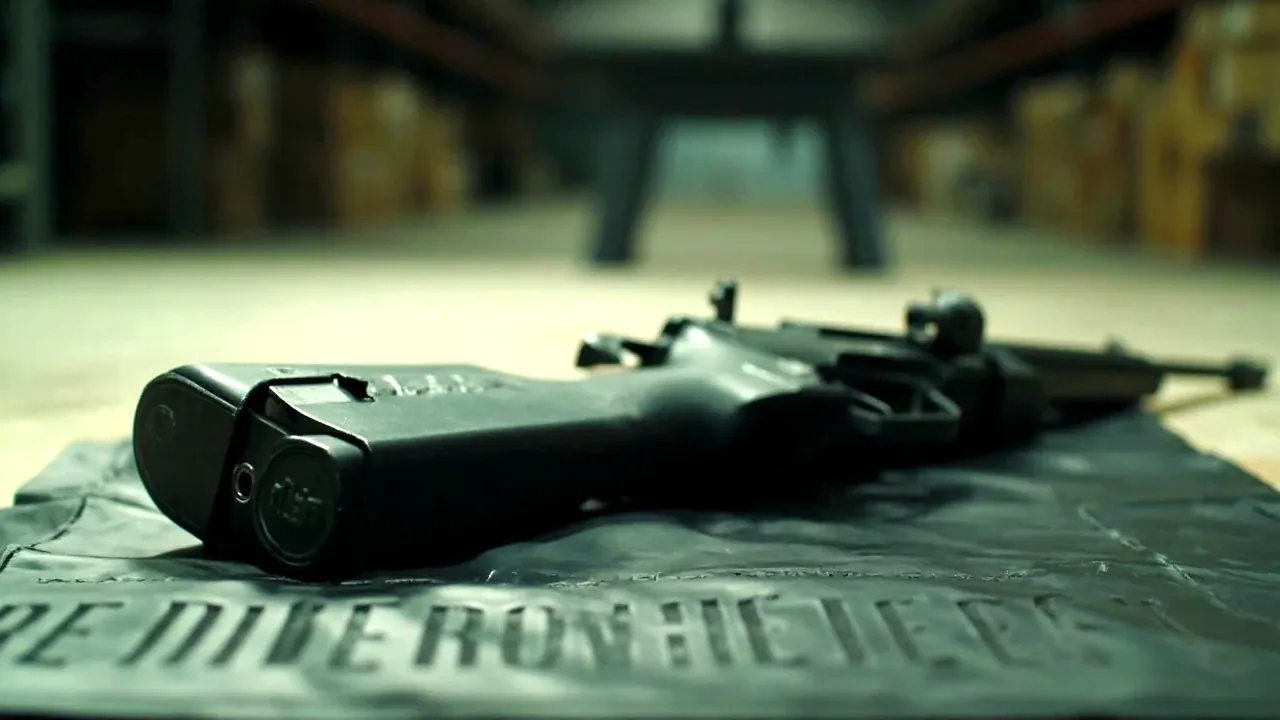
Quick answer: A sniper case does three jobs: a shell to carry on duty, a vibration-resistant cradle in transport, and a sealed unit in storage. The requirements conflict — light, stiff, sealed — which is why units often keep two: one for carrying, one for storage.
Table of contents
- Three contexts of use
- Duty: opening within three minutes
- Transport: fixing and vibration
- Storage: sealing and support
- How to split the two cases
- FAQ
1. Three contexts of use
Duty means short distance, high frequency and carried: open and close within minutes, under twelve kilograms. Transport means long distance, low frequency and mechanised handling: vibration and impact resistance, up to twenty kilograms. Storage means long immobility: sealed, rarely opened.
The three conflict. Light rules out thick walls and hard supports; stiff rules out thinning; sealed rules out vents. Compressing all three into one case leaves every requirement marginal.
Splitting the roles is more rational: a light carry case for duty, a thick-walled case for storage and long transport. Two cases usually cost less than one all-round case repaired repeatedly.
| Context | Focus | Weight | Openings |
|---|---|---|---|
| Duty carry | light, fast opening | under 12 kg | several a day |
| Long transport | vibration and impact | under 20 kg | per task |
| Storage | sealed, moisture proof | unrestricted | monthly |
2. Duty: opening within three minutes
In duty, opening speed decides time to position: four latches take about forty seconds for a practised user, while pins and locks push it past two minutes. That is a trade, not a defect — where speed matters, locks do not belong on that route.
A light case typically has two latches and no lock, relying on the carrier's control. That works on short duty and fails in transport, which is why splitting the roles places security at the right stage.
3. Transport: fixing and vibration
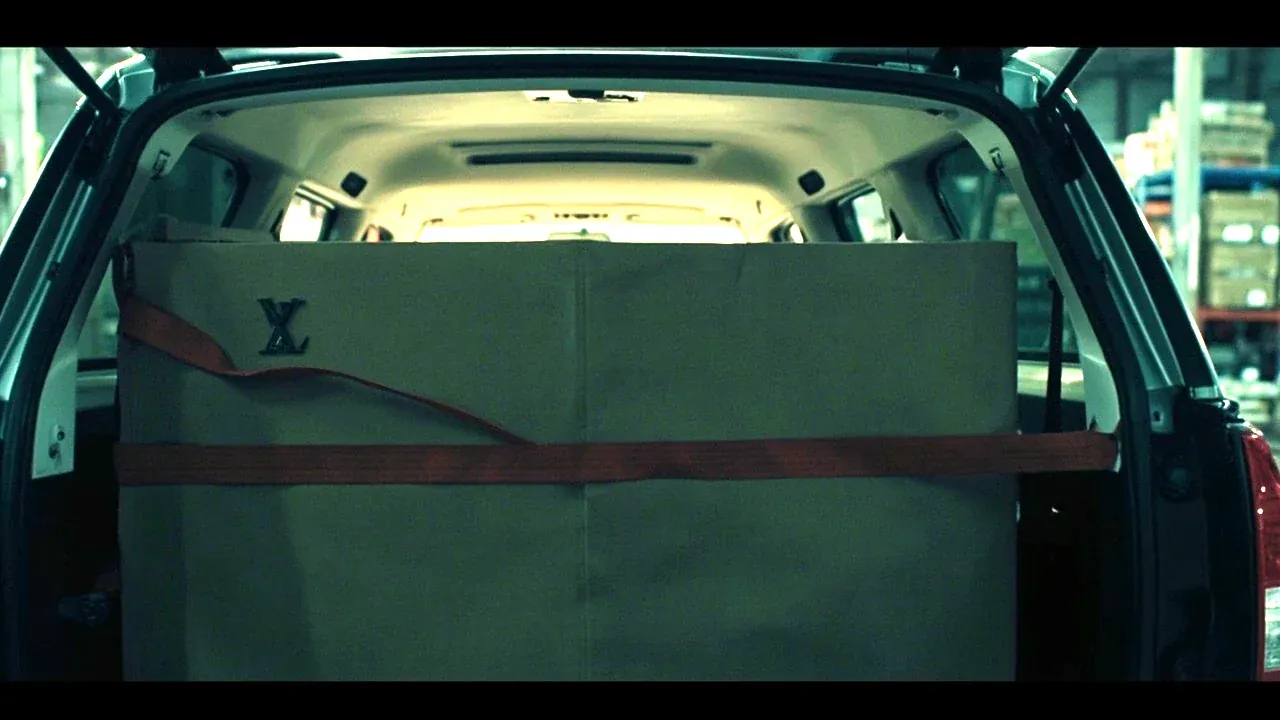
In transport the case must first be fixed: an unsecured case slides under braking, and the contents take the inertial load even if the shell survives. Straps, cradles and racks all work; straps are universal, cradles most stable.
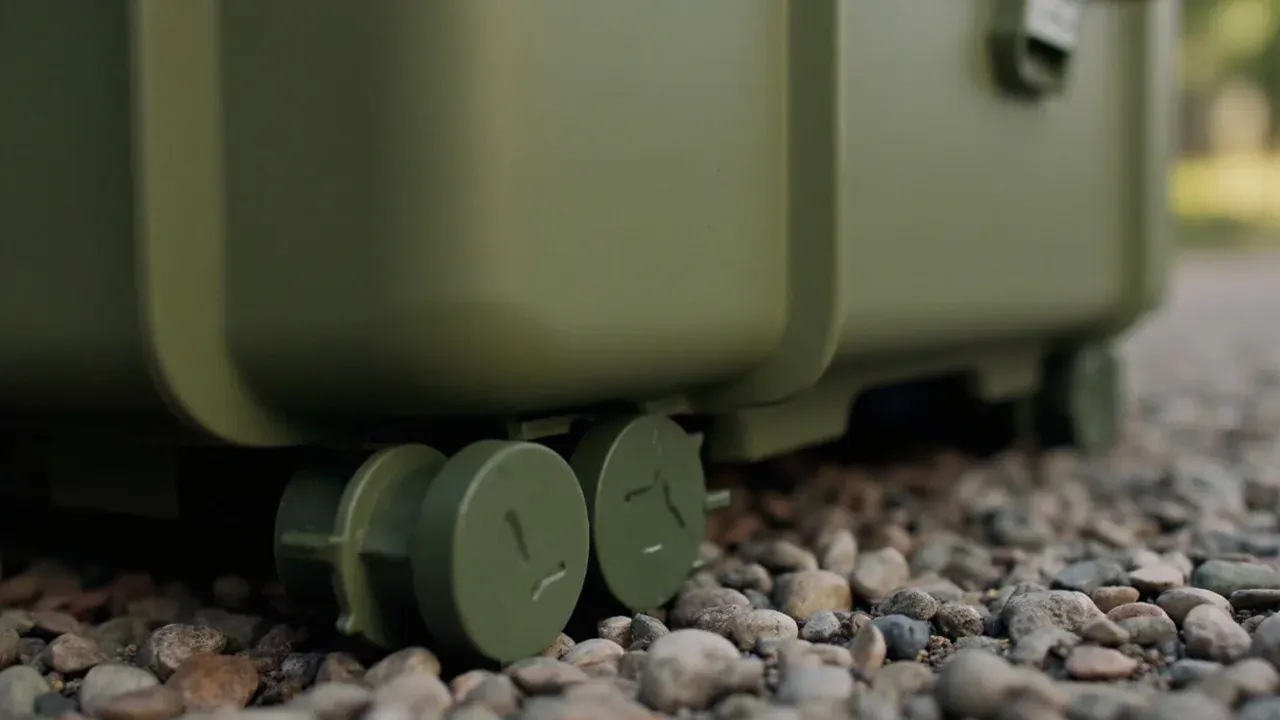
Vibration comes next: a rubber mat between case and floor cuts the high-frequency component, while the blocks handle the low band. Different jobs — miss one and resonance appears on a particular stretch of road.
4. Storage: sealing and support
Storage cases must deal with moisture: a continuous gasket, desiccant changed on schedule, and the case kept ten centimetres off the floor and away from external walls.
Support matters over months: laid flat the rifle rests on three blocks, stood on end the load moves to one end and the blocks take force in a different direction. Store flat and reverse the orientation quarterly.
5. How to split the two cases
Light carry case: two latches, flat or shallow foam, side handle and single strap, under twelve kilograms. Thick storage case: four latches with a through-pin, three hard blocks, full gasket, feet, under twenty kilograms.
Unify the numbering. One rifle with two cases needs a visible relationship, or handovers end with the rifle in case A and the record in case B. Rifle number plus a letter suffix is the usual pattern.
Conclusion
Three sentences: duty needs light and fast, transport needs stiffness, storage needs sealing. They conflict, and one case serving all three is marginal at each; split into a carry case and a storage case, unify the numbering, and the arrangement holds up over years.
This article covers container-side specifications and design implications only, not the handling, loading or use of the contents.
Related Reading
Related Products
- 8 Series — Gun Cases; Military Equipment Cases; Camera Equipment Cases; Drone Cases; Watch Cases; Knife Cases; First Aid Cases; Electronics Equipment Cases
- WL8-2812 PP Gun Case — model WL8-2812
- All protective cases and toolboxes: 7 series, 158 models