

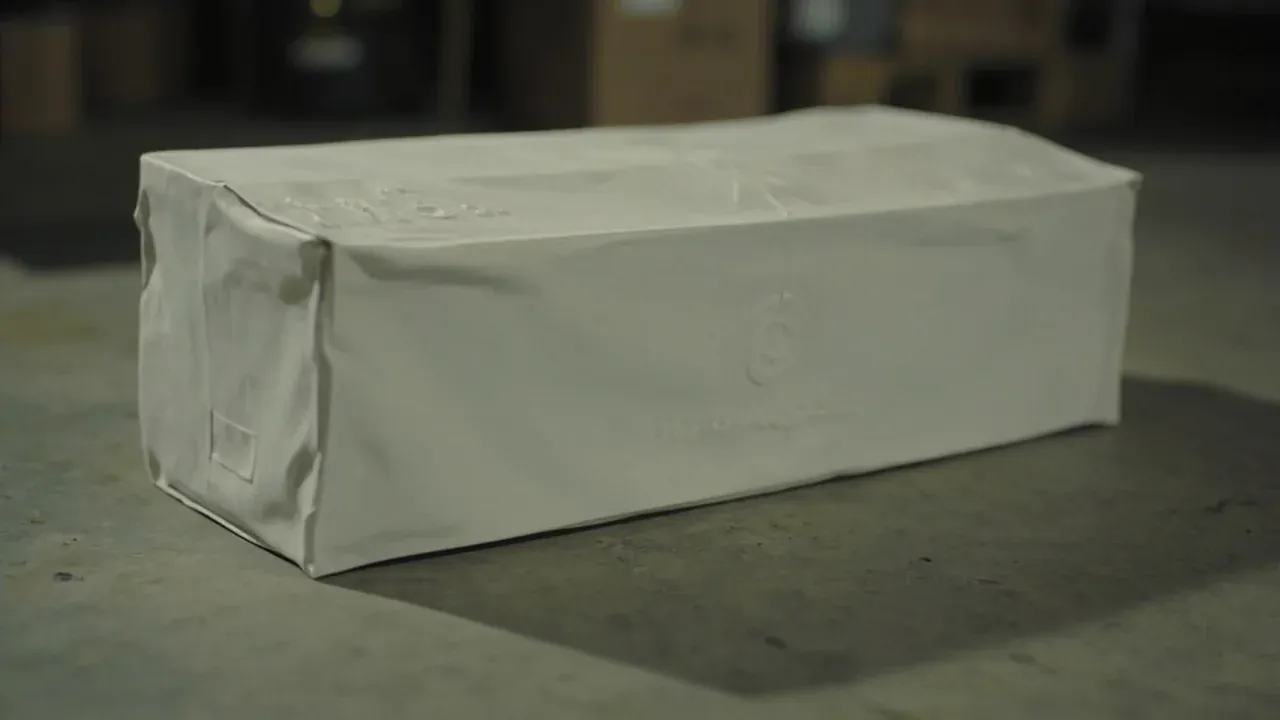
Quick answer: A rifle case and a long storage box look alike; three actions separate them — does the rifle move, does the lid press it, does the handle deform. They map to cut foam, lid clearance and a reinforced handle mount.
Table of contents
- Three structural differences
- Positioning: the chain reaction from movement
- Lid clearance: where the optic sits
- Carrying: the centre of gravity problem
- Price gap versus failure cost
- FAQ
1. Three structural differences
Lining first: a rifle case has cut-outs that stop lateral movement, while a long box uses a flat sheet or corrugated liner and relies on compression, so the rifle drifts in transit. Second, lid clearance: a rifle case leaves a recess over the optics, a long box is flat and presses the scope.
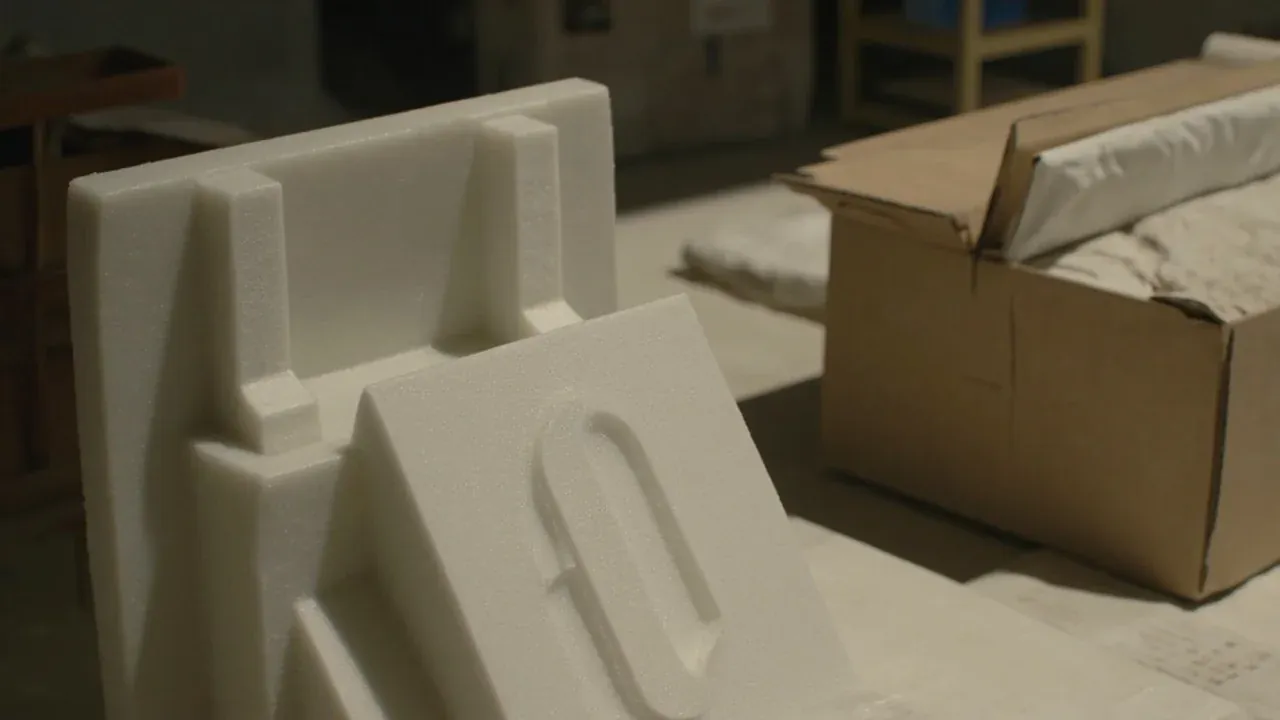
Third, the handle mount. Past a metre, a loaded case puts a large bending moment on a mount designed for a short box, and it pulls out. None of the three shows with an empty case.
| Feature | Rifle case | Long storage box |
|---|---|---|
| Lining | cut to the rifle profile | flat foam or corrugated |
| Lid interior | recess over optics | flat, presses down |
| Handle mount | thickened with metal inserts | designed for a short box |
2. Positioning: the chain reaction from movement
Movement wears the finish, shifts the optic, and finally stops the case being used at all — the worst outcome, because an unused case protects nothing.
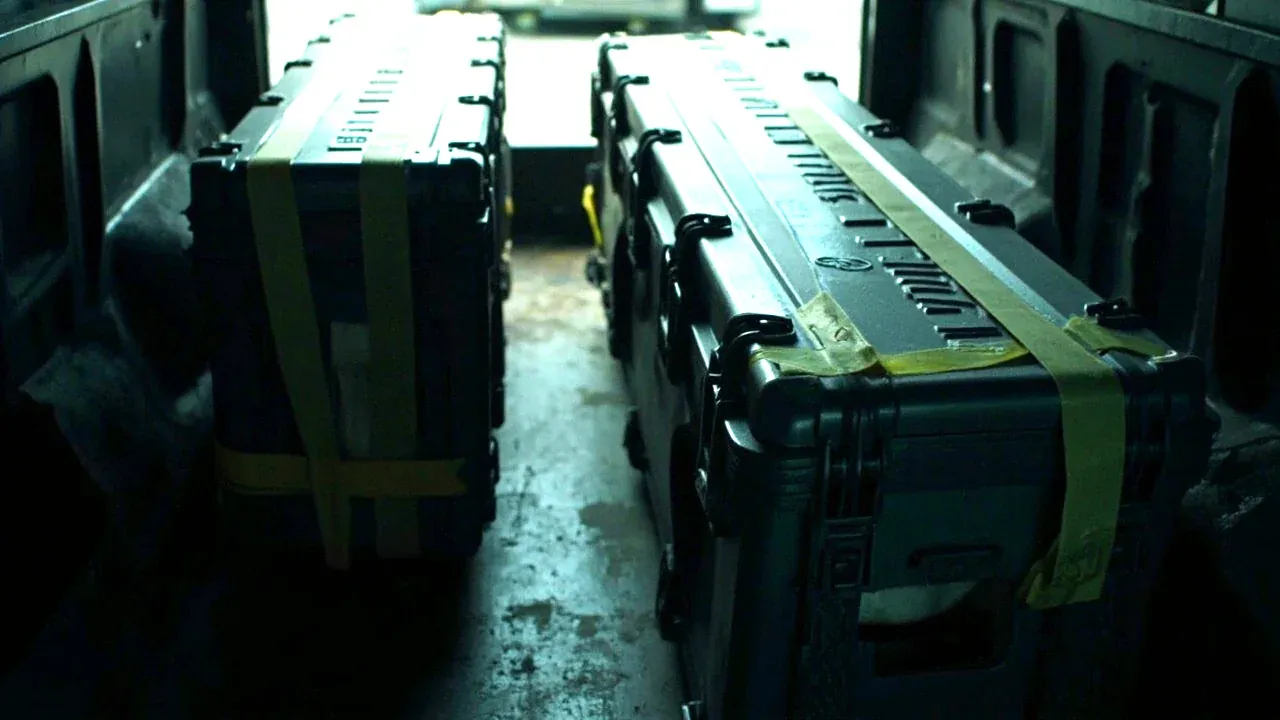
Cut foam addresses the first two. The cavity runs one to two millimetres larger than the profile: tighter is hard to load, looser still moves. Close it, turn it over three times, reopen, and see whether the rifle is where it started.
3. Lid clearance: where the optic sits
Optics are the most pressure-sensitive item: the scope-to-mount thread shifts its zero under load, and the shift is found at the next use, when the cause can no longer be identified.
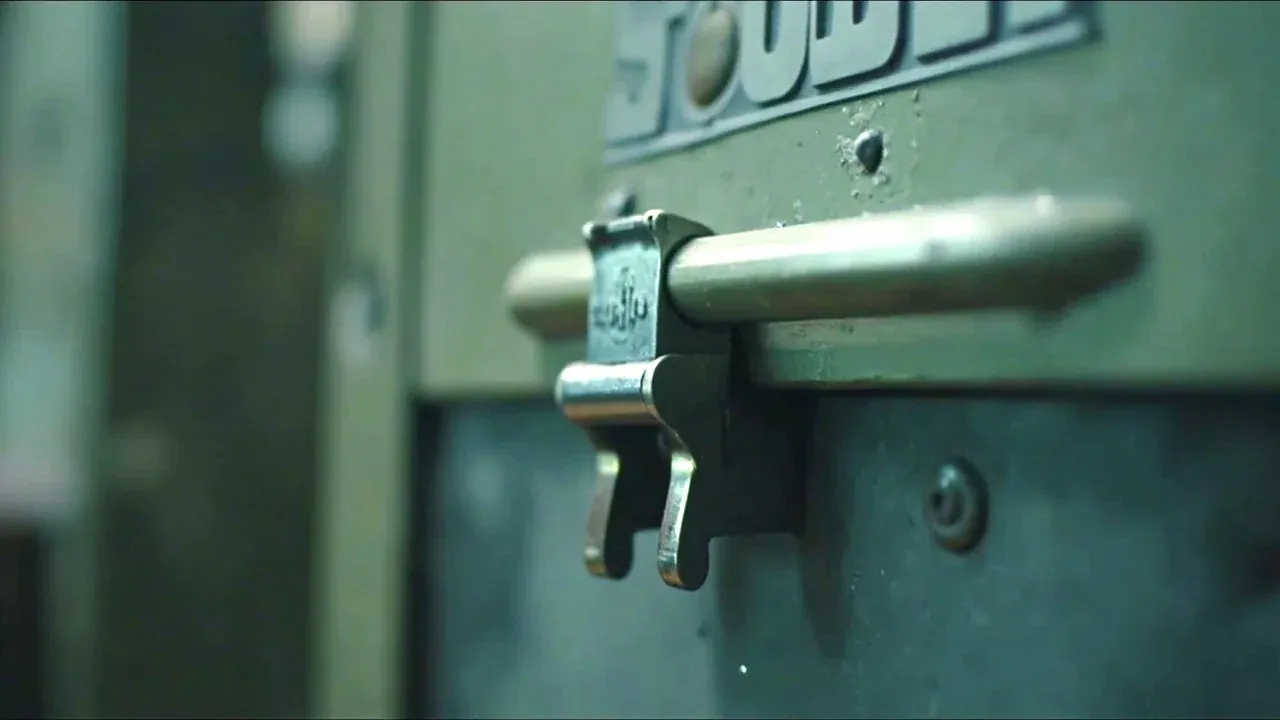
Two approaches: a recess in the lid, more reliable but needing lid thickness, or lower foam over the optic, simpler but the foam can still touch once compressed. Give the supplier the optic model and let them set the clearance.
4. Carrying: the centre of gravity problem
A long case hangs with its centre of gravity off to one side, so the wrist applies constant torque. After two hundred metres most people switch to carrying it in both arms, where it gets knocked.
Put the handle at the balance point, or fit two. Twin handles allow a two-person carry and hand changes, which matters over distance. Test on site: hold a loaded case for thirty seconds and see when the wrist complains.
5. Price gap versus failure cost
A rifle case costs about twenty percent more, from cut foam, lid clearance and a reinforced handle. Against that sit re-zeroing time, finish repair, and the loss of trust that decides whether the case is used at all.
For short store-only holding a long box is acceptable; once transport with repeated handling enters, the three features become necessary. Count loadings per year: past ten, the difference is recovered in the first year.
Conclusion
One line: does it move, does the lid press it, does the handle deform. Three structures, about twenty percent more, against re-zeroing and lost trust. Store-only holding can save the money; transport cannot, and a scuffed rifle also invites handover disputes that cost more time than the case.
This article covers container-side specifications and design implications only, not the handling, loading or use of the contents.
Related Reading
- Choosing a rifle case
- Sniper rifle case specifications
- Gun cabinet versus gun case
- Tool box foam lining selection
Related Products
- 8 Series — Gun Cases; Military Equipment Cases; Camera Equipment Cases; Drone Cases; Watch Cases; Knife Cases; First Aid Cases; Electronics Equipment Cases
- WL8-2812 PP Gun Case — model WL8-2812
- All protective cases and toolboxes: 7 series, 158 models