

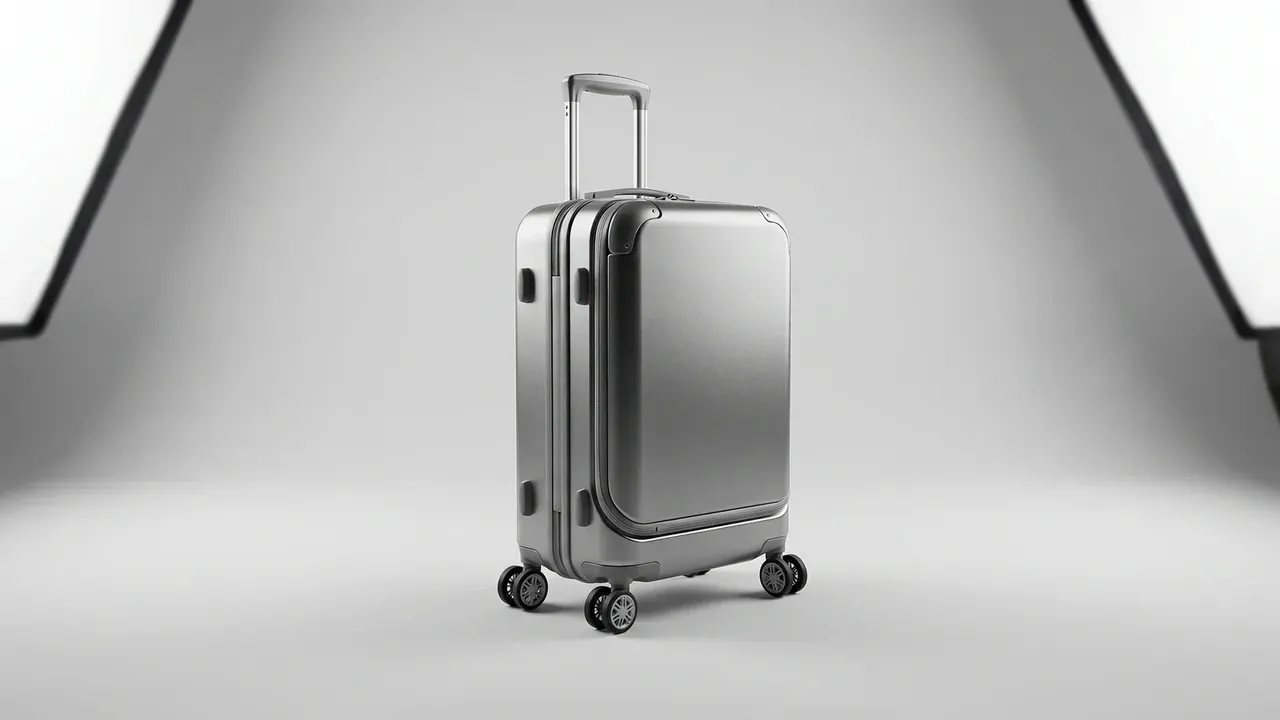
Quick answer: A manual tool case is sized by carrying distance, not volume: one person, 800 metres, under 2.5 kg. The five scenarios below differ in tiers, latches and slot tolerance.
Table of contents
- Where a Manual Tool Case Fits
- Tiered Trays and Clear Height
- Slot Tolerance for Bench Work
- Shoulder Load on Outdoor Callouts
- Identification Speed for Service Visits
- FAQ
1. Where a Manual Tool Case Fits
A manual tool case is defined by carrying method: one person, 800 metres, under 2.5 kg. Past that it is hauled, and handle, latches and tiers get redrawn. Sizes run 260 x 190 x 75 mm at 0.6 kg empty, 320 x 230 x 95 mm at 1.15 kg and 360 x 270 x 110 mm at 1.8 kg.
Handle position matters more than shell weight: a grip 10 mm off the centre of gravity makes the case nose forward, and at 6.5 kg loaded a grip under 110 mm turns a 200 metre walk into a cramp.
| Class | Size (mm) | Tiers | Carry |
|---|---|---|---|
| 260 x 190 x 75 | 1 | One hand | |
| Single person | 320 x 230 x 95 | 2 | One hand |
| Enlarged | 360 x 270 x 110 | 3 | Hand plus strap |
2. Tiered Trays and Clear Height
Three levels carry fixed jobs: 60 mm at the bottom for long bars, 35 mm for sockets, 28 mm on top for screws. Clear height equals the tallest item plus 5 mm, which is why 28 mm suits a 22 mm bit holder standing upright.
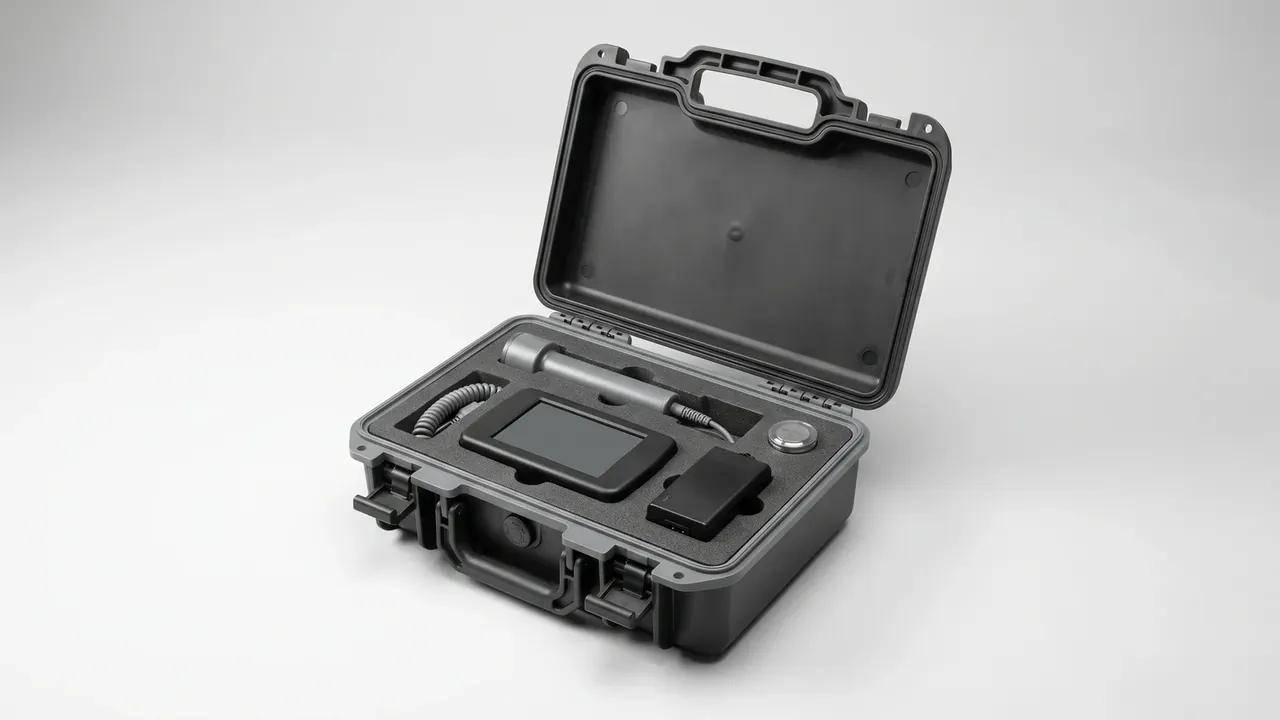
A 105 degree detent at the hinge holds the upper tray clear of the lid foam; it hides inside the knuckle yet decides whether the case opens one-handed. Tray floors need 2.5 mm wall and two ribs for 1.8 kg per tier; at 6.5 kg loaded each handle side carries 3.2 kg.
3. Slot Tolerance for Bench Work
Bench work is the tightest use, with parts down to 1.5 mm and a line that stops when one screw disappears. Slots need a tolerance band: 0.8 mm PP dividers form 12 x 12 mm cells held to plus or minus 0.5 mm, and a gap beyond 1 mm lets an M2 screw cross into the next cell.
Static control is a resistance target: body and liner are treated to land between 10^6 and 10^9 ohms, and below that band discharge sparks at a connector while above it charge never drains. A 5 mm EVA pad in the lid means an inverted case shifts nothing.
| Slot | Size (mm) | Count |
|---|---|---|
| Screw cell | 12 x 12 | 24 |
| Long slot | 90 x 14 | 3 |
| Round pocket | 32 dia | 2 |
4. Shoulder Load on Outdoor Callouts
Time, not mass, limits this tier: 45 minutes on one shoulder is a normal leg, so the strap goes to 38 mm with 6 mm foam and an 8 mm recess.
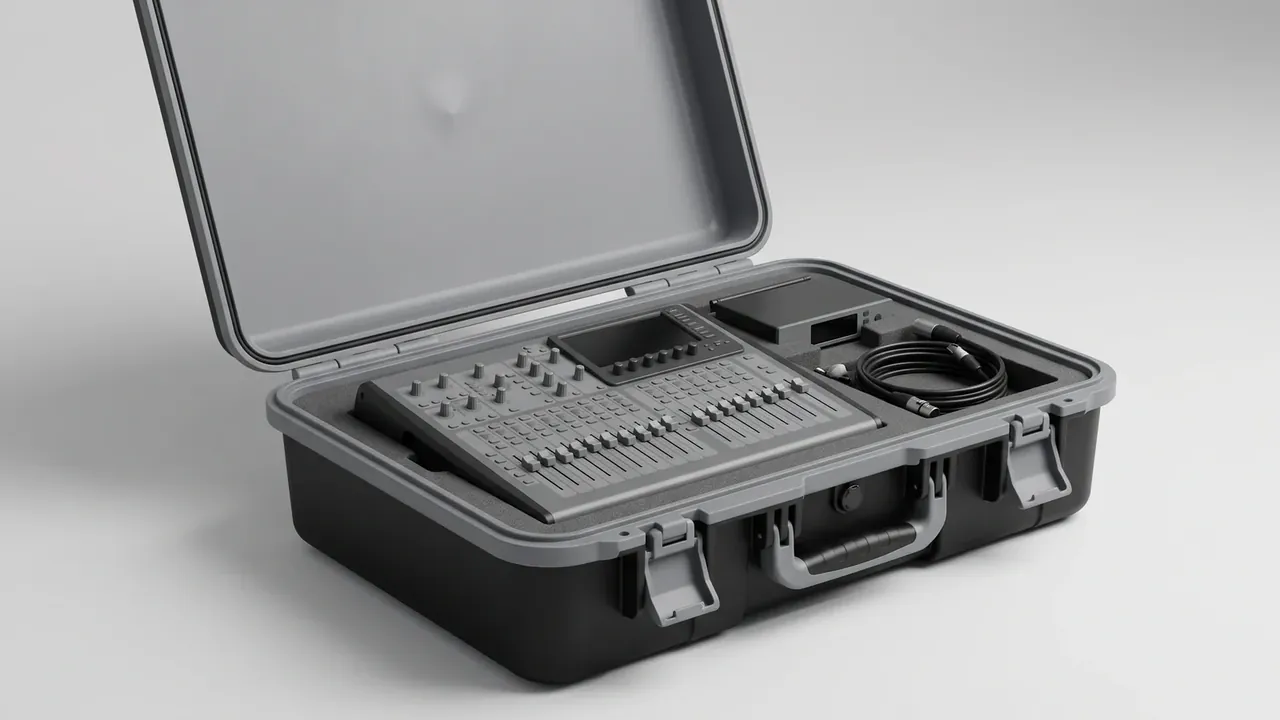
IP67 is the wrong target for a case opened a dozen times a day: the gasket sets permanently after 3,000 cycles a year, while IP54 with a 3 mm foam seal holds water better. Rate -10 to 55 C, drop at 1 metre on six faces, hardware at 96 hours of salt spray.
5. Identification Speed for Service Visits
A technician runs six to eight visits a day and opens the lid twelve times per visit, so picking a manual tool case from a row beats internal layout. Five colours map to five part families, a 40 x 20 mm label carries the number and calibration date, and picking falls under three seconds.
| Scenario | Items | Check |
|---|---|---|
| Kit servicing | 36 | 20 s |
| Bench repair | 29 | 15 s |
| Electrical duty | 24 | 25 s |
| Outdoor survey | 18 | 30 s |
| Doorstep service | 22 | 12 s |
Tiers and speed pull against each other: every tier doubles what is within reach and adds a lift, so doorstep service runs two while kit servicing runs three.
Conclusion
Across five scenarios, a manual tool case answers three questions: how far it travels with one person, whether the load needs tiers, what reveals a missing part. Distance sets weight and handle, tiering sets clear height, the checking method sets slot tolerance and colour, so a manual tool case ends up as equipment rather than a box.
This article discusses only the container (case body) side of specifications and design intent, and does not cover any handling, loading or use of the contents.
Related Reading
- How a tool case body and latches are built
- Compartment layouts across tool box scenarios
- Rolling tool cases for cross-site moves
- Tool rolls versus rigid cases for small parts
Related Products
- 8 Series — Gun Cases; Military Equipment Cases; Camera Equipment Cases; Drone Cases; Watch Cases; Knife Cases; First Aid Cases; Electronics Equipment Cases
- WL8-2812 PP Gun Case — model WL8-2812
- All protective cases and toolboxes: 7 series, 158 models