

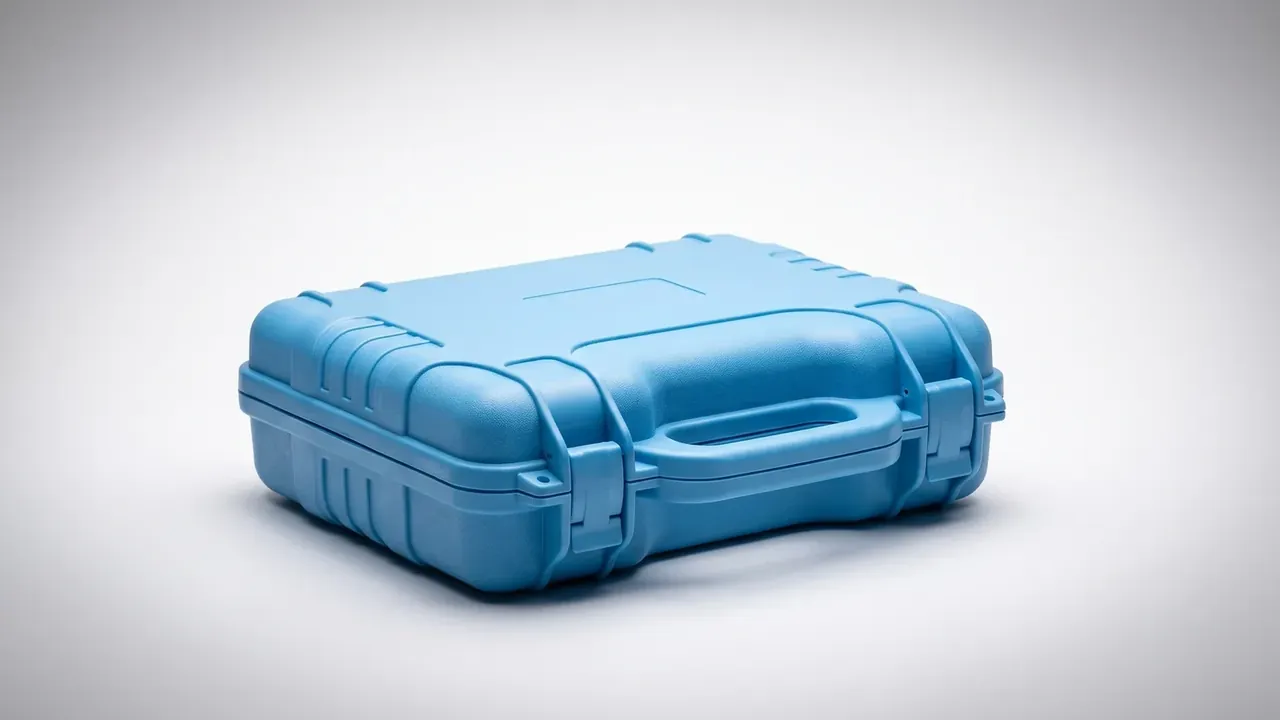
Quick answer: On inspection rounds and repair jobs a tool box organizer compresses two movements: lid open to hand on the item, and item back to its cell. Cells follow the route, numbers follow the checkpoints, gaps show what was consumed.
Table of contents
- Inspection: how many checkpoints one box must cover
- Laying cells along the route
- Repair sites: the lid opens into a bench
- Handover and counting: an empty cell is information
- Where the three box types must stay apart
- FAQ
1. Inspection: how many checkpoints one box must cover
An inspection round keeps a fixed rhythm: eight to twelve checkpoints, no return to the store. That rhythm sets the cell count: eight checkpoints need twelve to sixteen cells and twelve need twenty-four, inside a 360 by 260 mm interior and under fifteen kilograms loaded.
A tool box organizer here adds one constraint: it is carried for the whole round and opened one-handed. A lid resting on the wrist distorts every pick, so fit a detachable hinge or a strap holding it near 100 degrees.
| Checkpoints | Cells | Items per cell | Loaded weight |
|---|---|---|---|
| Up to 6 | 8–12 | 3–6 | under 8 kg |
| 8 | 12–16 | 2–4 | 10–12 kg |
| 12 | 20–24 | 1–2 | 13–15 kg |
2. Laying cells along the route
Cell order follows the walking direction: an east-to-west route runs left to right, a climb from floor one to floor three runs bottom to top. Reversed order costs time.
Shared consumables get their own cell. If every checkpoint cell also holds screws, ties and labels, the cells run out at once.
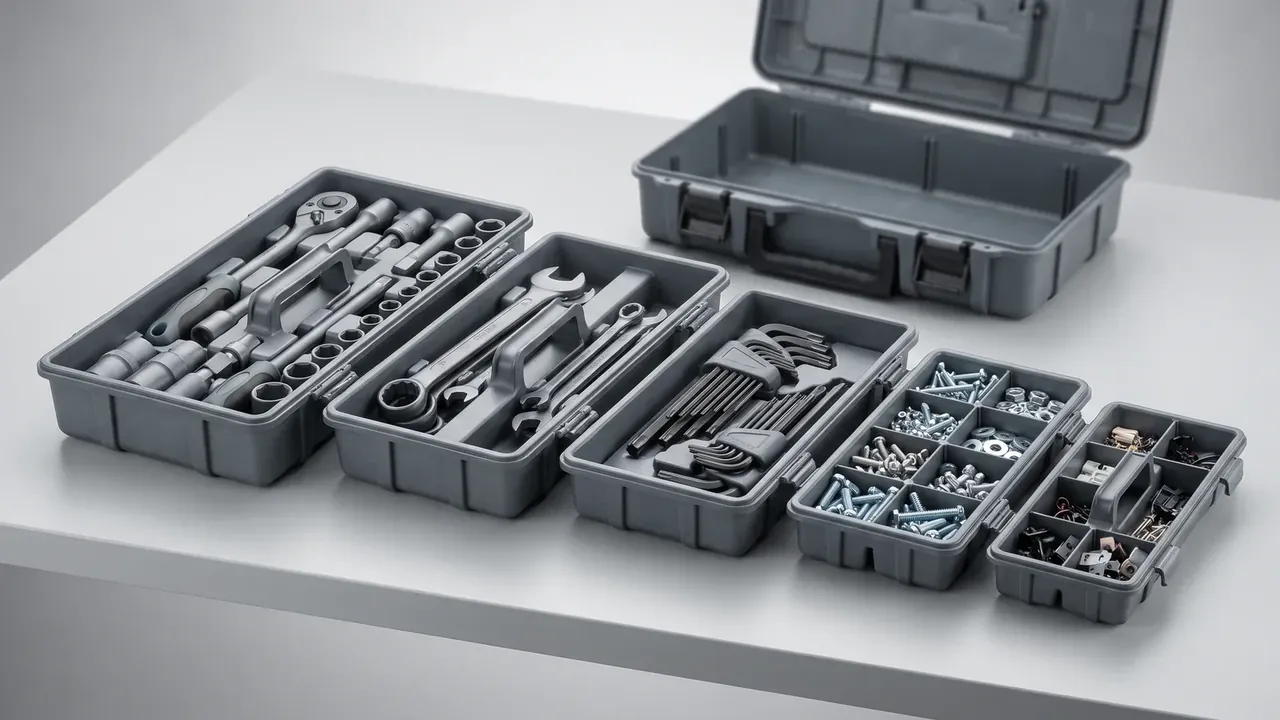
Left cells carry the early checkpoints, the centre cell shared items, the right cells the later ones, the lid pocket the log sheet.
3. Repair sites: the lid opens into a bench
A repair site rarely has a bench, and the closed case earns its second value: a flat lid face, reinforced corners and centre load make a surface for a torch and a parts tray. A case 120 to 160 mm deep works best.
With the lid open, its inner face displays the procedure card, torque table or wiring diagram. Adhesive fails in cold, magnets need steel, so a sleeve suits plastic.
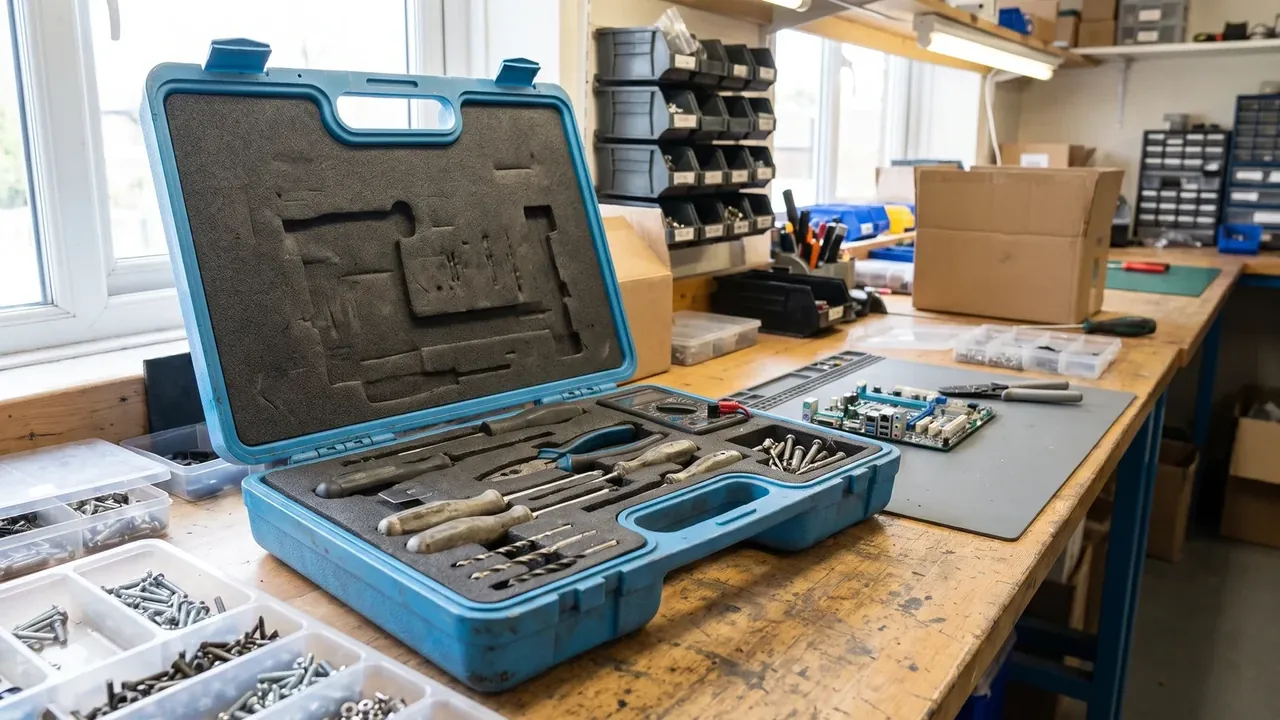
Removed parts need somewhere to sit: lid recesses, empty edge cells, shallow depressions. They get a fixed place, never the nearest free cell.
4. Handover and counting: an empty cell is information
Counting is the slowest part of a shift handover. A tool box organizer offers a reading method: count empty cells, not items. A full cell consumed nothing; an empty one means use or loss. Sixteen cells take thirty seconds.
The method needs one item type per cell and a fixed quantity: three identical items can be half gone and still look normal. A handover record shrinks to a cell map: black out empty squares, photograph it. The most-blackened cell is the fastest mover.
5. Where the three box types must stay apart
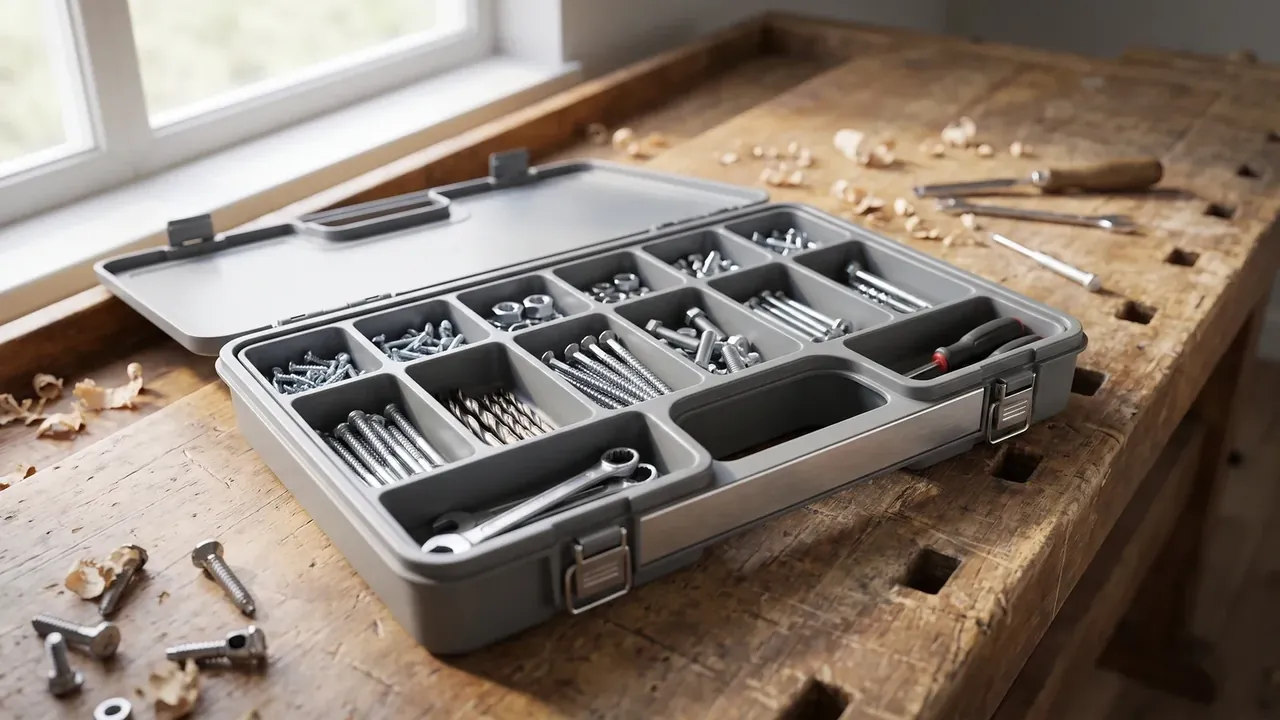
The commonest mistake is merging the inspection, repair and spares boxes. The merged box must serve three layouts at once: route, process and specification order. They do not reconcile, so the coarsest wins.
| Box type | Layout logic | Load limit | Keep out |
|---|---|---|---|
| Inspection | Checkpoint order | 15 kg | bulky spares, backup sets |
| Repair | Process order | 12 kg | long-term consumables |
| Spares | Specification and batch | 20 kg | tools in daily use |
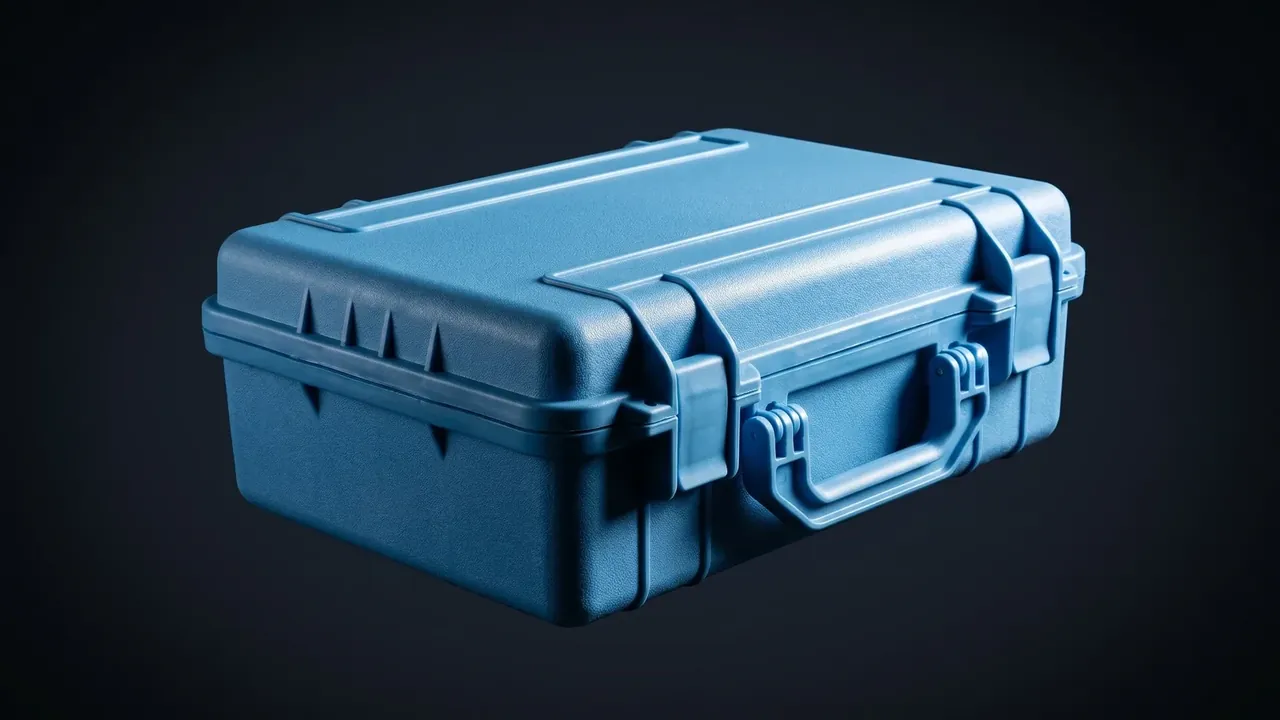
Separated, the specifications separate too: light and one-handed, deep enough as a bench, stackable and lockable. One system asked to do all three does none well.
Rain and dust add drainage: a 1 to 2 degree fall and a 3 mm low-point hole.
Conclusion
The use of a tool box organizer here comes down to three things: cell order follows the route, numbers follow the checkpoints, empty cells follow consumption. Do all three and counting turns into reading gaps, retrieval into reaching; skip them and an expensive box is only a box with a handle.
This article covers container-side specifications and design implications only, not the handling, loading or use of the contents.
Related Reading
- Configuring field inspection equipment cases
- Choosing a maintenance toolbox
- Toolboxes for industrial maintenance
- Auto Repair Toolboxes & NEV Diagnostic Cases: Vehicle Main…
Related Products
- 8 Series — Gun Cases; Military Equipment Cases; Camera Equipment Cases; Drone Cases; Watch Cases; Knife Cases; First Aid Cases; Electronics Equipment Cases
- WL8-2812 PP Gun Case — model WL8-2812
- All protective cases and toolboxes: 7 series, 158 models