

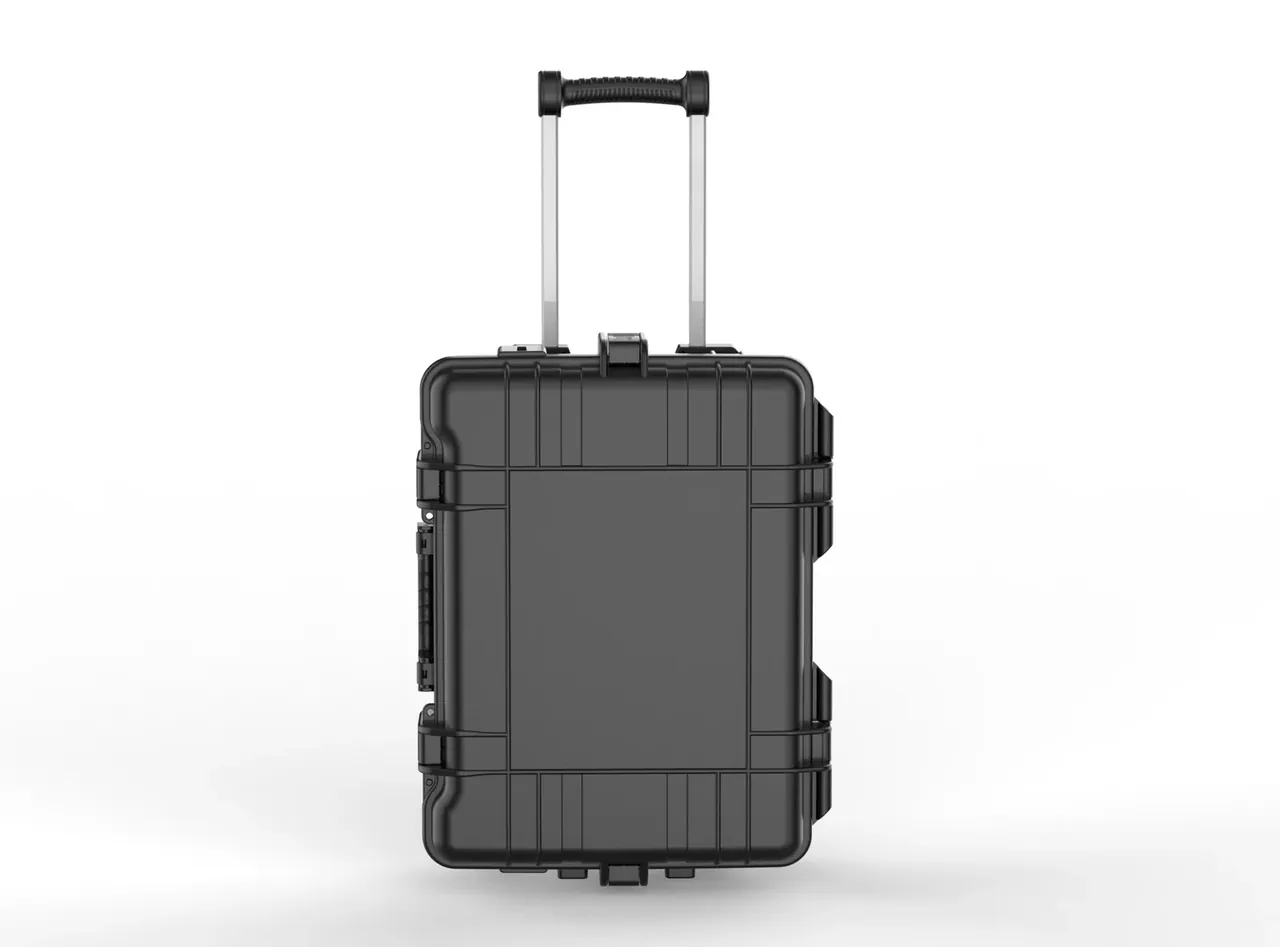
Quick answer: A vehicle tool case serves three uses: roadside repair, where lid cycles and tool location matter; inspection, where carrying and one-handed opening matter; and long haul, where sealing and stacking matter.
Table of contents
- Three ways a vehicle tool case is used
- Roadside repair: lid cycles and tool location
- Inspection: short stops, one hand, wet gloves
- Long haul: stacking, pressure and seals
- Configuration differences and switching costs
- FAQ
1. Three ways a vehicle tool case is used
A vehicle tool case is not one product in use. The same shell is a bench for a repair crew, a hand case opened once per stop for an inspector, and a sealed box untouched until the end of a long run.
Lid cycles test hinges and latches, short carries test handle position and dead weight, long storage tests the seal and its relief. None of it is fixed by volume, which is why one crew praises a size another rejects.
Most teams keep a permanent case and a travelling case; one specification for both leaves the travelling unit heavy and the permanent one slow.
| Use | Lid cycles | Design emphasis |
|---|---|---|
| Roadside repair | Dozens a day | Hinge damping, large latches |
| Inspection | Once per stop | Centred handle, one-hand opening |
| Long haul | Once or twice | Seal, relief valve, stacking ribs |
2. Roadside repair: lid cycles and tool location
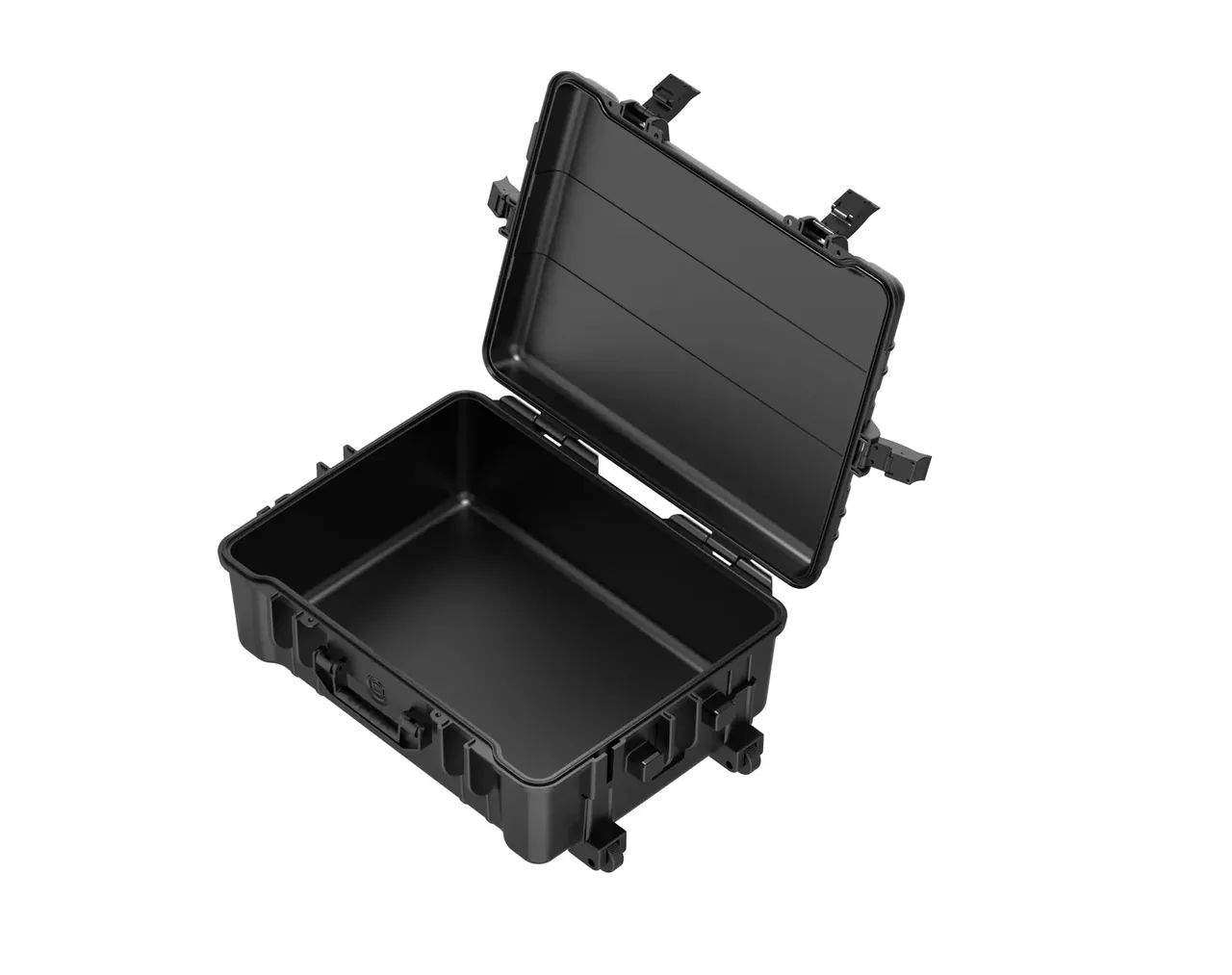
The core action in roadside repair is reaching in, not carrying. A job opens the lid five to ten times, one tool out and one back, with the case on the ground and the user crouching. Speed depends on whether the lid stays where it is put.
A lid that holds at about a hundred degrees relies on hinge damping or its own weight; a loose lid drops in the wind and catches fingers. Two large latches beat four small ones and work in gloves.
Layout decides the second reach. Cut foam gives every tool one place, so a missing item shows at a glance.
3. Inspection: short stops, one hand, wet gloves
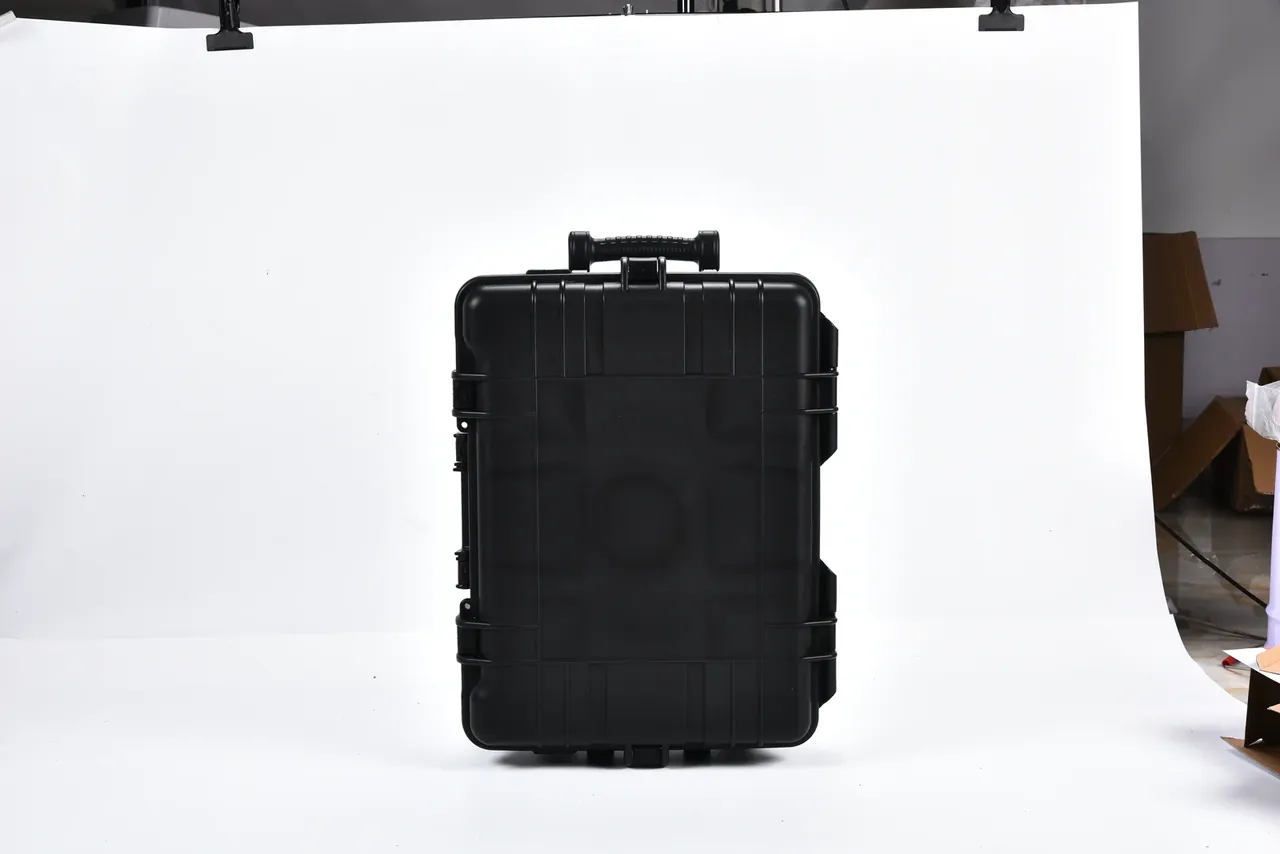
Inspection is stop-start work: a point, one opening, one instrument out, a note, the lid closed, then on. The case is carried hundreds of metres with steps in between.
The handle has to sit over the centre of gravity, or the case swings and loads the wrist. Distance belongs to the telescoping handle and wheels, which fail on gravel, grass and steps.
Wet gloves are the hidden requirement: latches must open under the heel of the hand. After a dozen openings the seal still has to sit flat, or dust travels in.
4. Long haul: stacking, pressure and seals
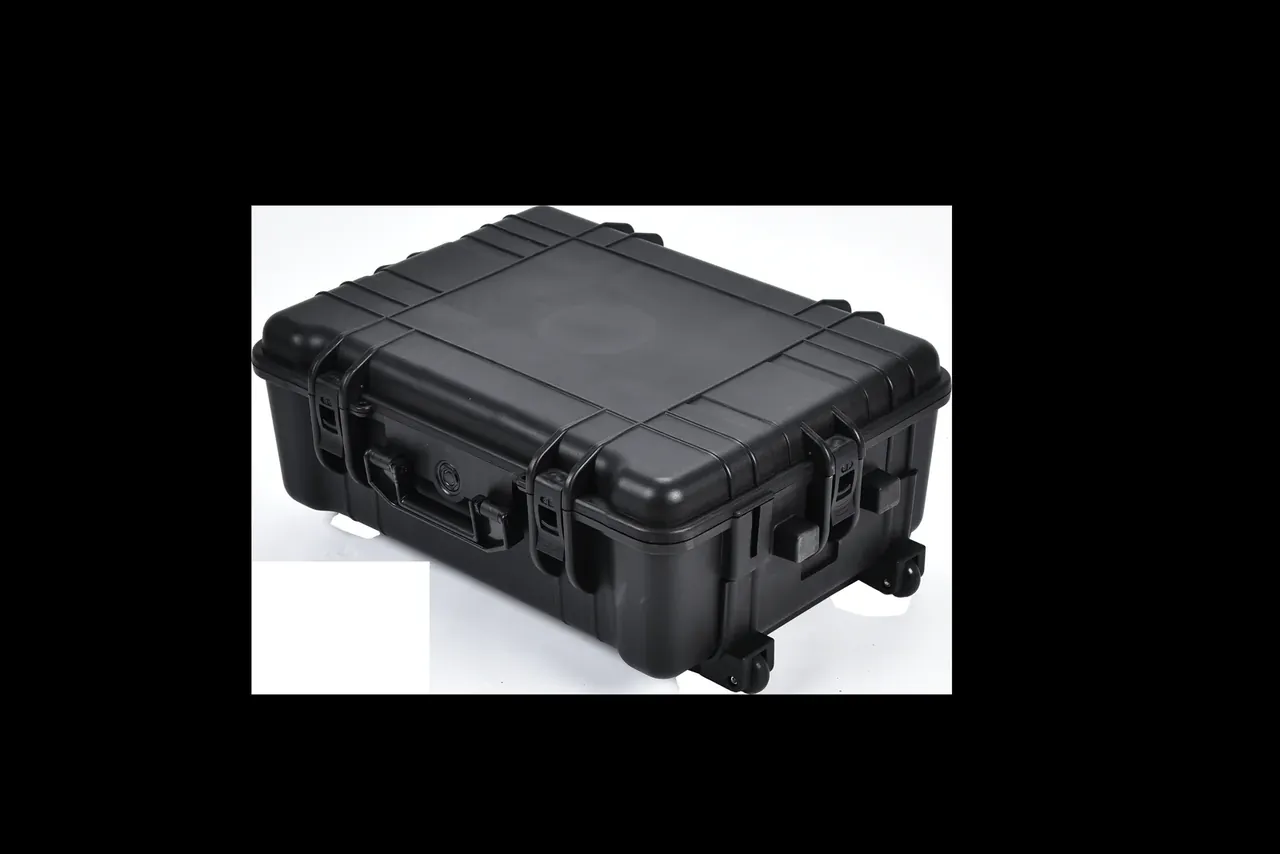
Long haul means the lid stays shut. Inside a trunk the case sees a temperature cycle, above fifty by day and below ten at night, so the air inside expands and contracts. The tighter the seal, the harder the lid opens, and forcing it rolls the seal lip over.
The answer is a relief valve, opened half a turn before the latches; without one, people pry and the seal distorts within a quarter or two.
Stacking is the second issue: the upper weight passes through the lid face into the lower lid edge, the thinnest part of the shell. Choose a ribbed lid with corner registers, put the heavy case at the bottom, and let the feet drop into recesses.
5. Configuration differences and switching costs
Differences sit in the lining and accessories more than in the shell. Repair wants cut foam, inspection wants low weight, long haul wants a seal; moving a shell between uses usually means changing the lining.
Switching costs come from what cannot change later: strap holes, handle position and a relief valve are fixed in the mould, while foam and straps are added at will. Specify the shell for the dominant use.
The commonest error runs the other way: buying the heaviest specification for an occasional long run, then carrying two extra kilograms daily.
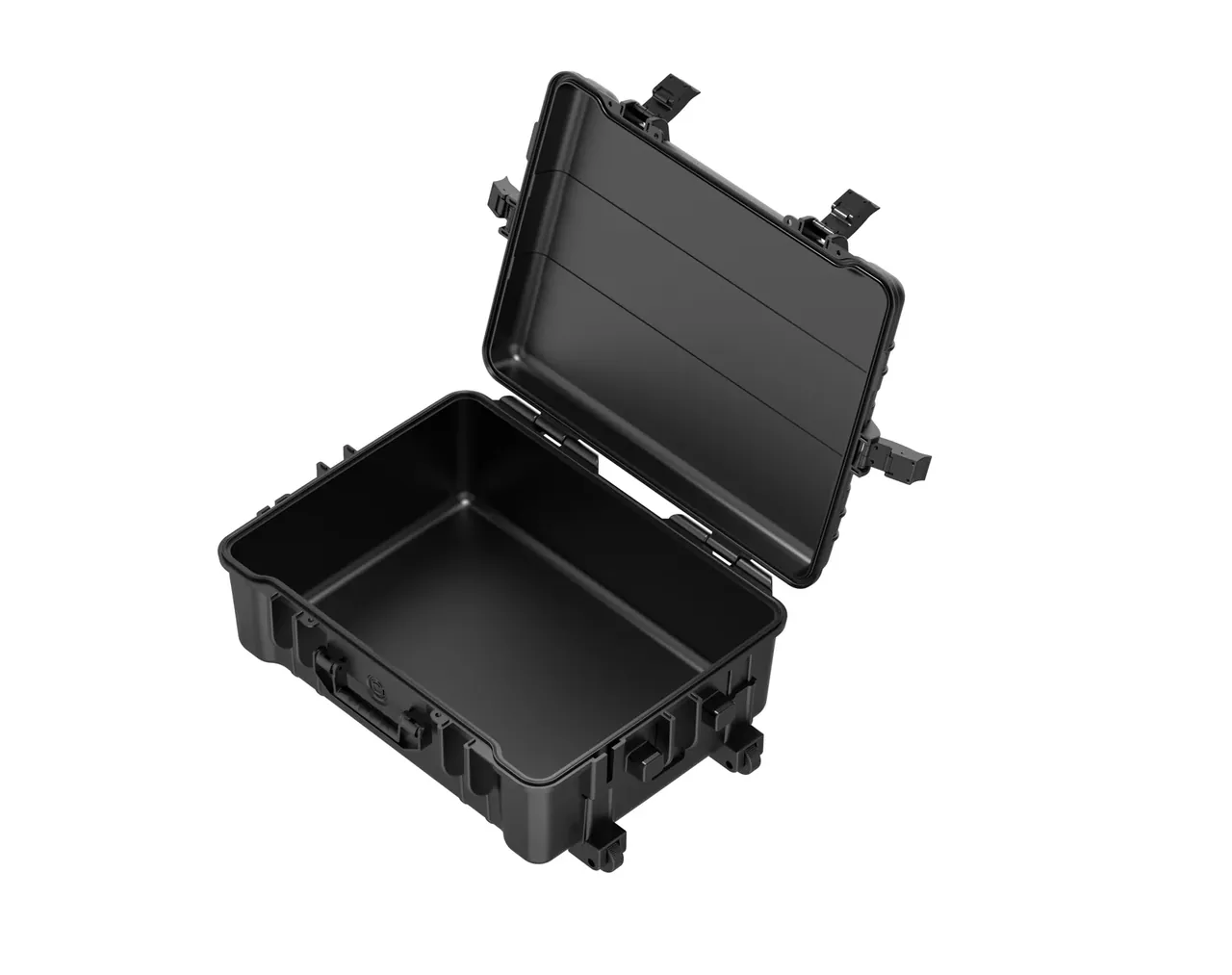
Conclusion
Use decides structure: a vehicle tool case is judged on lid cycles in repair, on carrying in inspection, on sealing in long haul.
This article covers container-side specifications and design implications only, not the handling, loading or use of the contents.
Related Reading
- Mounting and sizing a vehicle tool case
- Configuring an emergency supply case on site
- Hand Tools Case: Liner Design and Access Efficiency
- Reading the protection rating of an instrument case
Related Products
- 8 Series — Gun Cases; Military Equipment Cases; Camera Equipment Cases; Drone Cases; Watch Cases; Knife Cases; First Aid Cases; Electronics Equipment Cases
- WL8-2812 PP Gun Case — model WL8-2812
- All protective cases and toolboxes: 7 series, 158 models