

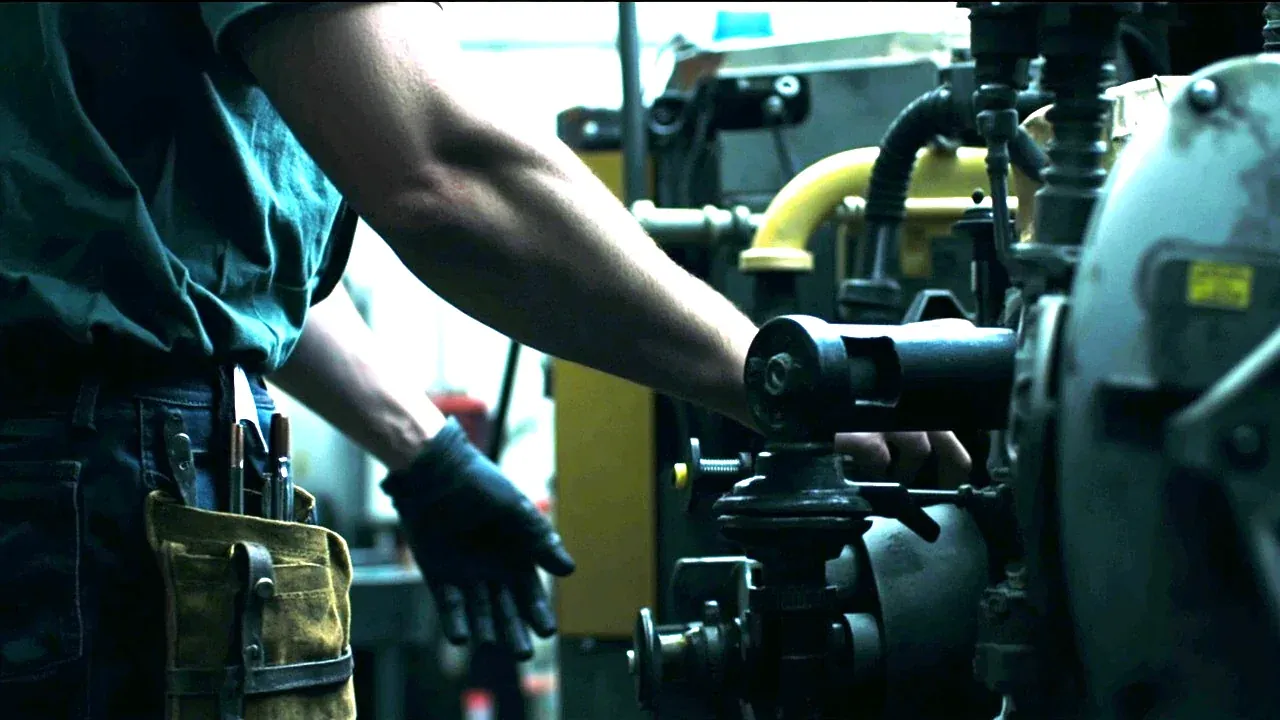
Quick answer: One mechanic's tool pouch is loaded three different ways: by machine in repair work, by takt on an assembly line, and by worst case on a call-out. The difference is not the pouch but what goes in and in what order. One loading for all three ends with the critical tool never at hand.
Table of contents
- How the loading differs across three settings
- Repair: one set per machine and the refill rhythm
- Assembly line: cut to the takt
- Call-outs: load for the worst case, reach in order
- Maintenance actions shared by all three
- FAQ
1. How the loading differs across three settings
Repair work keeps the machine still and the person moving around it, so the pouch carries everything one machine may need. An assembly line fixes the takt and repeats the motion, so the pouch holds only that station's few tools. A call-out cannot know what it will meet, so the pouch is loaded for the worst case and weight comes second.
Weights differ accordingly: four to six kilograms in repair, two to three on a line, six to eight or more on call-outs. So does the pouch — a narrow single pouch on the line, a padded double in repair, a belt-and-harness mix for call-outs.
| Setting | Weight | Loading rule | Pouch type |
|---|---|---|---|
| Repair bay | 4 to 6 kg | one set per machine | padded double |
| Assembly line | 2 to 3 kg | station essentials only | narrow single |
| Call-out | 6 to 8 kg | worst case | belt plus harness |
2. Repair: one set per machine and the refill rhythm
In repair work the pouch is a light version of a mobile cabinet, loaded by machine model: one model, one loading, swapped whole when the machine changes. The gain is muscle memory — the outer pocket always holds the same tool.
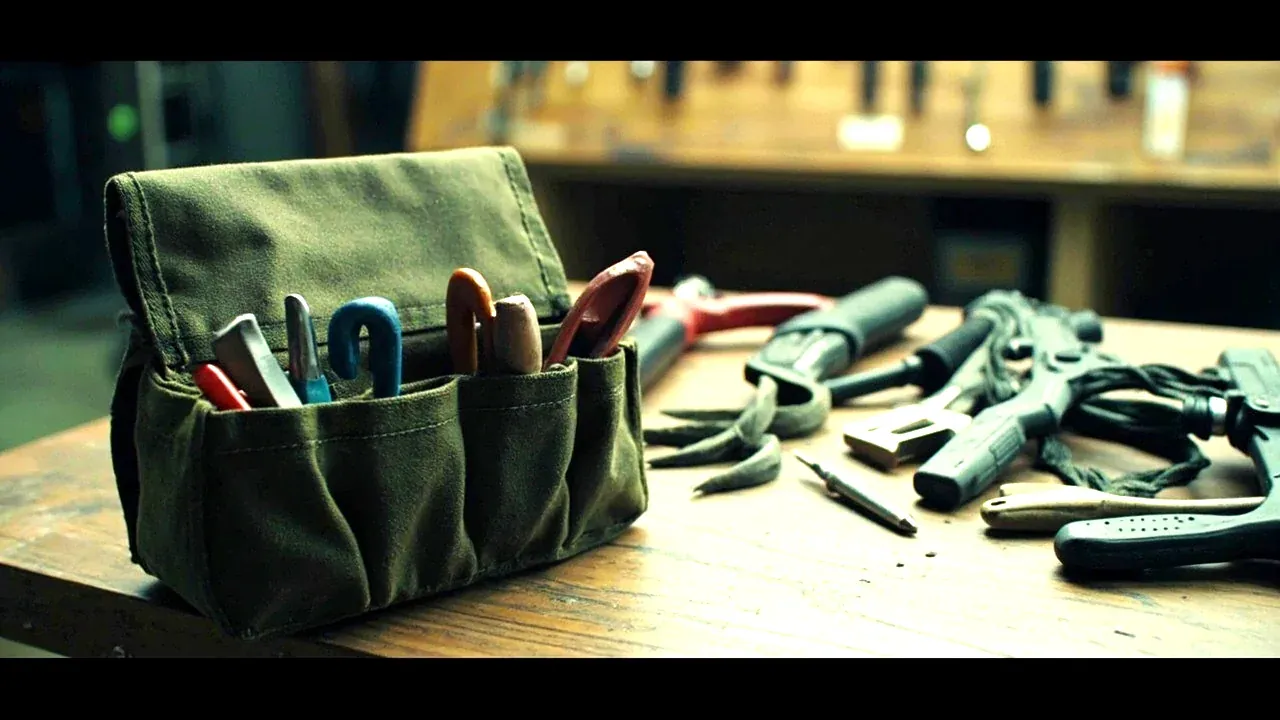
Refill by shift: top up at the end and check for extras. An extra tool means another machine is short, which is the earliest signal of loss. The pouch doubles as the counting unit, something loose tools cannot do.
3. Assembly line: cut to the takt
On a line the pouch is cut to the takt. Sixty seconds and three tools means no fourth tool in the bag: extra pieces add weight and one extra grope per cycle, four hundred wasted reaches a day.
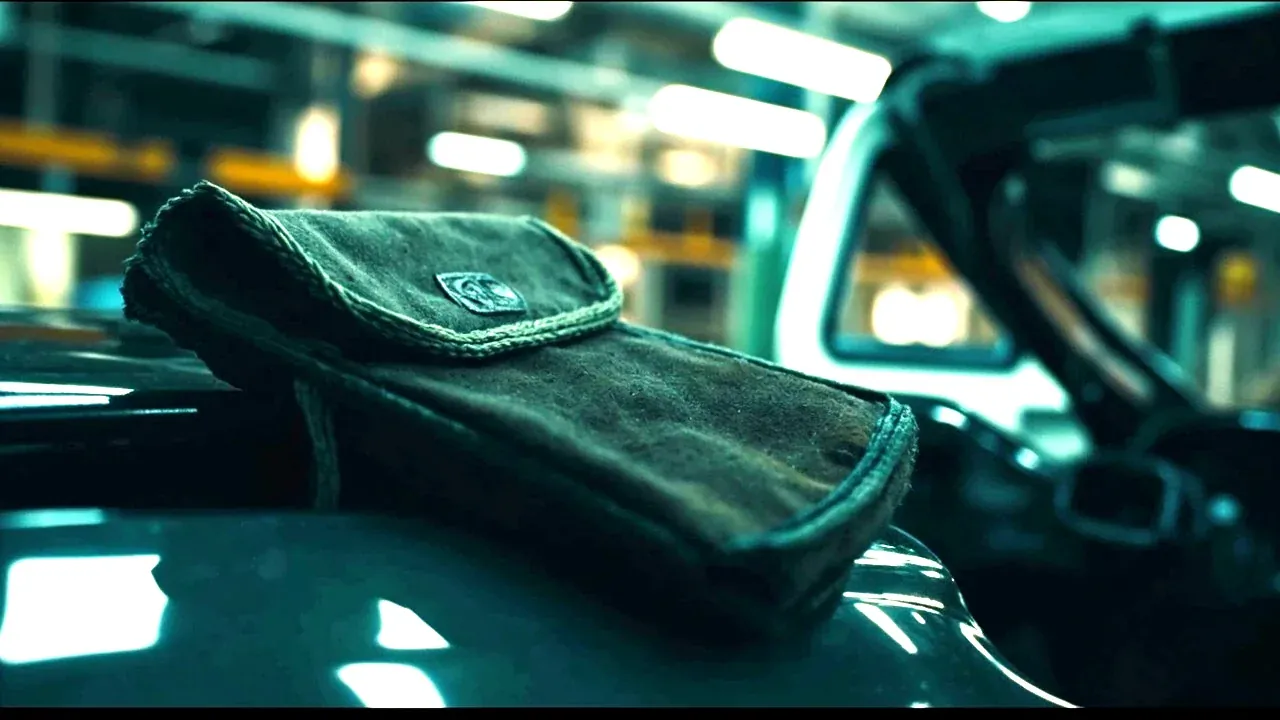
The second rule is never set it down. Everything must be reachable while worn, so outer pockets open upward and stay shallower than a finger. Deep pockets look safe but force a dig, and under takt pressure tools get laid on the machine and lost.
4. Call-outs: load for the worst case, reach in order
A call-out pouch carries probability, not a list. Three layers work: outer for universal items (adjustable wrench, multi-bit driver, ties, tape), inner for machine-specific fittings and fuses, base for diagnostics (meter, thermal probe). The outer pocket is reached first, so universal items live there.
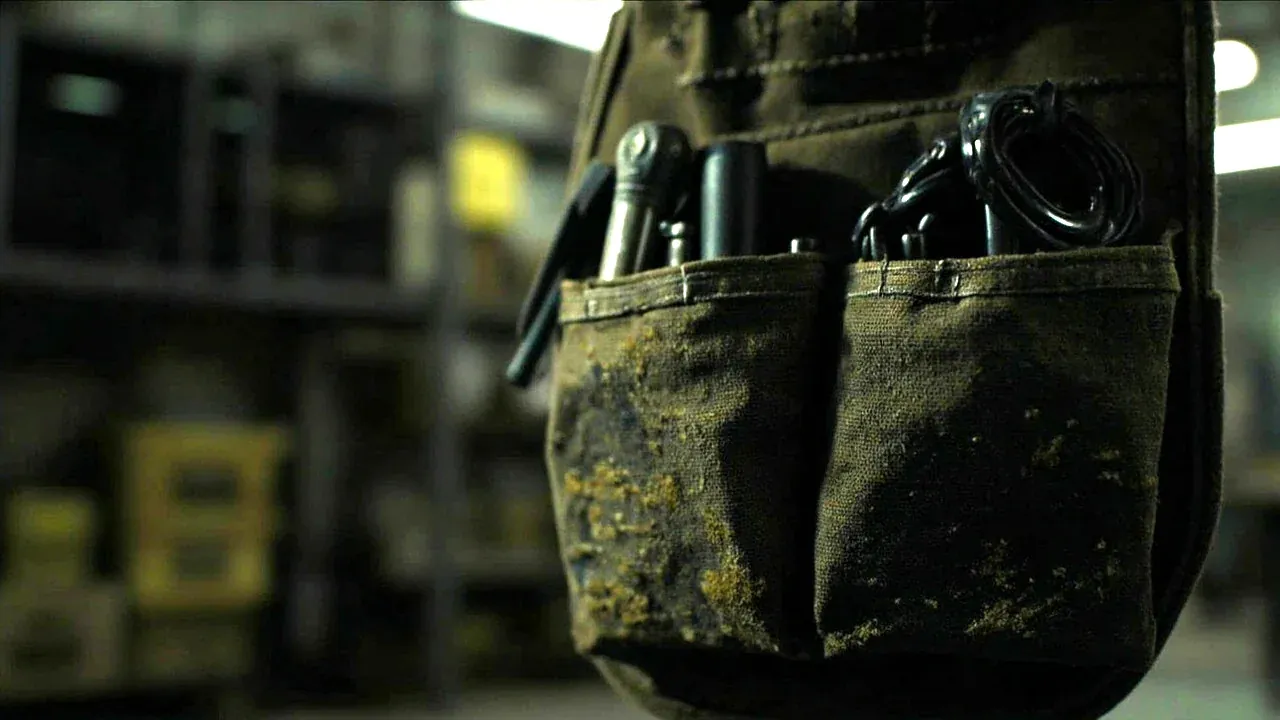
Call-outs are also one-handed. The other hand holds a ladder, a torch or a propped panel, so the pouch must open one-handed — no two-hand side-release buckle. This never shows in a catalogue and always shows on the first climb.
5. Maintenance actions shared by all three
Whatever the setting, three things happen nightly: empty it, wipe it, check the stitching. Emptying finds extras and shortages, wiping keeps oil out of the thread, and stitching always fails at stress points first. Under five minutes, and it doubles service life.
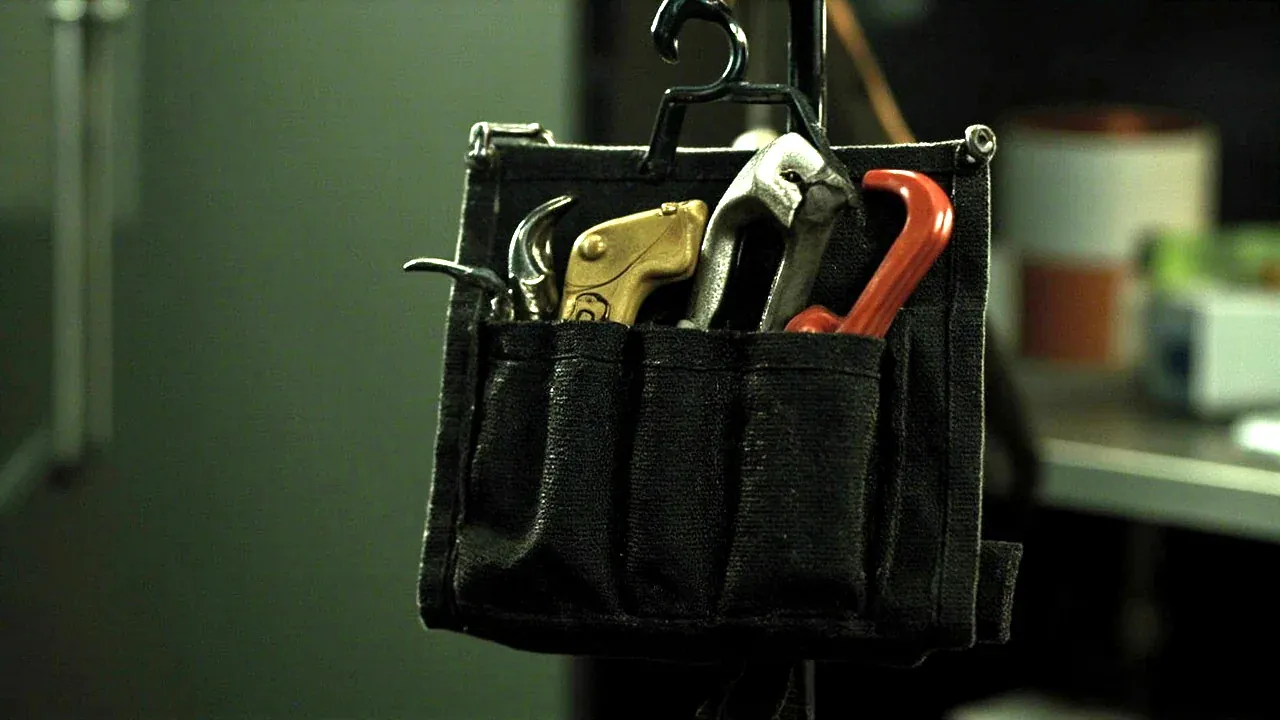
One more: never leave it hanging for months. A permanent crease forms in the belt, strength drops at the fold, and that is where it breaks. Move the hook weekly or store it flat.
Conclusion
The difference across the three settings is one sentence: repair loads a machine's full set, the line loads one takt, a call-out loads the worst case. Loading decides pouch type, weight and maintenance rhythm — buy the pouch first and you end up with a bulge and the critical tool missing.
This article covers container-side specifications and design implications only, not the handling, loading or use of the contents.
Related Reading
- Choosing a mechanic's tool pouch
- Satchels for inspection and height work
- Tool bag versus hard case
- Tool box foam lining selection
Related Products
- 8 Series — Gun Cases; Military Equipment Cases; Camera Equipment Cases; Drone Cases; Watch Cases; Knife Cases; First Aid Cases; Electronics Equipment Cases
- WL8-2812 PP Gun Case — model WL8-2812
- All protective cases and toolboxes: 7 series, 158 models