

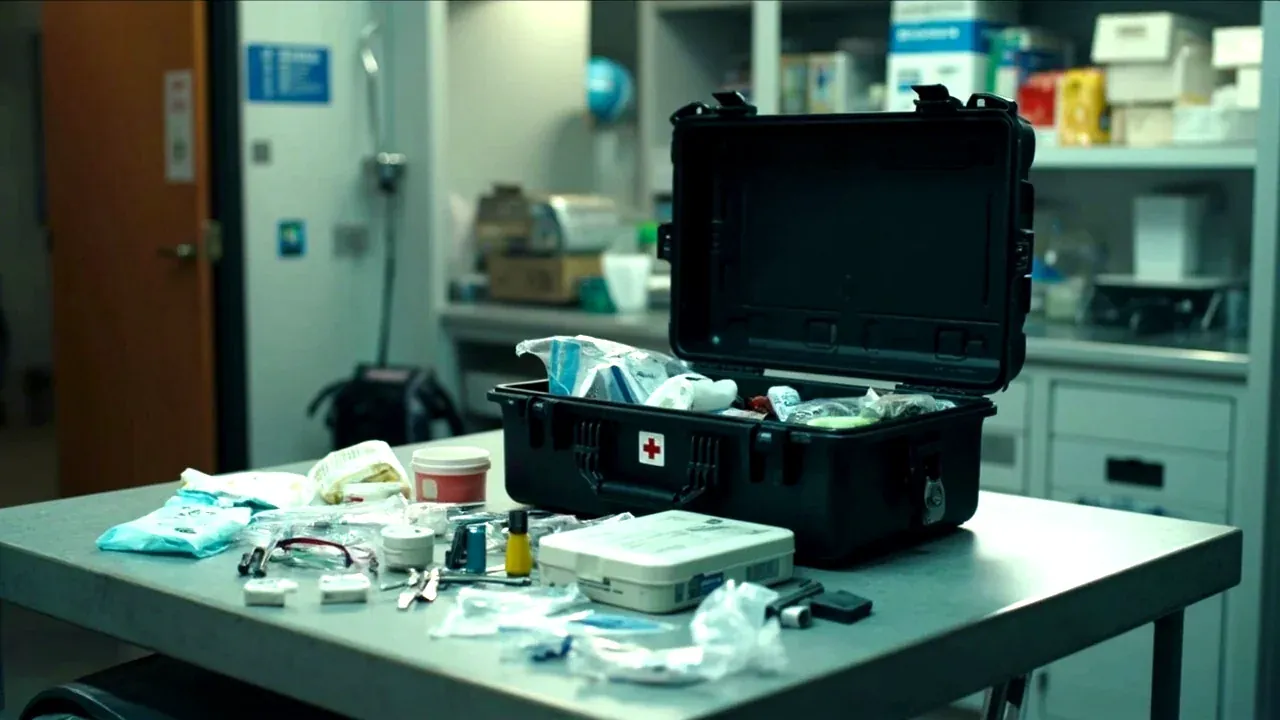
Quick answer: The same medical case needs different configuration at an aid post, in the field and in a vehicle: fixed and fast at the post, portable and moisture-proof in the field, anchored and shock-resistant in a vehicle. Consumables can be shared; the case cannot, because fixing and protection differ too much.
Table of contents
- How configuration differs across three settings
- Aid post: fixed position, fast access
- Field work: weight against moisture
- Vehicle: the fixing matters more than the case
- Resupply and checks shared by all three
- FAQ
1. How configuration differs across three settings
Start from whether the case moves. At an aid post it stays on a wall or trolley with zero travel; in the field it travels with a person and must stay under fifteen kilograms; in a vehicle it rides out vibration, where anchoring matters more than internals.
So the priorities differ: access order at the post, weight and moisture in the field, fixing and shock in the vehicle. One selection table cannot serve all three.
| Setting | Primary constraint | Case focus | Fixing |
|---|---|---|---|
| Aid post | access order | layered trays, open and reach | wall or trolley |
| Field | weight and moisture | under 15 kg, well sealed | carried or slung |
| Vehicle | shock and anchoring | thick walls, corner buffers | straps and cradle |
2. Aid post: fixed position, fast access
The first requirement is that nobody has to look for it: fixed position, fixed orientation, fixed opening, so muscle memory works under stress. A wall bracket at a standard height, case bottom about 1.2 metres up, needs no bending.
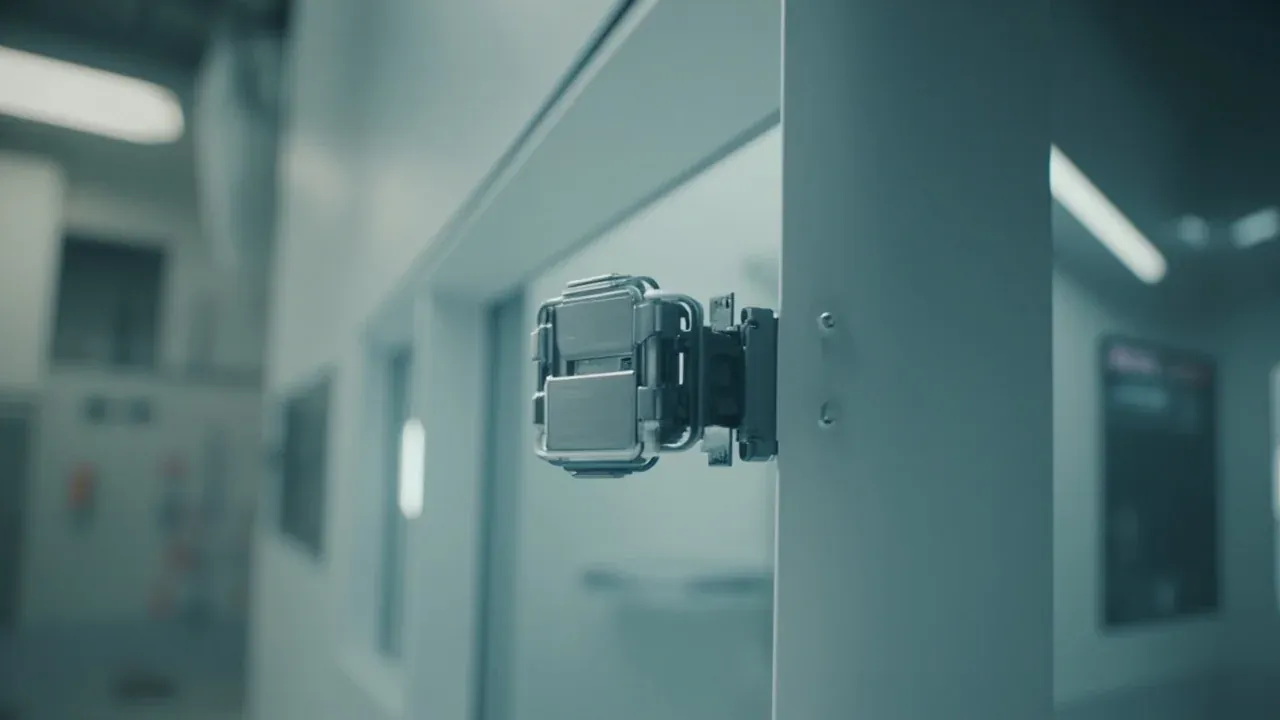
The second is that the open lid takes no space. Aid post counters are narrow, and a lid that falls back eats half of one. Choose a stay or cord that holds it at ninety degrees.
3. Field work: weight against moisture
Field cases balance weight against sealing: a well-sealed hard shell is heavy, a light soft bag leaks. The compromise is a thin-wall rotomoulded shell for sealing and crush resistance, with soft internal pouches to cut weight, keeping the total under fifteen kilograms.
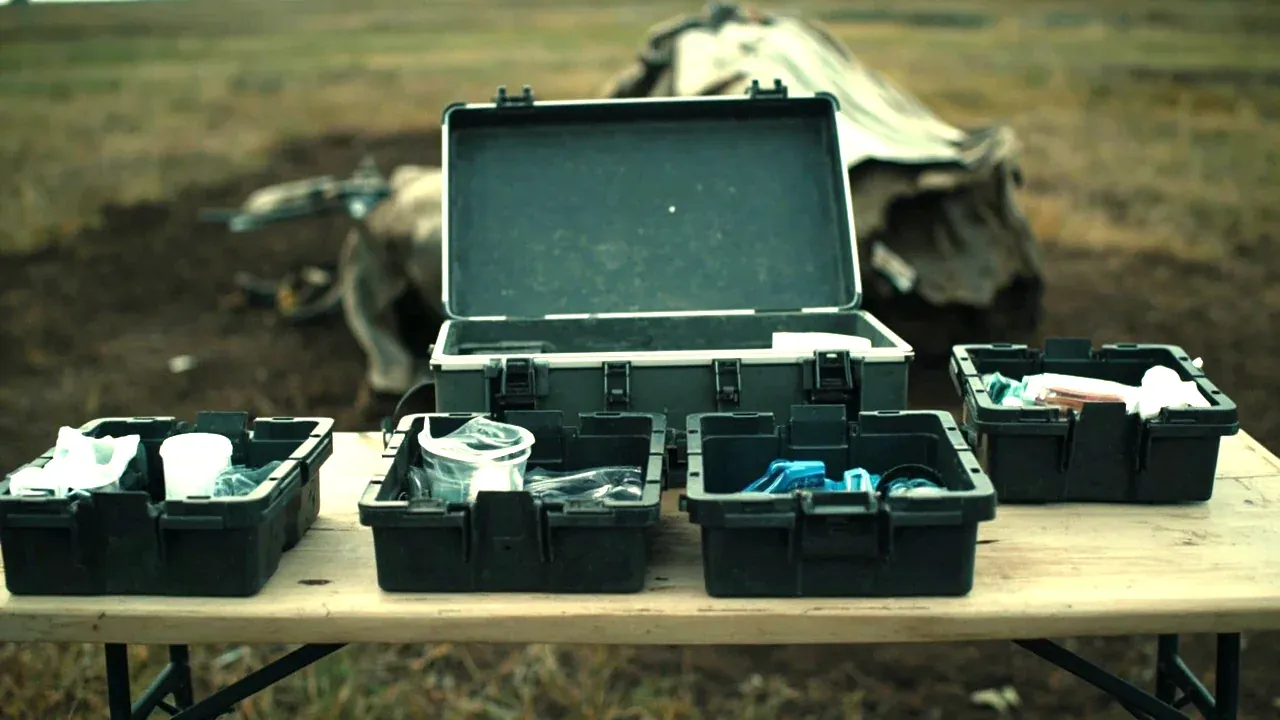
Ground matters too. On wet or stony ground a flat base wicks water or scratches; feet or a moisture mat solve it. Neither appears on a purchase list, both appear daily.
4. Vehicle: the fixing matters more than the case
The risk in a vehicle is not impact but the case flying. Under braking a ten-kilogram case pushes forward at several times its weight, injuring people or breaking equipment. Fixing comes first: straps and a cradle, or a built-in locker.
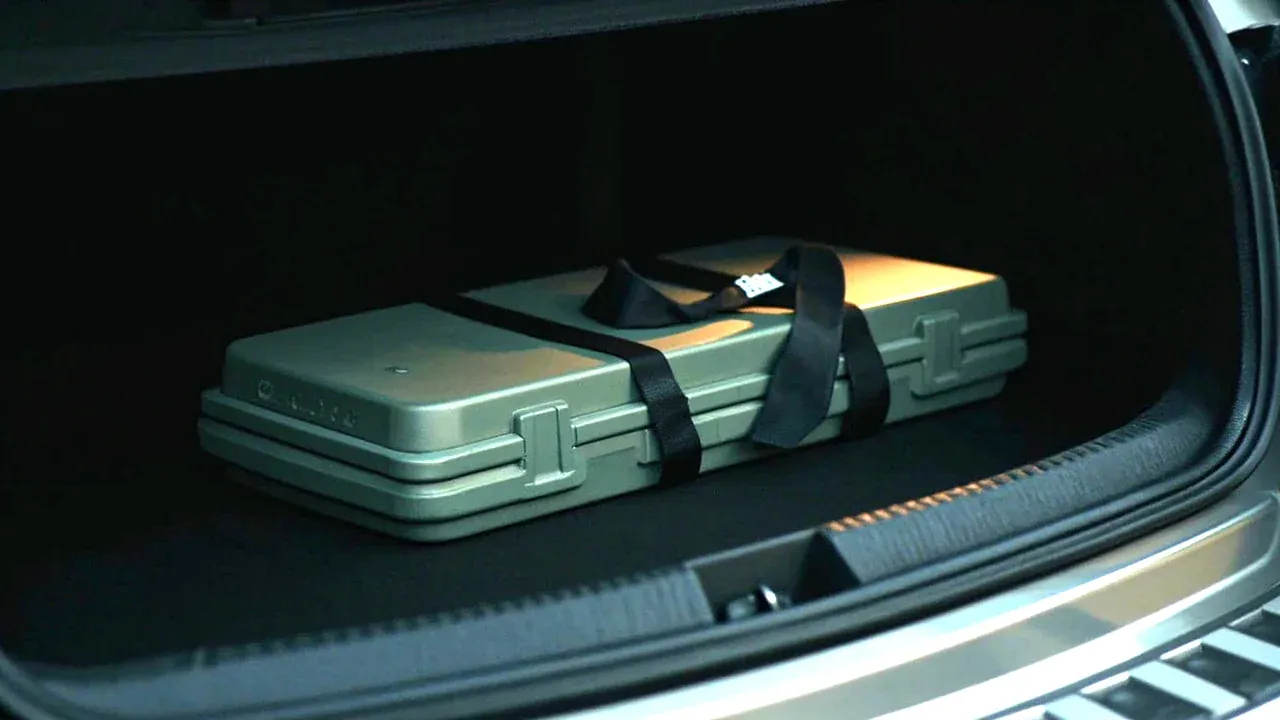
Second, vibration: continuous motion shifts contents and rubs dressings against bottles, so a soft foam layer compresses the load. Protection rating comes third — most vehicle use needs reliable anchoring rather than the highest rating.
5. Resupply and checks shared by all three
One resupply rule serves all three: refill against a list, verify by the seal, and check on a cycle. The list says what to restock, the seal proves it was not opened, and the cycle decides when a full count is due.
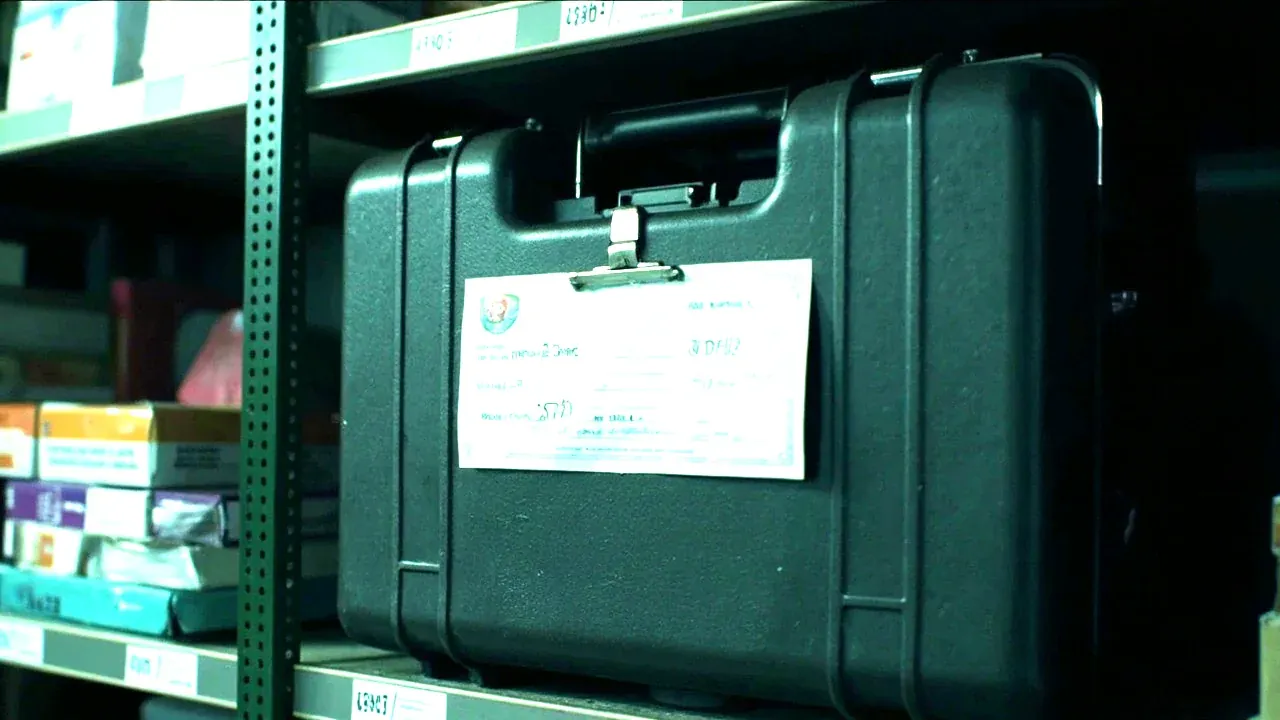
Only the interval differs: weekly at a busy post, before and after each task in the field, monthly in a vehicle alongside servicing. The record format should stay the same so rotating staff learn one system.
Conclusion
Three sentences cover the three settings: a post solves not having to look, the field solves carrying, a vehicle solves flying. Each implies its own fixing and protection level, and mixing them drops the critical constraint. Consumables and records can be unified; the case cannot.
This article covers container-side specifications and design implications only, not the handling, loading or use of the contents.
Related Reading
- What a medical case is
- Sealing and pressure equalisation
- Tool box foam lining selection
- Case repair and spare parts
Related Products
- 8 Series — Gun Cases; Military Equipment Cases; Camera Equipment Cases; Drone Cases; Watch Cases; Knife Cases; First Aid Cases; Electronics Equipment Cases
- WL8-2812 PP Gun Case — model WL8-2812
- All protective cases and toolboxes: 7 series, 158 models