

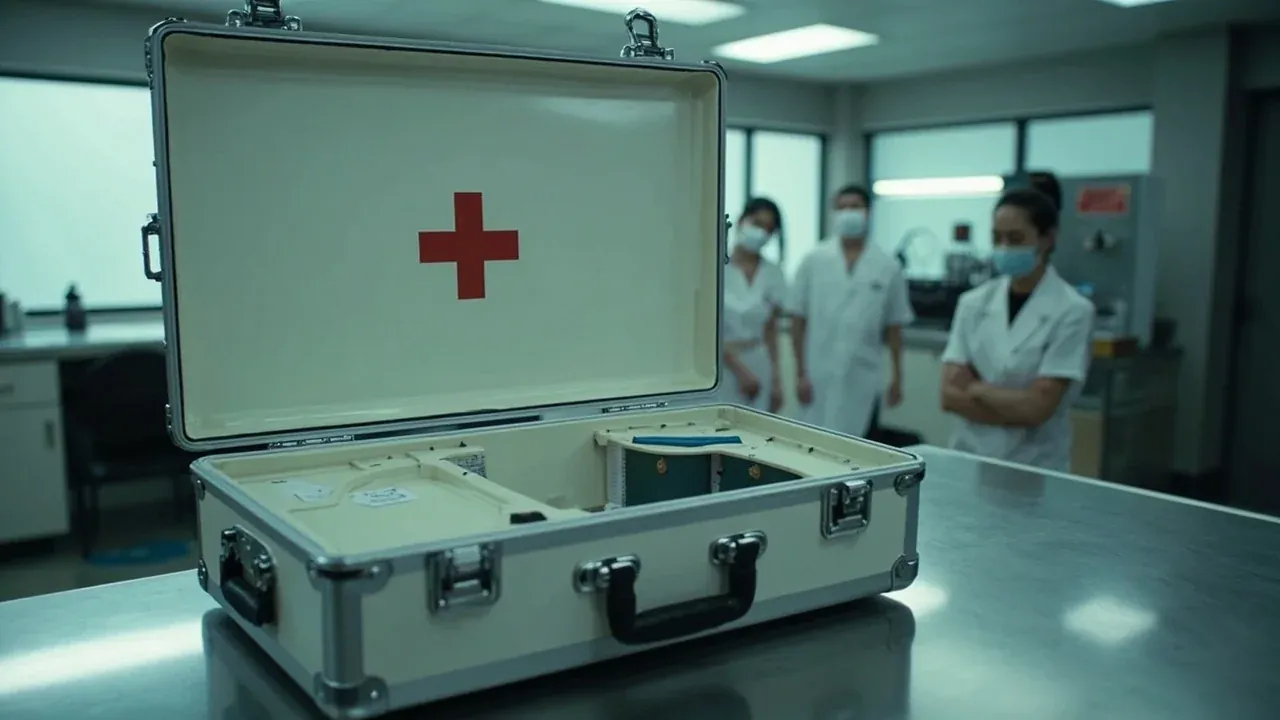
Quick answer: A medical case is not a box of supplies but storage organised by procedure: triage and bleeding control on top, dressing and splinting in the middle, resupply and instruments below. Judge it not by capacity but by whether the first item comes out within ten seconds.
Table of contents
- What a medical case is: layered by procedure
- Sealing: more important than impact strength
- Cleanability: no traps, no sharp edges
- Trays and dividers: keeping bottles upright
- Labelling and the resupply loop
- FAQ
1. What a medical case is: layered by procedure
A medical case inverts the logic of a tool box. Tools are grouped by type; supplies are layered by procedure — triage and tourniquet first, dressings and bandages next, instruments and resupply at the bottom. The order comes from the response sequence, not from a stock list.
Get the order wrong and speed suffers directly: bandages at the bottom mean lifting two layers, and in a real response those seconds matter. Partition by procedure, not by purchase list.
| Layer | Contents | Access requirement |
|---|---|---|
| Top | triage and bleeding control | out on opening, one hand |
| Middle | dressings and bandages | visible without searching |
| Lower | instruments and splints | tray lifts out whole |
| Base | resupply and consumables | can wait |
2. Sealing: more important than impact strength
Supplies are humidity-sensitive: dressings lose sterility, tape loses tack, powders cake. Sealing is therefore a pass mark, not a bonus. Check two things: a continuous gasket with no joint, and latches that compress the whole perimeter evenly.
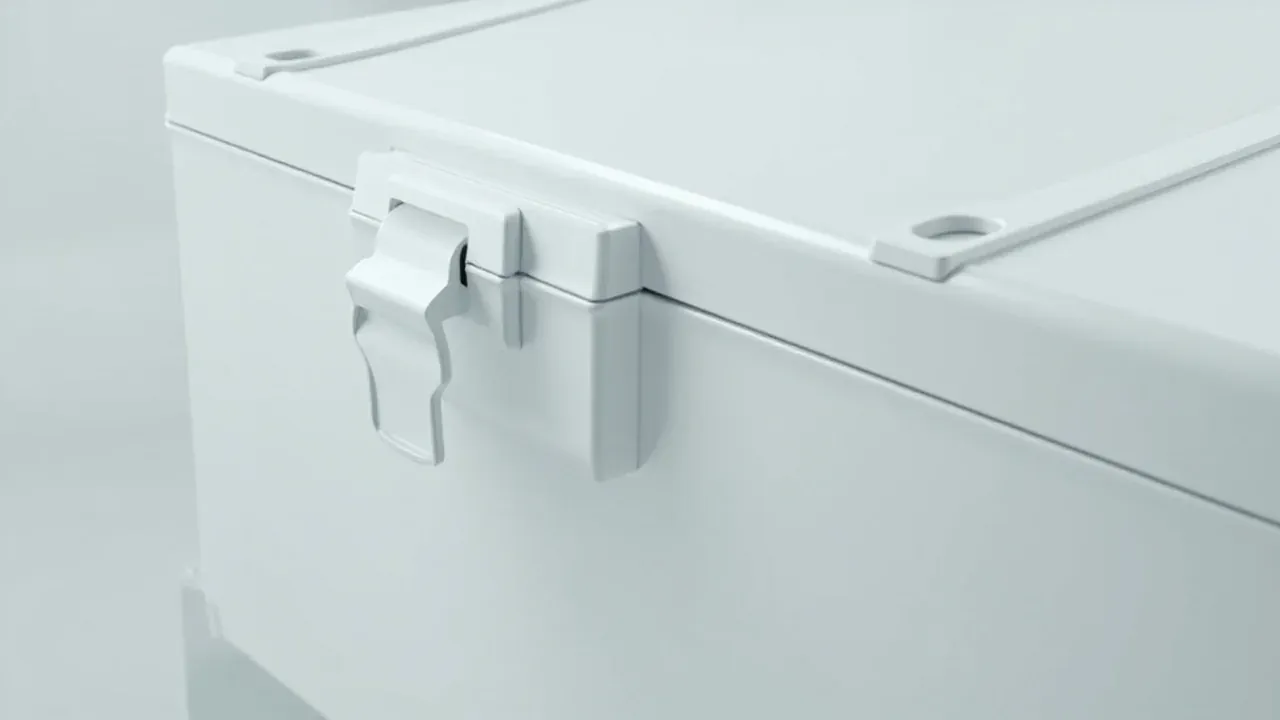
A long case with two latches rarely seals at the middle. Choose four clamping points or a centre catch, or add desiccant and change it on schedule — cheap, but only as good as the discipline behind it.
3. Cleanability: no traps, no sharp edges
A medical case meets body fluids and drugs, so it must be wiped down. Cleanability rests on three things: radiused internal corners, no crevices, and a liner that lifts out whole. Square corners trap soil, joints trap liquid, and a bonded liner only allows surface wiping.
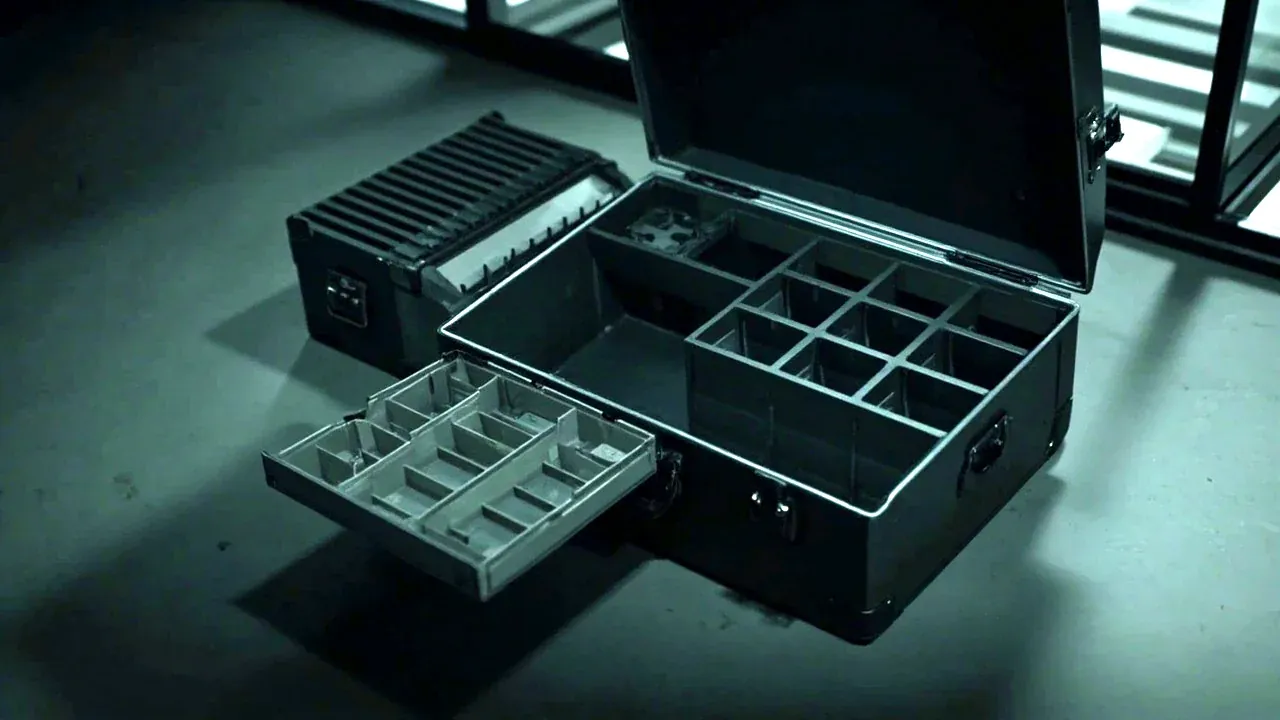
Sharp edges are the other trap: exposed metal or hard foam edges snag gloves. Run the back of a hand around the cavity — anything that catches needs attention.
4. Trays and dividers: keeping bottles upright
Bottles and pouches outnumber instruments. Their problem is falling over: liquids leak, pouches stack and drag each other out. A moulded tray with one cavity per bottle, slightly wider than the base and a third of the body deep, keeps them upright.
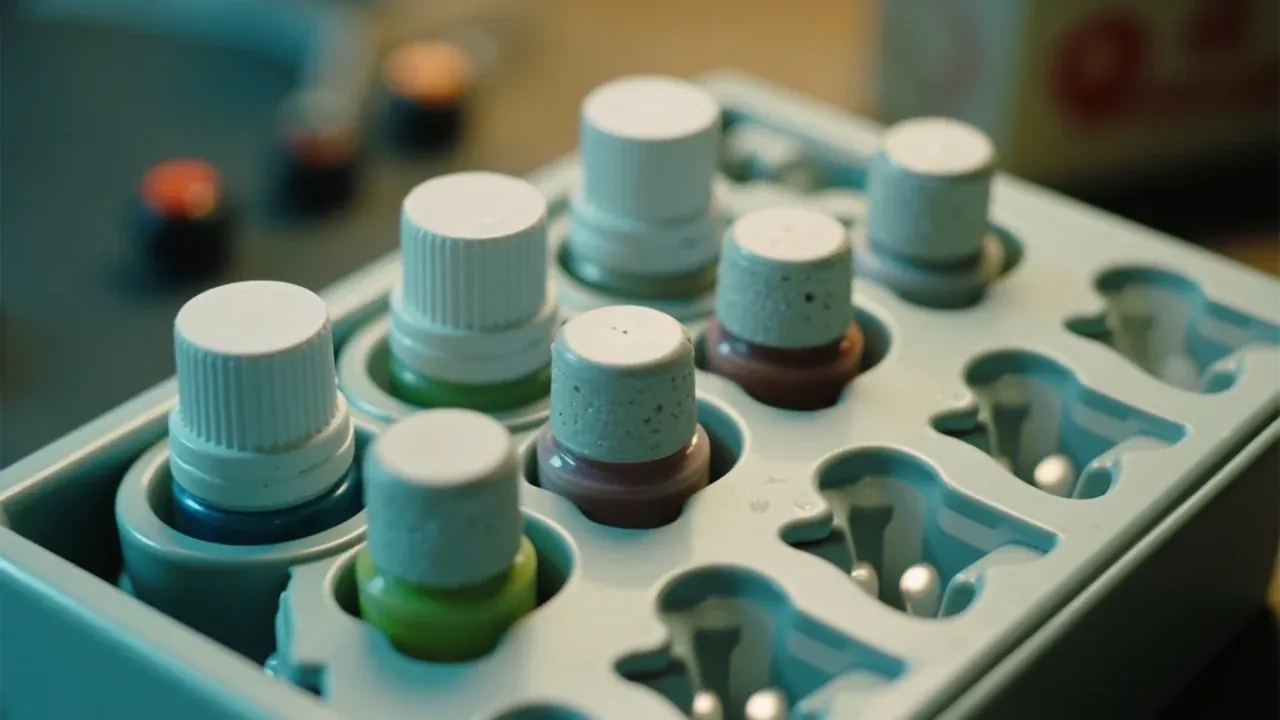
The tray should lift out whole. Carrying it to the casualty beats searching in the case, and the empty case becomes a working surface.
5. Labelling and the resupply loop
Labelling answers two questions: what this case is and when it was last checked. The holder carries the name and owner, the seal carries the date, and a check card sits inside the lid — together they tell you whether the case is usable without opening it.
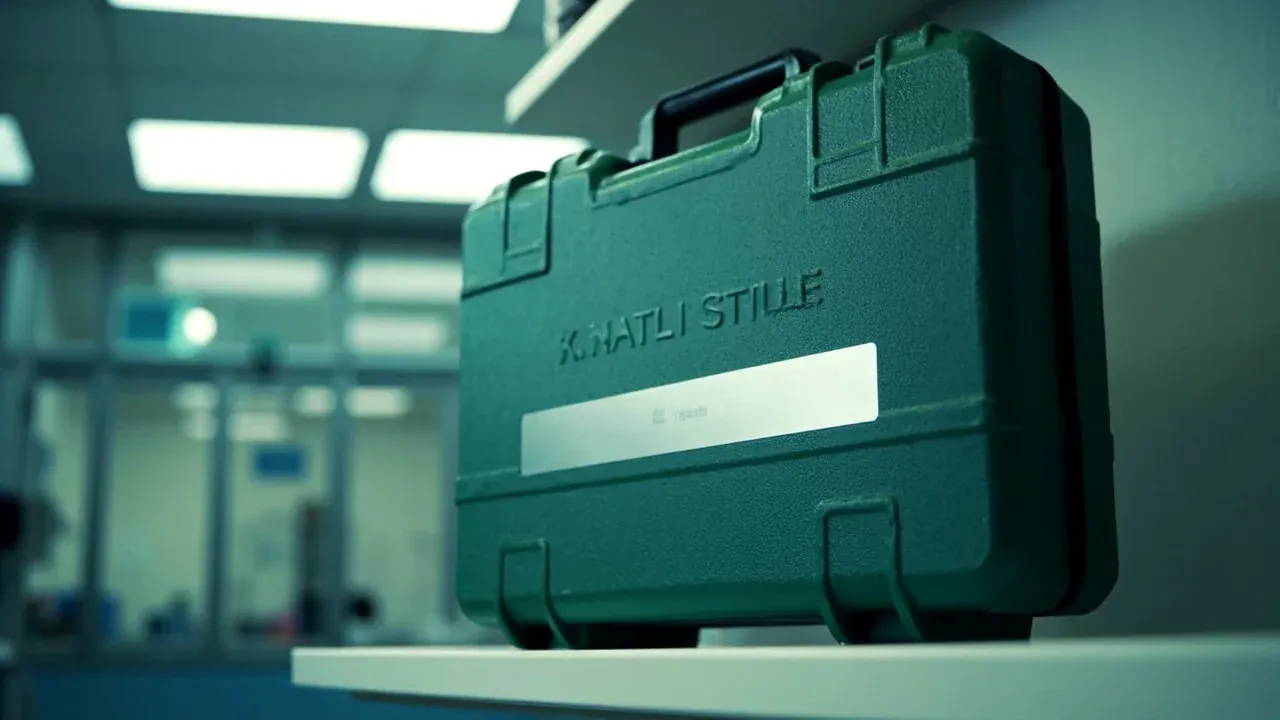
Resupply is the most neglected loop. Every item used must be logged, or the next response is short of exactly what was consumed. A checklist card inside the case, struck through on use and reset on refill, costs nothing but must be done every time.
Conclusion
Three sentences define a medical case: layer by procedure rather than by type, treat sealing and cleanability as pass marks rather than bonuses, and close the resupply loop or the missing item is always the one used last time. Miss one and it is just a box full of supplies.
This article covers container-side specifications and design implications only, not the handling, loading or use of the contents.
Related Reading
- Medical cases at aid posts, in the field and in vehicles
- Sealing and pressure equalisation
- Tool box foam lining selection
- Case repair and spare parts
Related Products
- 8 Series — Gun Cases; Military Equipment Cases; Camera Equipment Cases; Drone Cases; Watch Cases; Knife Cases; First Aid Cases; Electronics Equipment Cases
- WL8-2812 PP Gun Case — model WL8-2812
- All protective cases and toolboxes: 7 series, 158 models