

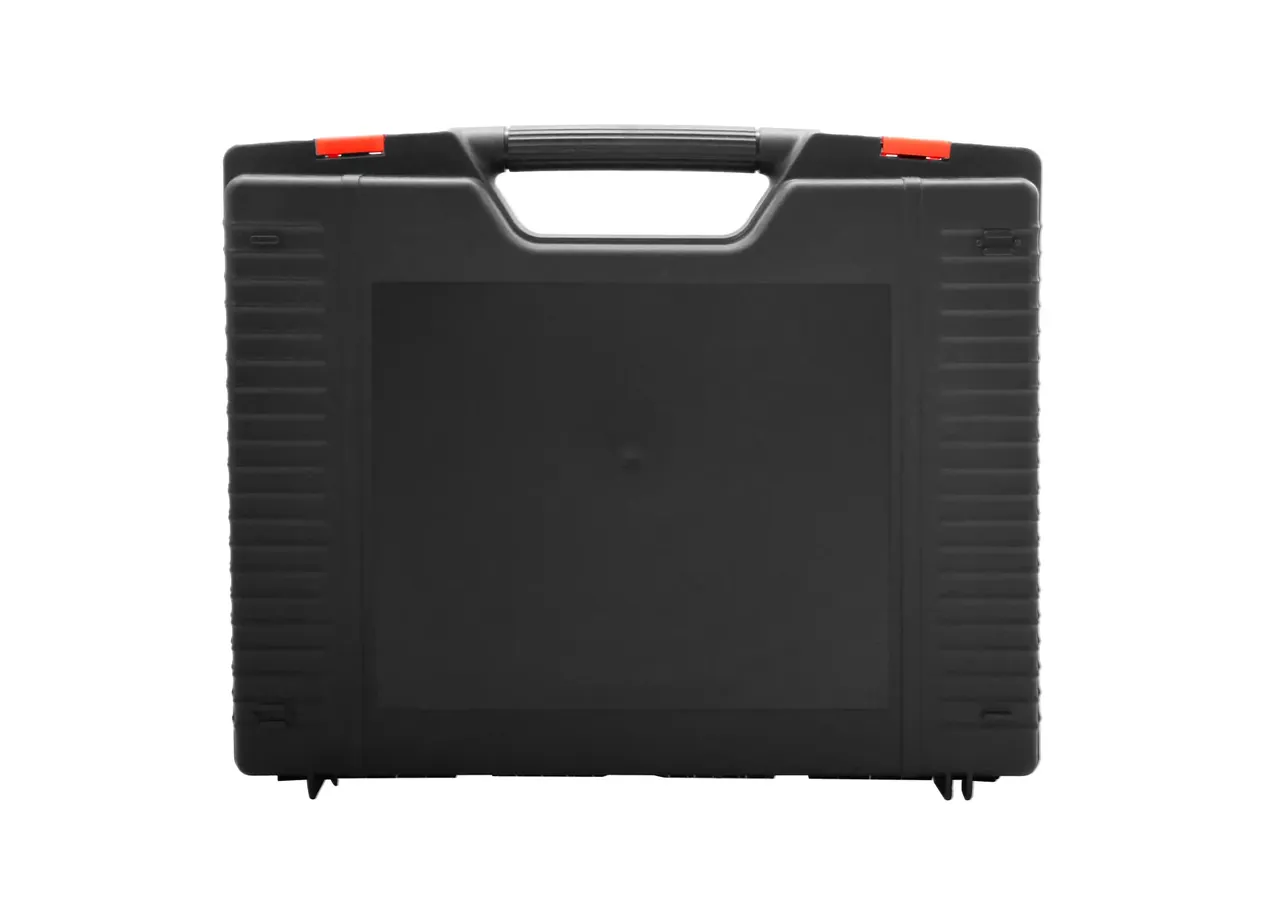
Quick answer: A Metal Ammunition Box needs two things kept up: water kept out, and what gets in let out. Coatings and gaskets do the first, vents the second. Check seams and gasket compression yearly and the cost stays below a rebuild.
Table of contents
- Where corrosion starts
- Coating and field repair
- Gaskets: failure and replacement
- Latches, hinges and vents
- A yearly table and records
- FAQ
1. Where corrosion starts
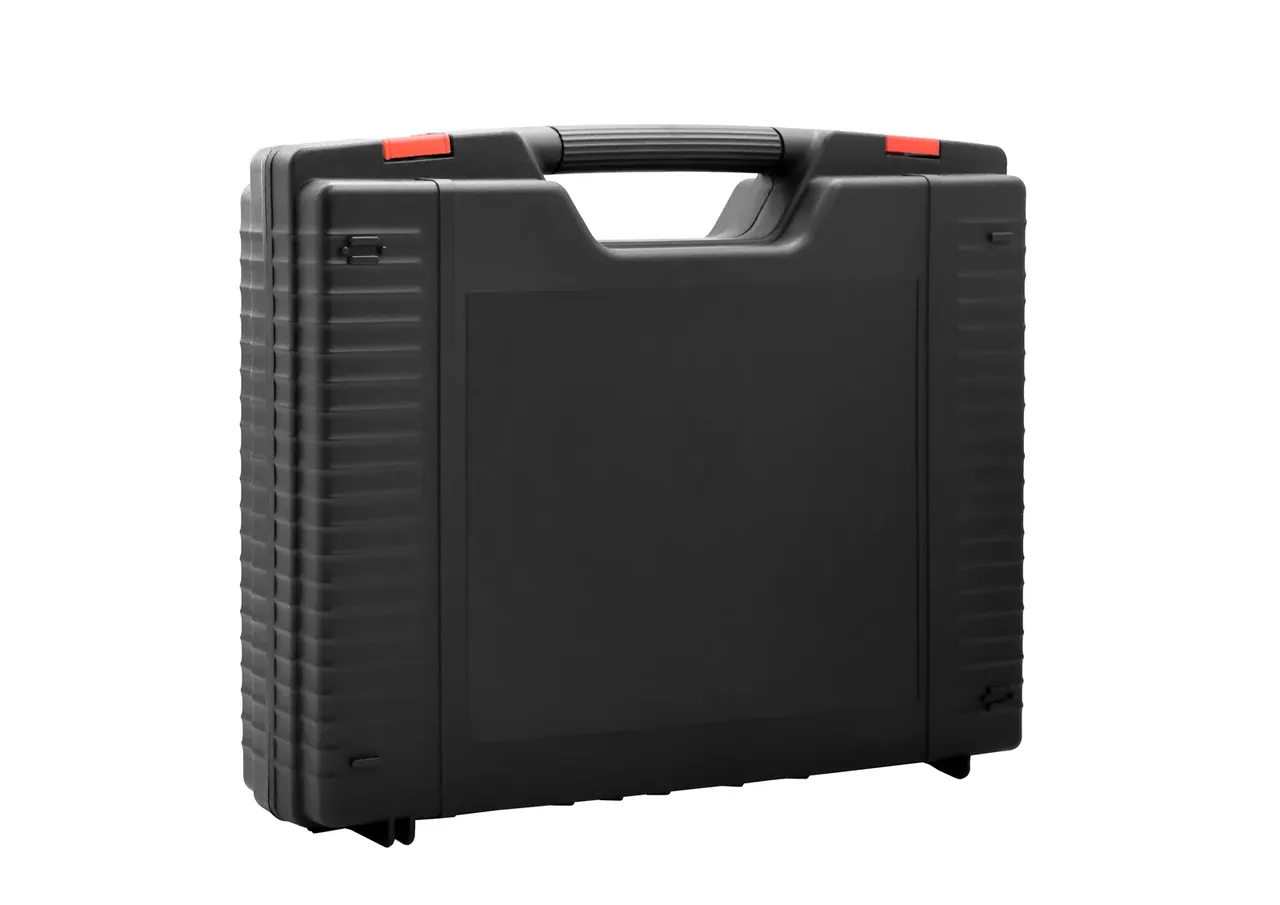
Rust on a Metal Ammunition Box rarely starts on a broad panel. It starts at welds, scratches and sealing faces: a weld is a heat-affected zone with thin coating and residual salt, a scratch holds a water bead at its lifted edge, and a sealing face is a capillary gap that dries and leaves salt.
All three are visible but unwatched, so inspect seams before panels. Any of these means act: continuous yellow rust on a weld, rust powder under a scratch, white bloom on a seal. Left until perforation, the job turns from sanding into welding at three times the hours.
| Origin | Early sign | Action |
|---|---|---|
| Weld | continuous rust, blistering | grind to metal, prime |
| Scratch | lifted edge, rust powder | derust, touch in, seal |
| Sealing face | salt bloom, sticking | clean, replace, check compression |
2. Coating and field repair
What the factory does sets the ceiling: degrease, pickle, phosphate, then electrocoat or powder. Phosphate gives the coating a grip at a micron or two; electrocoat covers welds and interiors the gun cannot reach; powder carries weather resistance. Miss one layer and rust starts there.
Field repair has one rule: get the rust out first. Grind to bare metal, feather the edge, degrease, prime, topcoat, or the patch blisters within six months. The interior matters more than the exterior, since rust inside touches the load and the base corners never dry.
3. Gaskets: failure and replacement
A Metal Ammunition Box gasket is a consumable. Its life is compression set: a new gasket compresses 25 to 30 percent and springs back against the flange, and once the deformation is permanent the compression remains but contact force is gone, so water passes microscopic gaps you cannot see.
Measure section height and replace at twenty percent loss; press with a thumb and replace if it does not recover; replace on hardening or a permanent groove. If all pass and the case still leaks, look at latch pressure or a distorted sealing face. EPDM suits weather, silicone suits cold, neoprene suits oil. A moulded ring beats a bonded joint, which needs a scarf and clamping opposite the hinge; plan three years, two in salt air.
4. Latches, hinges and vents
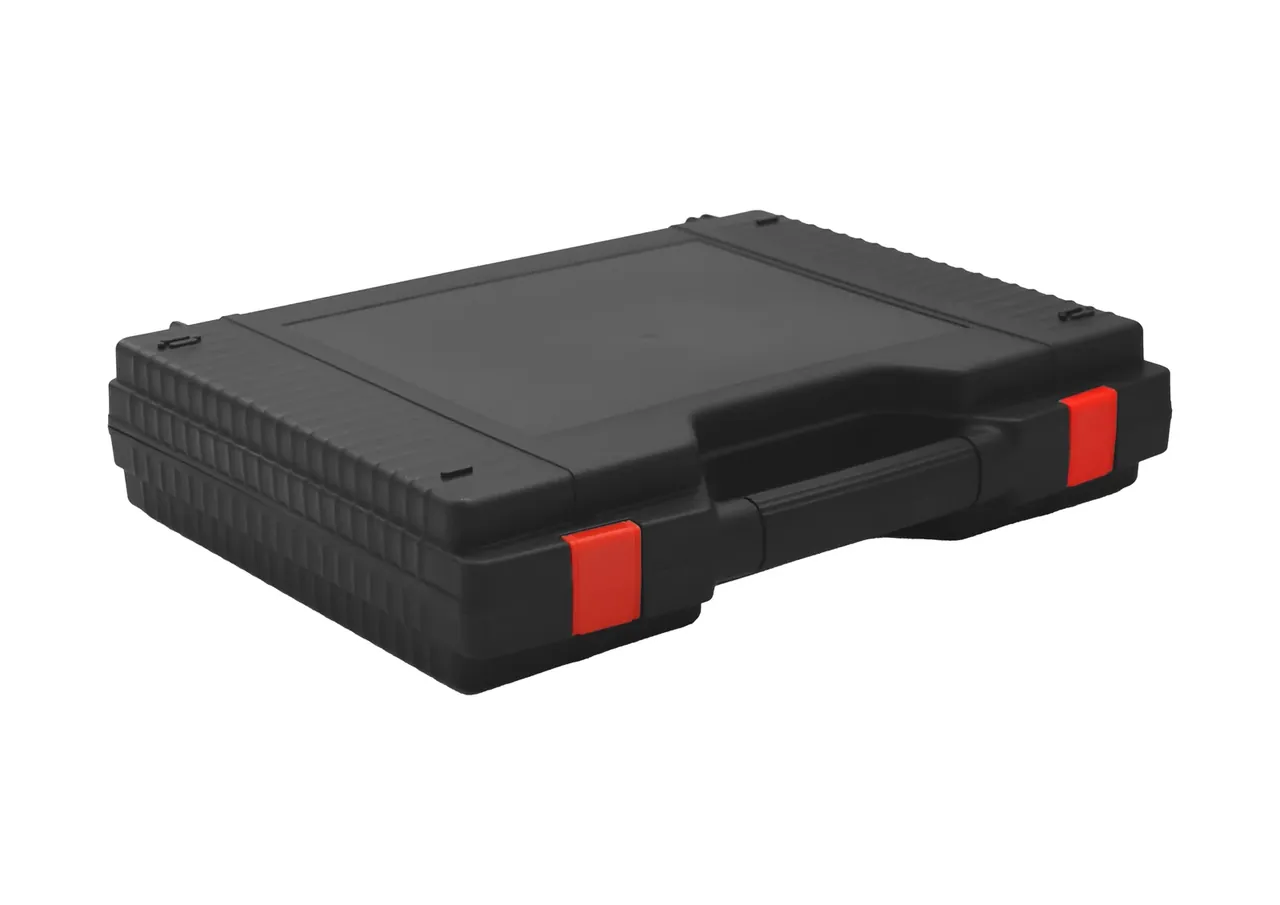
Latches fail by losing pressure, not by breaking. An over-centre latch still clicks once hook and keeper have worn a groove, while clamping force halves. Close the case and pull the lid edge; movement means adjusting the hook, not adding a shim.
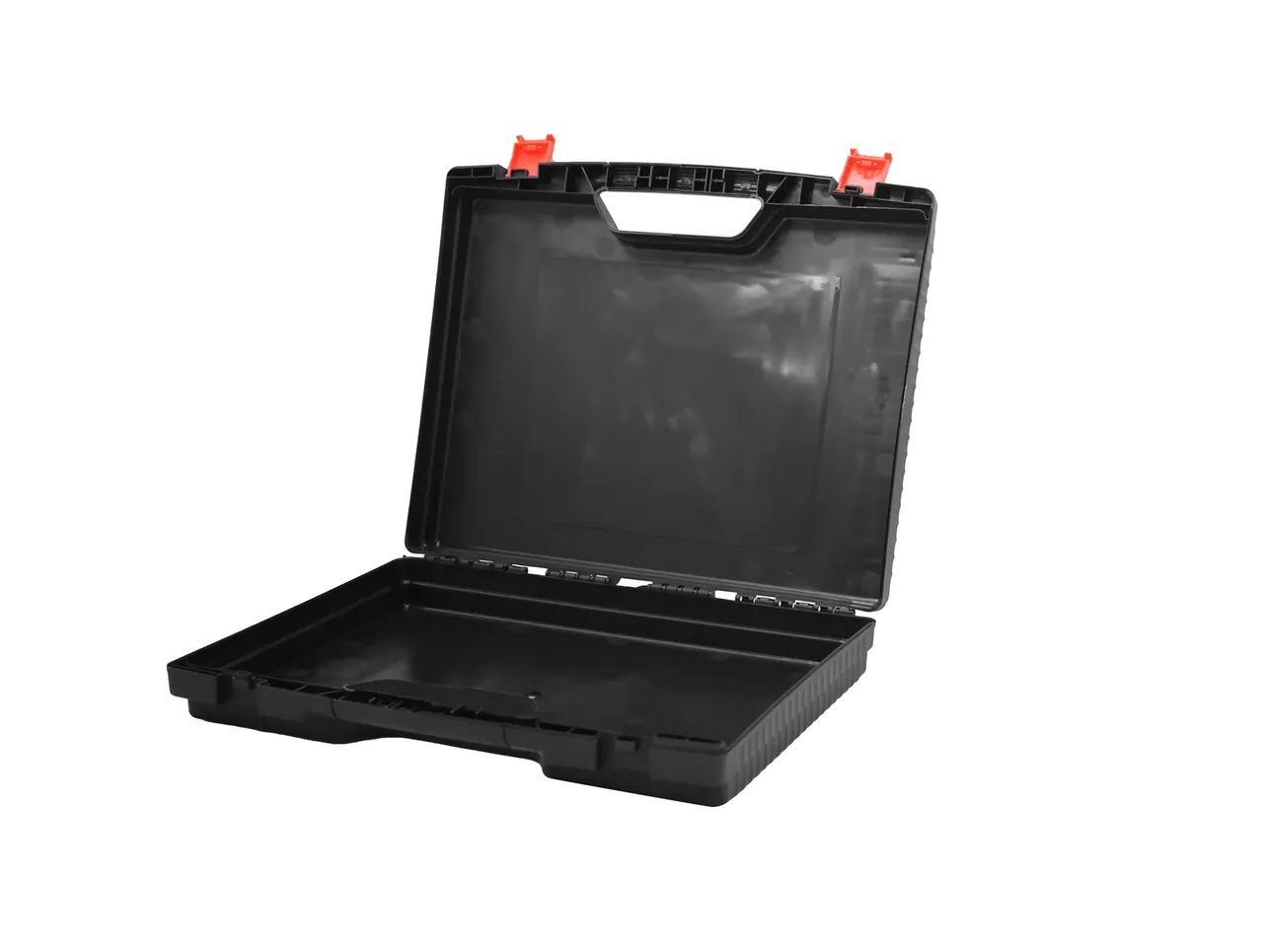
A moulded-in hinge has no fasteners to loosen, while a riveted metal hinge needs watching: a dark ring at the rivet head is fretting. Vents are forgotten most often, and a sealed case develops a pressure difference that makes the lid hard to open and pulls the gasket out of shape.
5. A yearly table and records
Four rows, quarterly: appearance, sealing, hardware, venting. Each records normal, watch or action, and anything marked action is closed within the month. Mark the body number and year inside the lid, where a label survives; outside it wears off in a season.
Keep a batch of records together and after two years the pattern shows which service condition fails first. Spares follow consumption: gaskets for twenty percent of the fleet, latches ten, rivets five, since ageing arrives in batches.
Conclusion
Care comes down to one line: keep water out and let out what gets in. Coating guards the entry points, gaskets the gaps, vents the pressure difference, each checked quarterly. On a well-kept case, life is set by gasket changes, not by steel thickness.
This article covers container-side specifications and design implications only, not the handling, loading or use of the contents.
Related Reading
- Ammunition Storage Container and Munitions Shipping and St…
- metal-ammunition-box-material-comparison
- Maintaining a rotomoulded case
- Choosing case seal materials
Related Products
- 8 Series — Gun Cases; Military Equipment Cases; Camera Equipment Cases; Drone Cases; Watch Cases; Knife Cases; First Aid Cases; Electronics Equipment Cases
- WL8-2812 PP Gun Case — model WL8-2812
- All protective cases and toolboxes: 7 series, 158 models