

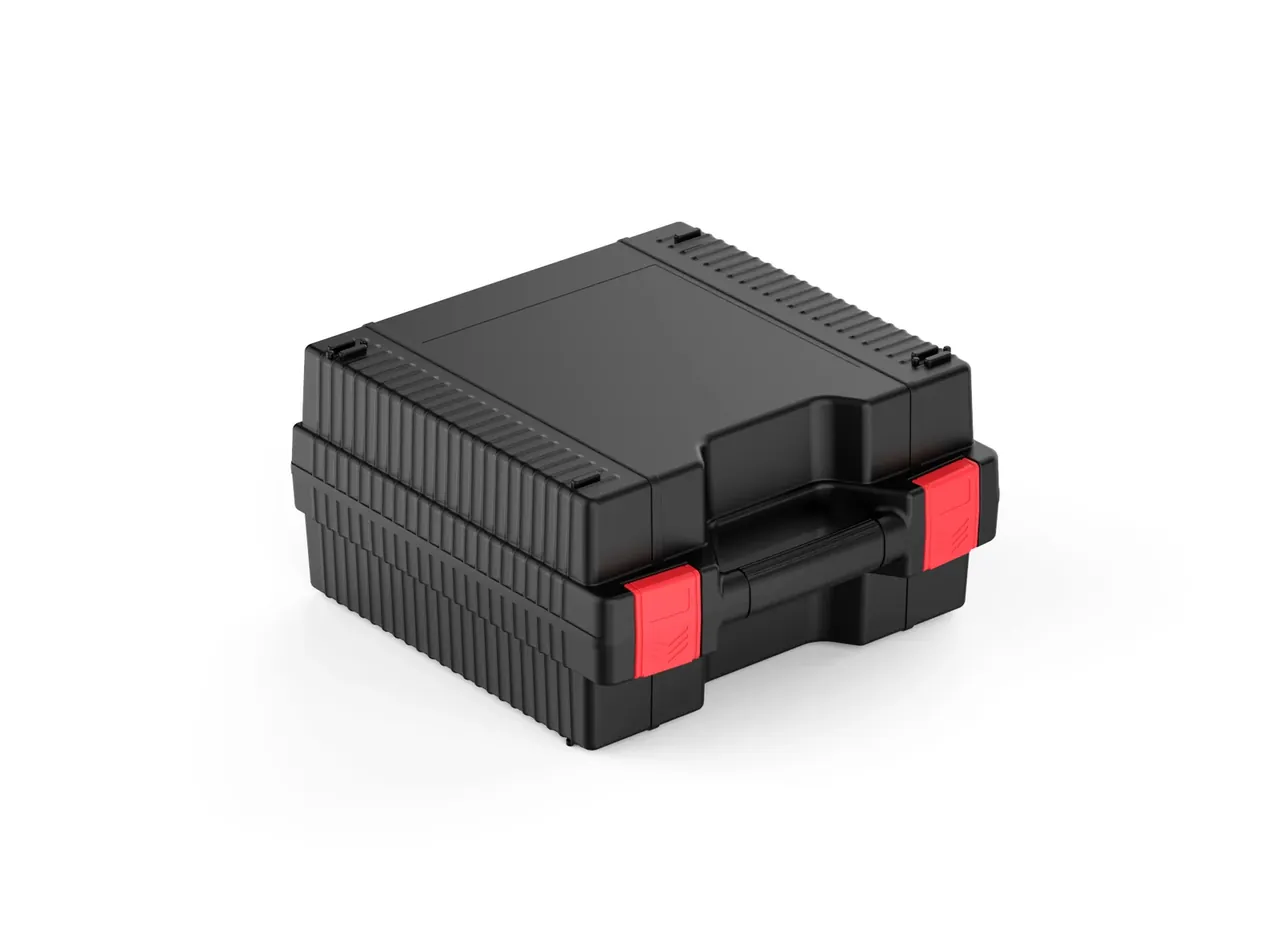
Quick answer: Steel and aluminium divide not by strength but by where the weight sits and how the unit fails. At equal volume steel weighs twice as much yet can be welded and repainted; a Metal Ammunition Box in aluminium halves the weight and loosens at its rivets instead.
Table of contents
- How it fails first
- Steel: wall, weld, weight
- Aluminium: rivets and fatigue
- At equal volume
- Three service cases
- FAQ
1. How it fails first
The first question is not which material is stronger but how a failure would be found and repaired. Steel rusts at a coating breach, visibly, and paint buys time; aluminium loosens at rivets and cracks in fatigue, which has to be felt along a seam.
The second criterion is where the weight lands: steel in transport, aluminium saved in handling. Move a case twice a year and the saving never repays the price gap; load daily and it shows in labour. The third is repair resource, a welder or a rivet gun.
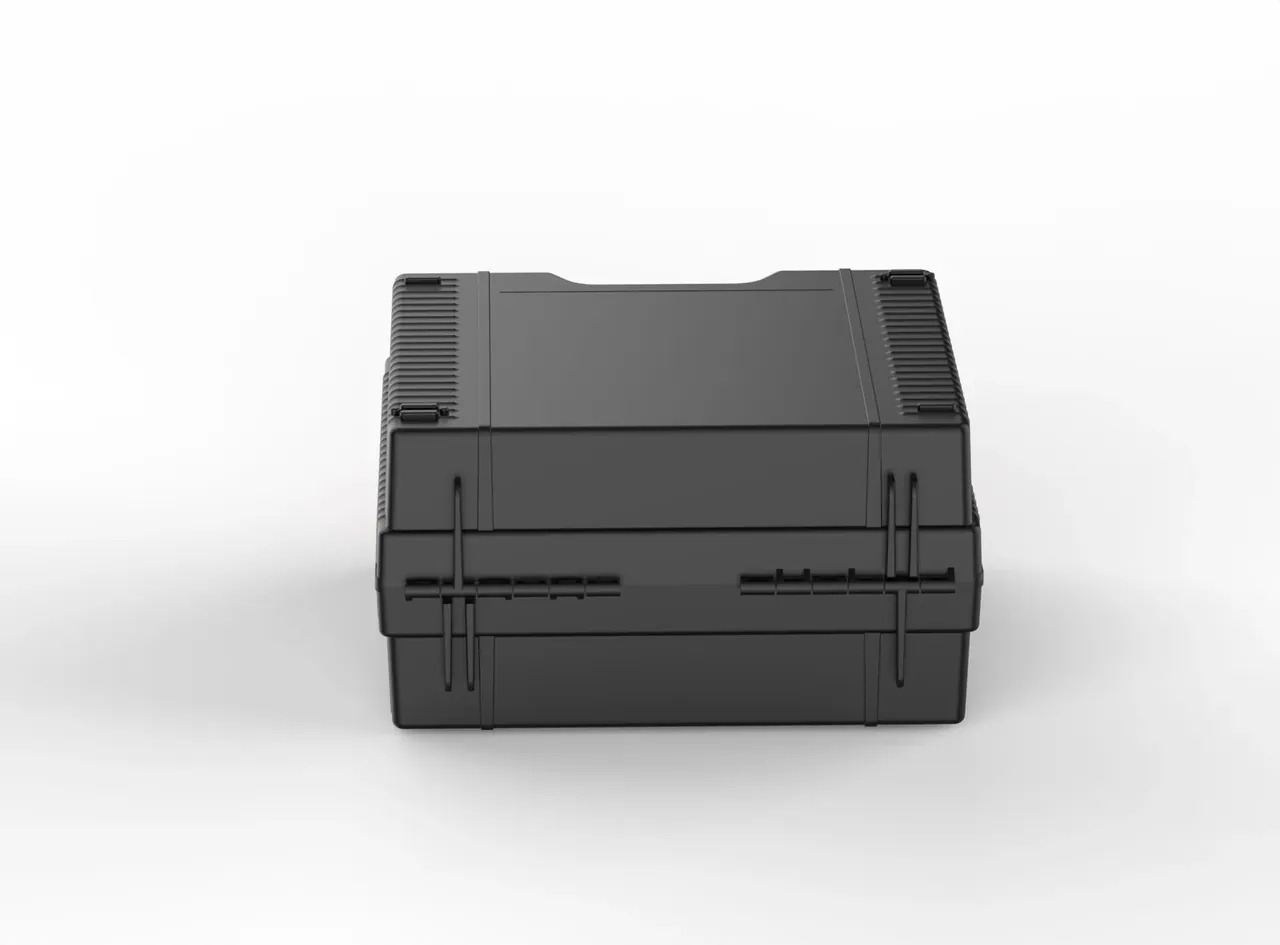
| Criterion | Steel | Aluminium |
|---|---|---|
| Failure | corrosion at coating breach | loose rivets, fatigue |
| Repair | grind, repaint, re-weld | new rivets, sealant |
| Weight | paid in transport | saved in handling |
2. Steel: wall, weld, weight
Steel walls run 1.0 to 1.5 mm, folded and welded, with corners and base edge carrying the seams. The thickness resists denting rather than pressure: below 0.8 mm a forklift knock dents the panel and rust starts at the cracked coating.
The weld is both strength and weakness. It gives a continuous load path, but the heat-affected zone holds the thinnest coating, so yellow rust appears there first in salt air. Grind, phosphate, electrocoat and powder coat, and five to eight years outdoors is normal. At forty litres steel weighs about 12 kg against 5.5 kg in aluminium, which is tiring on one carry and expensive across a pallet load.
3. Aluminium: rivets and fatigue
Aluminium walls are thicker, 2.0 to 2.5 mm, because its modulus is a third of steel's and equal stiffness needs more section; that claws back part of the density advantage. The joint matters more: aluminium welds poorly, so folded edges closed with rivets are normal, and every hole concentrates stress.
Under vibration the hole and rivet fret, clearance grows and the sealant does the sealing. Feel the seam for looseness or black powder, the sign of electrochemical corrosion. Aluminium also cannot be hammered straight: pulling a dent stretches the sheet, while steel returns with a hammer and paint.
4. At equal volume
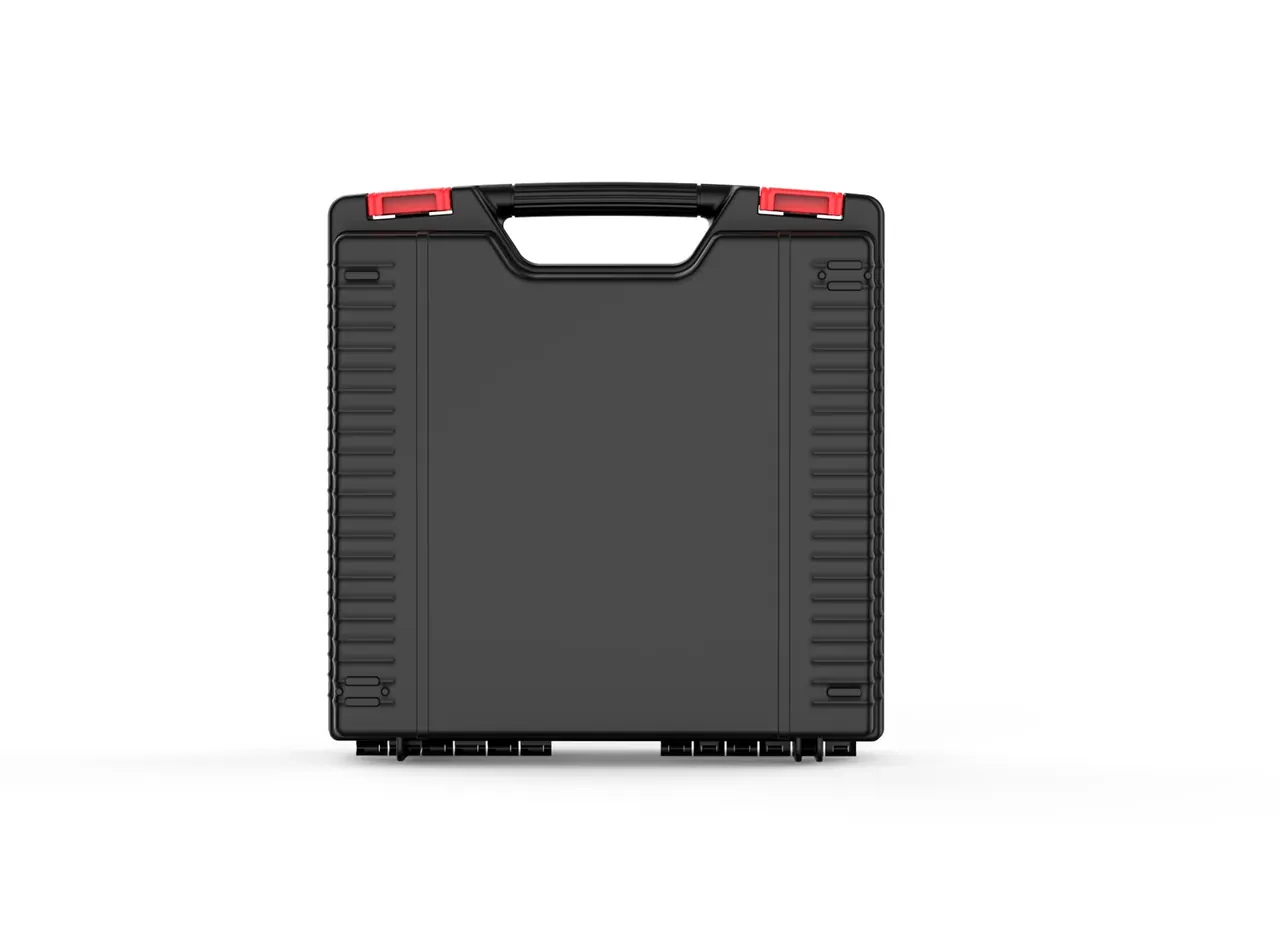
Three numbers side by side: empty weight, usable ratio, ten-year upkeep. At forty litres steel gives 12 kg and a ratio near 0.85, aluminium 5.5 kg and about 0.82, since thicker walls eat interior space — three points is one case fewer per row.
Upkeep is annual: steel repainted every three to five years at a tenth of a new case, aluminium regasketed and reriveted every five to six, at similar cost but needing someone who can rivet. Service life follows: ten to fifteen years for coated steel, six to eight for aluminium under vibration.
5. Three service cases
Fixed store, racked, moved a few times a year: steel, for stiffness, stable stacking and repairability, with coating upkeep in the annual plan.
Frequent air freight with hand and trolley handling: aluminium, since unit weight decides how many people lift a case and how many fill a sortie, with a seam check on the pre-shift list.
Salt air with frequent opening: both need isolation. Steel wants a heavy-duty coating system, aluminium an insulating pad wherever it touches steel, or galvanic corrosion outruns plain rust.
Conclusion
The choice reduces to one line: whether weight is paid in transport or handling, and whether repair depends on a welder or a rivet gun. Settle those and the material of the Metal Ammunition Box follows.
This article covers container-side specifications and design implications only, not the handling, loading or use of the contents.
Related Reading
- Cartridge Box Materials: How to Choose Between Metal, Plas…
- Ammunition Chest vs Ammunition Box: Selection Boundaries f…
- Rotomolded Cases: Rotational-Moulded Shell Structure & Pro…
- Choosing case seal materials
Related Products
- 8 Series — Gun Cases; Military Equipment Cases; Camera Equipment Cases; Drone Cases; Watch Cases; Knife Cases; First Aid Cases; Electronics Equipment Cases
- WL8-2812 PP Gun Case — model WL8-2812
- All protective cases and toolboxes: 7 series, 158 models