

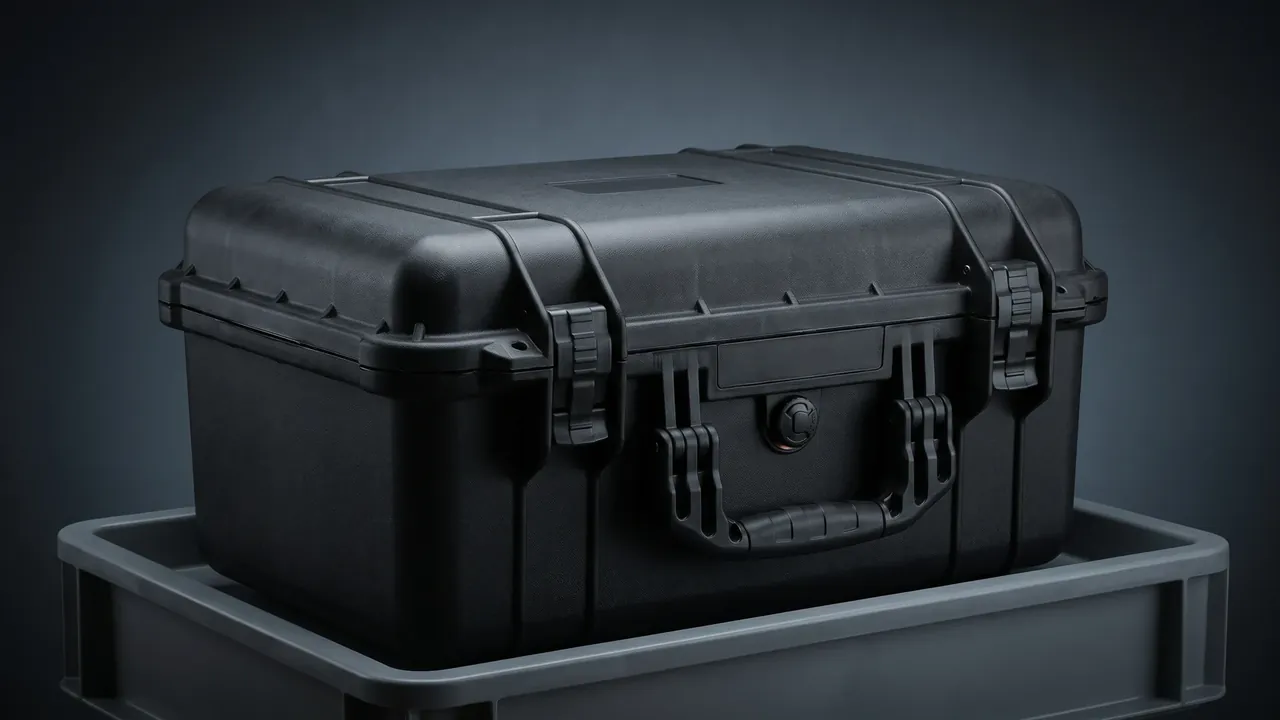
Quick answer: Customizing a military firearm storage box and sourcing it through OEM/ODM means translating requirements into manufacturable specifications: lock the use case and capacity boundary first, then settle the outer module, insert plan, and structural strength, and finally freeze the specification through tooling, sampling, and first-article approval. OEM and ODM differ in who owns the specification, with OEM led by the buyer's drawings and ODM led by the supplier's proven design. The two critical gates are specification freeze and first-article approval.
Table of contents
- Start by Locking Down the Requirement Boundary
- OEM vs ODM: Difference and Choice
- Specification Sheet and Drawings: From Outer Form to Insert
- Tooling, Sampling, and First-Article Approval
- Production, Acceptance, and Delivery Checklist
- FAQ
1. Start by Locking Down the Requirement Boundary
The most common cause of a failed custom project is an unclear requirement boundary. Before drawing begins, settle four things: use category, capacity and piece count, outer dimension constraints, and protection requirements. Leave any of them vague and the third revision of the drawing will still trigger disputes.
- Use category: storage, transfer, or distribution, which sets internal zoning and outer structure.
- Capacity and piece count: which sets cavity size and outer proportions.
- Outer constraints: whether the pallet module and racking height must be matched, which caps length, width, and height.
- Protection requirements: which sets material, wall thickness, and insert plan.
Write these four into a one-sentence requirement statement for both sides to confirm, carrying quantifiable boundaries such as the largest contents outline, the maximum allowed dead weight, and whether sealing is required.
2. OEM vs ODM: Difference and Choice
OEM means the buyer supplies the specification and drawings and the supplier builds to them. ODM means the supplier offers an existing design the buyer then adjusts. The difference is not quality but specification ownership.
| Model | Specification source | Development time | When it fits |
|---|---|---|---|
| OEM | Buyer | Depends on drawing completeness | Clear outer form and insert requirements |
| ODM | Supplier | Relatively short | Requirements still forming, fast landing needed |
| Hybrid | Shared | Moderate | Borrow a proven shell, customize the insert |
Whichever model you take, confirm three items: drawing ownership and intellectual property terms, the change process with who bears change cost, and the pass criteria for first-article approval.
3. Specification Sheet and Drawings: From Outer Form to Insert
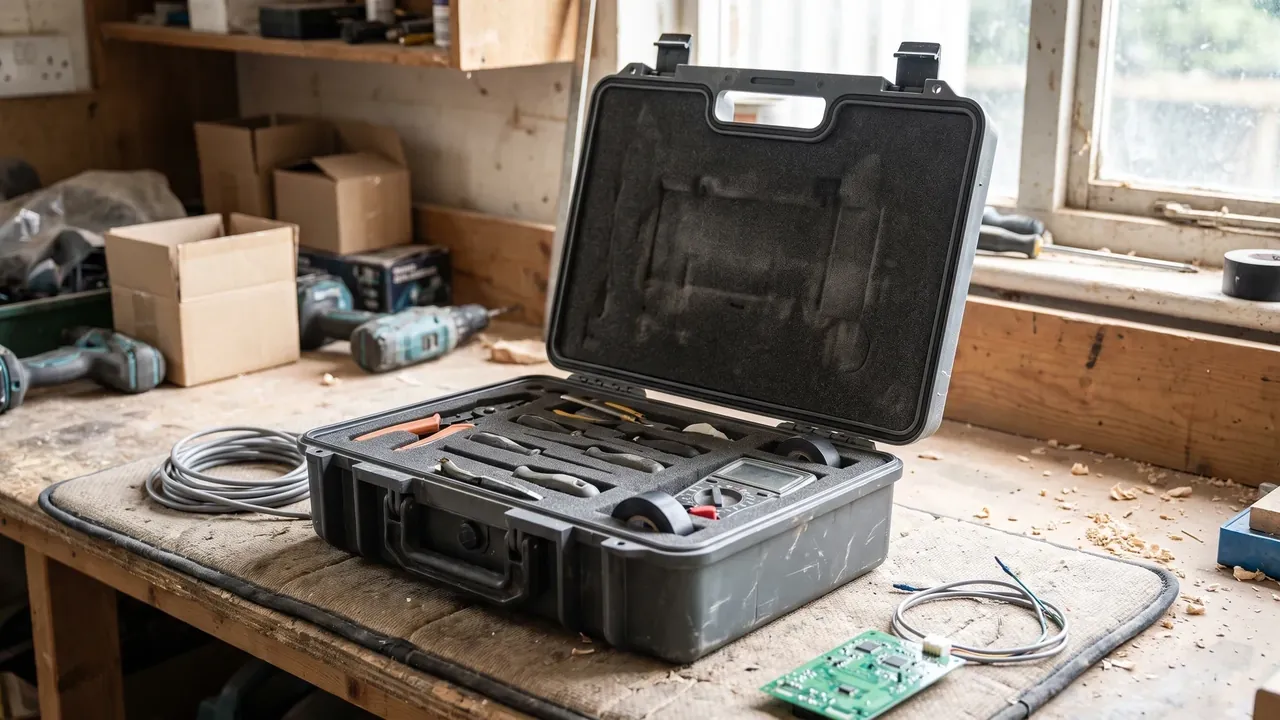
The specification sheet carries the requirements into manufacturable parameters. A complete sheet covers outer dimensions and tolerances, wall thickness and rib positions, material grade, color and surface finish, the insert plan with cutout dimensions, and label or marking positions. The insert section needs its own notes on positioning method, pocket depth, pocket wall thickness, and layering, because these parameters decide how firmly contents are held.
The most commonly missed drawing item is net height after lid closure. Foam compresses under latch load, so usable net height is smaller than it looks with the lid open, and the sheet should state compressed net height rather than cavity height alone. Draft angle and rib thickness ratio are also often omitted, and both affect molding quality.
4. Tooling, Sampling, and First-Article Approval
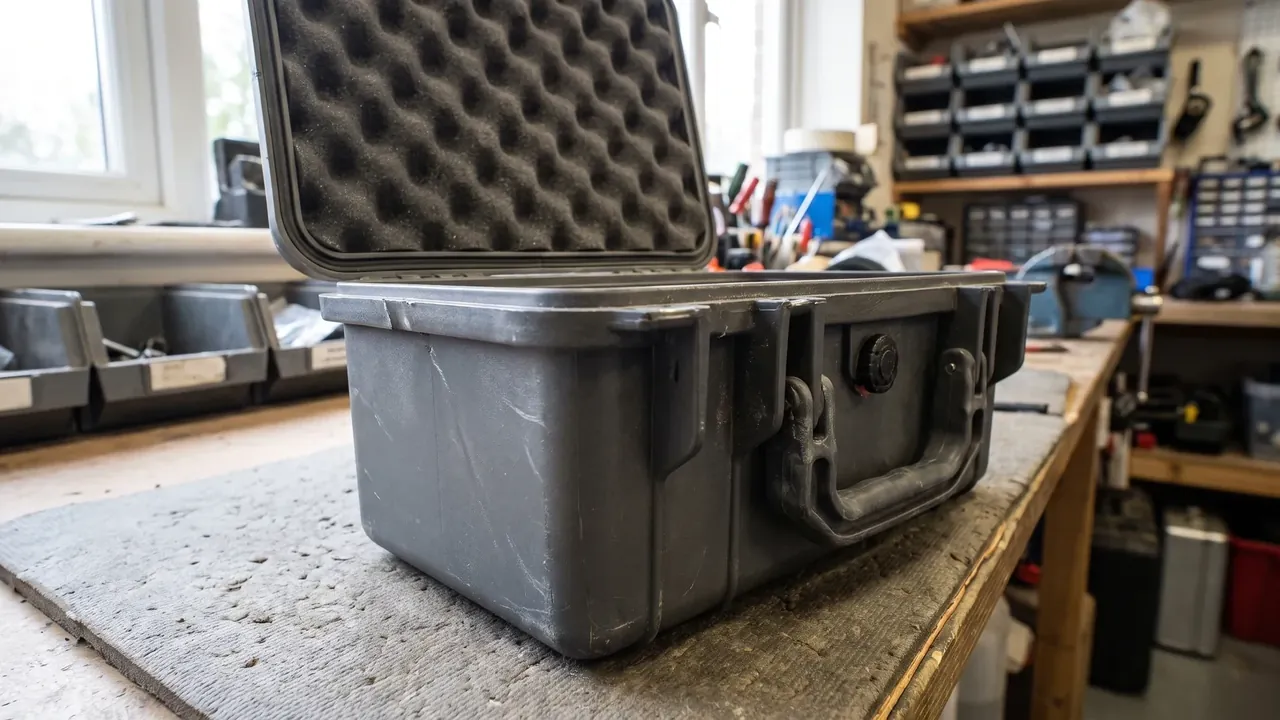
Custom containers usually need tooling, and the tooling plan sets both production efficiency and appearance consistency. Tooling design must confirm the parting line position, draft angle, rib thickness ratio, and gate location. Rotomolding and injection molding follow different logic: rotomolding suits large and thick-walled parts, while injection molding suits high dimensional accuracy and larger volumes.
Sampling and first-article approval turn drawings into hardware. First-article checks should cover outer dimensions and tolerances, cavity dimensions, fit between cutout and contents, latch and hinge closure evenness, and how well the sealing face mates. Approving the first article before production markedly cuts batch rework risk.
Note that tooling cost, minimum order quantity, and lead time are commercial terms that vary widely. Confirm each one at the quotation stage and write it into the contract rather than assuming an industry convention.
5. Production, Acceptance, and Delivery Checklist
- Specification sheet and drawings frozen, with the change process and owners defined.
- Material grade, color, and surface finish confirmed, with reference samples retained.
- Tooling plan confirmed, with parting line, draft angle, and rib ratio meeting requirements.
- First article approved item by item, covering outer form, cavity, insert fit, and latch closure.
- Acceptance criteria and sampling method written into the contract, with delivery cadence and packaging confirmed.
Conclusion
Customizing a military firearm storage box means translating requirements into manufacturable specifications and then freezing them through tooling, sampling, and first-article approval. Three gates decide the outcome: locking the requirement boundary, completing the specification sheet, and running a strict first-article check. OEM and ODM differ in specification ownership, so choose according to drawing completeness and development time. Settle drawing ownership, the change process, and acceptance criteria in the contract at kickoff.
Scope note: the discussion is limited to container-side specifications and design implications; no operation, loading, or use of the items held inside is covered.
Related Reading
- Definition and classification basis of military firearm storage boxes
- OEM/ODM cooperation models for protective cases
- Minimum order quantity and baseline calculation for custom cases
Related Products
- 8 Series — Gun Cases; Military Equipment Cases; Camera Equipment Cases; Drone Cases; Watch Cases; Knife Cases; First Aid Cases; Electronics Equipment Cases
- WL8-2812 PP Gun Case — model WL8-2812
- All protective cases and toolboxes: 7 series, 158 models