

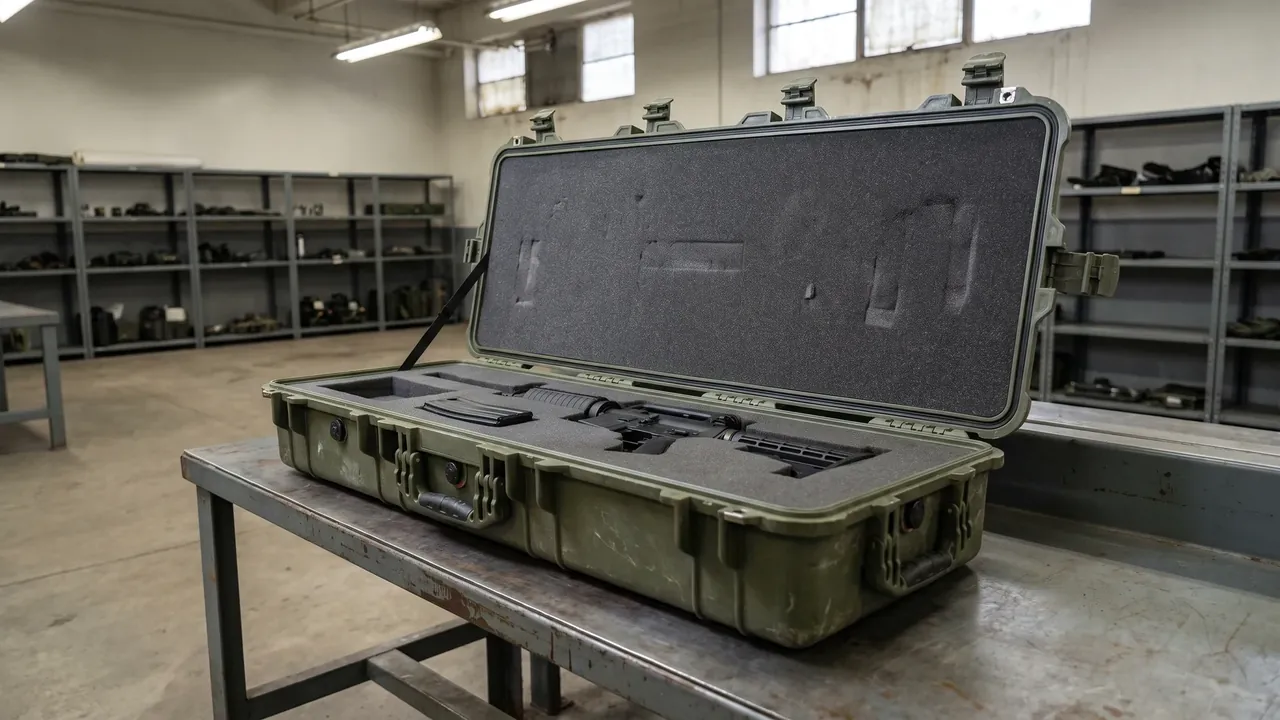
Quick answer: A military firearm storage box stores and transfers one item or a few items. It has three defining features: a lid with a sealing face, an internal positioning insert, and an external structure that can be carried or stacked. By structure it splits into hard, soft, and semi-hard types, by use into storage, transfer, and distribution, and by protection into sealing, vibration-resistant, and stackable types. Judge fit by whether the longest outline seats into a pocket, then by whether the box must take stacking and long-distance transport.
Table of contents
- Definition and Boundaries of a Military Firearm Storage Box
- Classification by Structure: Hard, Soft, and Semi-Hard
- Classification by Use: Storage, Transfer, and Distribution
- Classification by Protection: Sealing, Vibration, and Stacking
- Scenario Judgement and Checklist
- FAQ
1. Definition and Boundaries of a Military Firearm Storage Box
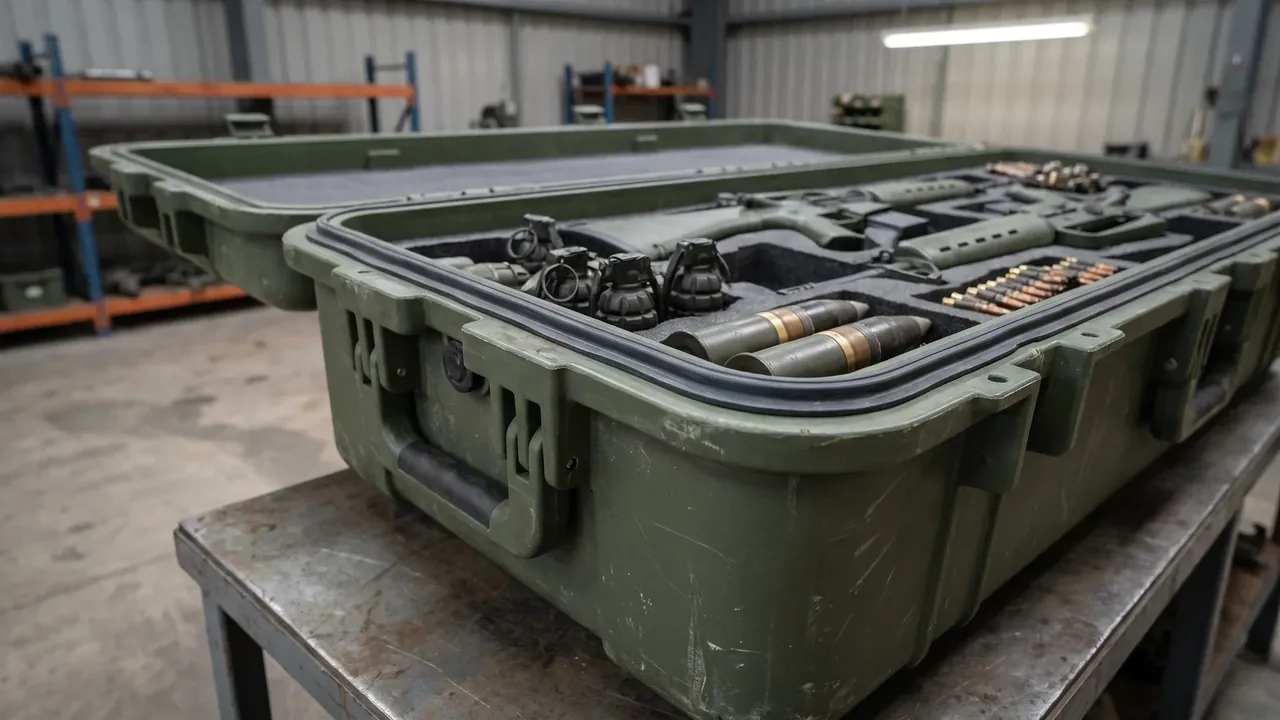
A military firearm storage box targets one item or a few items, carries a lid structure, holds a positioning insert, and offers an external structure that can be carried or stacked. Its difference from a case lies in cavity proportion and capacity: the cavity follows the contents outline more closely, capacity is measured in single or few items, and the outer form stays compact.
Three elements are indispensable: a lid with a sealing face, an internal positioning structure, and an external load-bearing structure such as a handle, hinge, or latch. A container with only a lid is a holder; one with positioning but no load-bearing structure cannot support transfer.
Two boundaries deserve mention: the subject is always the container itself, with contents used only to establish size and weight, and a box does not take the centralized security duty of a fixed site, which belongs to cabinet-type containers.
2. Classification by Structure: Hard, Soft, and Semi-Hard
| Type | Main material | Cushioning | When it fits |
|---|---|---|---|
| Hard box body | Engineering plastic, metal | Insert foam plus shell stiffness | Long-distance transport, stacking |
| Soft bag body | Fabric and foam laminate | Foam thickness absorbs impact | Short carrying, light weight |
| Semi-hard structure | Shell with fabric trim | Reinforced corners, cushioned faces | Balancing weight and protection |
A hard body wins on crush resistance and stacking but costs weight and bulk. A soft bag wins on lightness and conformity but stacks poorly. A semi-hard structure suits cases needing shape retention with less weight.
3. Classification by Use: Storage, Transfer, and Distribution
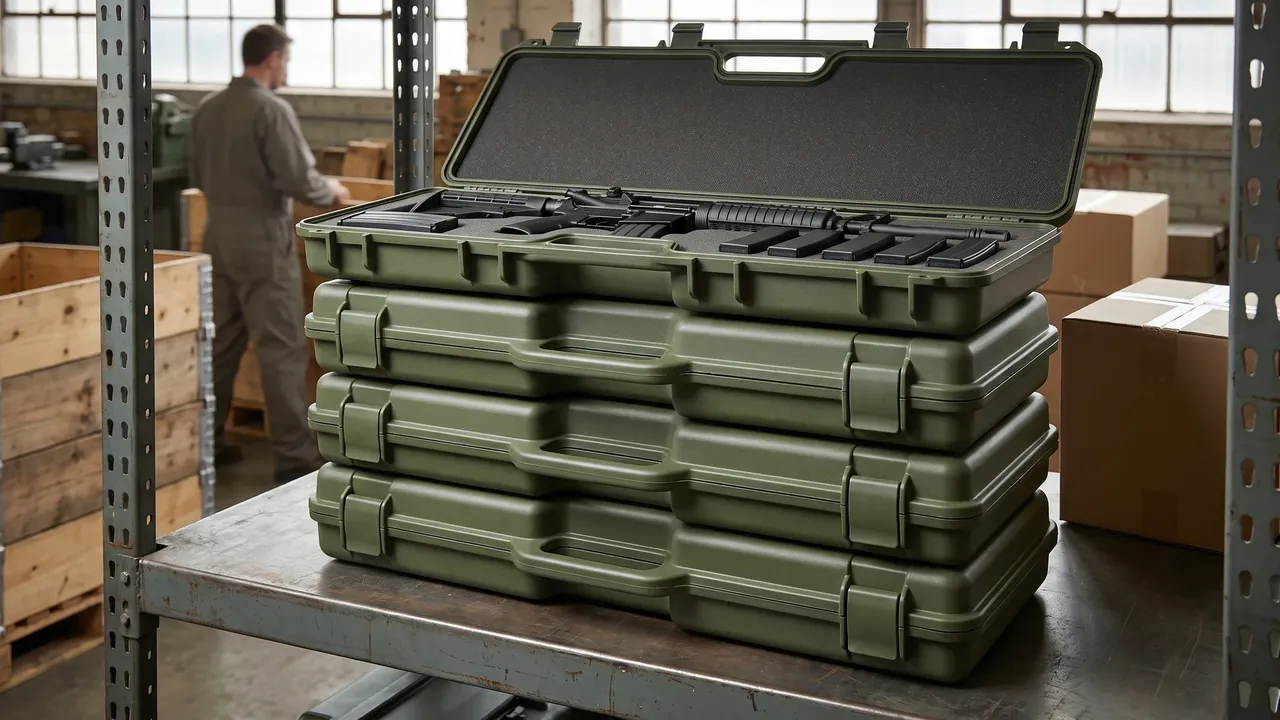
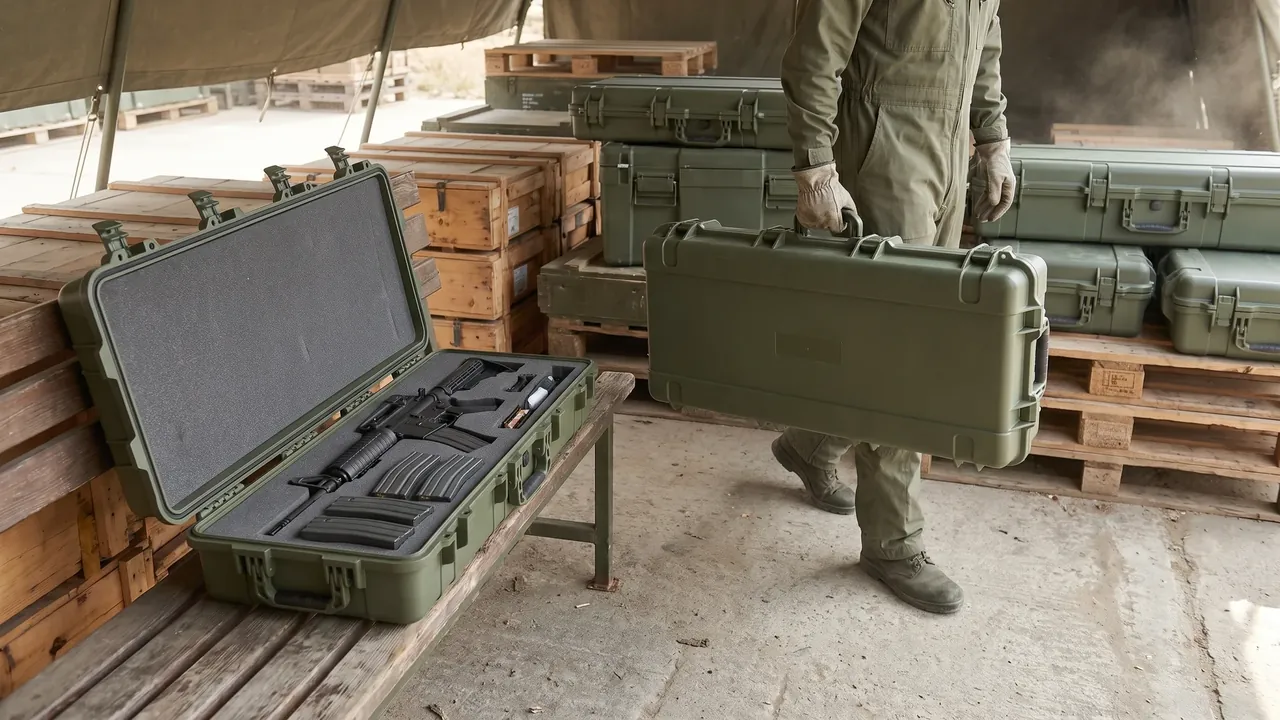
By use, the box splits into storage, transfer, and distribution types. The storage type emphasizes zoning and stacking order, with fixed pockets, number positions, and a rectangular outer form. The transfer type emphasizes vibration resistance and sealing, needing a sealing structure, cushioning, and dependable latches and hinges. The distribution type emphasizes identifiability and splittability, zoning the interior by the minimum distribution unit and reserving a label area.
The three are not mutually exclusive. One container can serve storage and transfer, but it should not be asked for extreme stacking efficiency and extreme lightness at once, since the two conflict structurally.
4. Classification by Protection: Sealing, Vibration, and Stacking
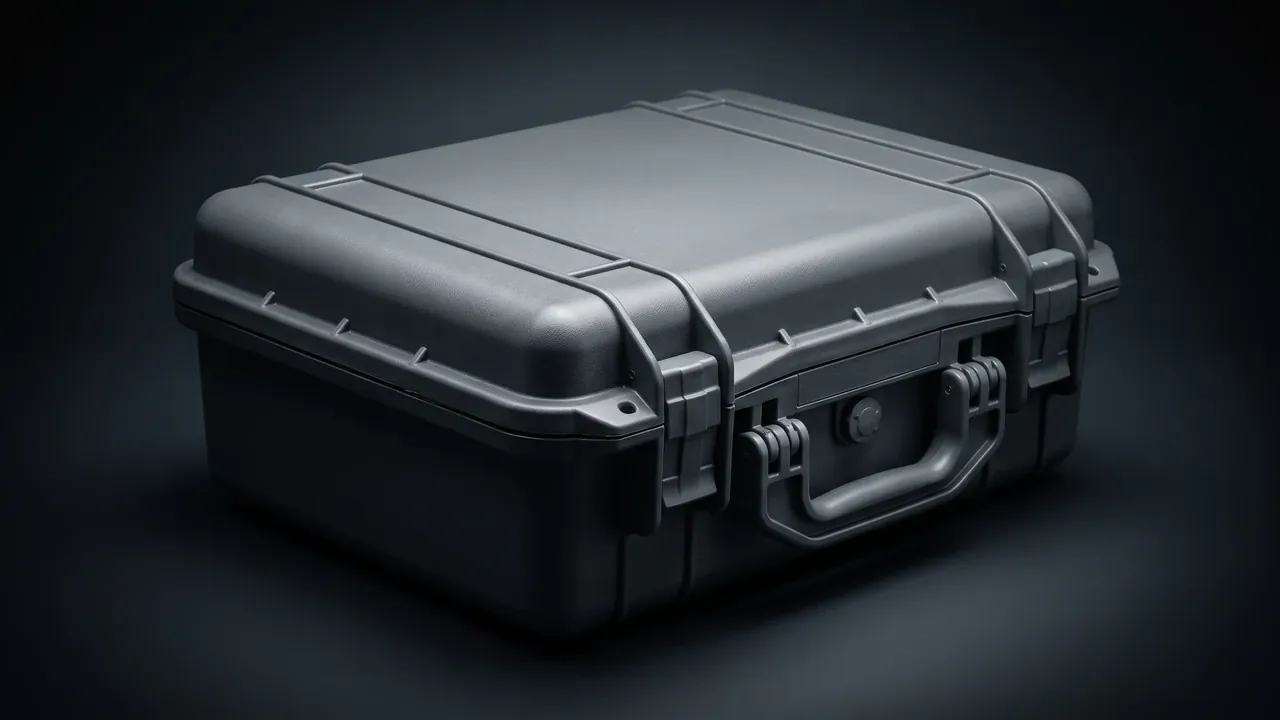
By protection, a container can be described along three dimensions: sealing, vibration resistance, and stacking, the parameters most often compared in selection.
Sealing is described by structural design, for example following the IEC 60529 ingress protection definitions for the gasket and sealing face, with the actual grade confirmed by a third-party test report. Vibration resistance depends on the insert positioning method and cushioning thickness: positioning comes from the pocket, cushioning from the layer. Stacking depends on how lid and base mate plus wall thickness and rib layout, and higher stacks raise static load on the bottom container.
- Sealing: gasket material, sealing face flatness, and pressure equalization valve.
- Vibration: pocket wall thickness, cushioning thickness, and layering.
- Stacking: locating step on the lid, base ribs, and wall thickness.
5. Scenario Judgement and Checklist
- Measured the largest contents outline and confirmed it seats into the cavity.
- Defined whether the use case is storage, transfer, or distribution, and set zoning accordingly.
- Confirmed whether a sealing structure is needed, and stated the grade by intended environment.
- Confirmed stacking needs and layers, checking static load on the bottom unit.
- Confirmed the carrying method matches full-load weight.
Conclusion
The definition of a military firearm storage box comes down to three elements: a lid with a sealing face, an internal positioning structure, and an external load-bearing structure. From there it splits by structure into hard, soft, and semi-hard, by use into storage, transfer, and distribution, and by protection into sealing, vibration, and stacking. Fix the primary use first, then the structural type, and finally verify each protection dimension. Any protection feature should be described by structural design with the actual grade confirmed by a third-party test report.
Scope note: this article covers container-side specifications and design implications only, and does not address the operation, loading, or use of items placed inside.
Related Reading
- Customization and OEM/ODM procurement of military firearm storage boxes
- Selection method for military firearm storage cases by configuration scale
- Structure and protection principles of firearm storage cases
Related Products
- 8 Series — Gun Cases; Military Equipment Cases; Camera Equipment Cases; Drone Cases; Watch Cases; Knife Cases; First Aid Cases; Electronics Equipment Cases
- WL8-2812 PP Gun Case — model WL8-2812
- All protective cases and toolboxes: 7 series, 158 models