

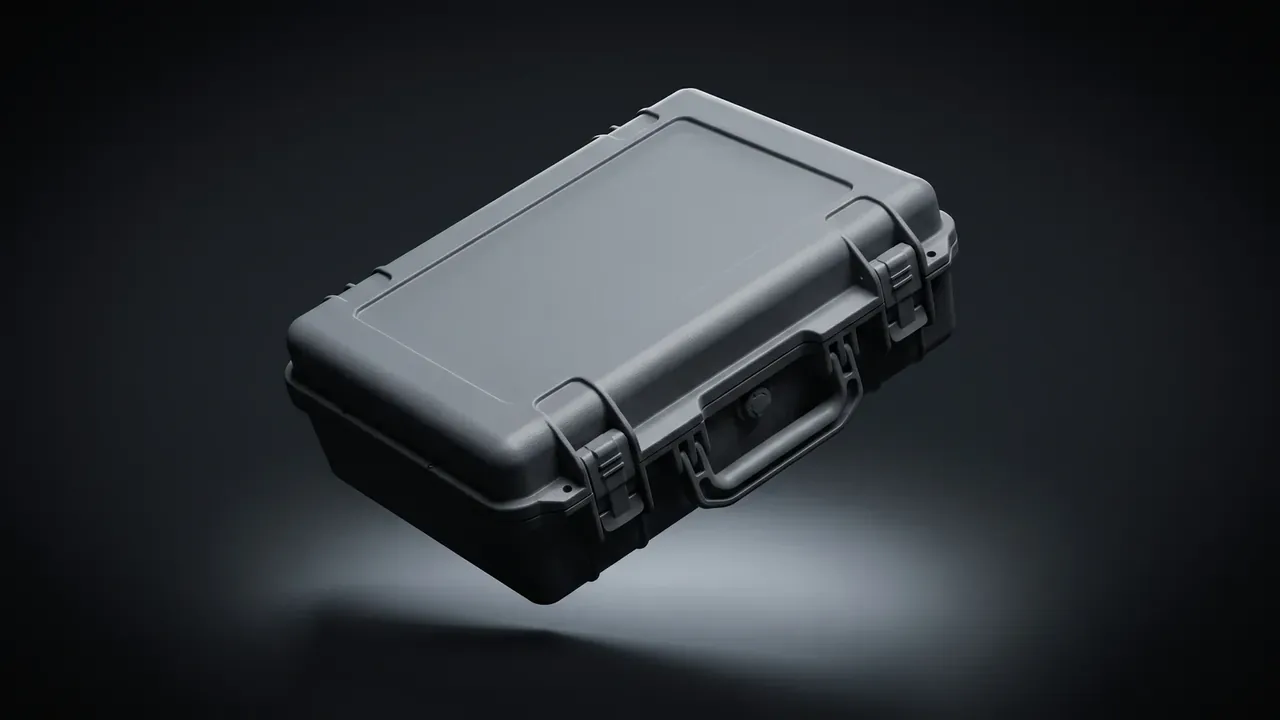
Quick answer: Care for a Military Rotomolded Case works when checks hang on handling cycles rather than calendar months, and when each part has a stated replacement line. Every part carries an observation and a rejection threshold.
Table of contents
- Schedule care by handling cycles
- Shell checks after cold drops and salt spray
- Gaskets and valves: read the pressure drop
- Latches, hinges and moulded-in inserts
- Repair level and the replacement table
- FAQ
1. Schedule care by handling cycles
A monthly schedule drifts: an annual glance, or a strip-down on every return. Usage is the better anchor for a Military Rotomolded Case.
Three triggers cover most units: a function check every 500 cycles, an exterior re-check every 2,000 km by road, and a structural measurement yearly, whichever comes first.
| Level | Who | Main items | Allowed action |
|---|---|---|---|
| Unit | Crew | Shell damage, latch closure, debris in rim | Clean, swap gasket |
| Depot | Repair shop | Wall thickness, pressure drop, torque | Replace parts, weld |
| Factory | Maker | Structural cracks, rim truing | Repair or reject |
2. Shell checks after cold drops and salt spray
Shell inspection belongs after an environmental event. A cold drop exposes material state fastest: hold the loaded Military Rotomolded Case at -40 C for 2 hours, then within 3 minutes drop it from 1.2 m at six points, three on base edges and three on corners.
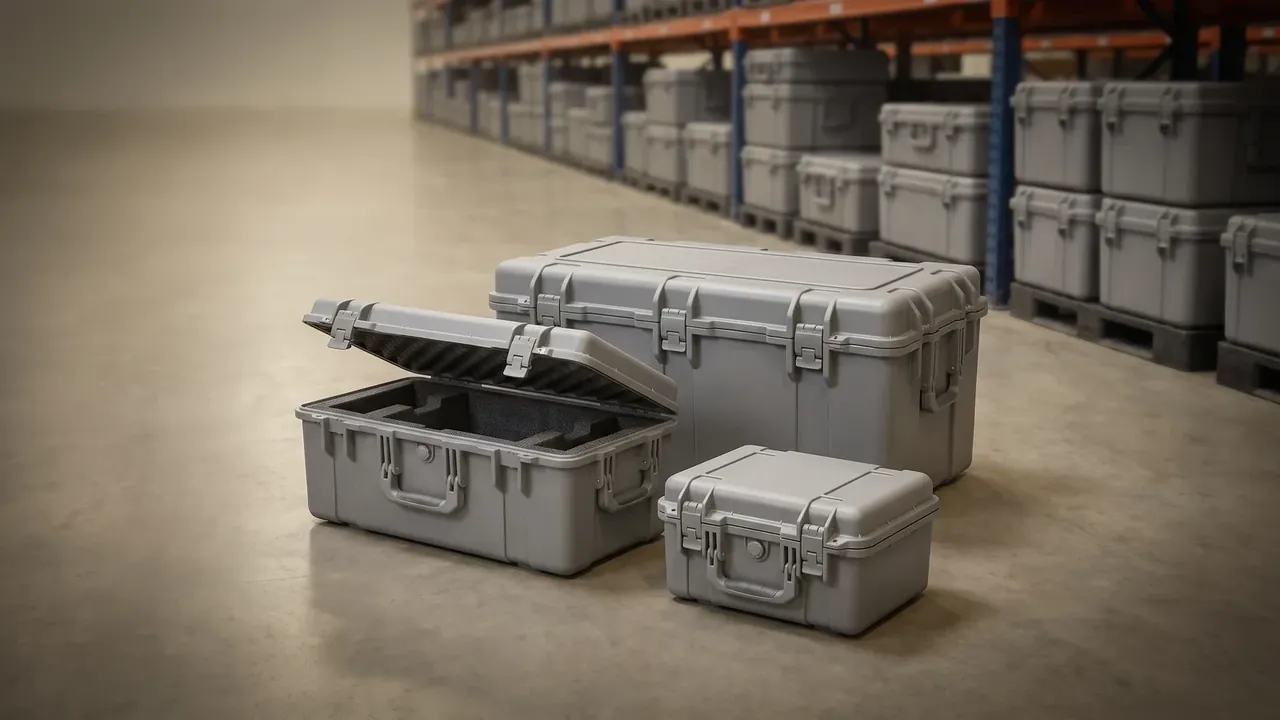
Stress whitening is the signal most often misread. A band up to 15 mm at a struck corner is polyethylene yielding, so record it and continue. Past 15 mm with fine lines it joins the watch list at 200 cycles. A through-crack over 30 mm retires the case; welding is only for grooves that have not gone through.
Wall thickness is read at five fixed points, four corners plus the middle of the long side. A new 6.0 mm wall moves to observation at 5.4 mm and is rejected below 4.8 mm. Latch and hinge pins follow a metal rule: 96 hours of salt spray, any rust means replacement.
3. Gaskets and valves: read the pressure drop
Sealing is judged on a gauge, not feel. Seal every opening except the valve, pull to -15 kPa, hold 5 minutes, accept a rise under 1.5 kPa. On failure, check the groove for grit, then the O-ring, the gasket last.
The valve is the most neglected part. O-rings change on a 24 month cycle at about Shore A 70; harder seals leak, softer ones get drawn into the body. Apply silicone grease as a thin film only. Rim contact is checked with a 0.3 mm feeler, which should not enter anywhere.
4. Latches, hinges and moulded-in inserts
Hardware thresholds on a Military Rotomolded Case must be measurable on the bench. A latch is judged on over-centre travel: a new latch beds down 1.8 mm past the toggle, and at 0.8 mm the lid is thrown open in a drop, so the latch goes rather than the case. Hinges are judged on pin play, past 0.5 mm the lid rocks and wears one end of the gasket.
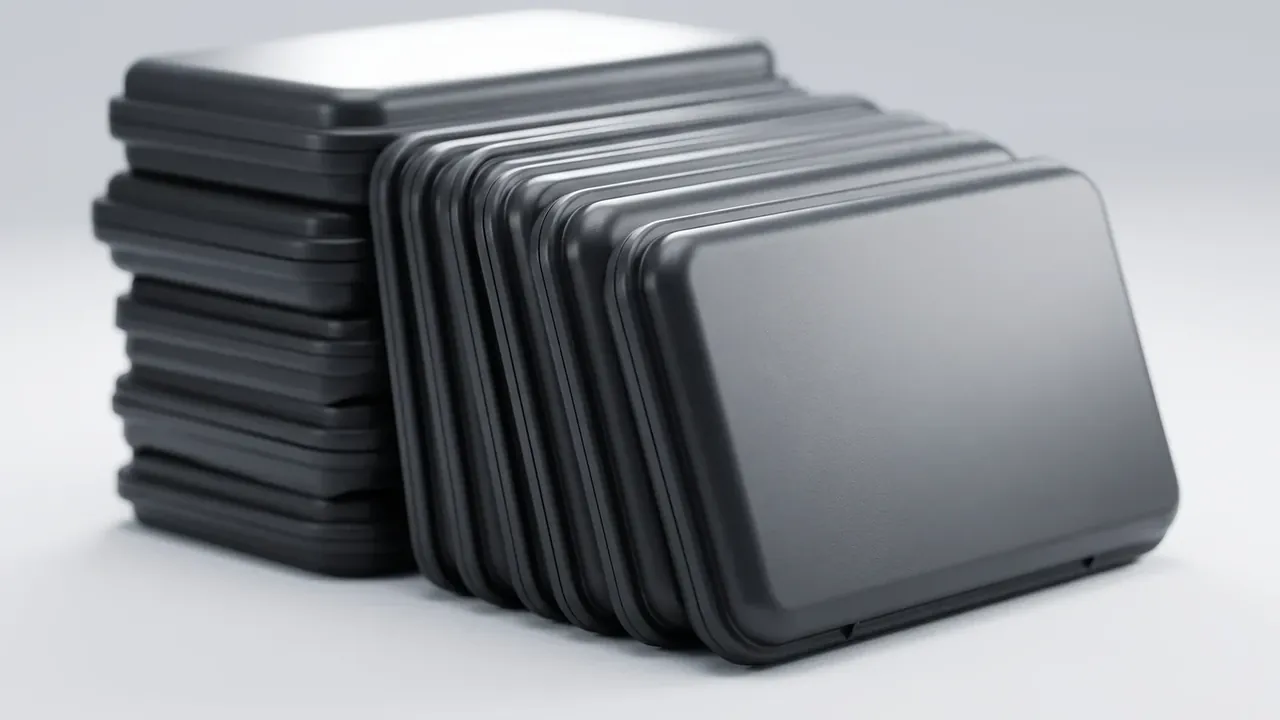
Moulded-in inserts are the weak point of rotomoulded parts. Assembly torque is held at 5.5 N·m; above that the plastic yields first. Once an insert spins, that point is written off and moved to a larger washer. Threads get a molybdenum disulphide coat every 12 months to ease removal after salt spray. Stripped shells stack two piles by size, rims down.
5. Repair level and the replacement table
One sheet of thresholds keeps crews and repair shops on the same line.
| Part | Observe | Replace part | Retire case |
|---|---|---|---|
| Shell | Band under 15 mm | None | Through-crack over 30 mm |
| Wall, nominal 6.0 mm | 5.4 mm | None | Below 4.8 mm |
| Seal | Drop near 1.5 kPa | Drop over line after cleaning | Rim distortion |
| Latch | Travel 1.2 mm | Travel under 0.8 mm | Seat cracked |
| Insert | Torque at 4.5 N·m | Spins or strips | Three points failed |
A ledger rule sits outside the table: retire the case when three-year repair spend passes 35 percent of a new price, or after two structural repairs. It blocks repeated welding and gives procurement a forecast.
Conclusion
Good care is not about how brightly the body polishes, but whether checks hang on real usage and every replacement line is written down. Each part carries an observation and a rejection line, so action starts at the threshold. Post the table in the repair shop and Military Rotomolded Case care stops depending on the shift.
This article discusses only the container (case body) side of specifications and design intent, and does not cover any handling, loading or use of the contents.
Related Reading
- Cold embrittlement and seal failure
- Rotomolded case care: checks and lines
- Acceptance criteria for a Military Rotomolded Case
- Rust removal cycles for metal boxes
Related Products
- 8 Series — Gun Cases; Military Equipment Cases; Camera Equipment Cases; Drone Cases; Watch Cases; Knife Cases; First Aid Cases; Electronics Equipment Cases
- WL8-2812 PP Gun Case — model WL8-2812
- All protective cases and toolboxes: 7 series, 158 models