

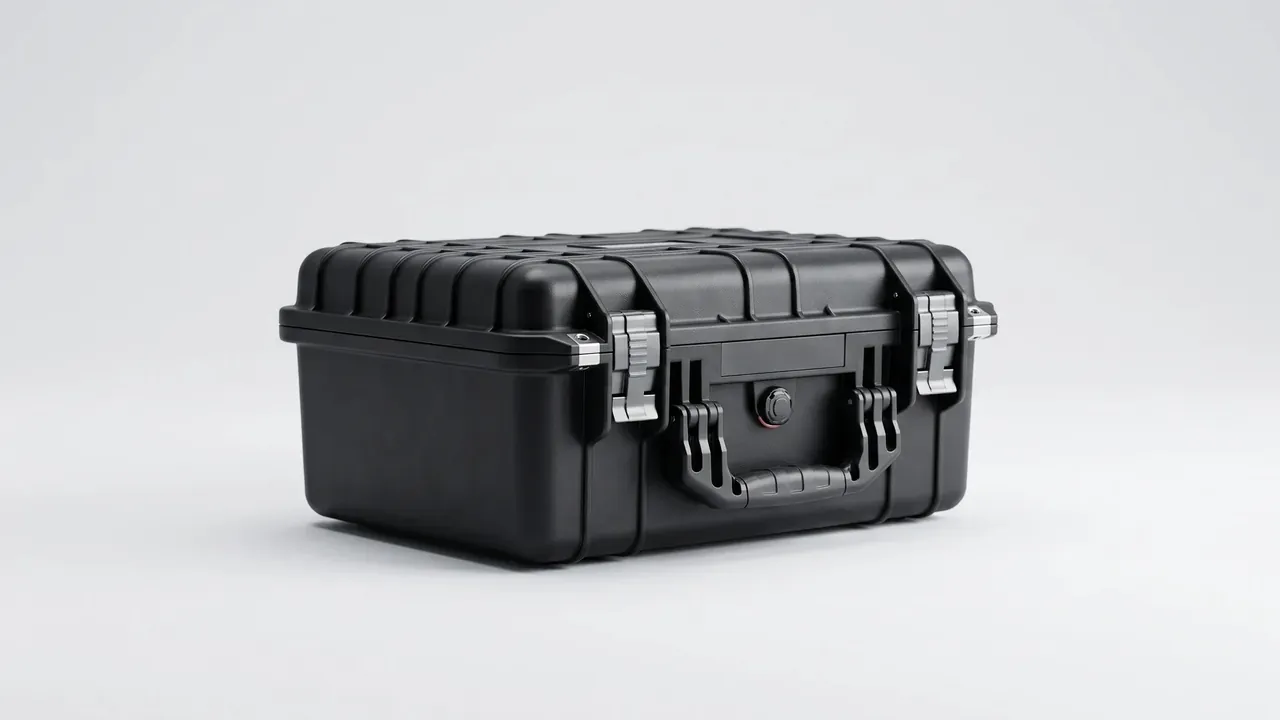
Quick answer: In a logistics support system, the transport case's value is not "how much it holds" but participating in the whole chain as a standardized logistics unit: standardized stowage (one case, one list), standardized handover (seals plus numbering), and standardized stacking/transport (uniform modules and load zones). By node, it serves four legs — storage (stacking and inventory), transport (module-based loading), distribution (issue against list), and forward positions (fast access and recovery). This article covers the container's systemic use only.
Table of contents
- From "container" to "logistics unit"
- The case's role at four nodes
- Standardization: where system efficiency comes from
- Connecting cases to information systems
- Common breakpoints in systemic use
- FAQ
1. From "container" to "logistics unit"
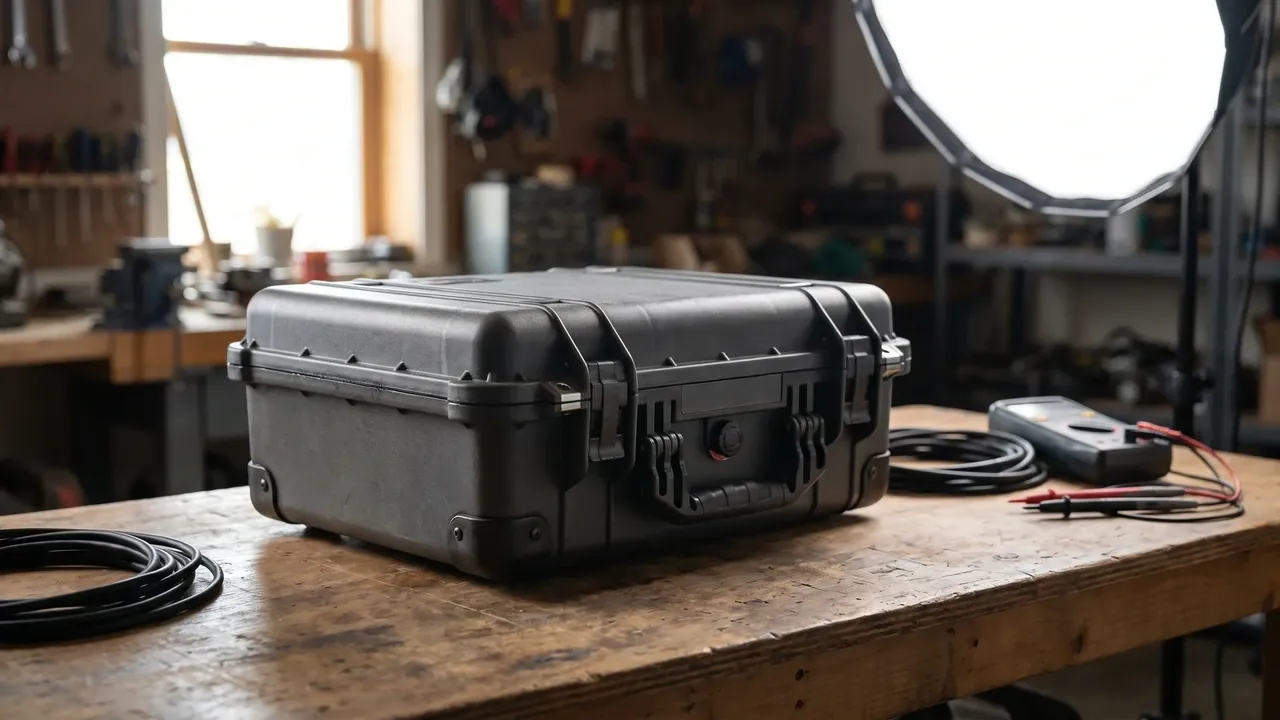
Seen alone, a case is a container; seen inside a logistics system, it is the smallest information-carrying logistics unit — number, list, seal state and responsible person all attach to the case and travel with it.
The practical meaning of that shift: the bottleneck of logistics efficiency is usually not stowage but information loss at handovers — every change of hands forces a re-confirmation of state. A standardized case reduces that cost from "count item by item" to "verify seal and number," which is the single largest value the case brings to the system.
2. The case's role at four nodes
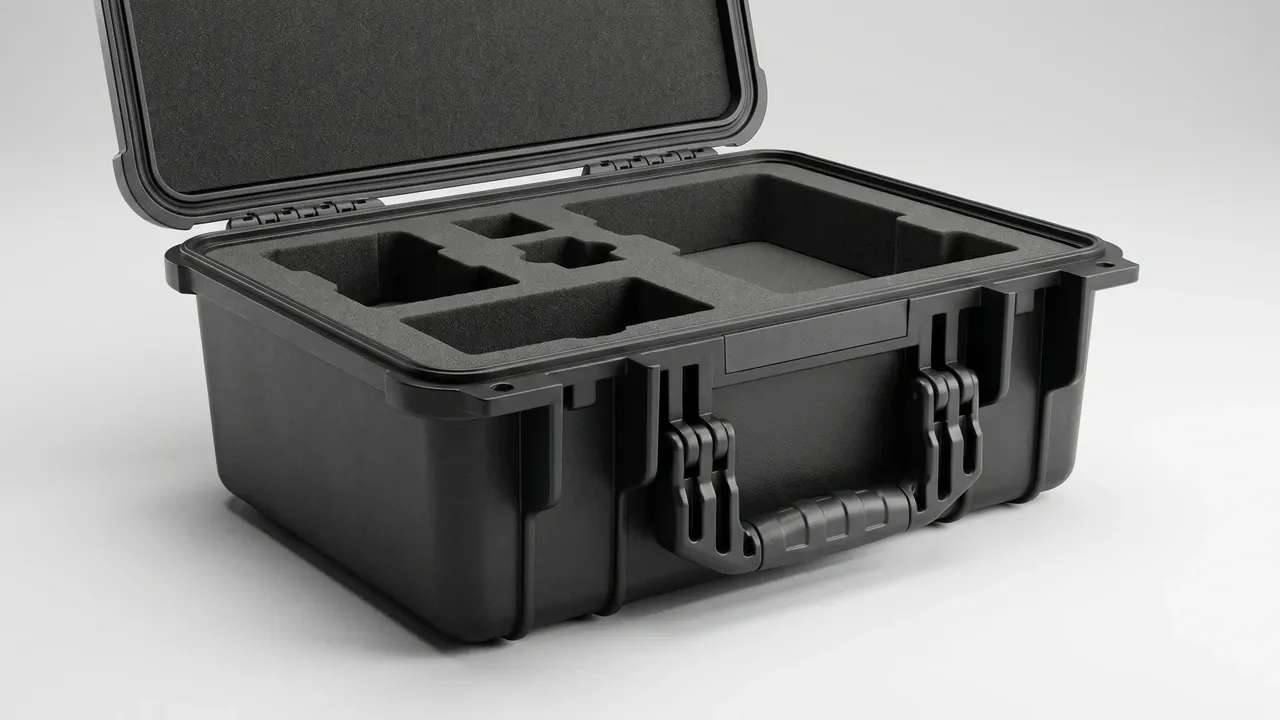
Storage node: cases stack by module with layer counts set by static load; numbers map to bin locations, and inventory is taken at case speed. Stack discipline and mark legibility are the keys here.
Transport node: cases load by module with straps on load-bearing zones; across modes (road to rail to air), module-compatible cases avoid re-handling — the biggest single lever on transport efficiency.
Distribution node: issue against list — an intact seal allows receipt on the handover slip, then item checks against the list; the case acts as a mobile acceptance document.
Forward node: fast access and recovery — itemized inserts make both draw and return traceable; empty cases ride the return leg, closing the loop.
3. Standardization: where system efficiency comes from
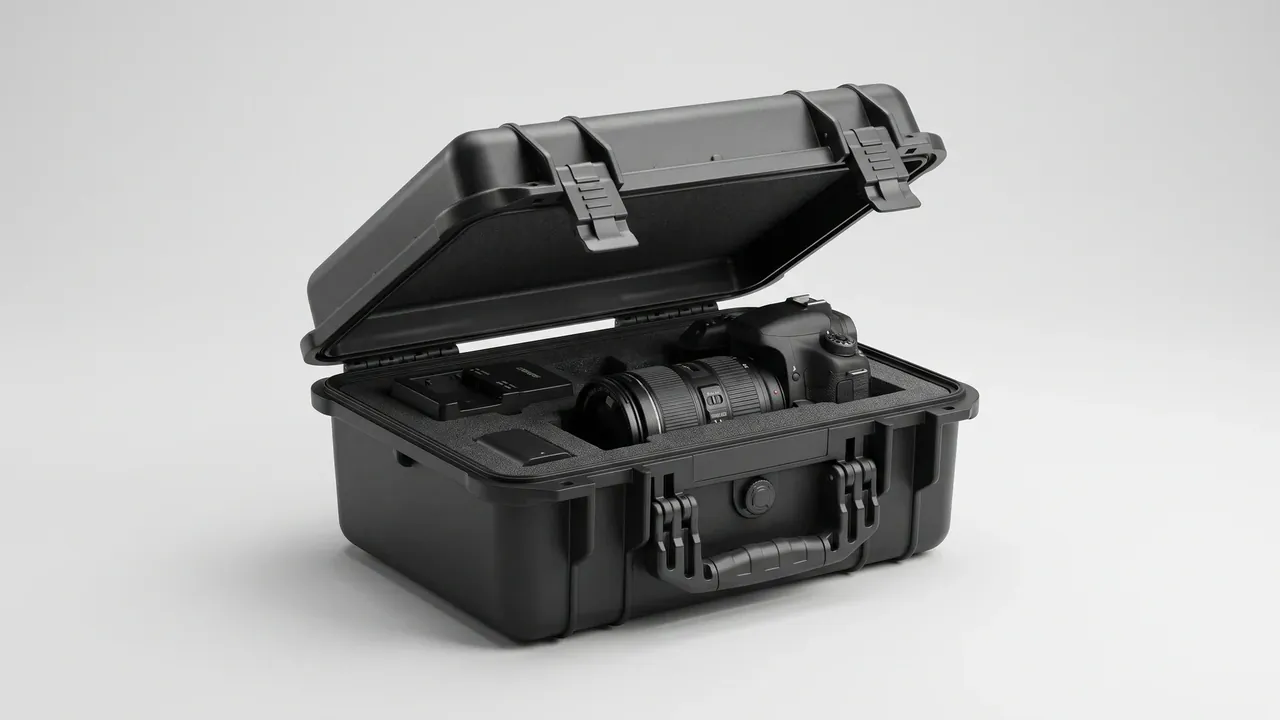
System efficiency comes from three standardizations:
- Dimensional: a few module-compliant case types cover most goods, simplifying stacking, loading and bin planning;
- Interface: uniform tie-down points, seal points and marking fields let different cases flow through one process;
- Information: one numbering rule and one list format, so any node's staff can hand over by the same rules.
The anti-pattern is "one case per item": as case types multiply, spares, management and stacking complexity grow exponentially. Spec convergence is not a limitation — it is the design goal of a logistics system.
4. Connecting cases to information systems
The case is the physical carrier of information management; the tiers, from lowest investment:
- Numbers + paper ledger: lowest cost, fits small scale;
- Barcodes/QR: scan to hand over and count — the best cost-benefit balance;
- RFID: bulk long-range reads for high-frequency large stores;
- Sensor integration: humidity and opening records to the cloud for high-value or high-sensitivity chains.
Choose the tier by turnover frequency and per-case value, not by technology novelty. Most systems get their main gains at tier two; jumping to tier four before numbering is even unified is the classic informatization trap.
5. Common breakpoints in systemic use
- Inconsistent numbering: each node invents its own, and the chain breaks when cases cross nodes;
- Sealing as ritual: seals exist but no registration, so a broken seal cannot assign responsibility;
- Modules failing at the last mile: trunk legs standardized, then the final leg ships loose and destroys the efficiency;
- No empty-case recovery: return legs run empty while cases quietly disappear from the fleet;
- Cases over data: managing boxes without data delivers half the systemic value at best.
Conclusion
Systemic use of transport cases means upgrading containers into standardized logistics units: dimensional, interface and information standardization let cases flow through the chain at low cost; the four nodes each take what they need; and information systems stack from number to barcode to RFID to sensors. System efficiency never comes from one better case — it comes from consistency between cases.
This article covers the container's systemic use only. It does not cover anything about the handling of items placed inside.
Related Reading
- How to Choose a Military Supply Transport Case: Volume, Load and Handling
- Logistics Support Box: Modular Resupply Configuration
- Transit Cases: Reusable Equipment & Instrument Protection
Related Products
- 8 Series — Gun Cases; Military Equipment Cases; Camera Equipment Cases; Drone Cases; Watch Cases; Knife Cases; First Aid Cases; Electronics Equipment Cases
- WL8-2812 PP Gun Case — model WL8-2812
- All protective cases and toolboxes: 7 series, 158 models