

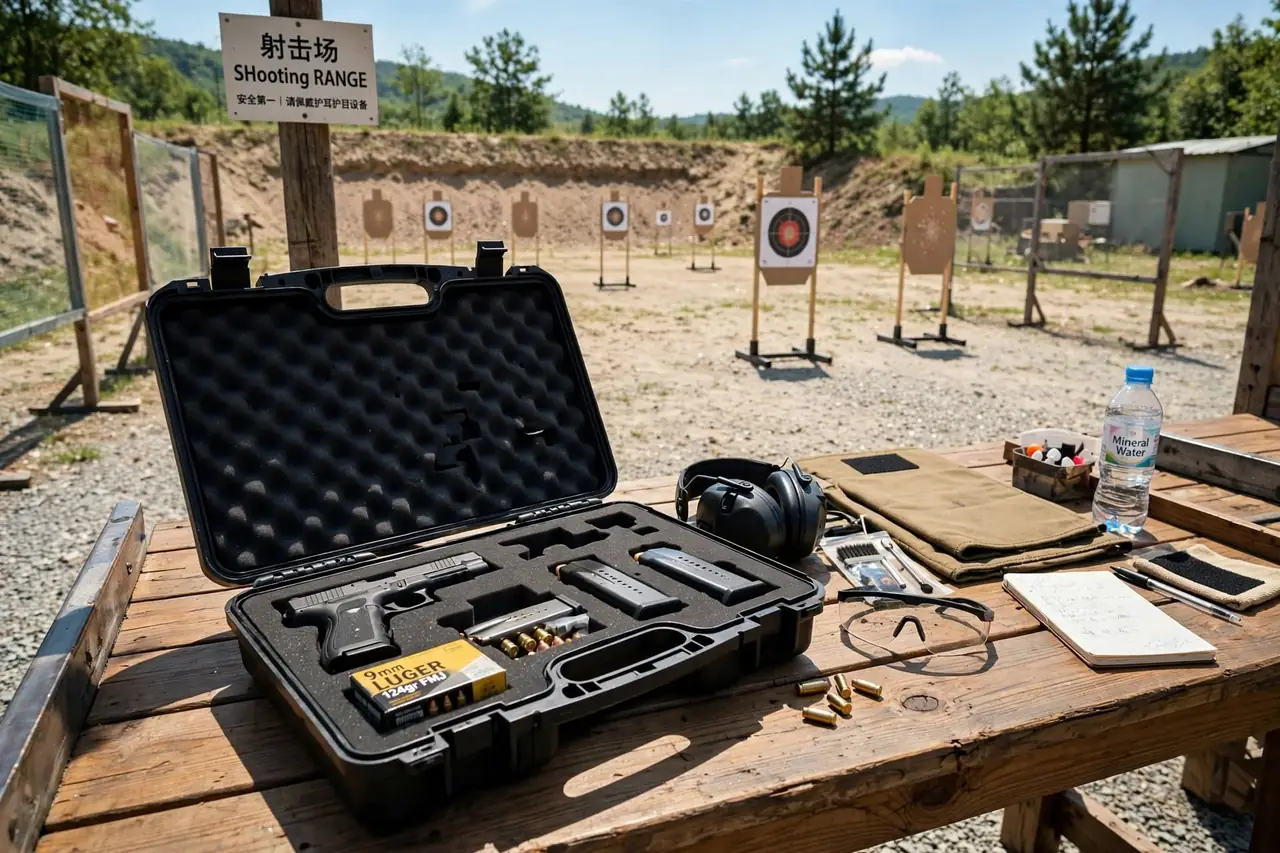
Quick answer: A pistol case — a rigid container for storing and carrying short-frame items — is configured very differently for agency issuance versus civilian use. Agency scenarios prioritize inventory efficiency, numbering and controlled access: CNC compartment inserts, padlock loops and silkscreened numbers. Civilian scenarios prioritize portability, single-item protection and compliant transport: full-form cut foam, lightweight shells, and a TSA lock when flying. Choosing in the wrong direction means paying for capabilities you will not use — or missing the one that matters.
Table of contents
- The underlying difference between the two scenarios
- Agency and law-enforcement use: management first
- Civilian and sport use: portability first
- Air transport: a special branch
- Configuration quick-reference table
- FAQ
1. The underlying difference between the two scenarios
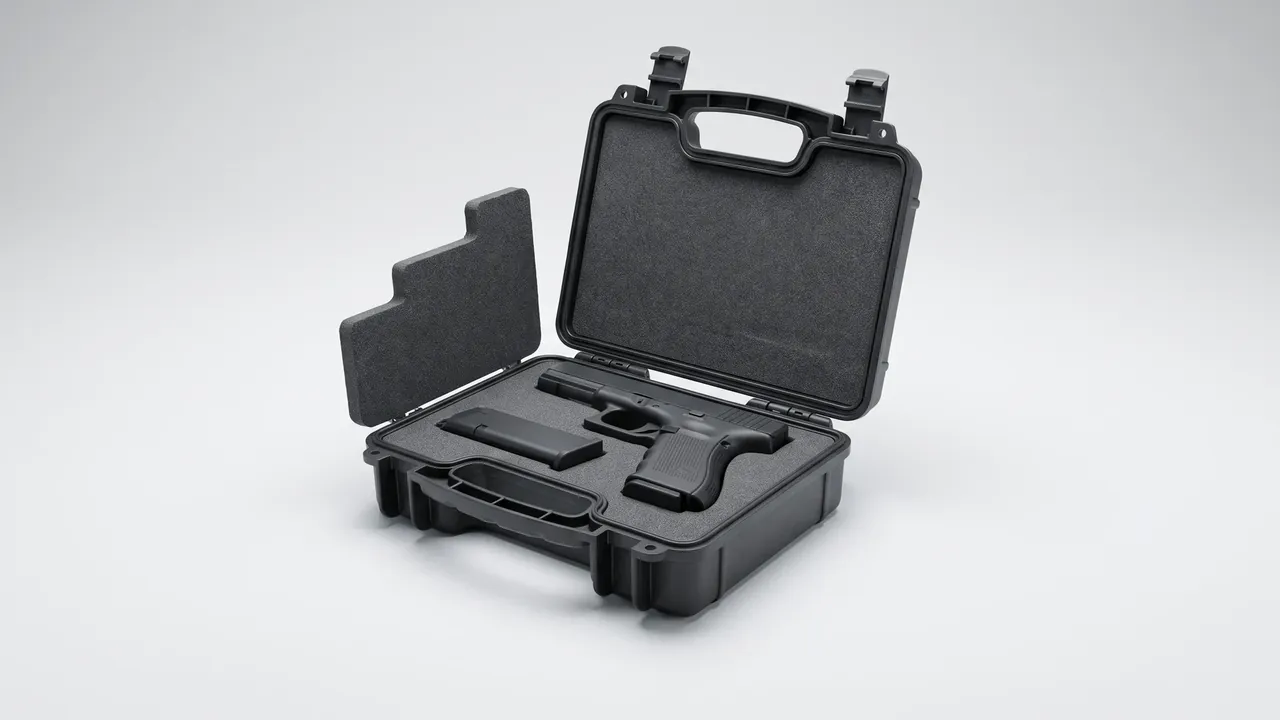
A pistol case is a rigid protective container whose job is to position contents, prevent impact damage, block dust and moisture, and control opening. The difference between agency and civilian use lies not in the box but in the management model: agencies treat the case as a node in an asset chain (who took it, when it returns, whether counts match), while individuals treat it as a carry tool (pack once, take it out when needed).
Once you see that, selection stops being "which is better" and becomes "which management model am I configuring for."
2. Agency and law-enforcement use: management first
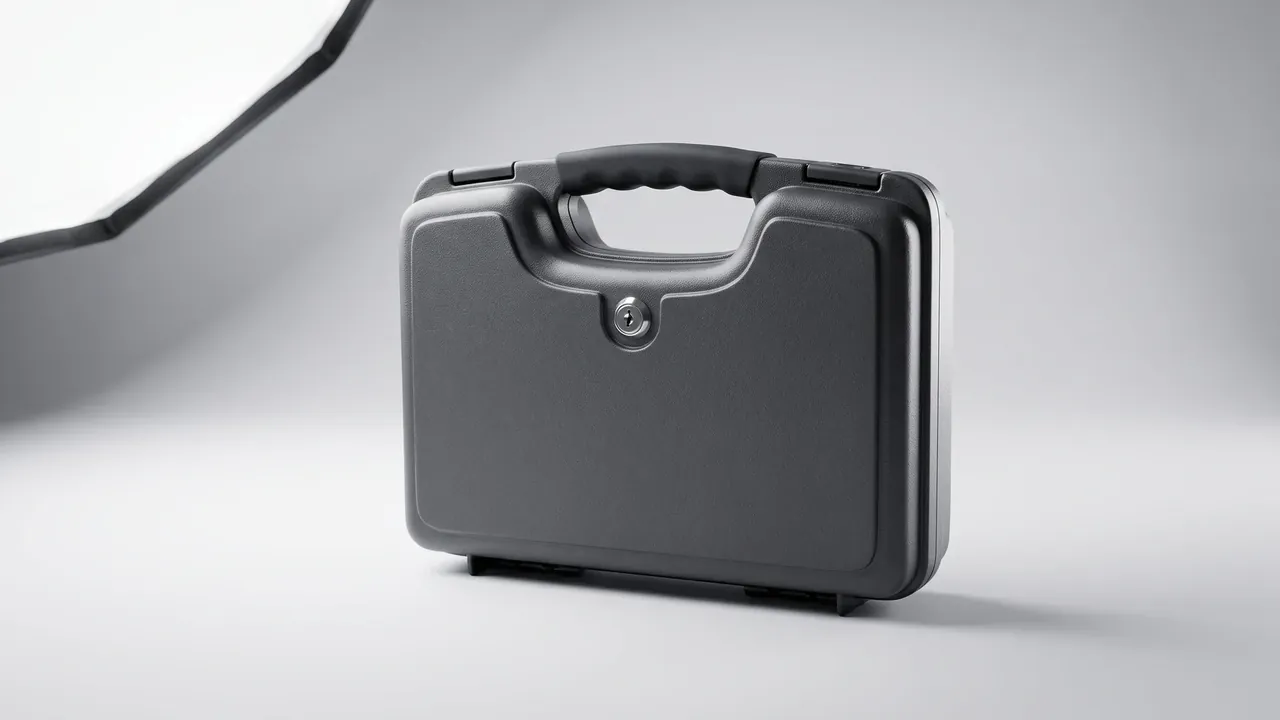
Issuance scenarios mean high counts, frequent check-outs and individual accountability. The case is configured around three points:
- Compartmented positioning inserts: one slot per item; opening the lid reveals the count instantly, and a missing item is visible at once — the core of management efficiency.
- Numbering and marking: silkscreened unit numbers, serial numbers and user fields, tying case, contents and person to a ledger.
- Controlled locking: drawbolts with padlock loops or combination locks; keys and codes managed by tier, with opening logged.
In this scenario avoid optimizing for weight — the shell must survive warehouse stacking and constant handling, so rigidity comes first.
3. Civilian and sport use: portability first
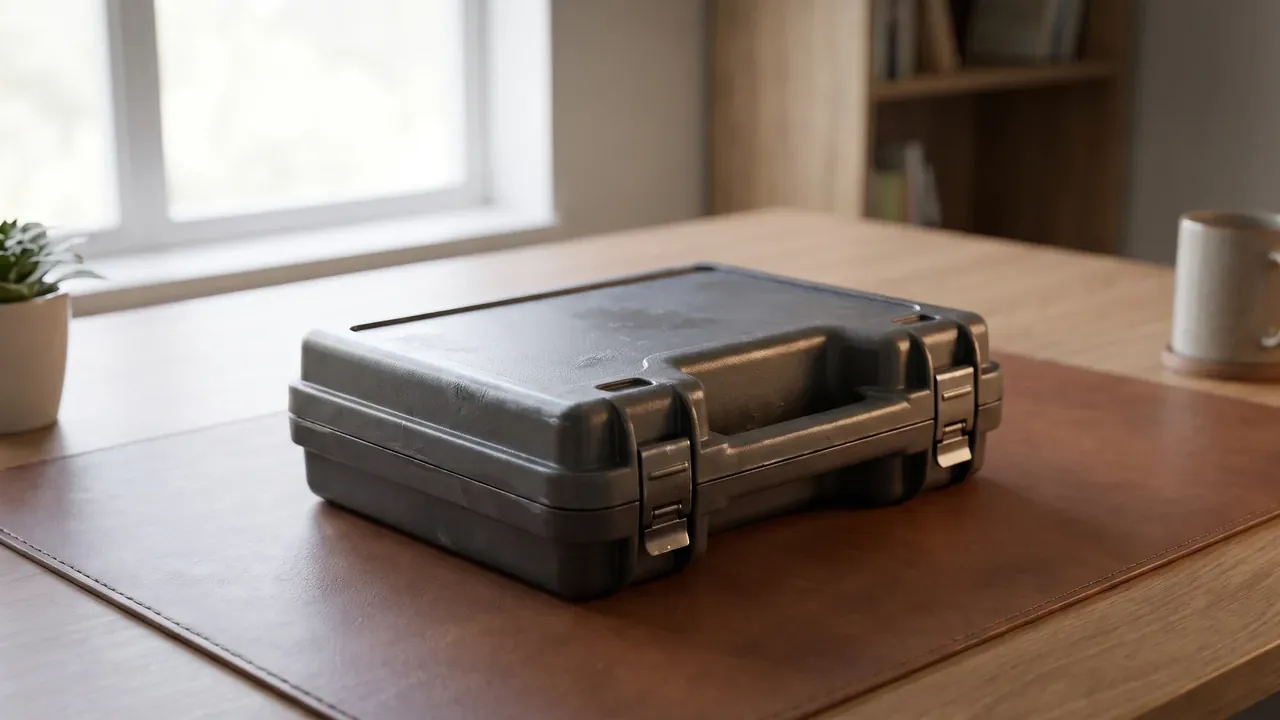
Personal use means single items, short trips and frequent movement, so the configuration shifts:
- Full-form cut foam: cut for the fixed contents; no compartment counting needed, which lowers insert cost.
- Lightweight shell: injection-molded PP or ABS is sufficient for personal-duty strength; weight directly affects the carrying experience.
- External details: ergonomic handle, shoulder-strap mounts, a low-key finish — nearly irrelevant for agency procurement, high-weight for individuals.
The most common civilian mistake is copying agency-grade configuration and paying for compartment counting and numbering systems that will never be used.
4. Air transport: a special branch
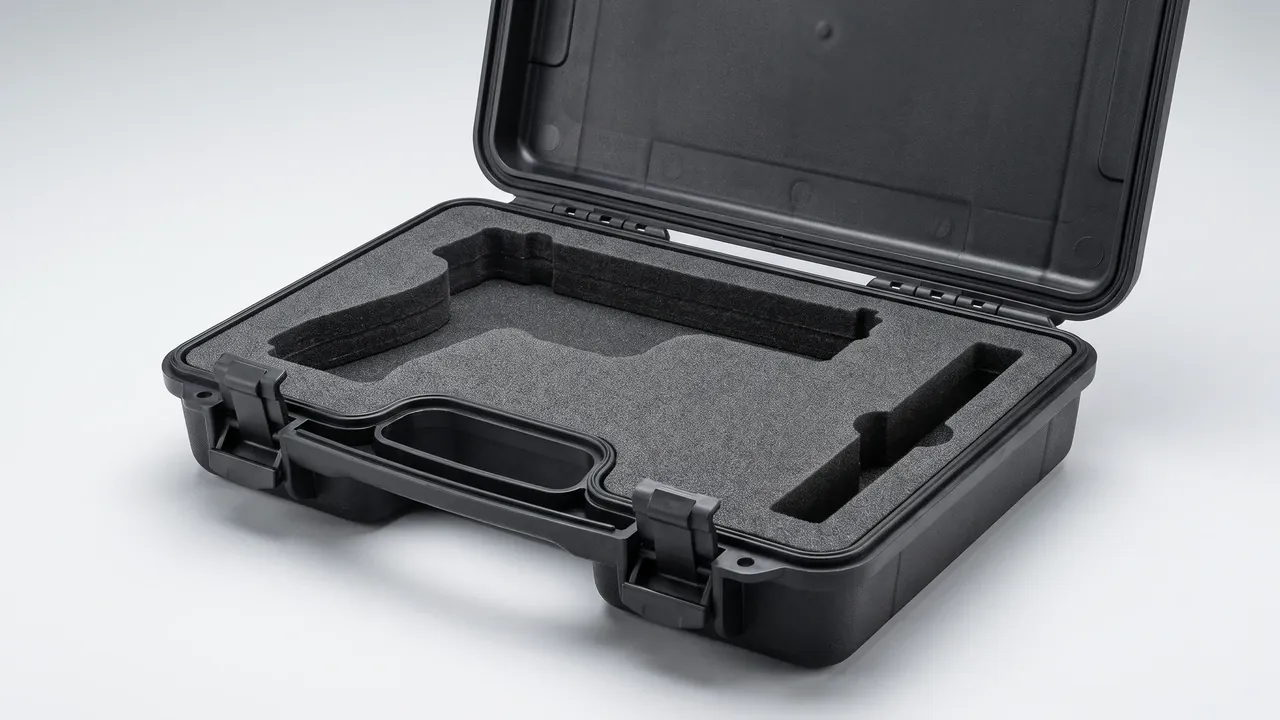
Air transport is a special condition both scenarios may face. The case should satisfy:
| Requirement | Reason |
|---|---|
| TSA combination lock | US-bound inspectors open with a universal key, avoiding forced entry |
| Hard shell + gasket | Checked-baggage drops and stacking are uncontrollable |
| Pressure-relief valve | Equalizes pressure at altitude, protecting the gasket |
| Two-point locking | Prevents a single latch from popping open in a drop |
Note that civil aviation authorities and destination countries each have their own declaration and packaging rules for firearm-type items; the case is one link in a compliance chain. Confirm current requirements with the carrier before departure.
5. Configuration quick-reference table
| Configuration | Agency issuance | Civilian carry | Air transport |
|---|---|---|---|
| Insert | CNC compartments + counting | Full-form cut | Full-form cut + reinforced base |
| Locks | Padlock loops / combination | Drawbolts suffice | TSA lock + two-point locking |
| Shell | Rigidity first | Weight first | Hard shell + gasket + relief valve |
| Marking | Silkscreened numbers | Not required | Luggage information card slot |
| Cost logic | Management efficiency | Carry experience | Compliance and safety |
Conclusion
A pistol case is not "the more advanced the better" — it should follow the management model: agencies configure for management efficiency, individuals for carry experience, air transport for compliance and conditions. Decide which chain the case serves, then pick from the quick-reference table; you will neither pay for unused features nor miss a critical one.
This article discusses the configuration of the container only. It does not cover the handling, loading or use of any items placed inside.
Related Reading
- What Is a Pistol Case: Structure and Protection Principles
- How to Choose a Pistol Storage Case: Lock Levels and Size Matching
- Military Firearm Case vs Ordinary Storage Box
Related Products
- 8 Series — Gun Cases; Military Equipment Cases; Camera Equipment Cases; Drone Cases; Watch Cases; Knife Cases; First Aid Cases; Electronics Equipment Cases
- WL8-2812 PP Gun Case — model WL8-2812
- All protective cases and toolboxes: 7 series, 158 models