

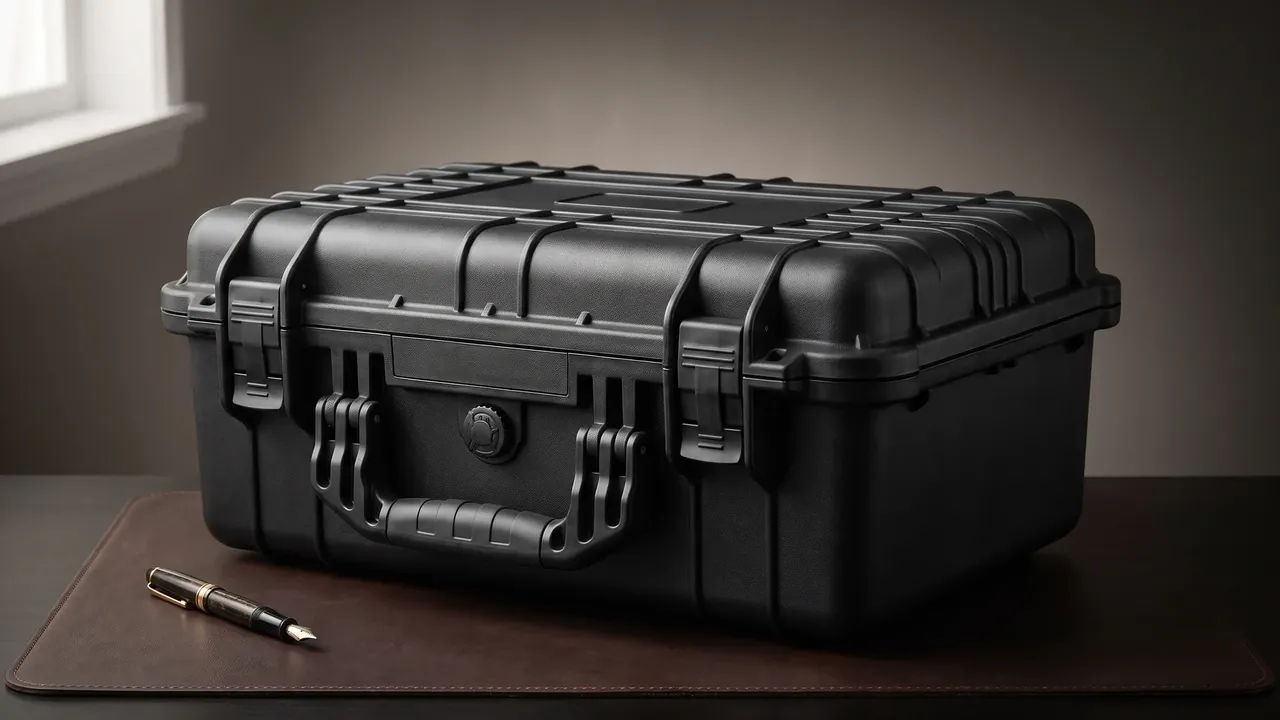
Quick answer: A pistol case is a rigid protective container for storing and carrying short-frame items, built from five parts: shell, sealing system, insert, locking mechanism and marking area. Its protection logic fits one sentence — the rigid shell resists external impact, the gasket blocks moisture and dust, the insert keeps contents from shifting, and the lock controls who can open it. Understanding what each part does lets you judge the engineering grade of any case in minutes.
Table of contents
- Definition: where it sits in the container taxonomy
- Structure: the five parts
- Protection principles: four layers
- Common misconceptions
- Three checkpoints to judge engineering grade
- FAQ
1. Definition: where it sits in the container taxonomy
Within container categories, a pistol case belongs to the hard protective case family, short-cavity branch, alongside long-gun cases and general protective cases. Its proportions are dictated by content shape: short, flat, mostly single items — hence a low, lid-style structure whose internal height is clearly smaller than its length.
To be explicit: a pistol case is a container. This article covers its structure and protection design, not the handling or use of items placed inside. That boundary is also the acceptance boundary in procurement — you are inspecting container performance, not contents.
2. Structure: the five parts
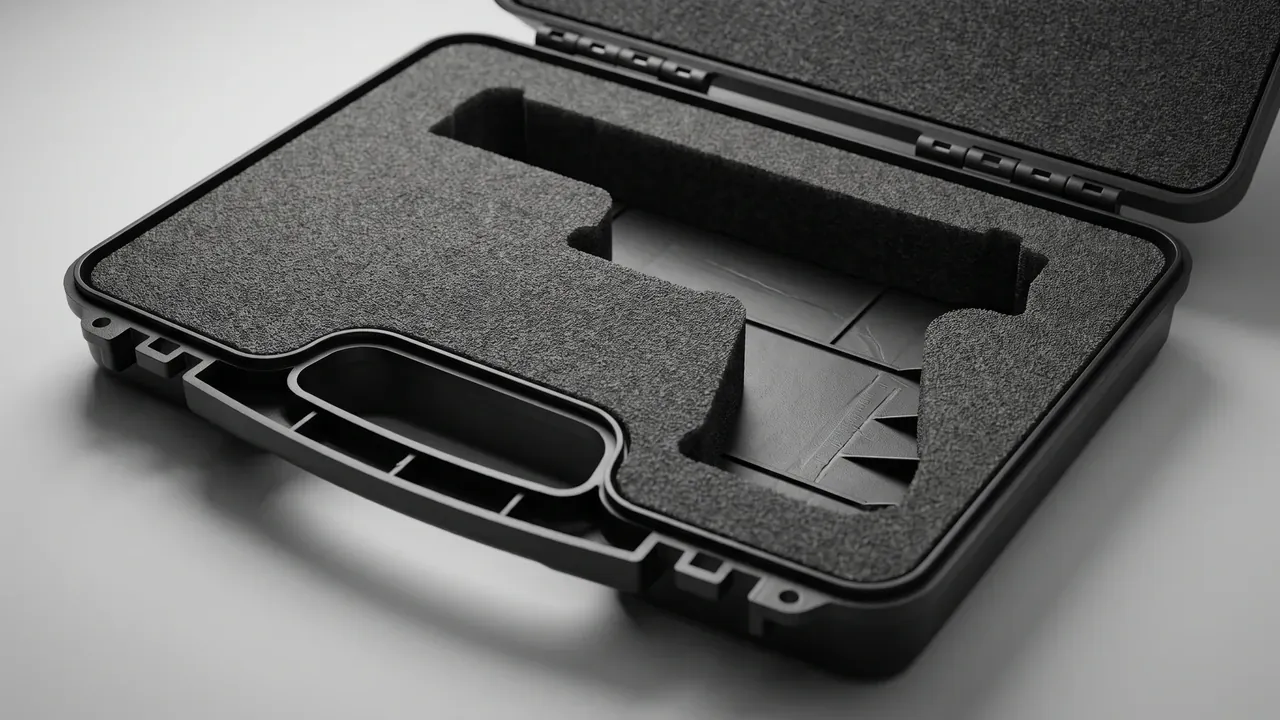
| Part | Composition | Function |
|---|---|---|
| Shell | PP / ABS injection molding, or roto-molded PE | Impact and compression resistance, base form |
| Sealing system | Foam gasket + groove (pressure valve on some models) | Blocks moisture and dust, equalizes pressure |
| Insert | EVA / PE / PU foam, CNC-cut or egg-crate | Positions contents, cushions |
| Locking | Drawbolts + padlock loops / combination / TSA lock | Keeps closed, controls opening |
| Marking | Silkscreen area, number plate, card slot | Asset identification and management |
Of the five, the insert and the sealing system are the invisible, valuable pair — they decide whether the object is a box that closes or a true protective container.
3. Protection principles: four layers
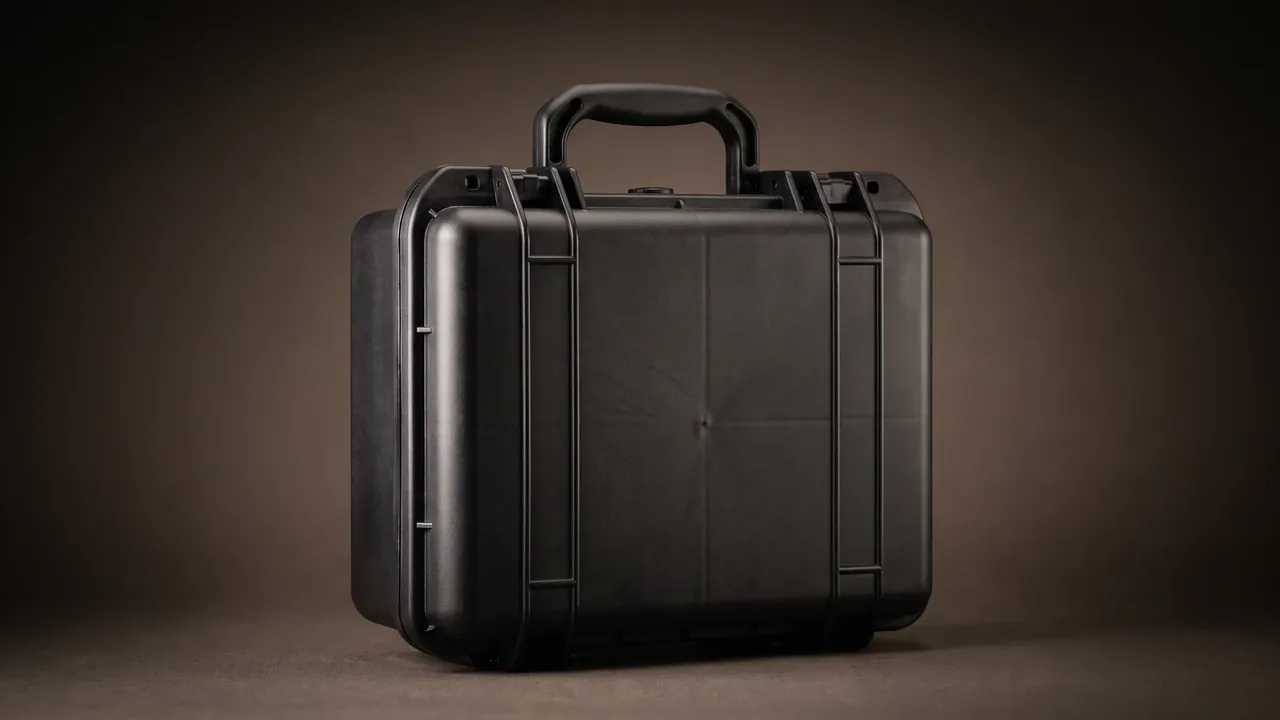
Protection works in four progressive layers, each addressing one class of risk:
- Impact resistance (shell layer): drop and collision energy is absorbed by shell deformation and rib structure — which is why transport-grade walls and rib layouts differ sharply from household bins.
- Cushioning (insert layer): residual energy that passes the shell is absorbed a second time by foam; the cut-outs simultaneously limit movement. Cushioning and positioning are two jobs of one foam block.
- Barrier (sealing layer): the gasket cuts the moisture and dust path, working with a desiccant against slow ingress in long-term storage.
- Control (locking layer): locks do not improve physical protection; they decide who can open, and work with ledgers and seals in a management chain.
The layers are independent yet interdependent: an aged gasket kills layer 3, a collapsed insert kills layer 2 — any single layer failing voids the whole protective promise.
4. Common misconceptions
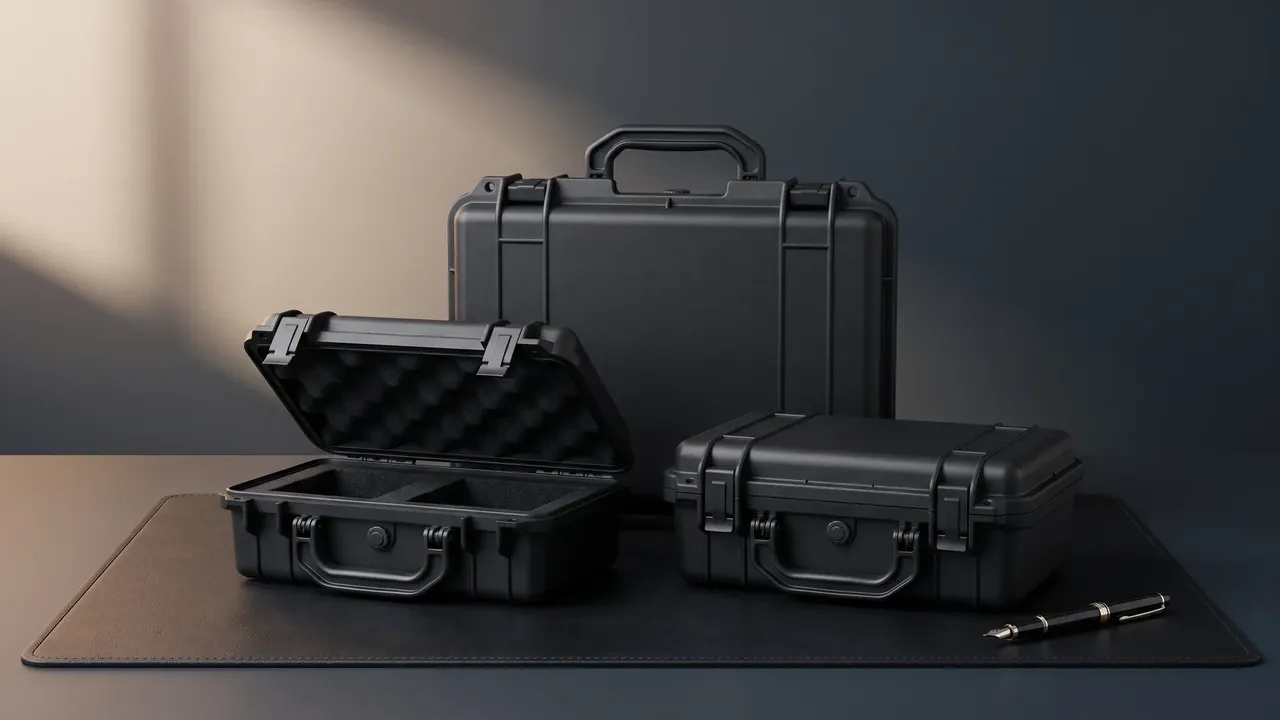
- "Harder shell = better protection." An overly rigid shell transmits impact instead of absorbing it; the design target is a balance of toughness and stiffness.
- "A gasket means waterproof." A gasket needs a matching groove and compression; IP ratings are type-test results. Degradation with age is normal life behavior, not false labeling.
- "More locks = safer." Locks address controlled opening, not pry resistance; two well-placed locks beat a pile of them.
- "The insert is just a pad." It cushions and positions at once; a flat egg-crate cannot substitute for form-cut slots.
5. Three checkpoints to judge engineering grade
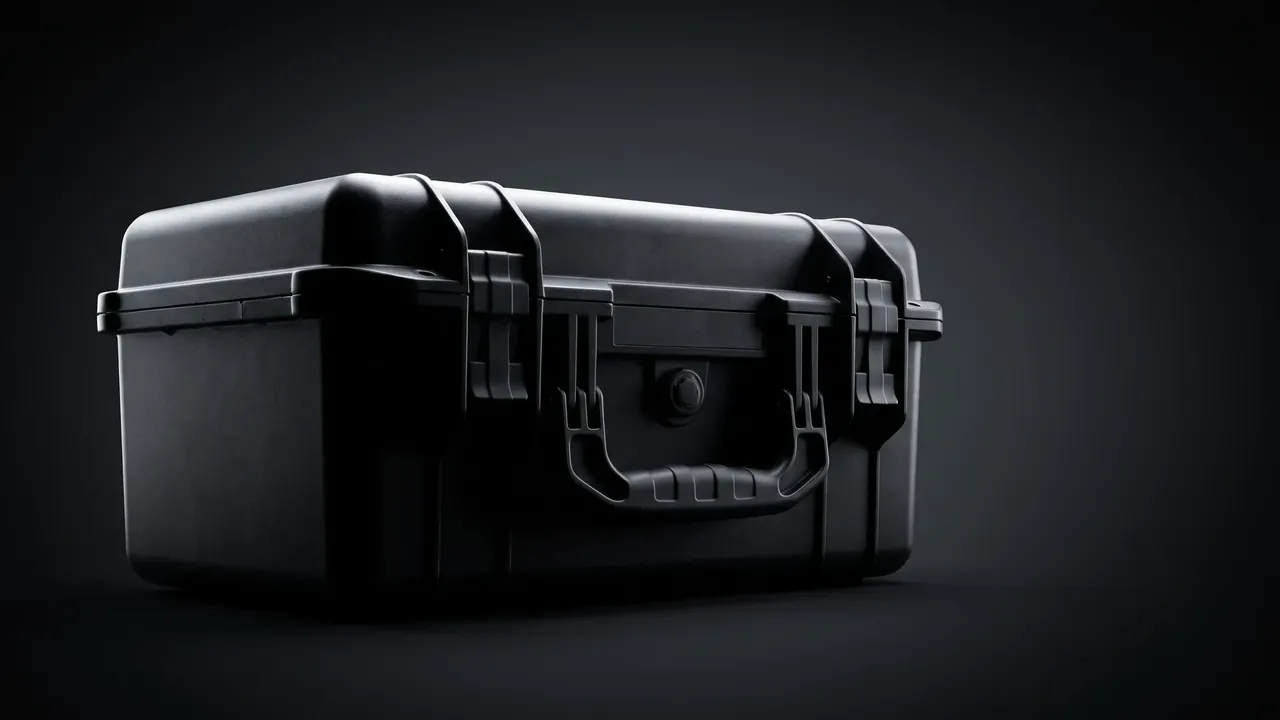
Three checks, no instruments needed:
- Lid lip: a continuous gasket groove with a fully seated gasket — judges sealing grade.
- One open-close cycle: latches should return with clear pressure; hinges should not be loose — judges hardware life.
- Press the insert: quick rebound and slots matching the content shape — judges insert grade.
All three passing usually indicates transport-grade. Any one clearly weak should downgrade the case in your shortlist or trigger a replacement request.
Conclusion
A pistol case is a protective container in which five parts work together: the shell resists impact, the insert cushions and positions, the seal blocks moisture, the lock controls opening, and markings serve management. Once you grasp the four-layer logic, buying becomes a structural inspection rather than a looks contest — check the lid lip, the hardware and the insert, and you will know the real grade within minutes.
This article covers the container's structure and principles only. It does not cover the handling, loading or use of any items placed inside.
Related Reading
- Pistol Case Applications: Agency vs Civilian Configuration
- How to Choose a Military Firearm Case: Four Hard Metrics
- Protective Case Stacking Guide: Warehouse Stacking Safety… (category page)
Related Products
- 8 Series — Gun Cases; Military Equipment Cases; Camera Equipment Cases; Drone Cases; Watch Cases; Knife Cases; First Aid Cases; Electronics Equipment Cases
- WL8-2812 PP Gun Case — model WL8-2812
- All protective cases and toolboxes: 7 series, 158 models