

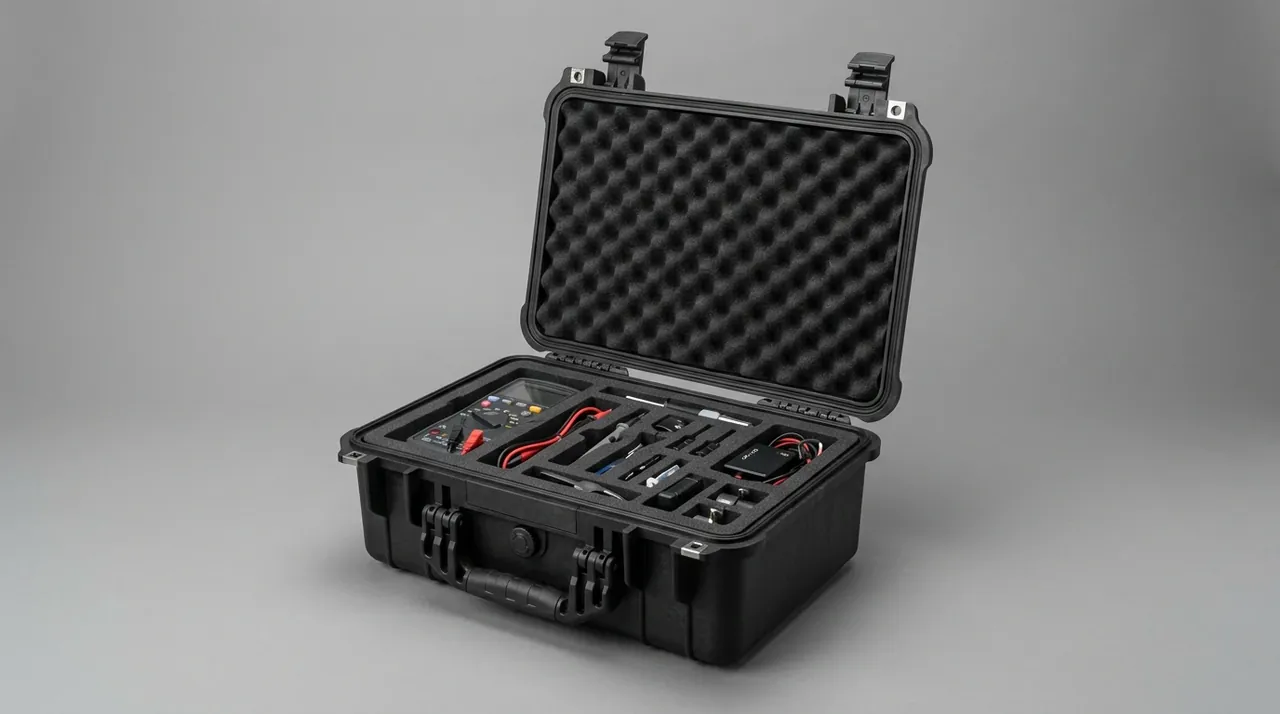
Quick answer: A storage case and a safe answer two entirely different risks: a case handles physical protection during handling and transport; a safe handles security and control at a fixed location. Three questions decide it: does the contents need to leave the premises? Is the premises itself access-controlled and monitored? Should the budget go to physical protection or to security structure? Mobile needs take the case; fixed, controlled premises take the safe; using both is the most common and most sensible arrangement.
Table of contents
- Different risk classes — not the same question
- Six-dimension comparison
- Three-question decision method
- The combined solution
- Common misuses
- FAQ
1. Different risk classes — not the same question
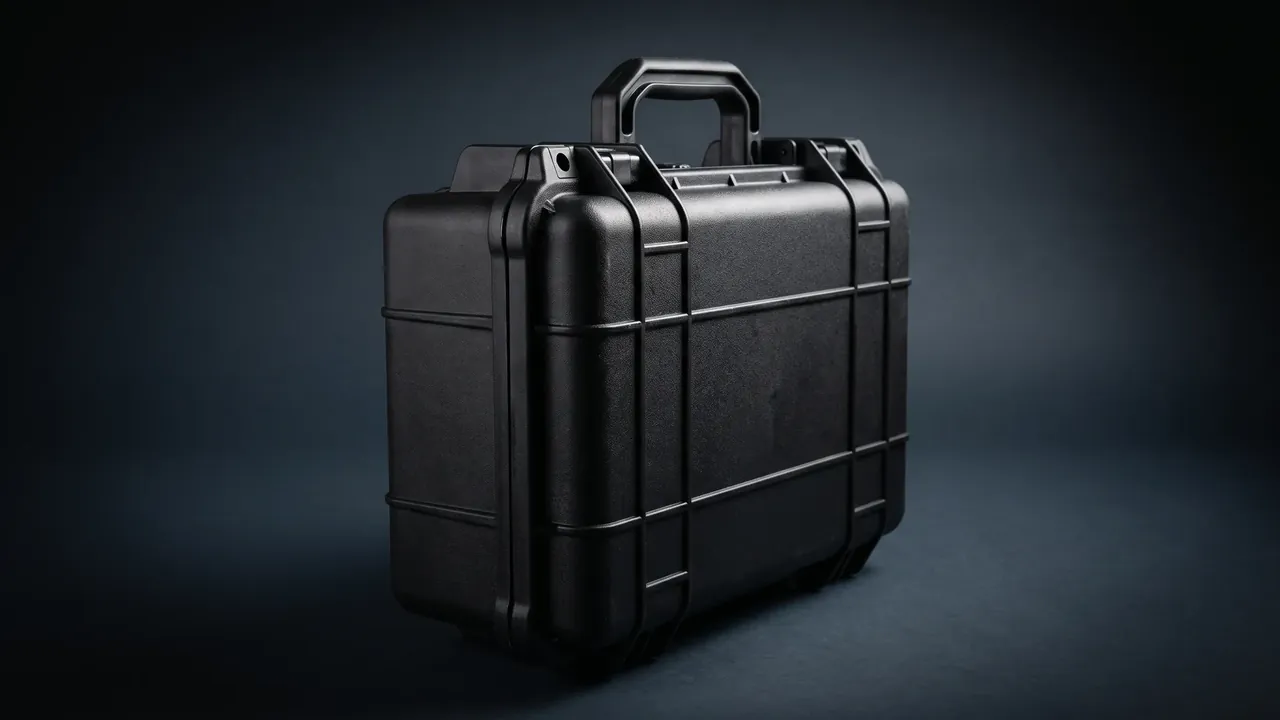
Correct a common bias first: many treat case and safe as a low and high configuration of the same thing. They are actually answers to two different risk classes:
- Physical risk (drops, crushing, moisture, dust) — the case's strength, solved by shell, gasket and insert;
- Security risk (unauthorized opening, entire unit carried away, management loss) — the safe's strength, solved by mass, anchoring, lock cylinder grade and access-control integration.
No case stops "someone walks off with the whole box," and no safe lets contents travel safely across a city. Identify the risk class first, then the form — the shared method behind every form comparison in this cluster.
2. Six-dimension comparison
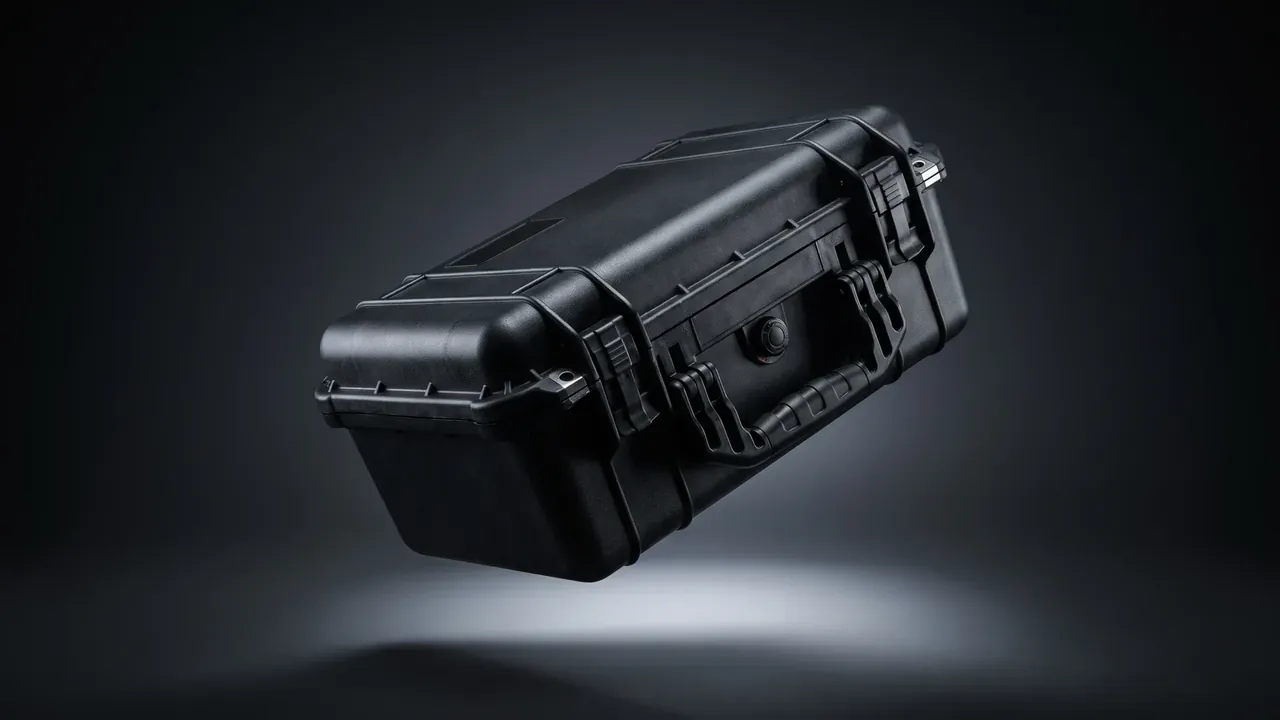
| Dimension | Pistol storage case | Safe |
|---|---|---|
| Primary risk | Physical impact, moisture, dust | Unauthorized opening, removal |
| Mobility | High | Very low (anchored or self-weighted) |
| Protection rating | Verifiable IP sealing | No IP concept; burglar rating instead |
| Lock logic | Keep closed + controlled opening | Resist covert entry + resist force |
| Cost structure | Material, insert, gasket | Steel thickness, lock cylinder, structure |
| Use scenario | Transport, field duty, temporary holding | Store, duty room, fixed holding |
Key conclusion: the two cannot be measured with one ruler. A case's core metric is protection while portable; a safe's is resistance while fixed.
3. Three-question decision method

Answer in order and the form locates itself:
Q1 — Does the contents need to leave the premises? Yes → the case is irreplaceable (a safe cannot travel). No → go to Q2.
Q2 — Does the premises have reliable access control and monitoring? Yes → case plus site security forms a complete solution. No → a safe is needed as the last line.
Q3 — Where should the budget go? Frequent movement → spend on case weight and protection. Fixed, long-term → spend on safe steel and lock cylinder.
Three questions settle most cases; the few middle cases (temporary holding at a field post) are exactly where case-plus-safe applies.
4. The combined solution
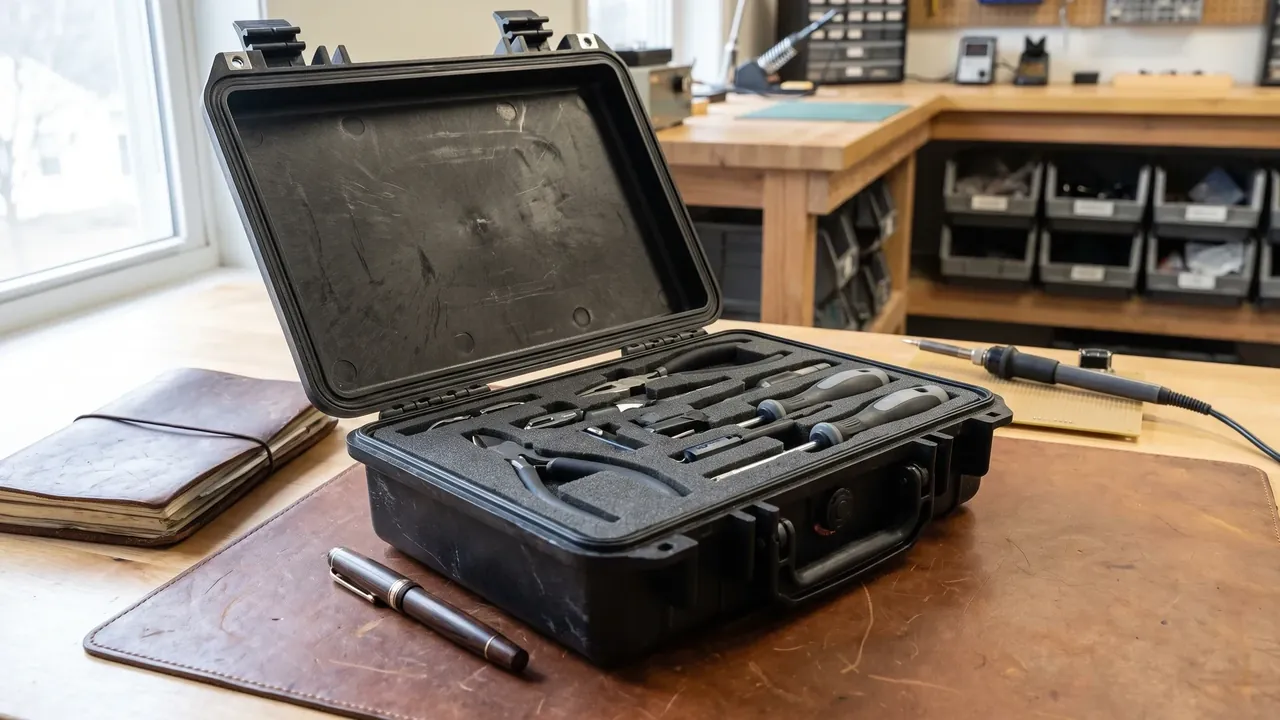
Mature programs use three elements:
- Safe as the fixed master store: high-grade security at a controlled site — where contents "come to rest";
- Case as the flow unit: the carrier between safe and point of use, with physical protection supplied by the case;
- Handover records: logged at the safe, sealed on the case, closing the loop of flow and security.
This division solves an often-missed problem: a safe's security ends at its door, a case's protection ends at the physical environment — the seam between them is where management most often breaks, and seals plus logs are what patch it.
5. Common misuses
- Using a case as a safe: leaving it in an unattended room voids the security premise;
- Using a safe as a case: buying a heavy unit for intercity transport, where freight and labour far exceed the benefit;
- Buying cases without a system: with no issue log, even strong protection cannot prove the contents were always there;
- Buying safes and ignoring environment: humidity-driven corrosion inside a safe has nothing to do with its burglar rating.
Conclusion
A pistol storage case and a safe are two different technical routes: physical protection and security control. The case solves "intact while carried"; the safe solves "controlled while parked." Decide the form with three questions, complete the chain by using both, and close the handover seam with seals and logs — that combination solves the real problem better than debating which product is superior.
This article compares container forms only. It does not cover anything about the handling of items placed inside.
Related Reading
- How to Choose a Pistol Storage Case: Lock Levels and Size Matching
- Gun Case vs Ammo Box: Different Design Logic for Storage a…
- Weapon Storage Cabinet and Field Armoury: Storage Tiering…
Related Products
- 8 Series — Gun Cases; Military Equipment Cases; Camera Equipment Cases; Drone Cases; Watch Cases; Knife Cases; First Aid Cases; Electronics Equipment Cases
- WL8-2812 PP Gun Case — model WL8-2812
- All protective cases and toolboxes: 7 series, 158 models