

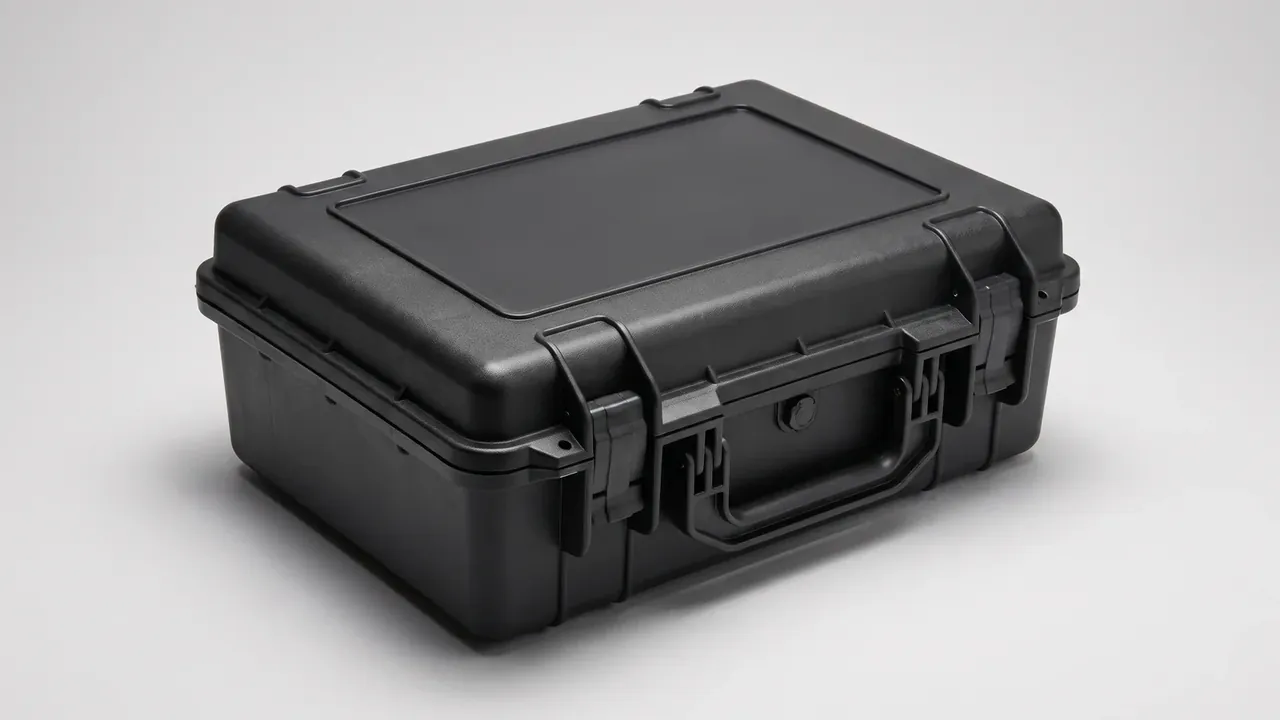
Quick answer: Set the ceiling on loaded weight, size usable volume against a realistic fill rate, then check latch type, stack height and how the stack is tied down. Five measured numbers make moving-day fatigue predictable.
Table of contents
- Five Criteria for Plastic Boxes for Moving
- Tare Weight and the Ceiling on Loaded Weight
- Usable Volume and Fill Rate
- Latches, Sealing and Stack Load
- Van Loading and Reuse After the Move
- FAQ
1. Five Criteria for Plastic Boxes for Moving
Selection is not about the thickest wall. It turns the forces of a three-day move into five numbers: loaded weight, usable volume, latch and seal, stack height, reuse cost. Two boxes rated at 58 litres, one with a 2.2 mm base and one with 3.0 mm, behave differently at every corner after a heavy book load.
| Check | Number to obtain | Frequent mistake |
|---|---|---|
| Loaded weight | Tare, full weight, distance | Asking only the litre rating |
| Usable volume | Internal length, width, depth | Estimating from outer size |
| Latch and seal | Closure type, force, cycles | Counting latches, not types |
Volume is quoted as an outer size, never internally, so most plastic boxes for moving overstate what fits. A 600 by 400 mm outer box often measures 555 by 360 mm inside, a gap of fifteen per cent. Books run at 0.9 kg per litre.
2. Tare Weight and the Ceiling on Loaded Weight
Tare weight defines a realistic day of plastic boxes for moving. A 45 litre box weighs 1.8 kg empty, a 58 litre box 2.4 kg. Cap loaded weight at 15 kg, 12 kg with stairs: 18 steps a floor, twenty round trips, 360 steps.
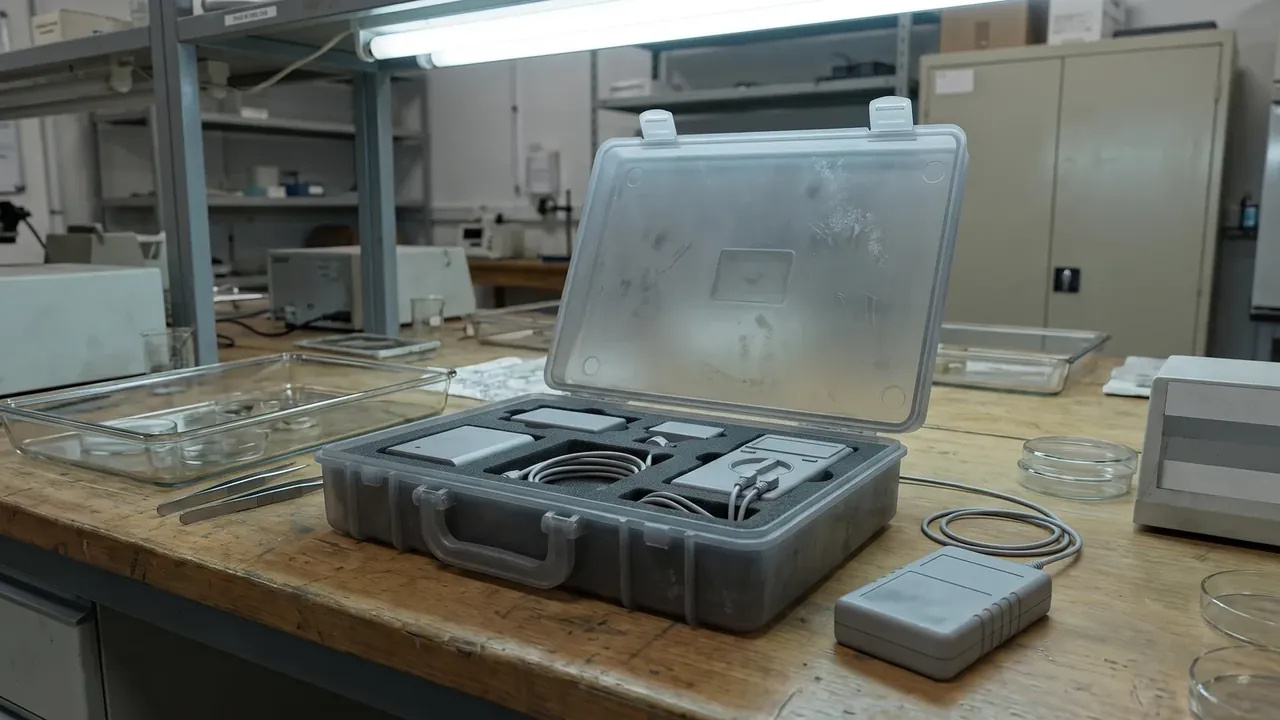
Carry a loaded sample twenty metres instead of reading a data sheet. A folding handle presses into the thumb, a one-piece bridge spreads load across the palm. A removable insert earns its cost later: pull it and the box returns to tote duty.
3. Usable Volume and Fill Rate
Plan on 75 to 80 per cent fill. Bedding compresses to 90, but plastic boxes for moving loaded with books and crockery stop at 80; push past it and the walls bow, so the next box no longer drops into the rim below.
| Outer size, mm | Nominal | Usable | Typical load |
|---|---|---|---|
| 450 x 300 x 250 | 28 L | 23 L | Crockery |
| 600 x 400 x 320 | 58 L | 48 L | Books, files |
| 700 x 450 x 380 | 95 L | 80 L | Duvets |
A 58 litre box takes roughly 40 A4 binders or 24 half-litre bottles. A stacking recess then removes 8 to 12 mm of depth, so real depth falls to 295 mm and a 320 mm bottle will not stand upright.
4. Latches, Sealing and Stack Load
A draw latch pulls the rim closed over-centre and needs 30 to 40 N empty. A snap latch presses a claw into the rim flange, closes one-handed at about 10 N, but rounds off after 300 cycles. A box opens fewer than 20 times per move, so the tighter closure wins.
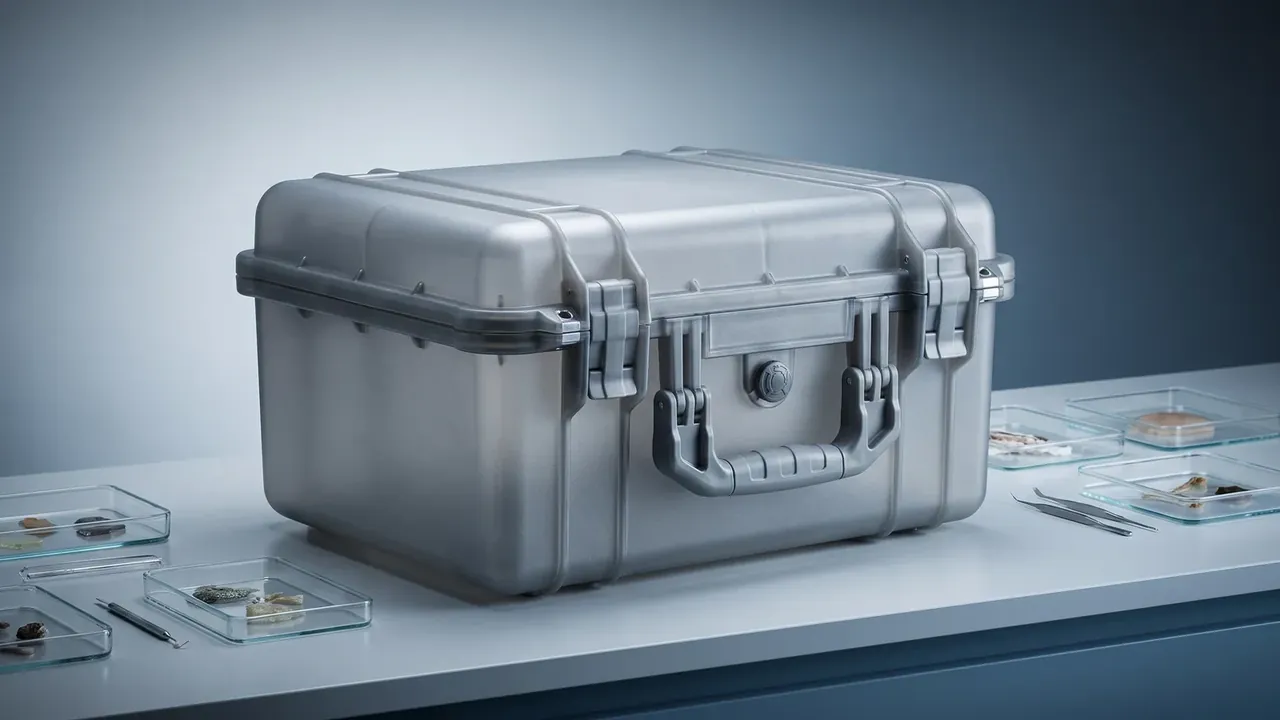
A relief valve pays off with soft goods: closing compresses the air, the valve vents it, and the lid seats in one push. Eight empty boxes stack, but boxes loaded to 15 kg stop at three layers, because the lid below carries 45 kg at 55 C.
| Load case | Applied how | Pass line |
|---|---|---|
| Loaded stacking | 15 kg, 3 layers, 55 C | Sag under 5 mm |
| Short drop | 1.2 m, corner first | Latches stay shut |
5. Van Loading and Reuse After the Move
A stack of plastic boxes for moving held by its own weight will not survive a corner. A 4.2 m panel van measures 2.1 m inside, so 600 by 400 mm boxes sit five across with 50 mm of packing each side. Strap every two rows with 12 mm webbing.
Reuse splits three ways: clothing boxes go to the wardrobe, book boxes take garage spares, crockery boxes end on the balcony. Wash food-contact boxes at 40 C, never above 80 C, or PP releases stress and crazing appears at the corners.
Conclusion
The five criteria convert can-I-carry-it, will-it-fit and will-it-stack into numbers. Set the 15 kg ceiling, convert volume at 75 to 80 per cent fill, pick the latch by opening frequency, check stack height at 55 C. Breakage then stops being a surprise. Plastic boxes for moving are a carrying budget you can calculate.
This article discusses only the container (case body) side of specifications and design intent, and does not cover any handling, loading or use of the contents.
Related Reading
- How to Specify Stackable Container Dimensions
- Choosing a Lockable Storage Box
- Carry-On Luggage Sizing Basics
- Choosing a Camping Storage Box
Related Products
- 8 Series — Gun Cases; Military Equipment Cases; Camera Equipment Cases; Drone Cases; Watch Cases; Knife Cases; First Aid Cases; Electronics Equipment Cases
- WL8-2812 PP Gun Case — model WL8-2812
- All protective cases and toolboxes: 7 series, 158 models