

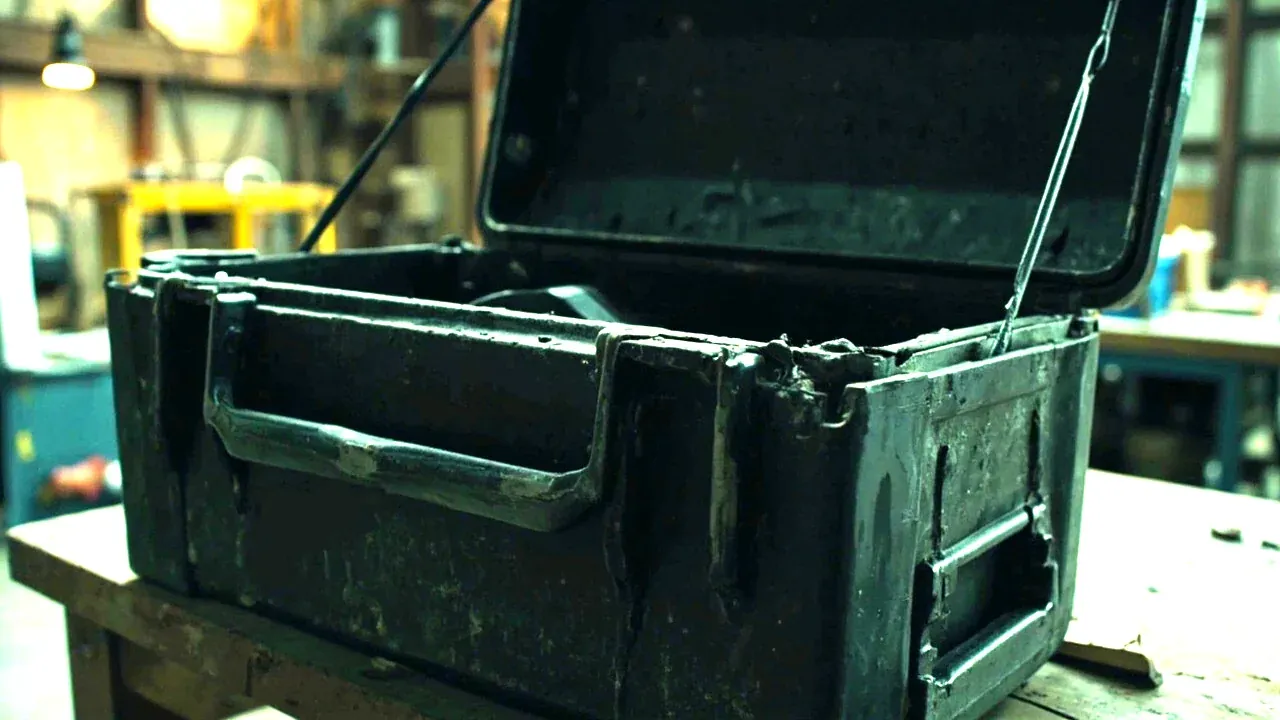
Quick answer: Damage on a portable tool box concentrates in four places: a torn handle seat, a deformed lid edge, misaligned latches and a collapsed liner. Tests: stretched boss and loose fixings at the seat, parting line no longer meeting at the edge, keepers proud at the latches, dead foam and sinking tools in the liner. The first three are reinforced or adjusted; the liner is replaced. Repair or replace turns on the strength left in the shell.
Table of contents
- Four common portable tool box failures
- Torn handle seat: criteria and reinforcement
- Deformed lid edge: criteria and straightening
- Misaligned latches: criteria and adjustment
- Collapsed liner: criteria and replacement
- FAQ
1. Four common portable tool box failures
A worn portable tool box fails in many ways, but they group into four: a handle seat torn under point load, a lid edge losing stiffness, latches drifting out of alignment, a liner aging flat.
| Failure | Test | Fix |
|---|---|---|
| Torn handle seat | Stretched boss, loose fixings | Larger seat, through-bolts |
| Deformed lid edge | Gap at parting line, latch stuck | Heat, edge band |
| Misaligned latches | Keeper proud | Adjust, swap assembly |
| Collapsed liner | Dead foam, tools sinking | Replace foam, grid |
Repair or replace turns on the shell: rigid walls with few cracks are repaired, brittle walls with crack fields replaced. Repair costs less than half of new, but a repaired portable tool box carries seventy percent of duty.
2. Torn handle seat: criteria and reinforcement
A torn handle seat is the most frequent failure on a portable tool box. Three tests: stretched boss holes, growing loose-bolt count, a fresh gap at the wall; two or more signs and the handle pulls out.
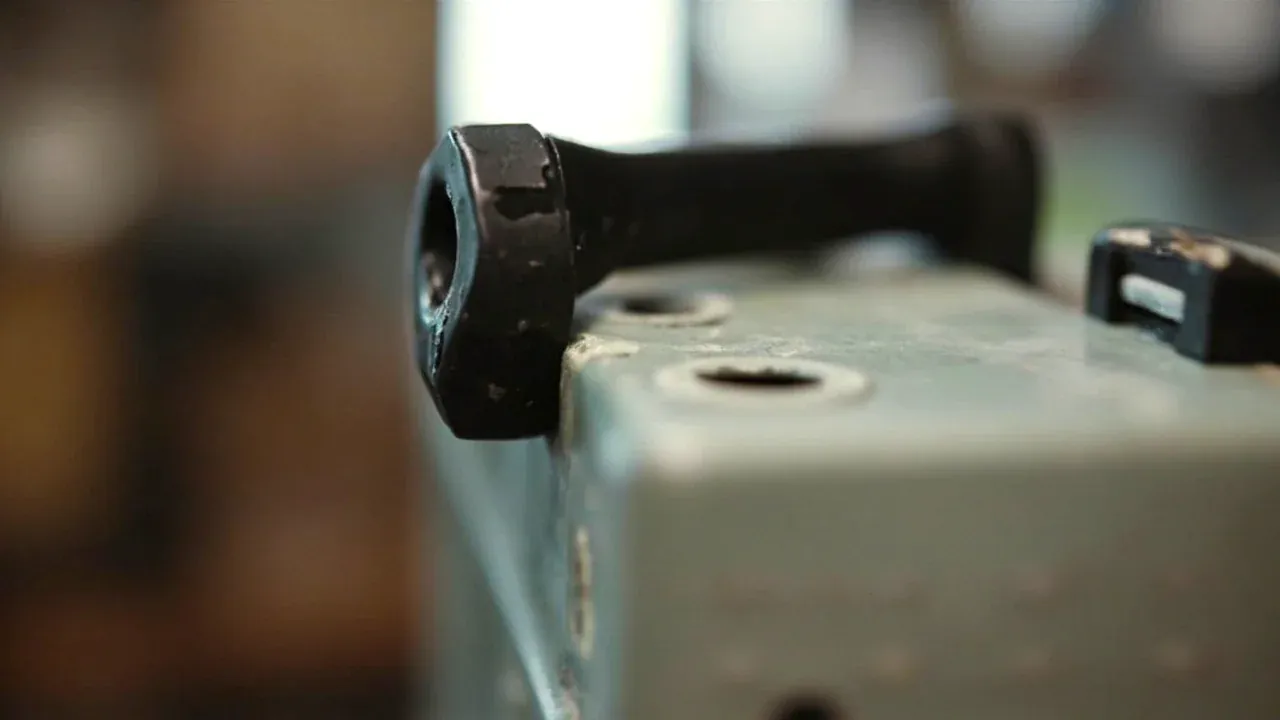
Reinforcement follows the shell: on sound walls, fit a larger seat with a metal backing plate and convert self-tapping screws to through-bolts; on tired walls, rivet corner plates beside the seat.
3. Deformed lid edge: criteria and straightening
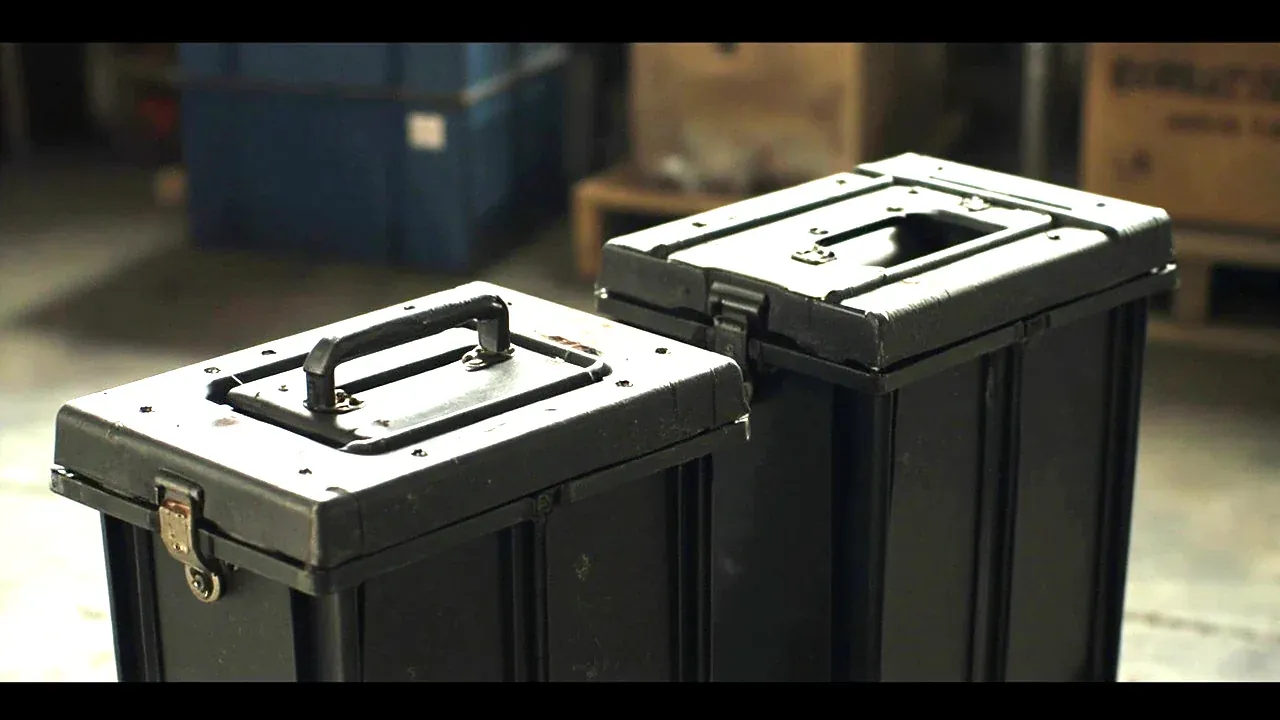
On a portable tool box the lid edge is judged closed: a uniform gap at the parting line, latches needing force, a flared section. The root cause is lid stiffness; a stuck latch is only the symptom.
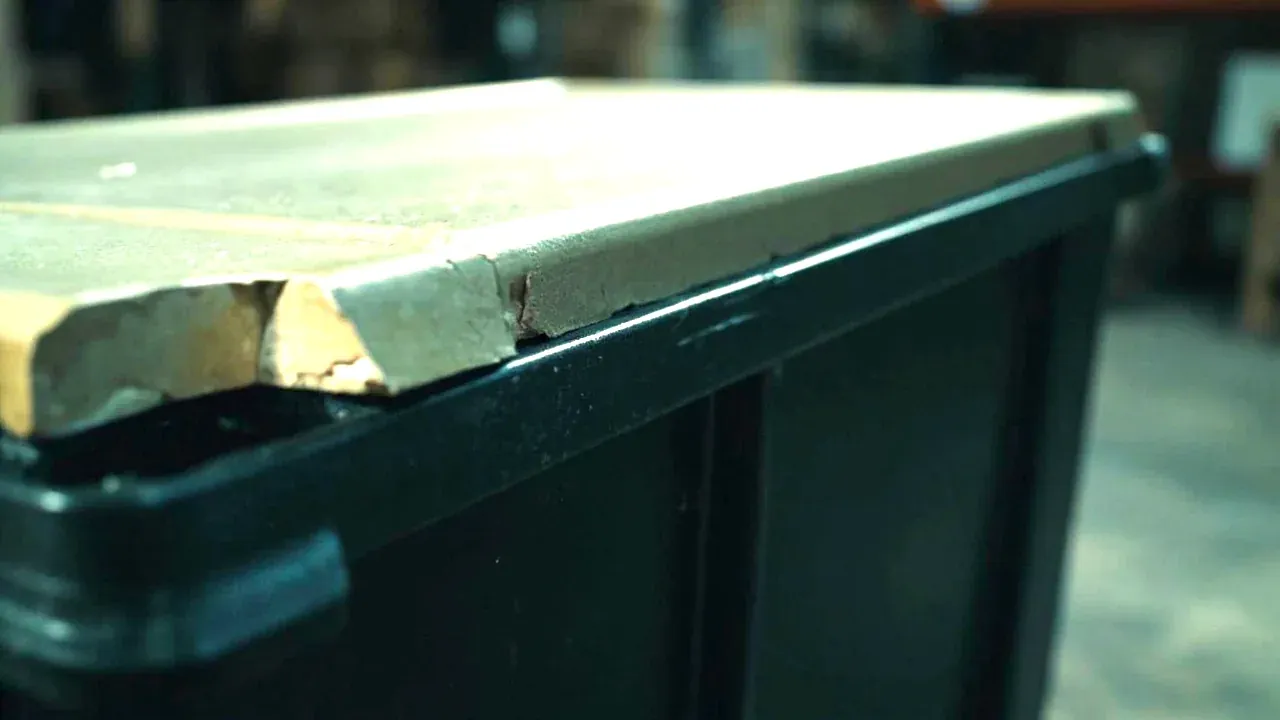
Straightening comes in two steps. For light deformation with memory left, heat the edge and press it flat, temperature low or the face wrinkles. For heavy deformation on aged material, skip straightening: band the edge inside with metal or lock the corners with brackets, then re-adjust the latches since the band shifts the parting line.
4. Misaligned latches: criteria and adjustment
Latch tests on a portable tool box look at keeper and body: a keeper proud of its seat, a tongue missing the body, a closing latch that still leaves a gap. Most misalignment is not the latch's fault — seat or edge failed first, the error accumulated at the latch.
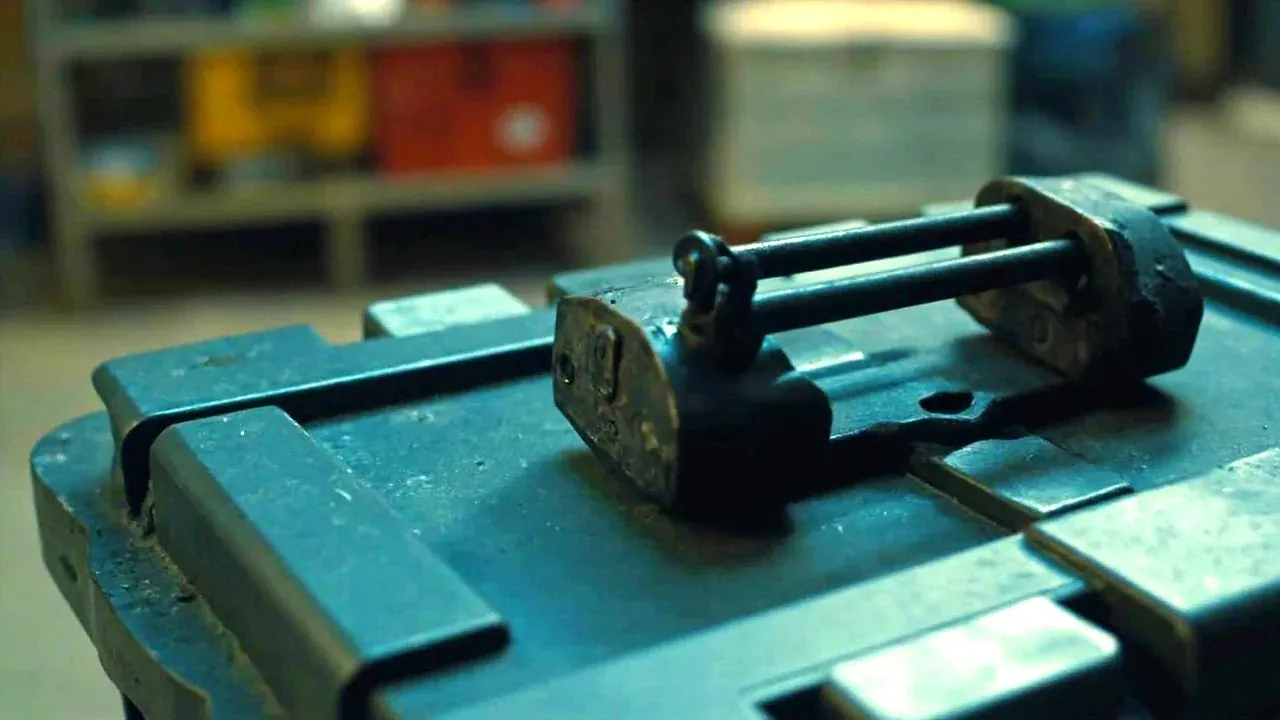
Adjust in order: fix the seat and the edge first, then set the bodies. Shimming a keeper alone hides the fault — the gap stays, the tongue works misaligned, the body fails.
On sound shells, replacing latch assemblies beats repairing keepers: standard parts swapped in pairs with fresh holes. On deformed shells, straighten first; the order cannot reverse.
5. Collapsed liner: criteria and replacement
On a portable tool box, liner collapse is the only one replaced rather than repaired. Tests: foam that does not spring back, tools sinking into pockets, items held down. Dead foam ends positioning; a tool once visible at a glance takes half a minute to find.
There is no repair for dead foam, only replacement or conversion: re-cut the same pockets in fresh foam, or switch to a divider grid. Unchanged tool sets take like-for-like foam; cycled tools take a grid.
While the liner is out, check the floor panel: pressed for years, it often hides fatigue marks — the moment to decide between repair and replacement.
Conclusion
The four fixes reduce to one line: change the seat fixing, restore lid stiffness, adjust latches from the source, replace the liner outright. Judge the shell strength first, choose repair or replace, and run a repaired portable tool box at seventy percent duty. Learn the criteria and most damage on a portable tool box stops at reinforcement.
The scope here is the container (case body) alone: its geometry, structure and configuration. Nothing about how items inside are handled, loaded or used falls within it.
Related Reading
- Toolbox hinge, latch and seal points
- Case repair and spare parts
- Repairing cracked case shells
- Choosing foam liners for cases
Related Products
- 8 Series — Gun Cases; Military Equipment Cases; Camera Equipment Cases; Drone Cases; Watch Cases; Knife Cases; First Aid Cases; Electronics Equipment Cases
- WL8-2812 PP Gun Case — model WL8-2812
- All protective cases and toolboxes: 7 series, 158 models