

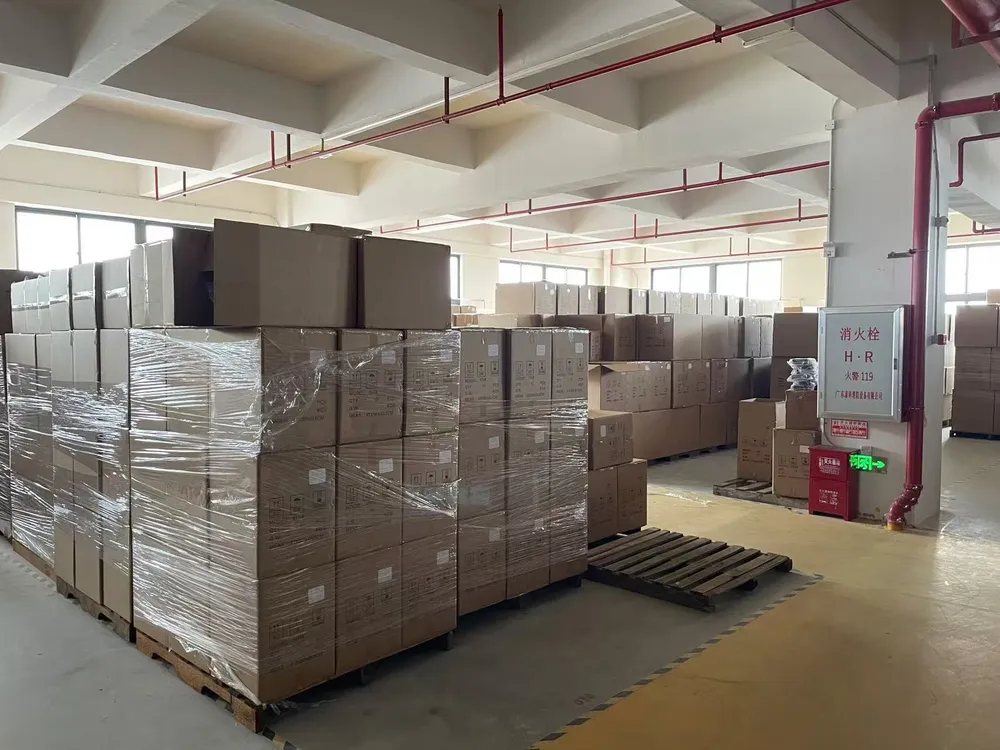
A pre-shipment inspection (PSI) is a statistical check of a finished batch before it is released. It does not guarantee that every unit is perfect, and that distinction matters: understanding what sampling does and does not prove is the difference between using inspection well and being misled by it.
What Sampling Actually Proves
Inspection by attributes is governed by standards such as ISO 2859-1 (the international counterpart of ANSI/ASQ Z1.4). A lot size and an inspection level determine a sample size; an acceptance quality limit, or AQL, sets how many defects are tolerated within that sample.
The result is a probability statement, not a certificate of perfection. A batch that passes can still contain individual defective units outside the sample. If your application cannot tolerate that, the answer is tighter AQLs, additional specific checks, or 100% screening on the critical characteristic — not a belief that inspection caught everything.
Defect Classes
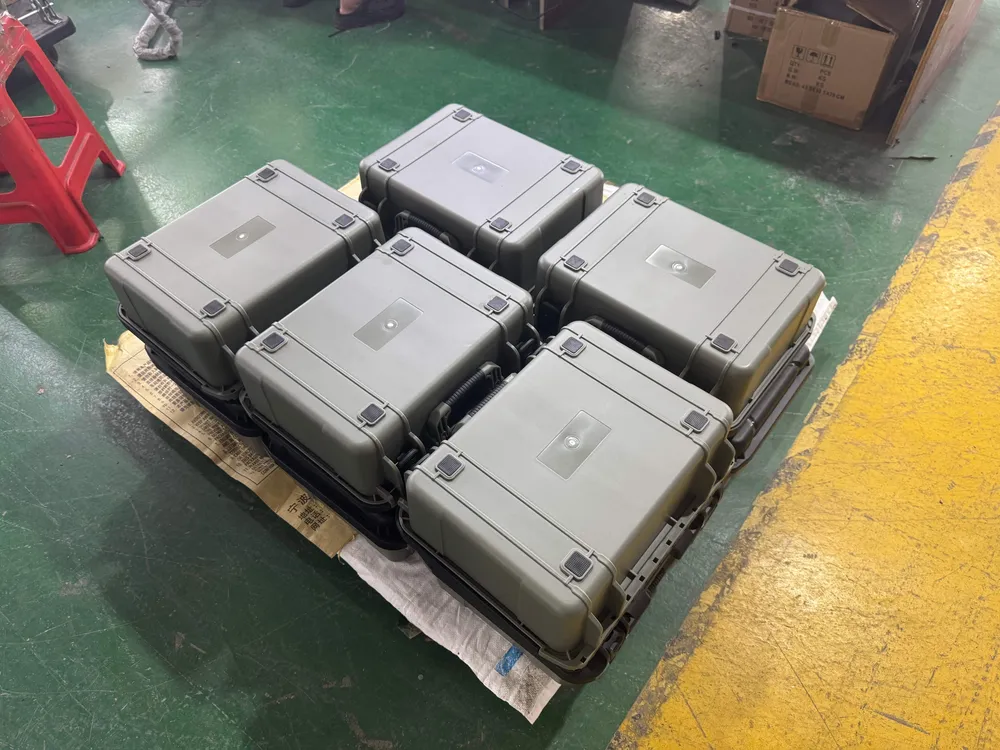
| Class | Meaning | Typical case examples |
|---|---|---|
| Critical | Unsafe, unlawful, or renders the product unusable | Latch that will not close; structural crack; missing safety marking |
| Major | Reduces usability or service life; likely to cause a complaint | Gasket poorly seated; visible flash; wheel not rotating freely |
| Minor | Cosmetic or workmanship deviation unlikely to affect use | Light scuffing; slight colour variation within tolerance |
Agree these definitions in writing before inspection. Most disputes are not about whether a defect exists, but about which class it belongs to.
A Practical Case Checklist
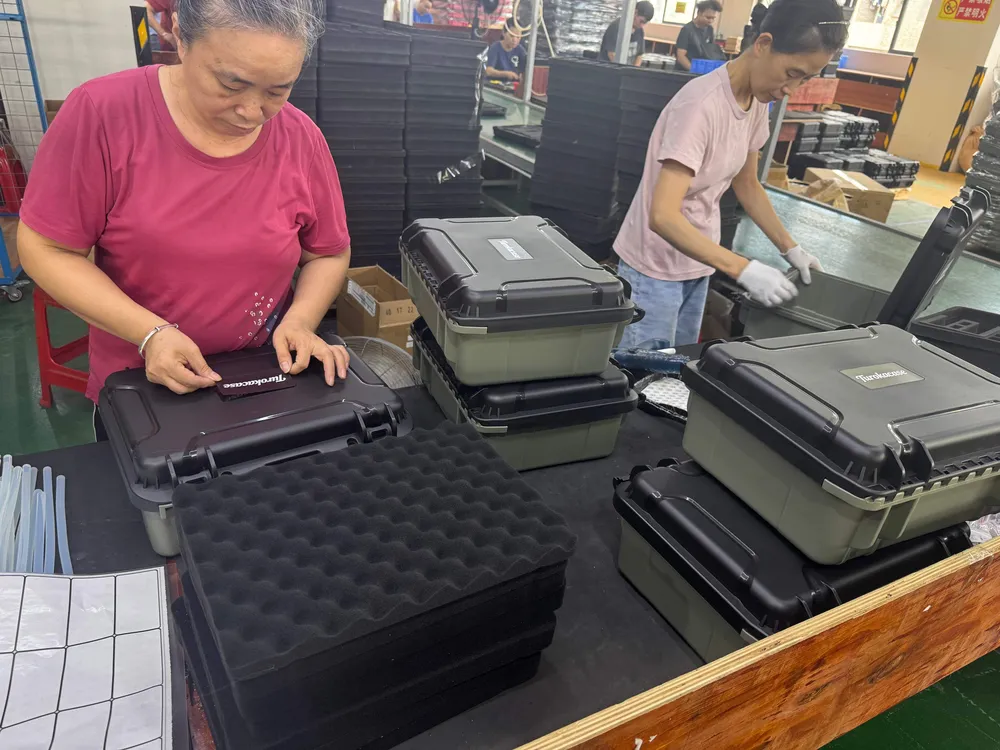
- Quantity and packing — carton count, packing method, labelling.
- External appearance — shell finish, colour consistency, moulding flash, scratches.
- Dimensions — critical internal and external dimensions against the drawing.
- Latches and hardware — open and close each latch, check tension and alignment.
- Sealing — gasket seated continuously, no gaps, lid closes evenly.
- Interior — foam fitted correctly, cavities match the payload, no loose adhesive.
- Function — wheels, handles, hinges, pressure valve operate as intended.
- Marking and documentation — labels, branding, manuals, spare parts.
Add the specific test you care about as a special check — for example a water ingress test on a defined number of units. Our incoming inspection method for waterproof cases describes a version of that test that can also be run on receipt.
Reading the Report
Check the sample size against the standard and the lot size, confirm which AQLs were applied to each defect class, and look at where any failed units fell. A pass with several minor defects and a pass with zero defects are different signals about process control, even though both pass.