

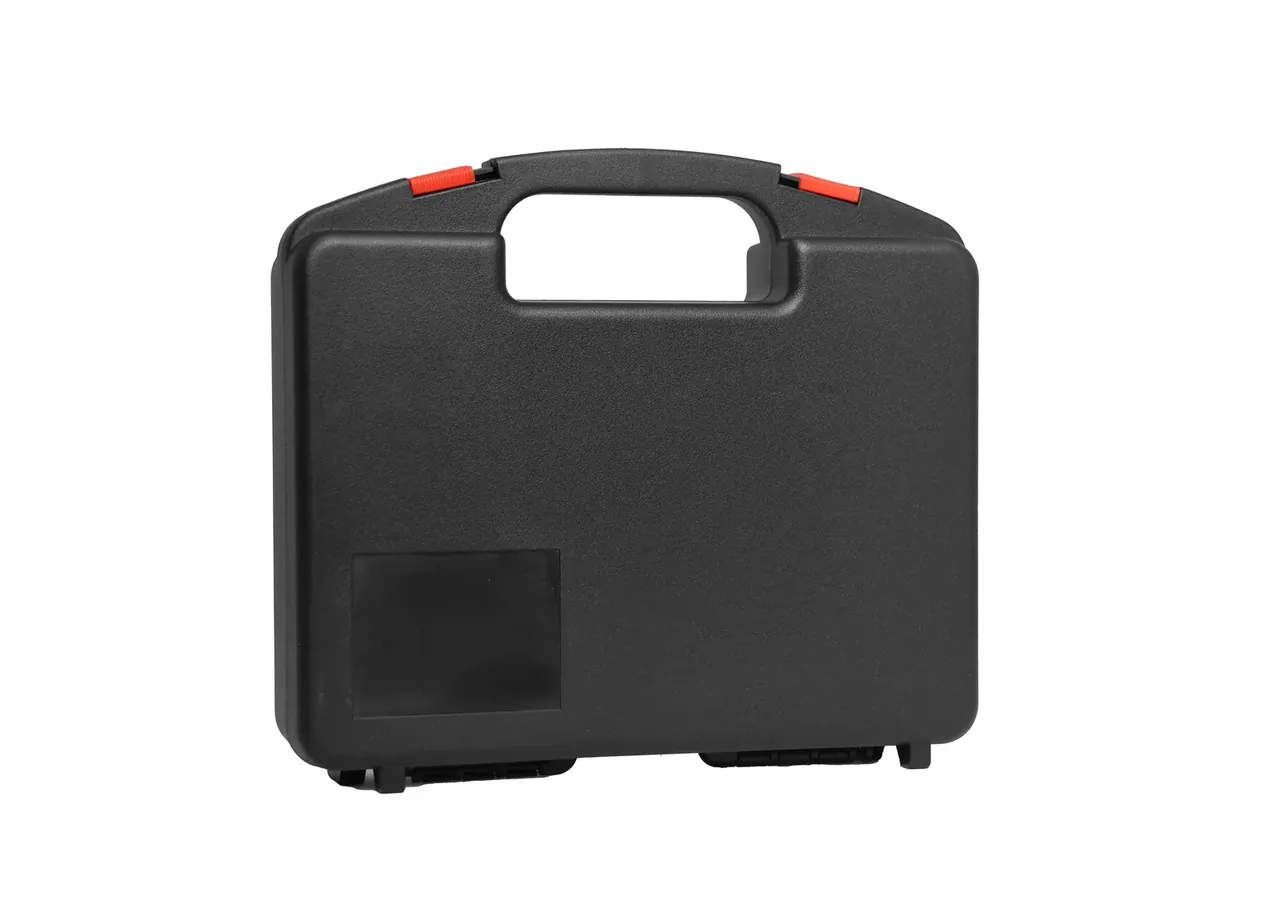
Quick answer: The question buyers ask most in Protective Case Sales is not wall thickness but whether a case survives their site: how it is fixed, how cold it gets, how high it stacks.
Table of contents
- Protective Case Sales Across Five Working Conditions
- Mounting and Opening on Vehicle Rounds
- Seals and Latches Below Freezing
- Stacking and Shelf Height Arithmetic
- Who Runs the Last Open and Close
- FAQ
1. Protective Case Sales Across Five Working Conditions
The commonest question in Protective Case Sales is whether a case fits my site. The site decides the mounting, the mounting the specification.
| Condition | Mounting | Common mistake | Site test |
|---|---|---|---|
| Vehicle patrol | four bolts to the floor | only two fitted | 150 mm pitch, 6 N·m |
| Field survey | strap and handle, feet down | strap hooked on the handle | 3 mm at the handle root |
| Boat and quay | strap through the waist groove | strap over the latch | groove 4 mm deep |
| Cold chain | desiccant in, label out | gasket hardens, lid will not close | 4 hours at -20 °C |
| Rack mount | shelf with a lip, case upright | upright case loads the latch | upright under 300 mm |
Only the first loads the body; the other four fail on fittings and placement.
2. Mounting and Opening on Vehicle Rounds
Vehicle use is underrated: a cab case takes vibration, braking and handling, and every shock enters at the fixing points.
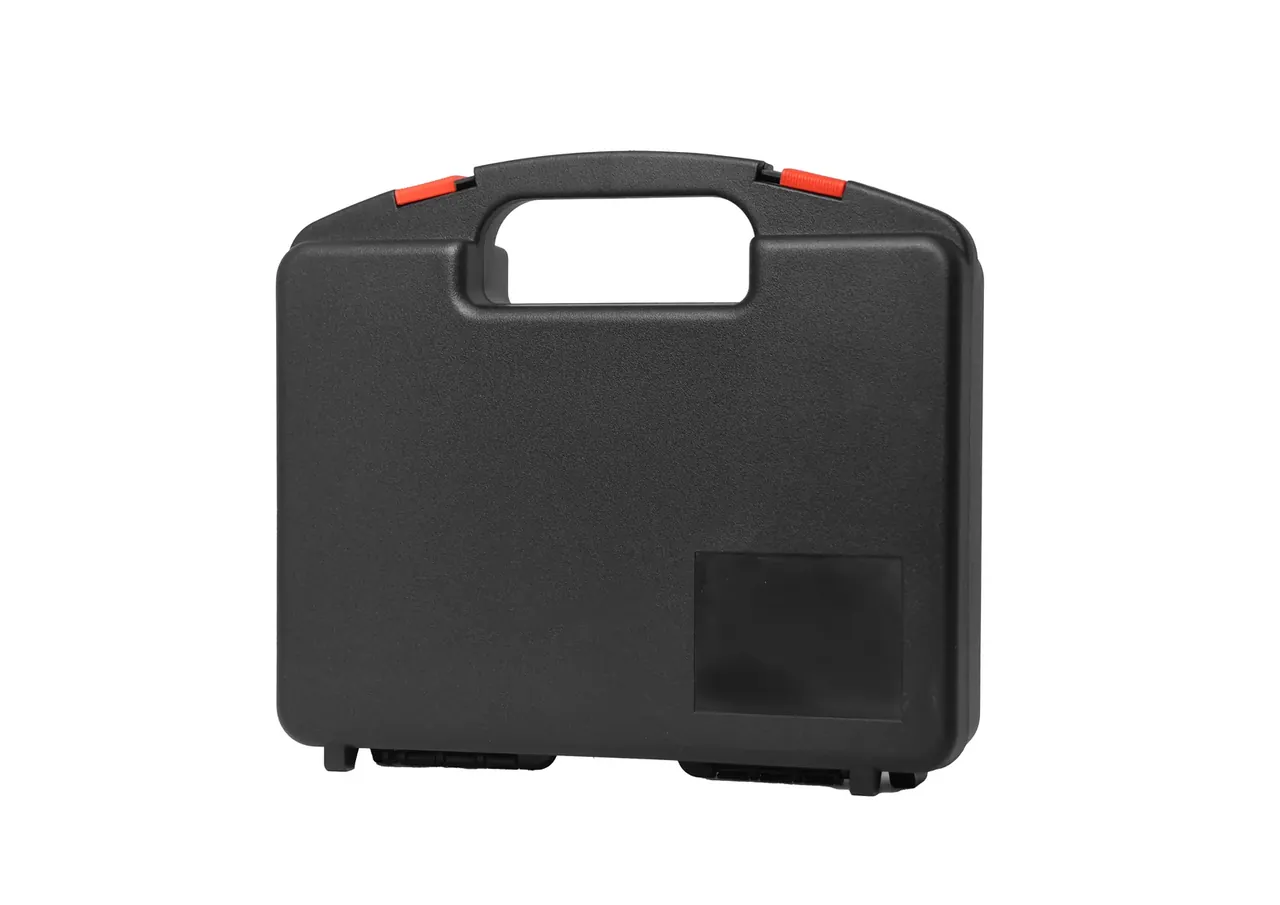
Four points, 150 mm apart, M8 bolts at 6 N·m. Four details matter:
- Boss around the hole: a 2 mm ring stops the wall cracking at full torque.
- Foot height: three feet lift the base 3 mm, which keeps the inside dry.
- Latch direction: keep latches away from the cab, or a sliding load trips them.
- Swing room: leave 60 mm on the handle side for a gloved hand.
On a 45-minute gravel run at 60 km/h, bolt preload drops 8%, so the sheet needs a re-torque interval.
3. Seals and Latches Below Freezing
Cold is the hardest field test: a case that opens at 20 °C can fight back at -20 °C, and the gasket is usually the cause.
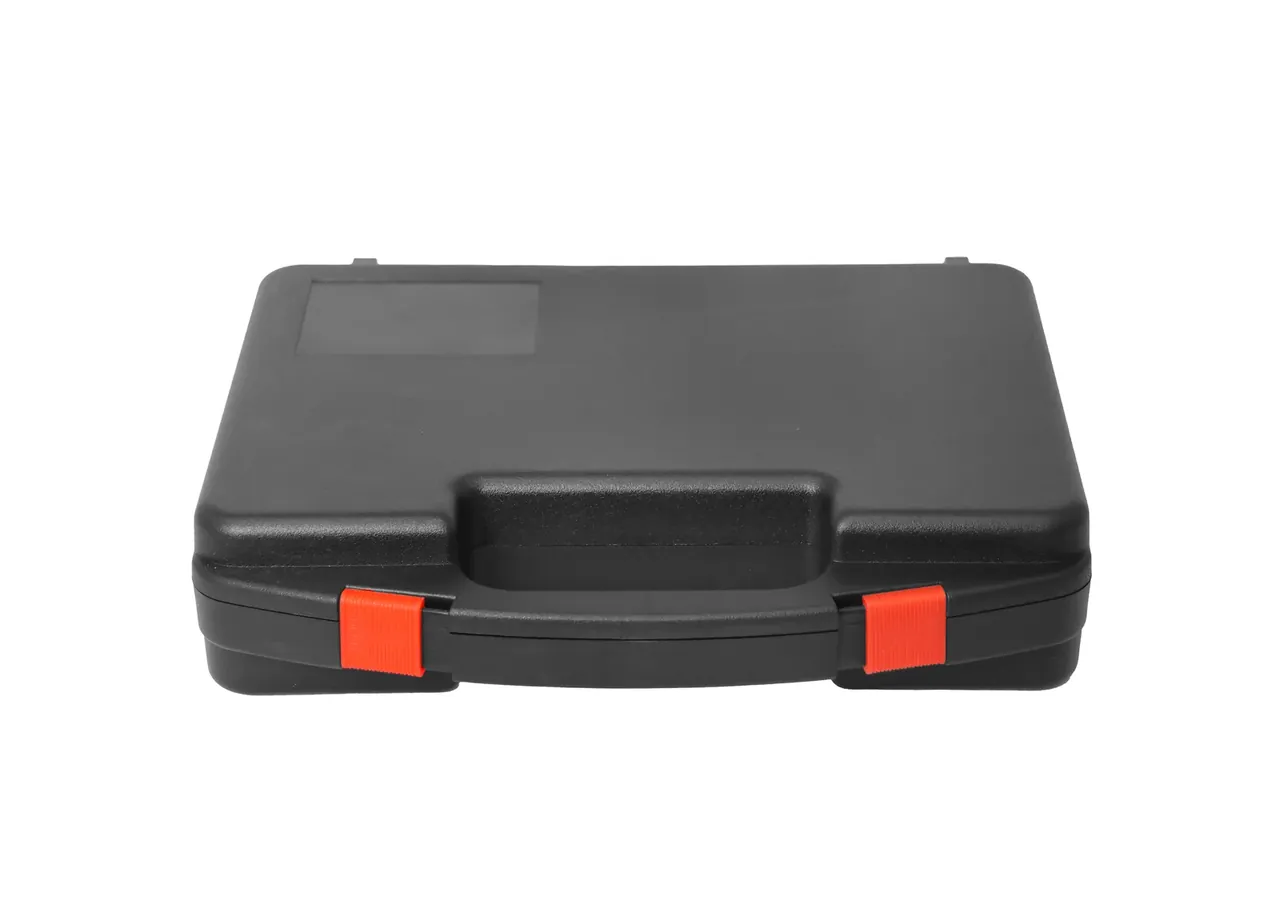
A 65 Shore A gasket gains about 6 points per 10 °C of cooling, so at -20 °C it sits near 78 and returns slowly. That costs about 40 N more opening force and a two-second press.
Write the fix into the specification: four hours at -20 °C with twenty cycles and no leak, compression set capped at 25% after 72 hours at 70 °C, 30% squeeze.
Humidity is separate: desiccant handles the inside, the gasket the outside, so open a cold case only after it warms.
4. Stacking and Shelf Height Arithmetic
Warehouse talks end on how many layers a stack takes. That number is calculated, not guessed.
| Layers | Load per layer | Layer height | Floor load |
|---|---|---|---|
| 3 | 32 kg | 230 mm | about 420 kg per m² |
| 4 | 32 kg | 230 mm | about 560 kg per m² |
| 5 | 32 kg | 230 mm | about 700 kg per m² |
A case handles far more static load and rarely crushes within five layers. The limit is the rack and slab, often rated at 500 kg per m², which five layers exceed.
5. Who Runs the Last Open and Close
The last open and close belongs to the user, not the supplier. Suppliers are too practised and find the angle that hides a stiff latch; a gloved hand at the tailgate before sunrise is the honest test. Set the case as it will stand on site: uneven ground, wind, gloves, one hand. If it takes more than 90 seconds to open, return to gasket squeeze and latch travel. Repeat fifty times and compare the fiftieth with the first, because a weak spring still feels fine on the tenth. Check the seam gap next, since an uneven line means the hinge is off-centre, and a case with an uneven seam always leaks on the wide side. Sign only after that, and let the person who opens it daily sign.
Keep one case as a reference and compare it with new deliveries six months later, cheap proof of batch stability.
Conclusion
On site, Protective Case Sales comes down to three conversions: fixing points against shock, temperature against opening force, layers against floor load. Write them into the acceptance sheet and the case stops being a nuisance in the field. Settle mounting and opening first, then Protective Case Sales specifications and price.
This article discusses only the container (case body) side of specifications and design intent, and does not cover any handling, loading or use of the contents.
Related Reading
- How Protective Case Sales Runs from Inquiry to Sample
- OEM Case Configurations by Application
- Large Case Applications and Handling
- Wholesale Case Fulfilment Patterns
Related Products
- 8 Series — Gun Cases; Military Equipment Cases; Camera Equipment Cases; Drone Cases; Watch Cases; Knife Cases; First Aid Cases; Electronics Equipment Cases
- WL8-2812 PP Gun Case — model WL8-2812
- All protective cases and toolboxes: 7 series, 158 models