

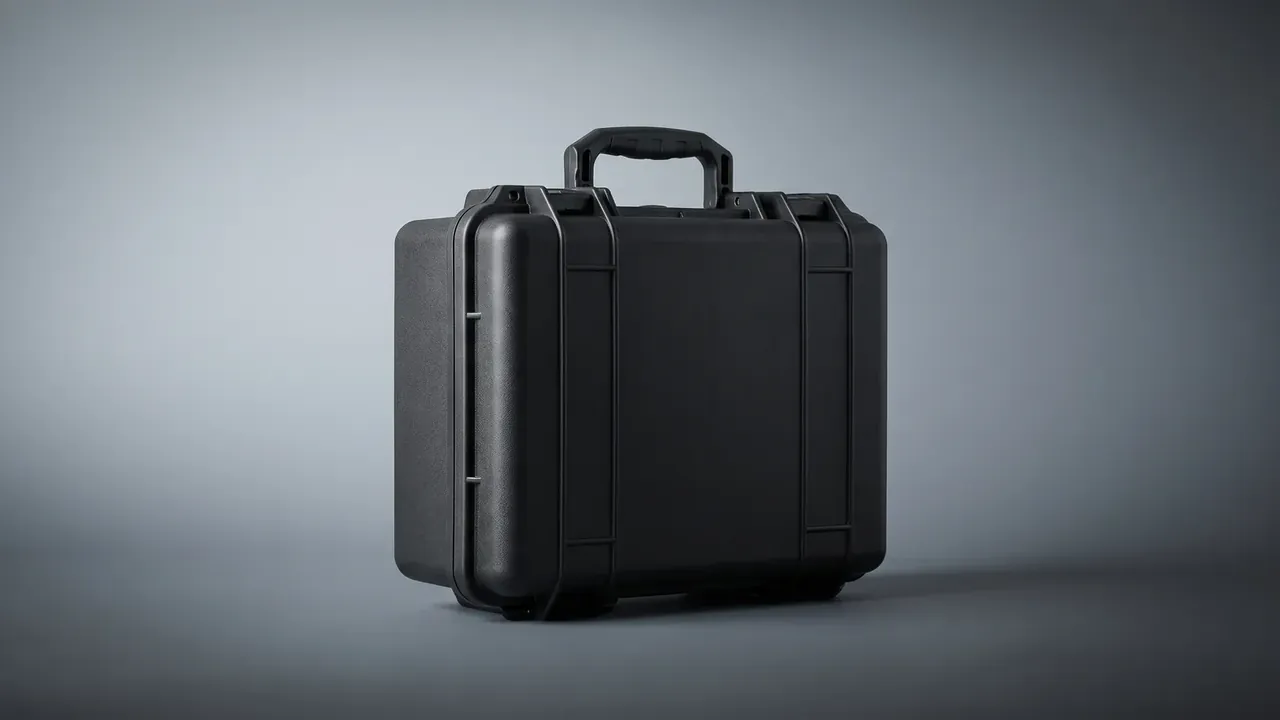
Quick answer: The same OEM protective case sells for three different reasons. A brand buys consistency and exclusivity, a channel buys size range and turnover, a project buyer buys rating and delivery certainty. Different decision makers, different acceptance, different rhythm; one pitch for all three fails at any price.
Table of contents
- Three buyers of an OEM protective case: where the gap starts
- Brands: consistency and exclusivity
- Channel: size range and turnover
- Project buyers: rating and delivery
- Serving all three from one tool
- FAQ
1. Three buyers of an OEM protective case: where the gap starts
The difference is not budget but where risk lands. A brand risks a customer feeling short-changed on opening, so it watches finish. A channel risks stock sitting, so it watches size spread. A project buyer risks equipment failing inspection, so it watches ratings and paperwork.
That changes the order shape. Brands order small and repeat; channels want many colours in one shipment; projects place one large order split across site dates, so scheduling must be separate.
| Buyer | Decides | First metric | Usual conflict |
|---|---|---|---|
| Brand | Product and marketing | Consistency, exclusivity | Batch three colour drift |
| Channel | Purchasing and operations | Size spread, turnover | Mixed pallets, damaged cartons |
| Project | Engineering and site | Rating, arrival date | Missing documents, one day late |
2. Brands: consistency and exclusivity
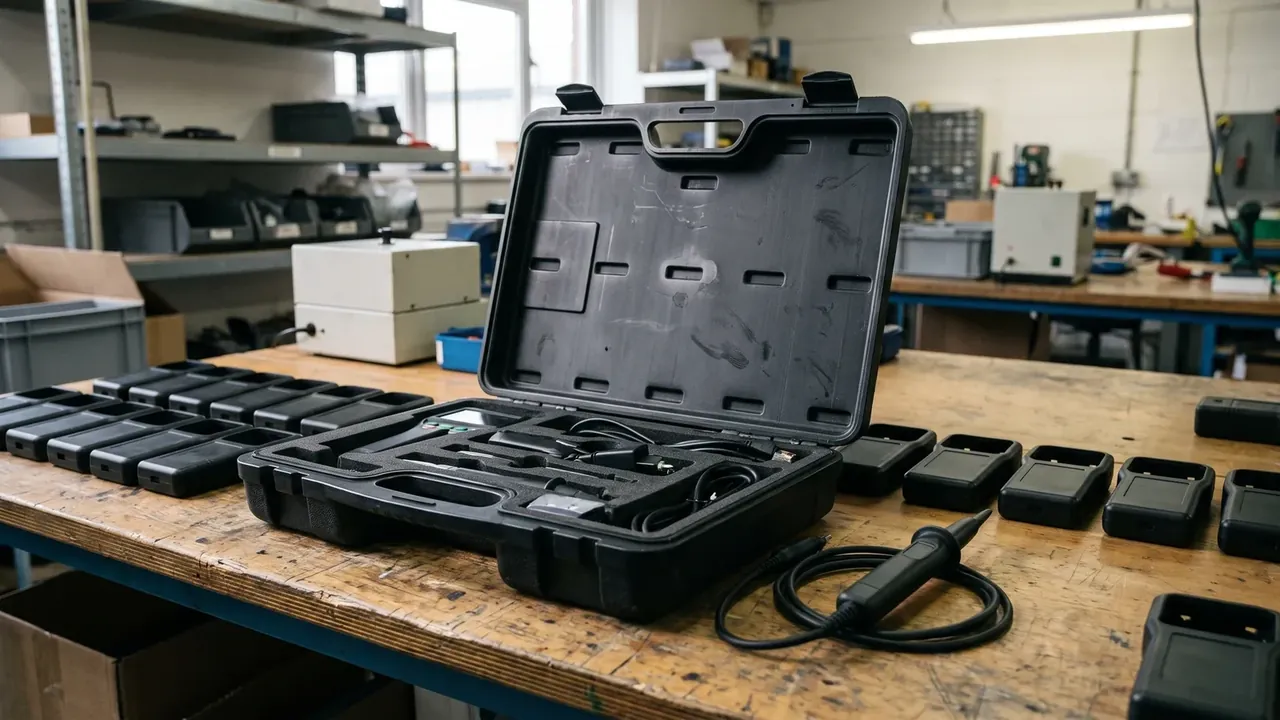
A brand buys the moment of unboxing. Colour first: Delta E within 1.5 in a batch and 2.0 between, three samples kept per lot. Texture second, since the grain must match after a repair.
Exclusivity belongs in the contract: twelve to twenty-four months on a modified tool, no same model to a competitor in the region; a private tool covers the programme.
Packaging is under-specified. Gift box, liner, manual and barcode are decided together, one code per carton, and carton print must match the case label.
3. Channel: size range and turnover
A channel buyer counts shelf space and turns. What sells is a line covering a price band: three to five sizes, graded to keep a comparing buyer inside the range.
Many colours, small quantities. Schedule colours of one shell together and hold the minimum per colour at two hundred, trading changeover for inventory flexibility.
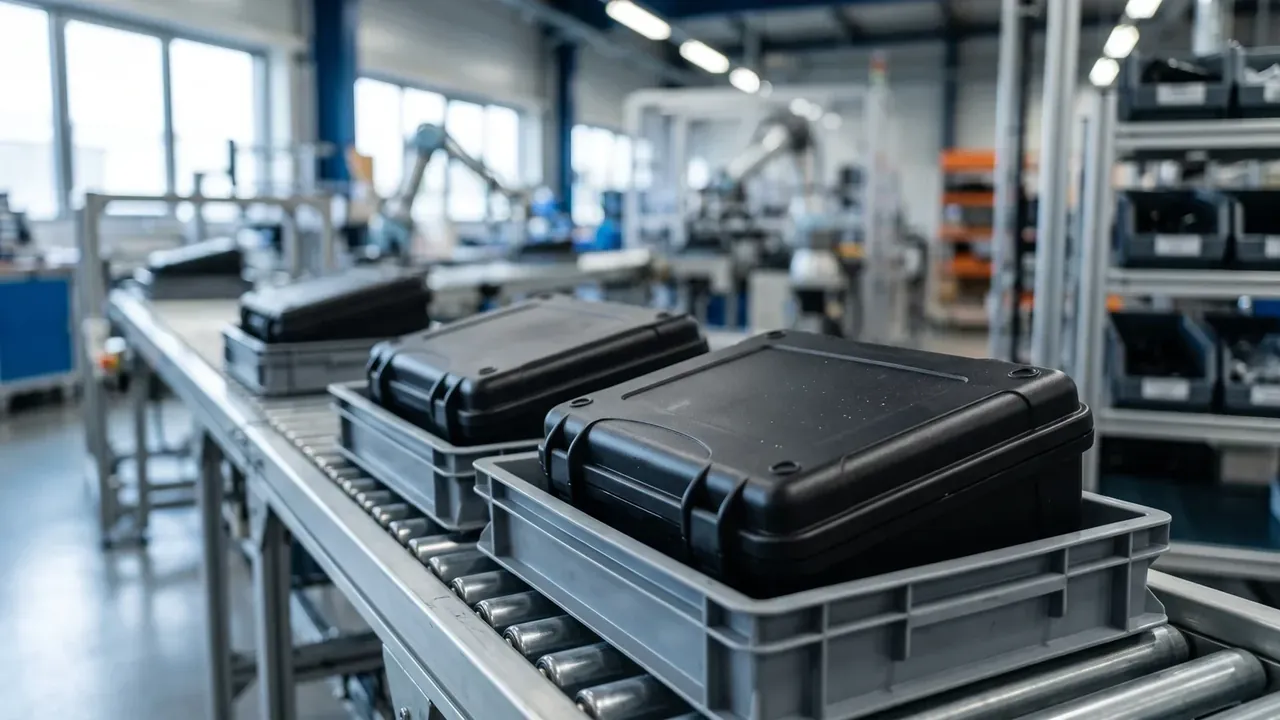
Packaging follows the pallet: cartons sized to the 1200 by 1000 module, twenty-four to thirty-six units per pallet, five-ply board, 2 mm between cases. Mixed containers need labels by SKU on each layer, or the warehouse repalletises.
4. Project buyers: rating and delivery
A project buyer is buying certainty. The rating on the case must match the report: IP67 meaning a metre of water for thirty minutes, a 1.2 m drop over ten points, minus 20 to 60 °C. A mismatch is rejected.
Paperwork fails more often than the case. Material certificate, IP report, drawing, conformity certificate, packing list: miss one and the supervisor will not sign. Overseas work adds a transport appraisal and fumigation proof.
Arrival is scheduled backwards from the install window. Sites rarely have storage, so early delivery has nowhere to go and late idles a crew. Ship by building, project code on each carton.
| Document | Purpose | Issued by |
|---|---|---|
| Material certificate | Proves the shell compound | Factory |
| IP test report | Site acceptance | Third-party lab |
| Dimension drawing | Check against equipment | Factory |
| Conformity and packing list | Goods-in and payment | Factory |
5. Serving all three from one tool
The shell is shared and the difference sits in colour, liner, packaging and documents. None touches the tool, yet together they produce three products. Hold shell stock and differentiate downstream, and lead time drops from forty-five days to twenty.
Version control is the precondition. Split the bill of materials into shell, liner and packaging, each with its own code; one shell with different liners is a different item, shipped by finished code. Most mixed shipments go wrong here.
Schedule by colour, then by customer. Run one colour together, pull the brand's samples first, then build the channel pallet. Project orders run alone: they cannot wait and will not accept a colour swap.
Conclusion
The three buyers of an OEM protective case want sameness, flow and compliance. The skill is getting all three from one tool, and knowing which buyer is in front of you.
This article covers container-side specifications and design implications only, not the handling, loading or use of the contents.
Related Reading
- OEM and ODM custom protective cases
- How far colour customisation can go
- Logo printing methods for cases
- How MOQ maps to lead time
Related Products
- 8 Series — Gun Cases; Military Equipment Cases; Camera Equipment Cases; Drone Cases; Watch Cases; Knife Cases; First Aid Cases; Electronics Equipment Cases
- WL8-2812 PP Gun Case — model WL8-2812
- All protective cases and toolboxes: 7 series, 158 models