

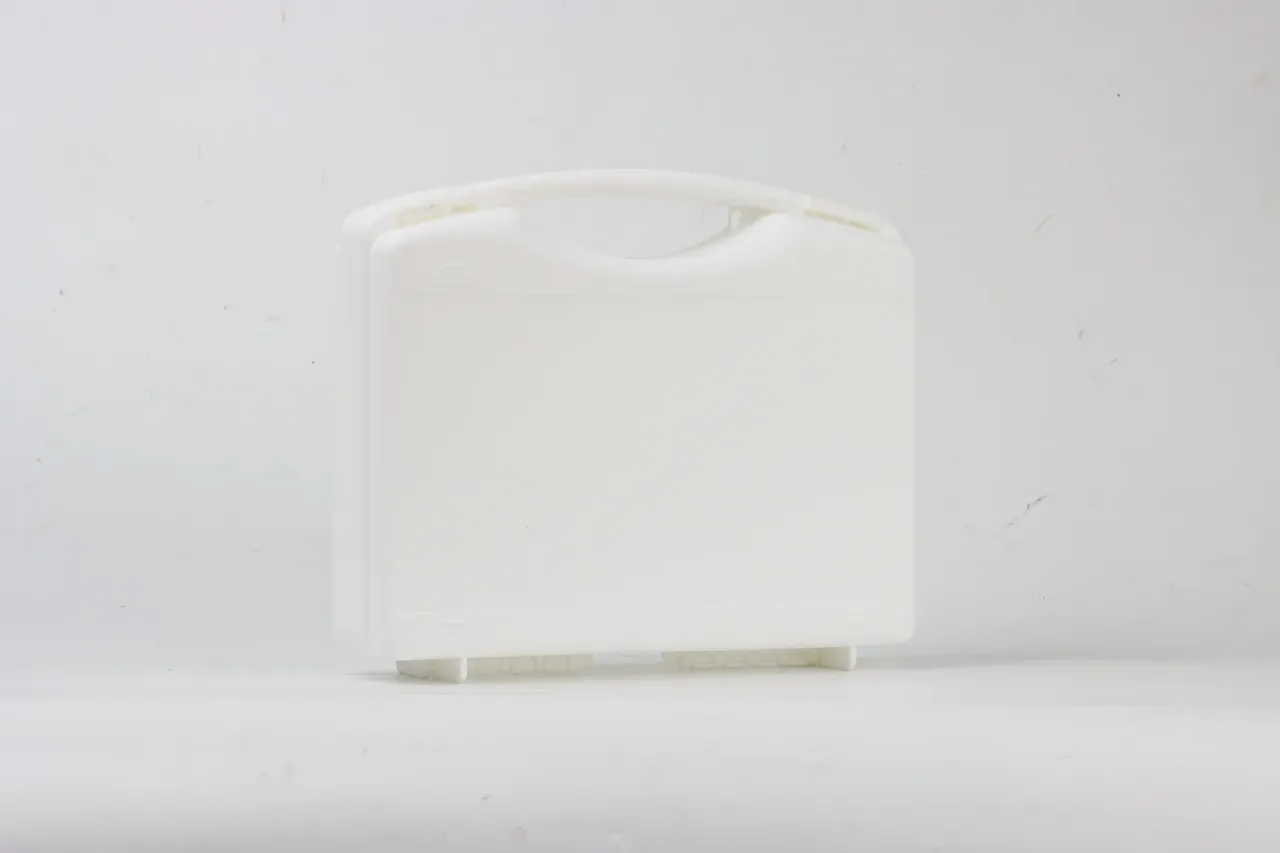
Quick answer: Intake in Protective Case Sales rests on three documents, five measured checks and one pass line: pull 5 cases below 500 pieces, 8 cases from 501 to 2000, and reject the lot when one critical value misses.
Table of contents
- Three Documents Before the First Measurement
- Five Field Checks and the Gauges Behind Them
- How Many to Pull: Lot Size and Defect Limits
- Rework, Concession, Rejection
- Records and Re-Tests: 24 Months of Paper
- FAQ
1. Three Documents Before the First Measurement
Intake collapses into sample gazing more often than not. The sample was chosen by hand, the shipment was pulled at random, and three documents stand between them: a drawing naming the outline, a 520 by 380 by 210 mm cavity and 8 mm walls; an inspection spec listing each point, gauge and failing value; a sampling plan mapping lot size to sample size. Protective Case Sales without those three is a conversation about how a sample looks.
Numbers on paper have to survive a tape measure. A cavity marked 520 mm reading 518.6 mm sits inside tolerance at 1.4 mm of drift; the same drawing reading 512 mm means the tool moved. Walls follow the same rule: 8 mm nominal, 7.6 to 8.3 mm accepted, 7.2 mm or below rejected.
| Document | What it pins down | What breaks without it |
|---|---|---|
| Drawing | 520 by 380 by 210 mm cavity, 8 mm wall | No basis when sizes are disputed |
| Inspection spec | 5 checks, gauge models, pass lines | Everyone measures differently |
| Sampling plan | Lot bands, sample size, defect limit | A verdict from 2 cases |
2. Five Field Checks and the Gauges Behind Them
The order in Protective Case Sales is fixed: weight, wall, cavity, latches, seal. Run them out of sequence and a wet shell makes the micrometer slip.
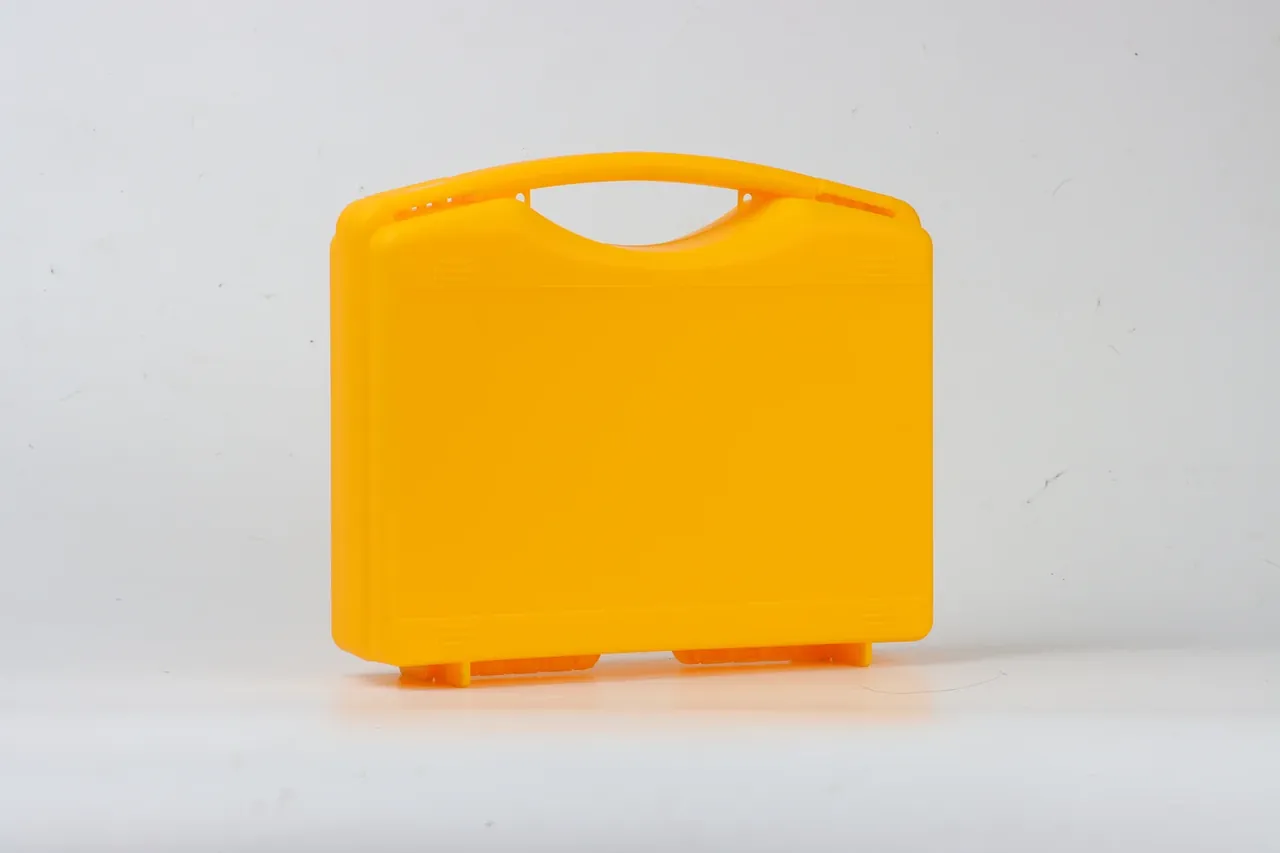
Weigh on a scale reading to 0.01 kg and hold the empty case within 3 percent of nominal for a 46 kg loaded rating. Take wall readings at 3 points along each of 4 sides, 12 in total, and fail at 7.2 mm. Measure three axes by tape, where a diagonal spread above 1.5 mm means a twisted shell. Torque each latch to 2.5 N·m and cycle it 20 times without slip. Finish with a 30 minute soak at 1 m of water; only the seal check consumes a case, and the soaked one never ships.
| Check | Gauge | Points taken | Pass line |
|---|---|---|---|
| Weight | Scale, 0.01 kg | 3 cases | Within 3 percent |
| Wall | Micrometer | 12 points | 7.2 mm minimum |
| Cavity | Tape measure | 3 axes | 1.5 mm diagonal spread |
| Latch | Torque wrench | 2 positions | Holds at 2.5 N·m |
| Seal | Tank, 1 m deep | 1 case | Dry after 30 minutes |
3. How Many to Pull: Lot Size and Defect Limits
Sample size in Protective Case Sales moves in three bands: 5 cases under 500 pieces, 8 cases from 501 to 2000, 13 cases from 2001 to 5000, pulled from the four pallet corners and the middle layer, not the top carton.
Defect grading in Protective Case Sales splits in two. Size and wall are critical, so 1 miss among 8 cases returns the lot. Appearance is general: 2 cases with light flow marks pass, the third returns the lot.
4. Rework, Concession, Rejection
Three routes follow the defect. Flash, a colour shift above ΔE 2, or print offset within 3 mm goes to rework, then a fresh pull of 5 cases. A light sink mark on a non-functional face goes to concession at 5 percent off.
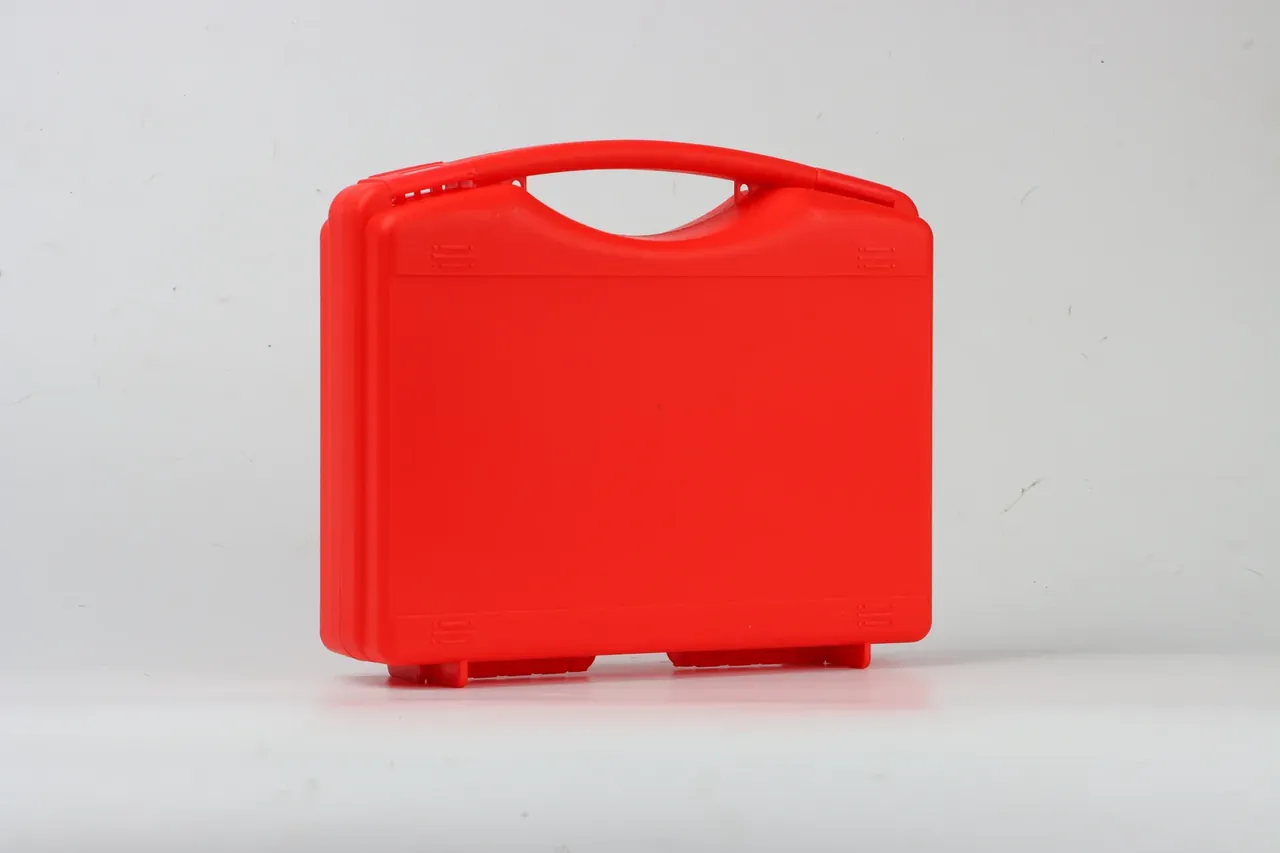
Protective Case Sales draws the line at function. Walls under 7.2 mm, a latch slipping at 2.5 N·m, water inside after a 30 minute soak: all three are rejected outright, with 3 sealed samples held by each side and a written report within 48 hours.
| Grade | Typical case | Action |
|---|---|---|
| Critical | 7.1 mm wall, water after 30 minutes | Reject, seal 3 samples |
| Major | Latch slips at 2.5 N·m, 2 mm spread | Rework, re-pull 5 cases |
| Minor | ΔE 2.5 shift, 3 mm print offset | Concession, 5 percent off |
Grading belongs in the spec, not a dock supervisor's judgement; when a case hits two grades, the higher one governs. For a lot already on the line, isolate unopened cartons and trace by carton number, which narrows the suspect range within 3 working days.
5. Records and Re-Tests: 24 Months of Paper
The inspection sheet in Protective Case Sales carries four fields: lot size, sample size, measured values, verdict. No other column goes on it, so nobody reinterprets the verdict later. Keep each sheet for 24 months, tied to the drawing revision.
Re-testing runs on a 12 month cycle: 48 hours of salt spray on latches, 4 hours at 80 °C for distortion, 4 hours at -40 °C for embrittlement, 10 drops from 1.2 m for the corners. Any one crossing its line sends the design back to the drawing. Reports rarely ship with every lot, and there Protective Case Sales loses tenders.
Conclusion
Intake holds when three documents settle the wording, five checks produce the numbers, and three routes assign the cost. Sample size follows lot size, the pass line separates critical from general, and the paper survives for 24 months. Every shipment in Protective Case Sales is then reviewed on the same terms.
This article discusses only the container (case body) side of specifications and design intent, and does not cover any handling, loading or use of the contents.
Related Reading
- How to set the incoming inspection basis
- Matching work instructions to inspection points
- Pallet stacking and case marking rules on site
Related Products
- 8 Series — Gun Cases; Military Equipment Cases; Camera Equipment Cases; Drone Cases; Watch Cases; Knife Cases; First Aid Cases; Electronics Equipment Cases
- WL8-2812 PP Gun Case — model WL8-2812
- All protective cases and toolboxes: 7 series, 158 models